Habiter les sentiers
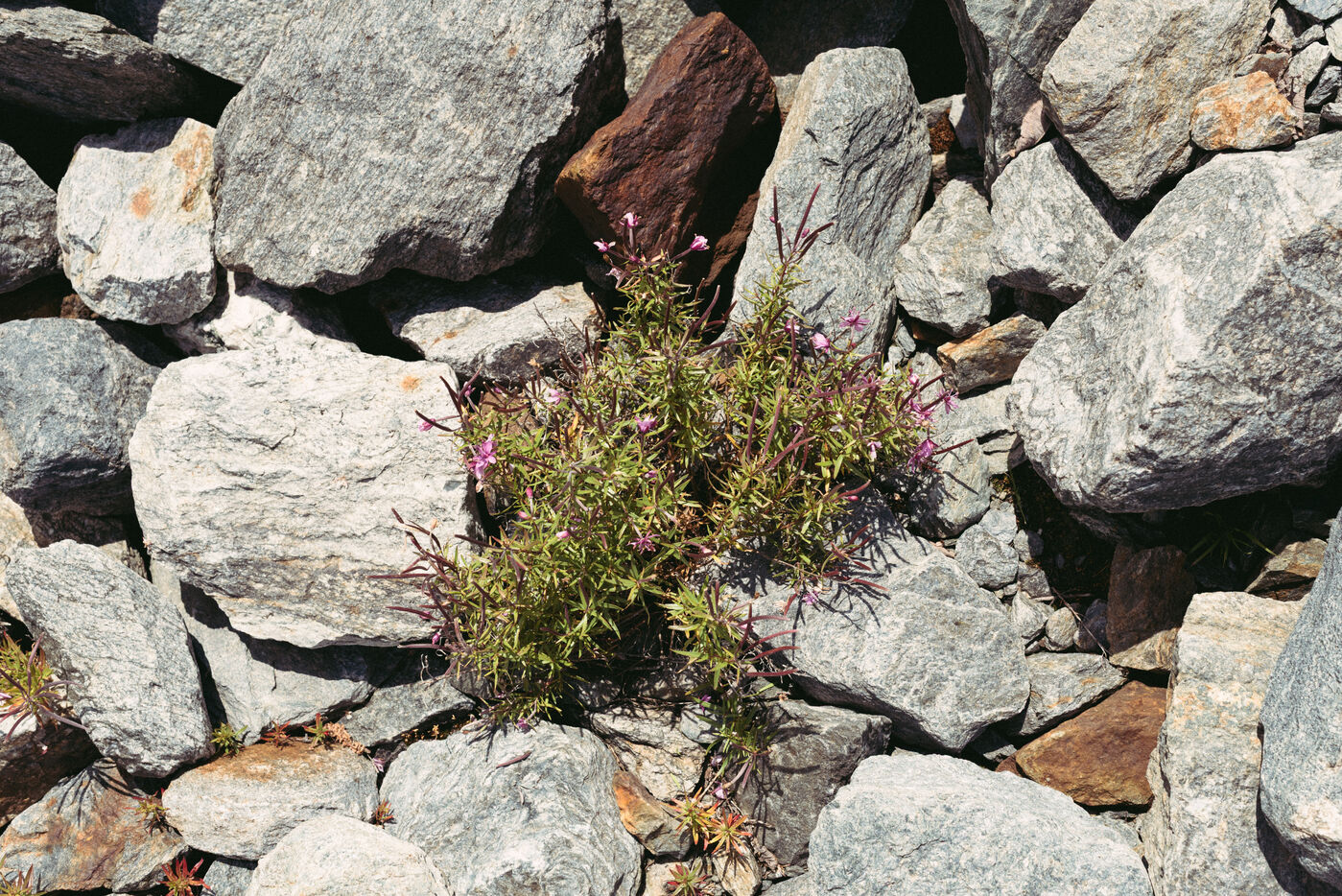
« Prendre le temps d’admirer mais aussi de comprendre que ce sont des écosystèmes fragiles en évolution très rapide ces dernières années ; et qui vont l’être pendant encore très longtemps avec le changement climatique. » - Sophie Vallée, écologue au Conservatoire Botanique National Alpin.
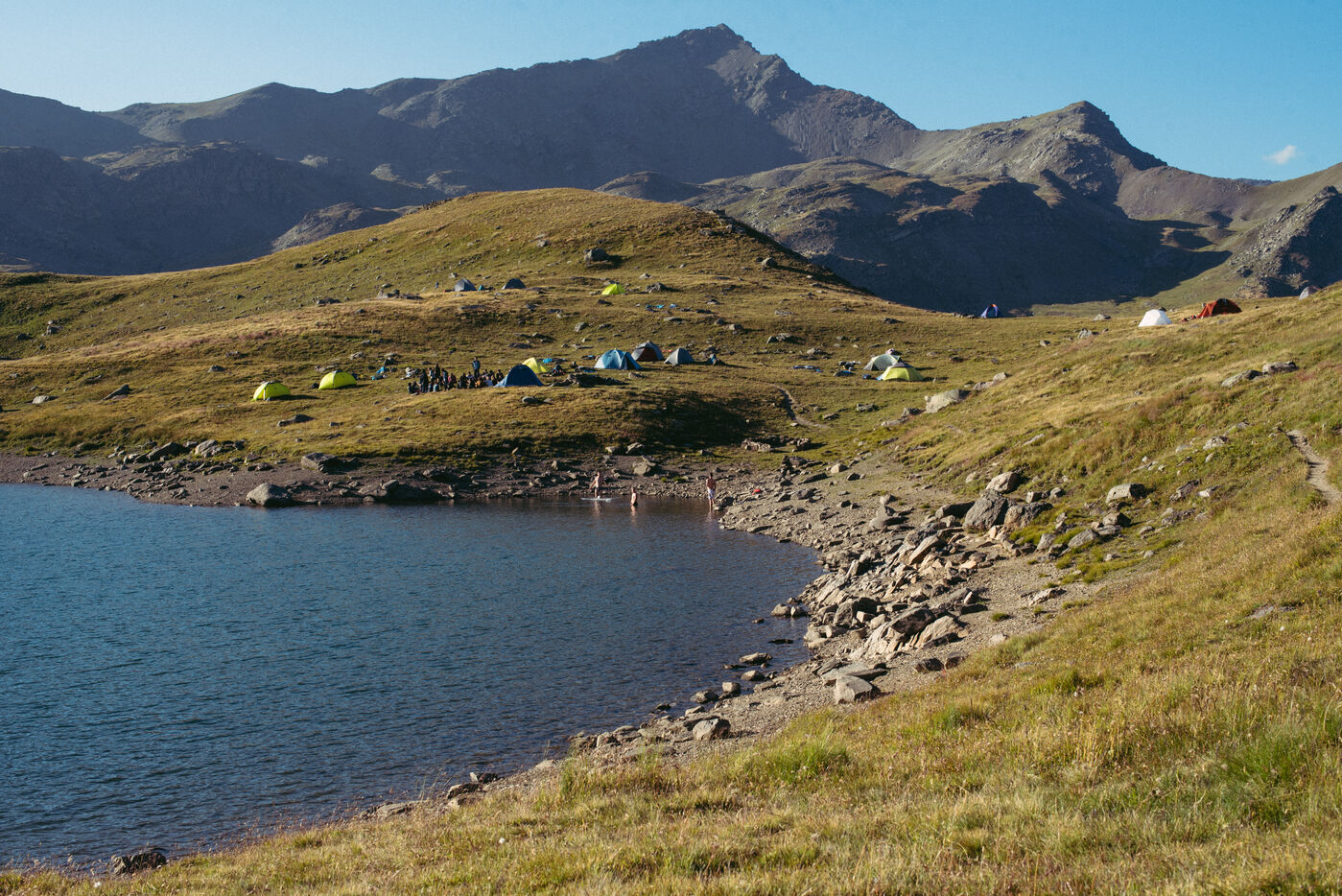
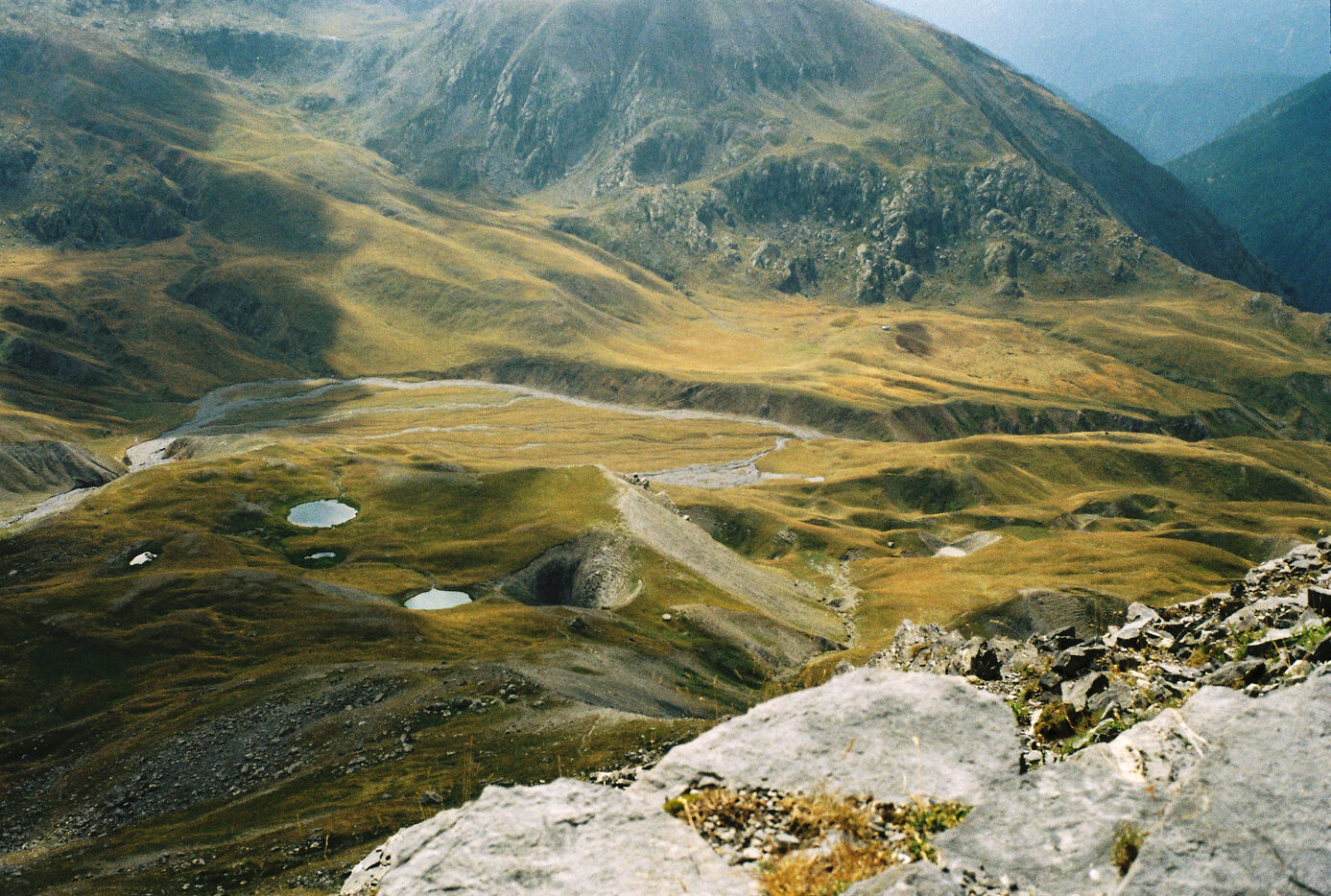
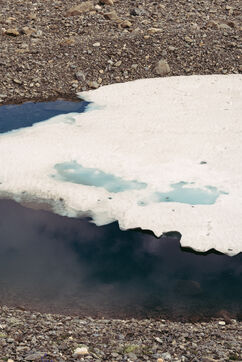
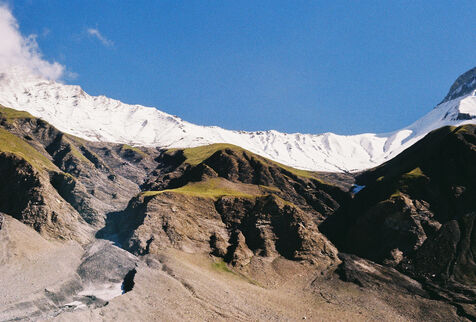
Les Alpes françaises connaissent aujourd’hui une transformation profonde, à la croisée de deux phénomènes : l’augmentation massive de la fréquentation touristique depuis la pandémie de Covid-19 et les effets du dérèglement climatique de plus en plus nombreux. La montagne est devenue un refuge, un espace de reconnexion et de quête de sens. Pourtant, ce besoin croissant de nature participe aussi à fragiliser des milieux déjà vulnérables. Glaciers en recul, éboulements plus fréquents, saisons bouleversées : les paysages alpins changent rapidement. Selon une étude publiée dans Nature en 2025, les glaciers des Alpes et des Pyrénées ont perdu près de 39 % de leur masse entre 2000 et 2023. À ces bouleversements climatiques s’ajoutent de nouveaux usages de la montagne et des comportements parfois inadaptés face à des écosystèmes fragiles.
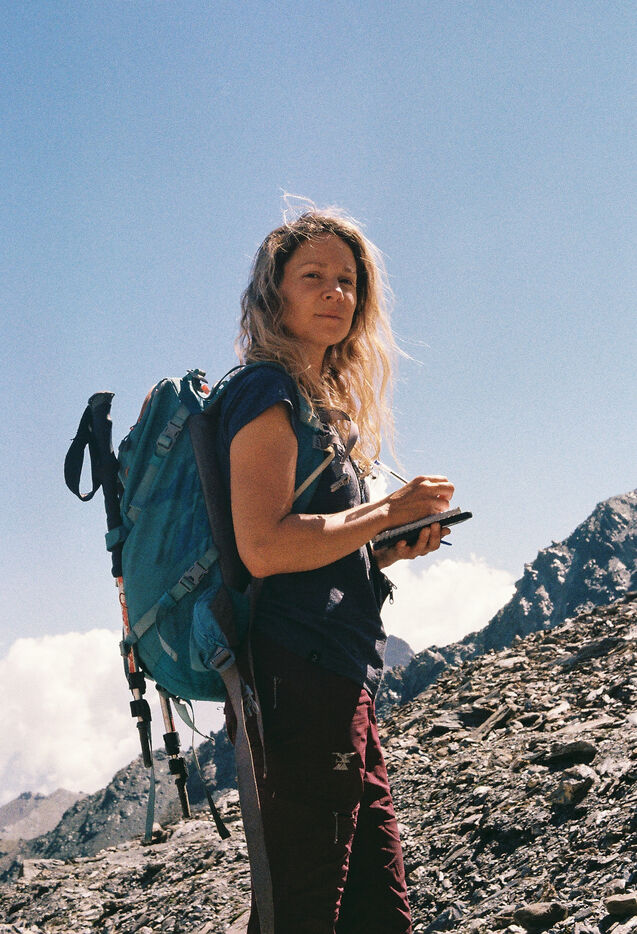
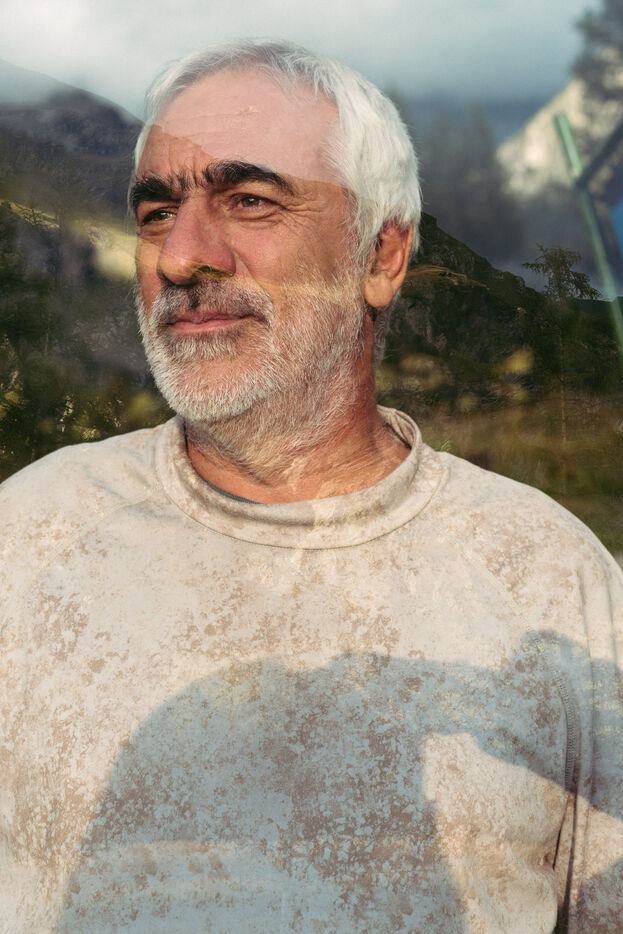
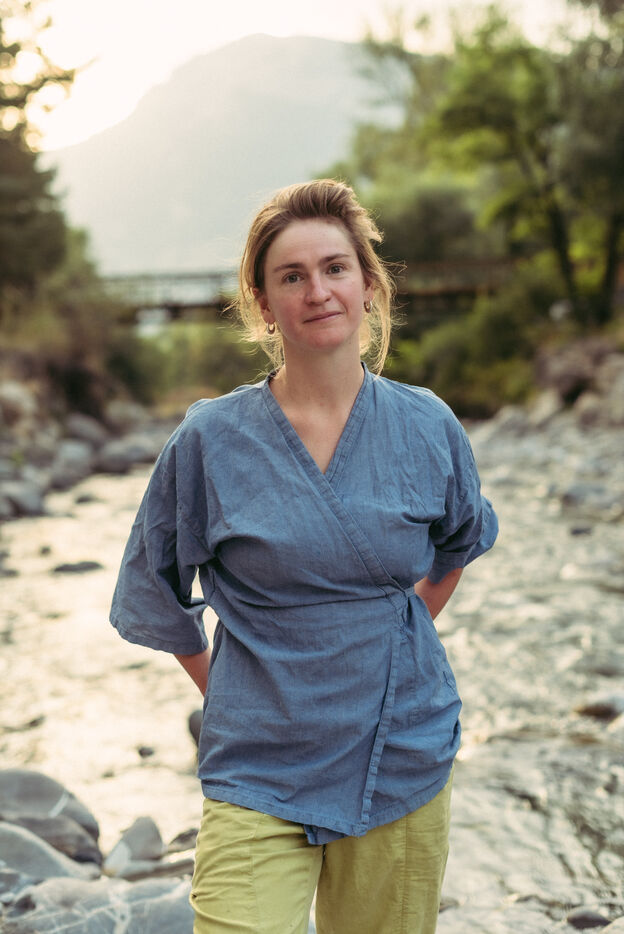
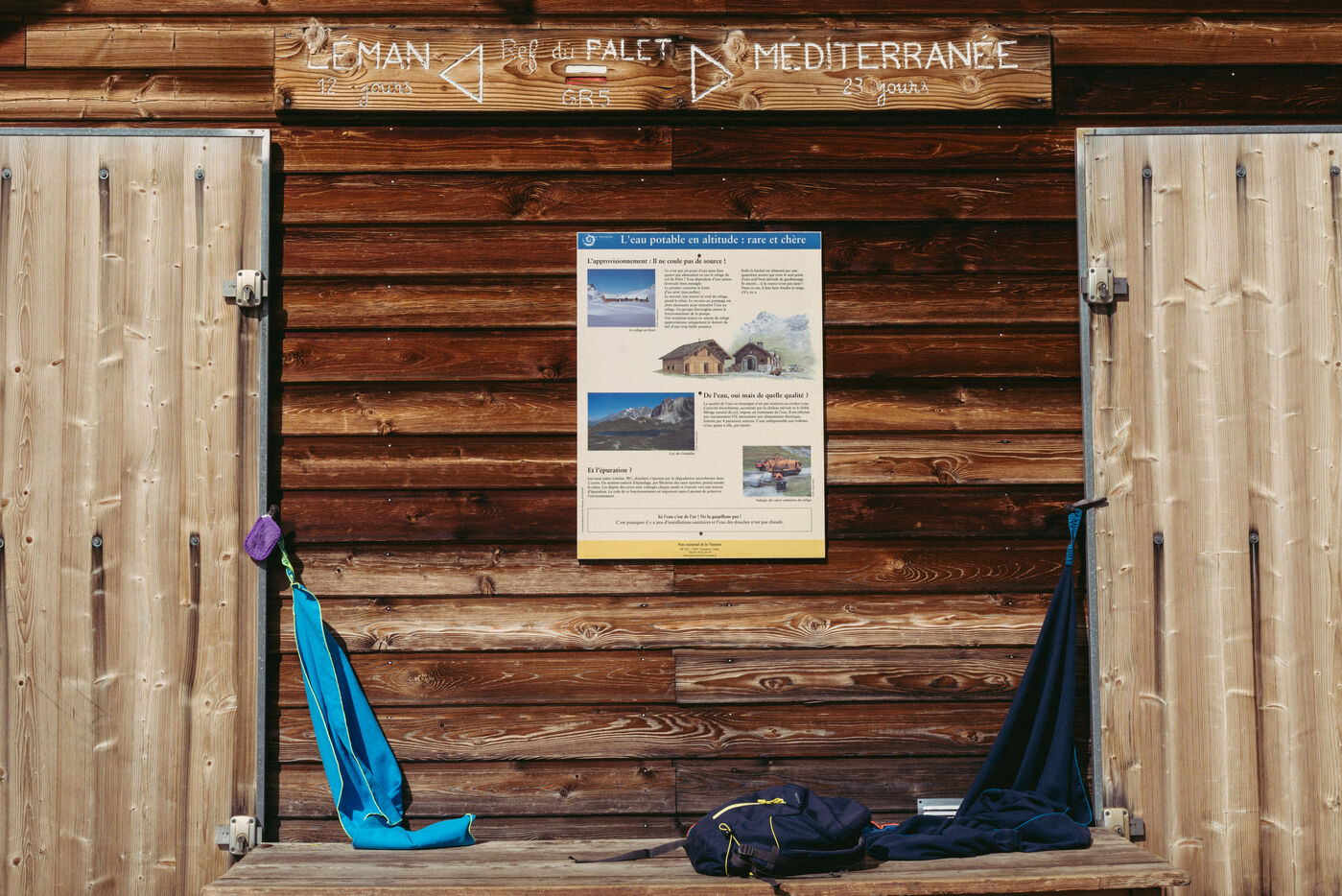
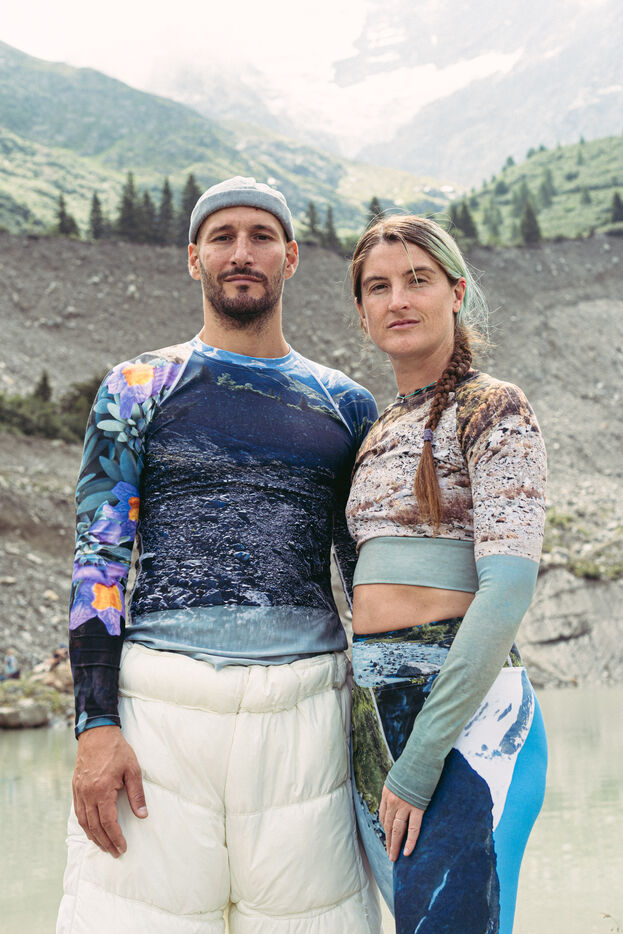
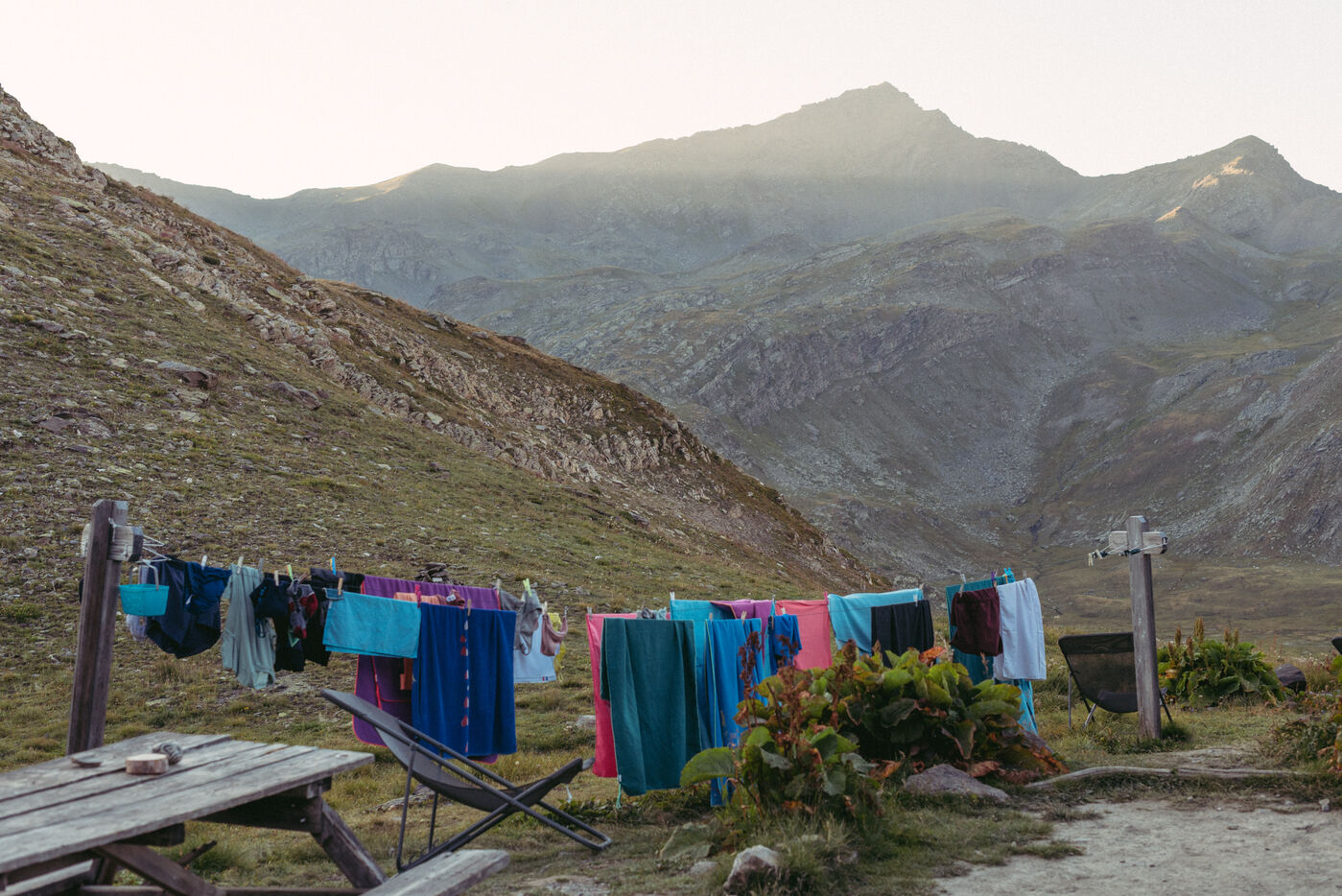
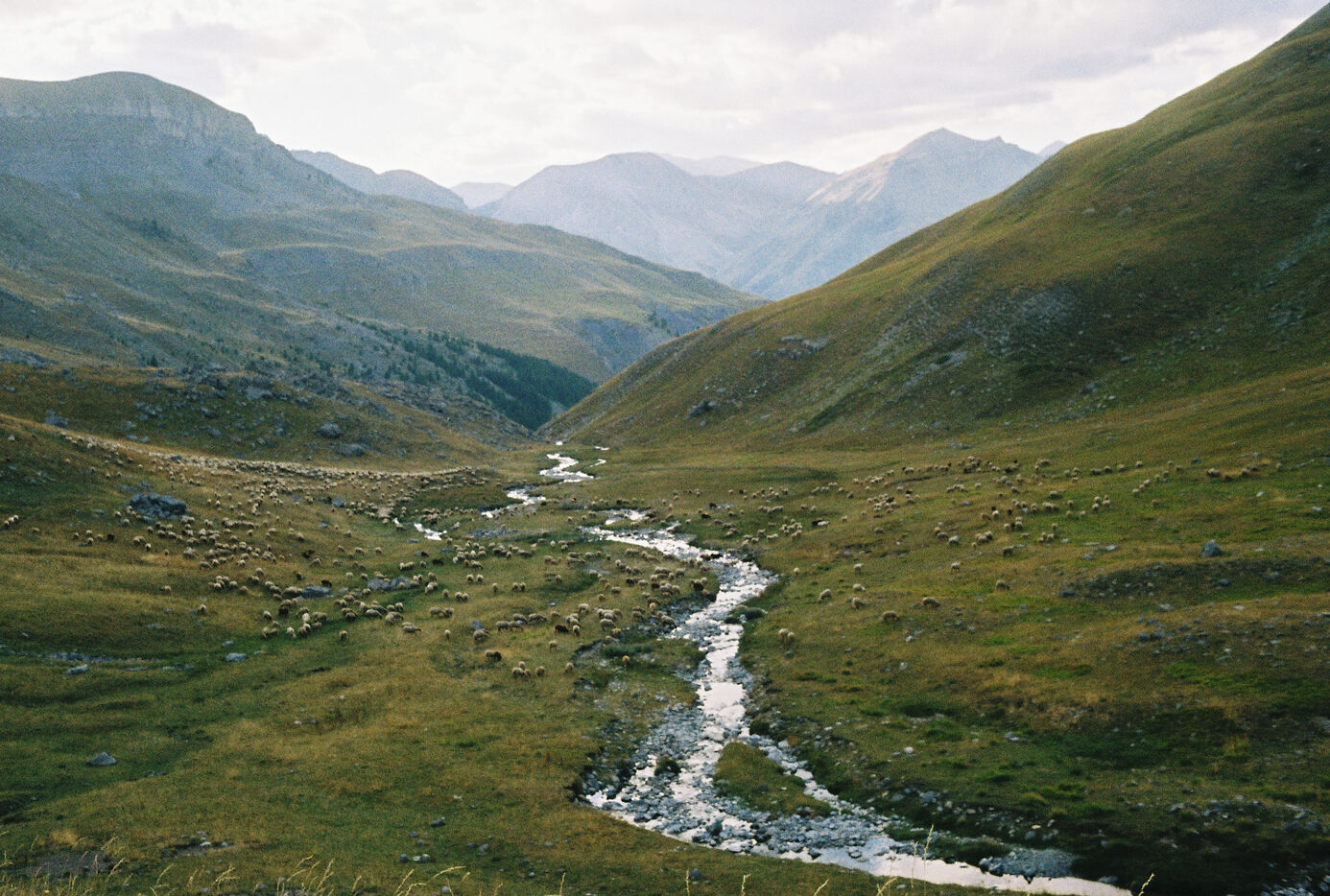
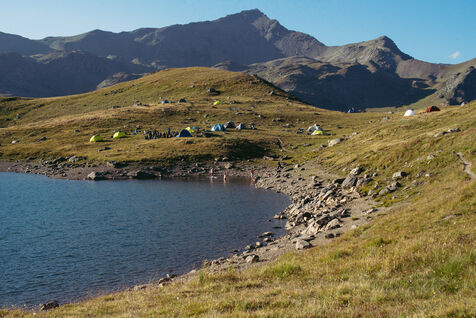
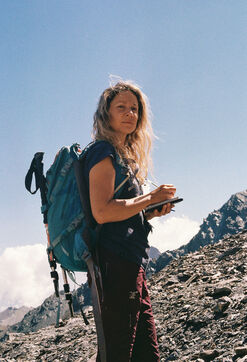
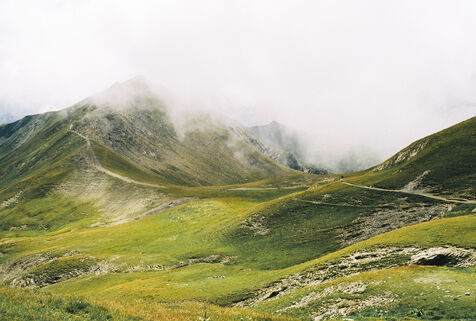
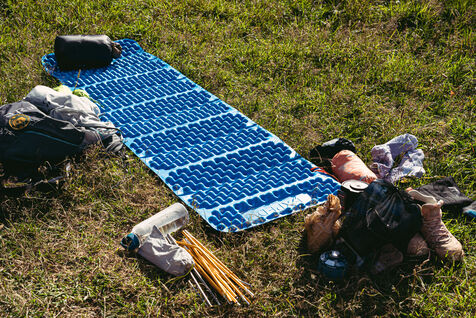
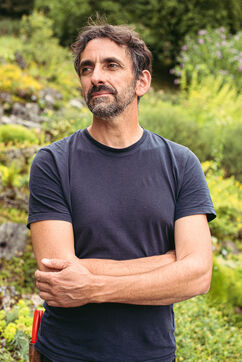
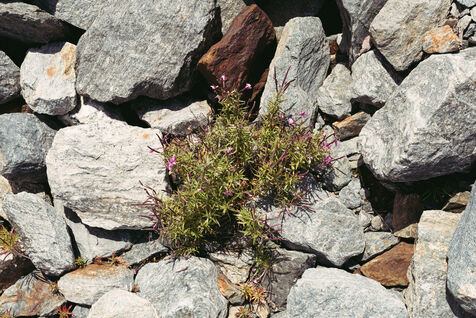
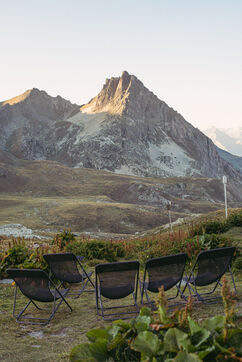
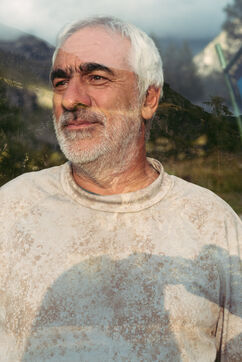
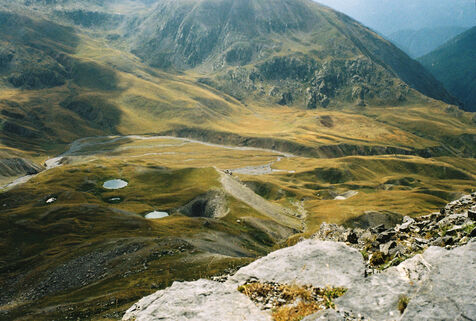
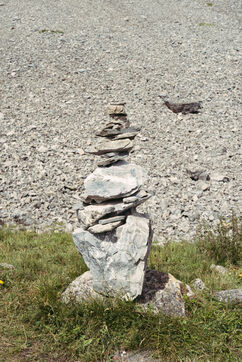
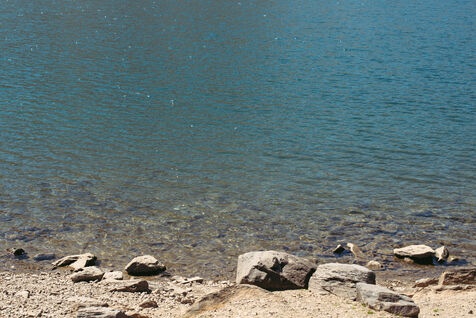
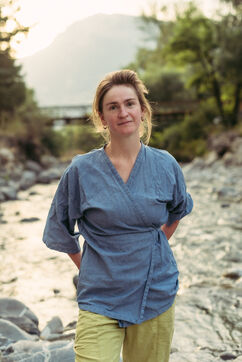
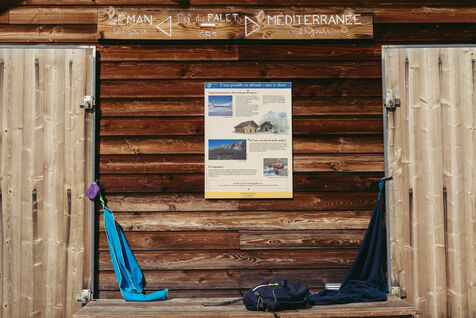
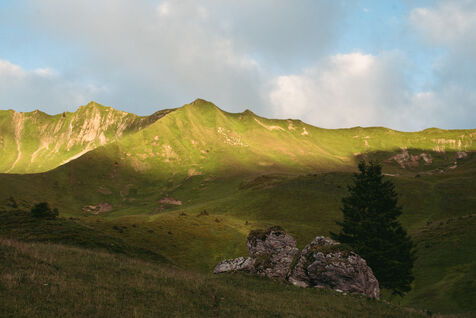
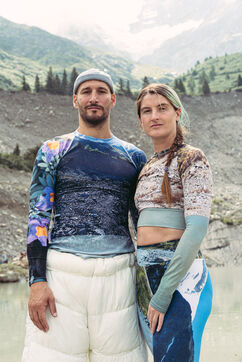
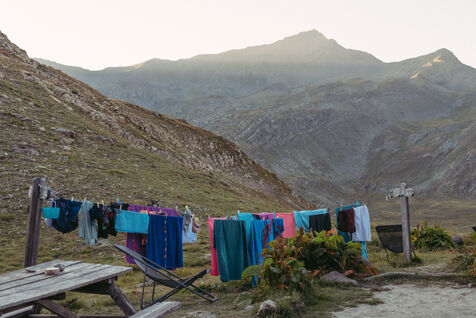
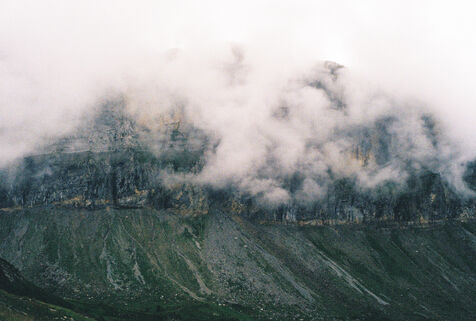
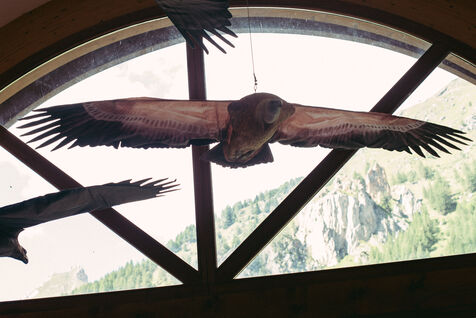
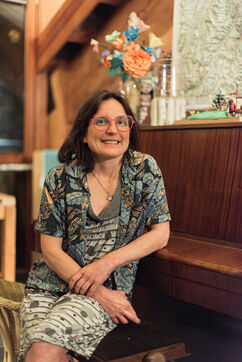
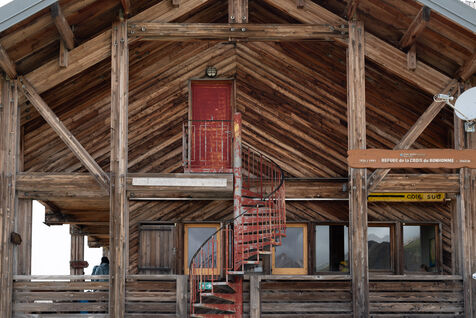
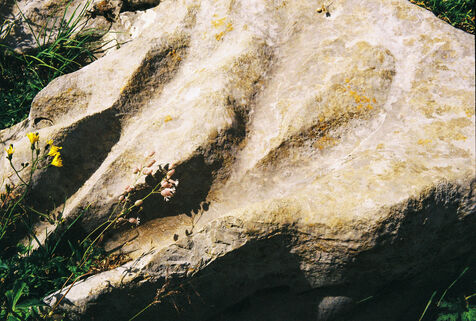
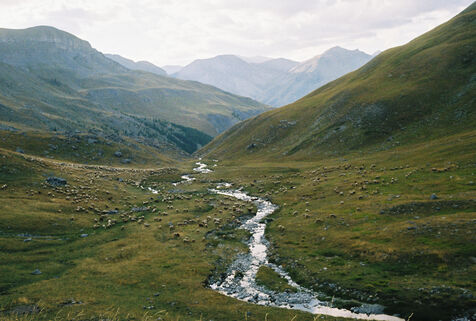
C’est dans ce contexte que s’inscrit « Habiter les sentiers », un reportage photographique qui explore les mutations des Alpes françaises sur ses sentiers d’altitude. Ce travail cherche à documenter autant qu’à ressentir : faire un état des lieux des paysages aujourd’hui mais aussi mettre des visages sur celles et ceux qui vivent, étudient ou protègent ces territoires. Les images mêlent approche documentaire et regard sensible pour montrer un patrimoine naturel en mutation. Elles interrogent notre rapport contemporain à la montagne : comment continuer à habiter ces espaces sans les épuiser ? Comment concilier désir d’évasion et nécessité de préservation ?
À travers cette série, il s’agit de témoigner d’un moment charnière pour les Alpes françaises, où les transformations environnementales redessinent autant les paysages que notre manière d’être au monde. La photographie devient alors un outil de réflexion, invitant à poser un regard extérieur sur la présence de l’homme dans des territoires de plus en plus fragiles.
High altitudes, uncertain futures
“Take the time to admire them, but also to understand that these are fragile ecosystems that have been changing rapidly in recent years—and will continue to do so for decades to come as a result of climate change.” – Sophie Vallée, ecologist at the National Alpine Botanical Conservatory.
The French Alps are undergoing a profound transformation, shaped by two converging forces: the surge in tourism since the Covid-19 pandemic and the accelerating impacts of climate change. For many, the mountains have become a refuge—a place to reconnect with nature, find perspective, and seek meaning. Yet this growing attraction to wild spaces is also placing increasing pressure on already fragile ecosystems. Glaciers are retreating, rockfalls are becoming more frequent, and seasonal cycles are shifting. Alpine landscapes are changing at an unprecedented pace. According to a study published in Nature in 2025, glaciers in the Alps and Pyrenees lost nearly 39% of their mass between 2000 and 2023. Alongside these environmental changes, new patterns of recreation and tourism are reshaping the way people interact with mountain environments, often in ways that are poorly adapted to their ecological vulnerability.
This photo essay explores the evolving face of the French Alps through their high-altitude trails. The project aims both to document and to evoke: to record the realities of these landscapes today while giving voice to the people who inhabit, study, and protect them. Combining a documentary approach with a more intimate visual perspective, the work reveals a natural heritage in transition.
At its core, the project examines our contemporary relationship with the mountains. How can we continue to experience and enjoy these places without contributing to their degradation? How can the desire for escape be reconciled with the responsibility of conservation?
Ultimately, this work seeks to bear witness to a pivotal moment in the history of the French Alps—one in which environmental change is reshaping not only the landscape itself, but also our place within it. Photography becomes a tool for reflection, inviting viewers to reconsider humanity’s presence in increasingly fragile environments.