Le sauvetage des macareux moines au Pays Basque
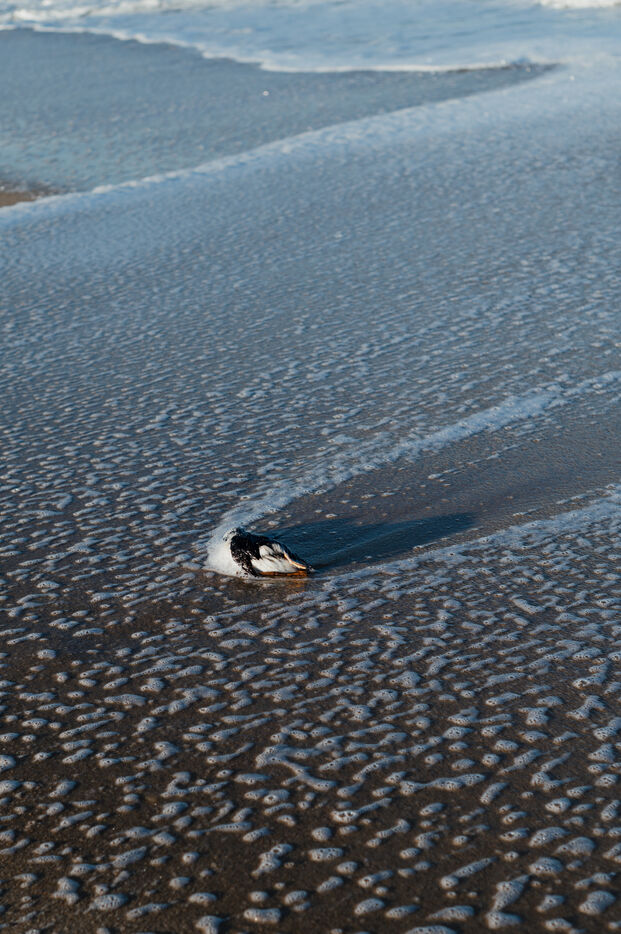
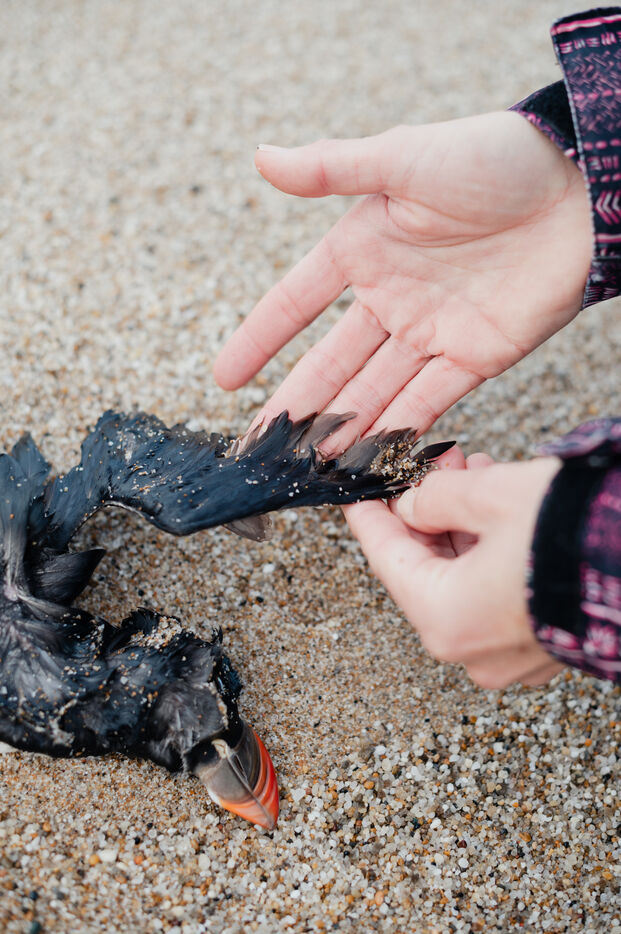
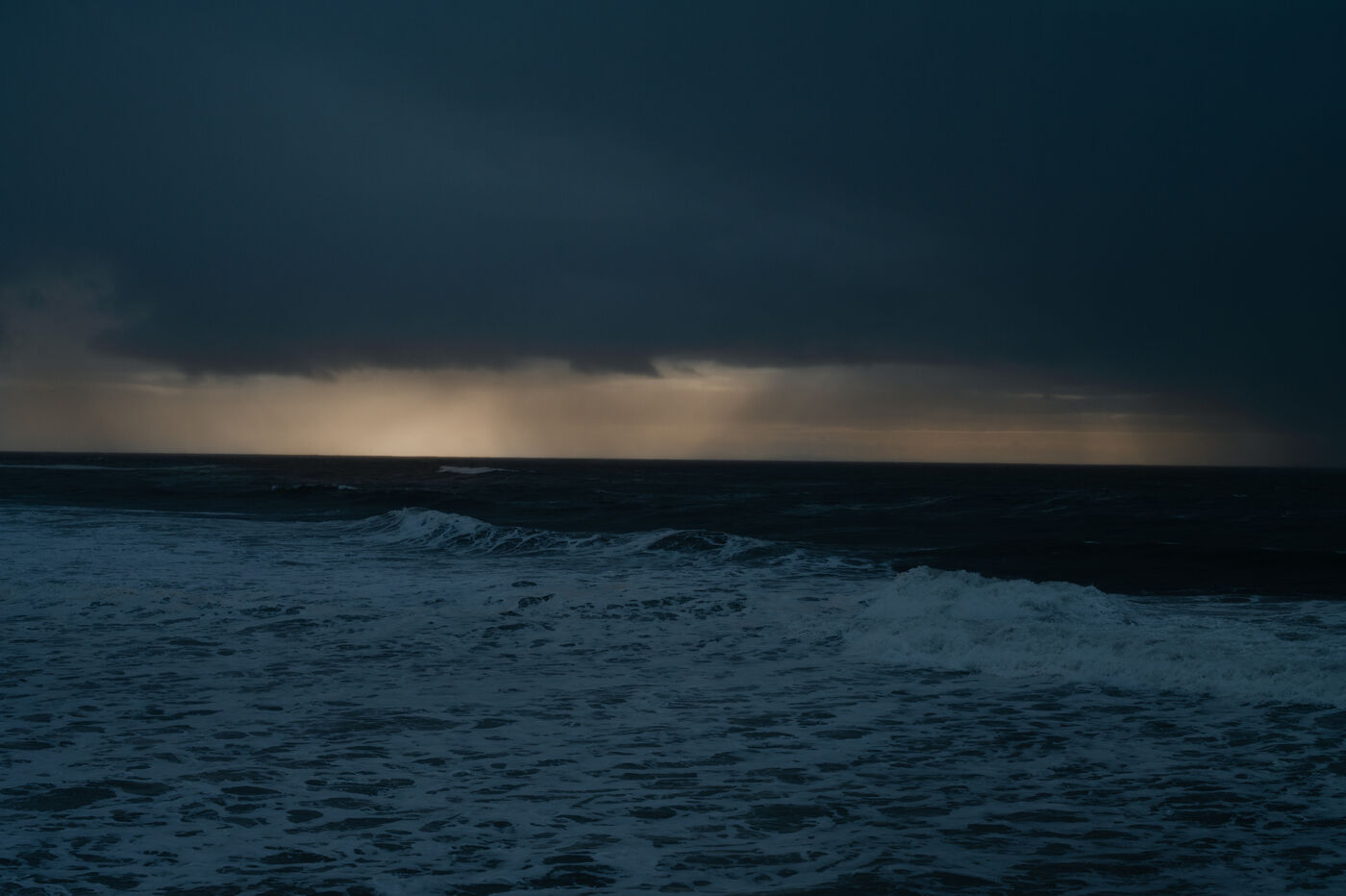
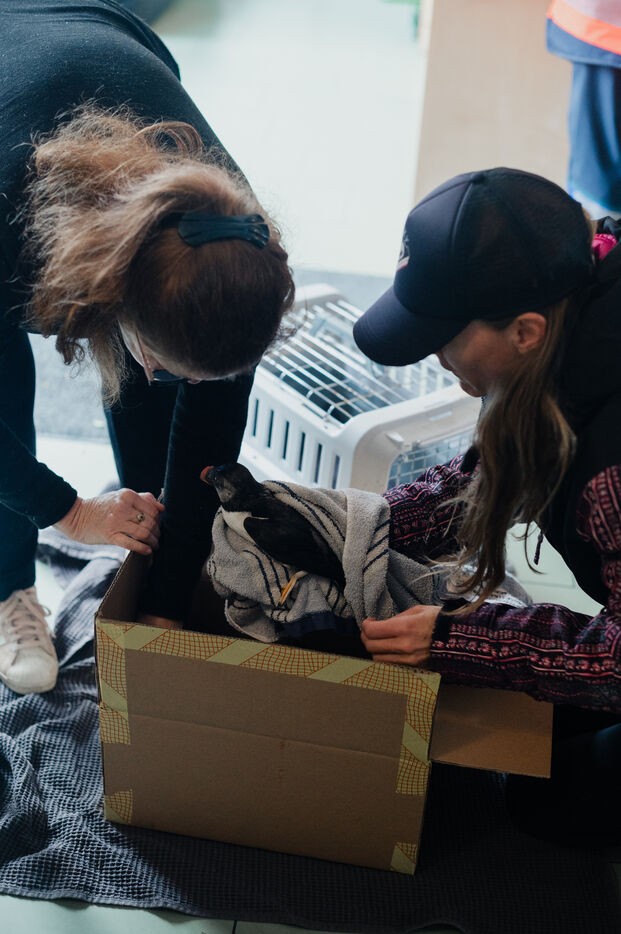
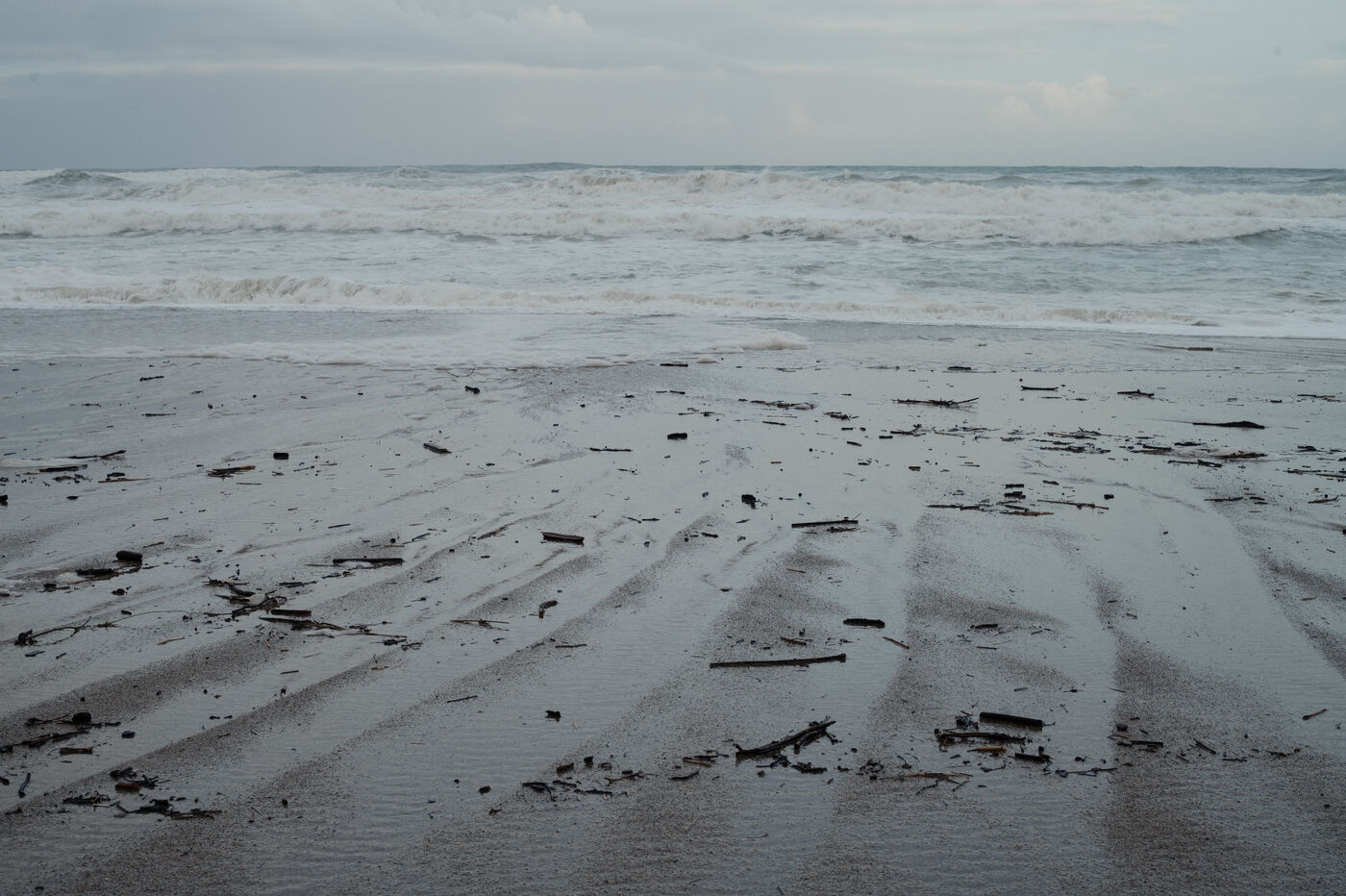
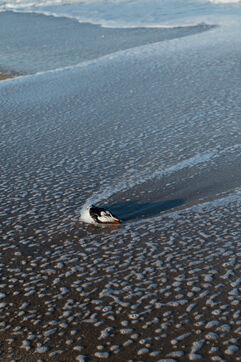
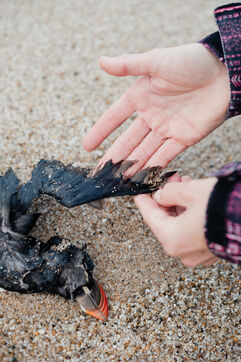
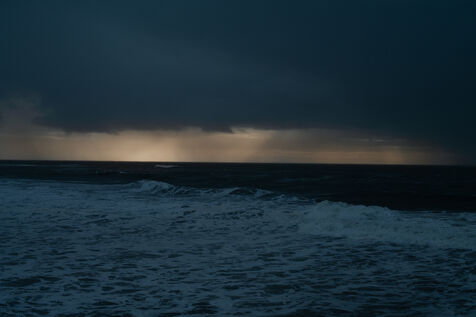
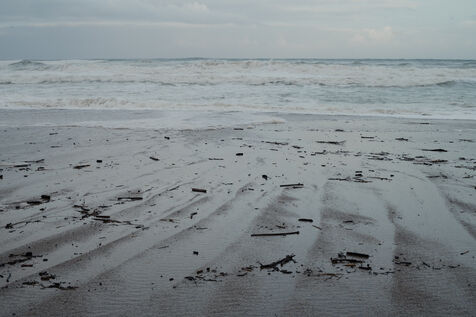
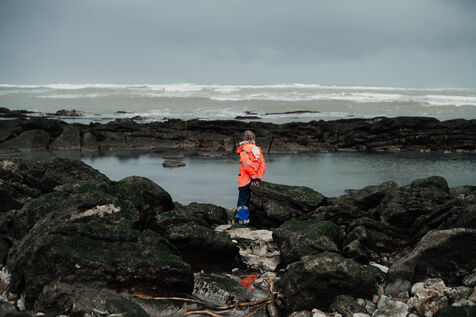
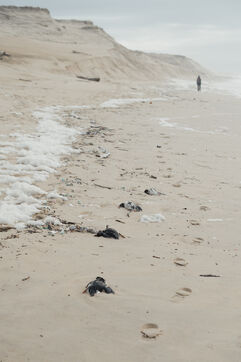
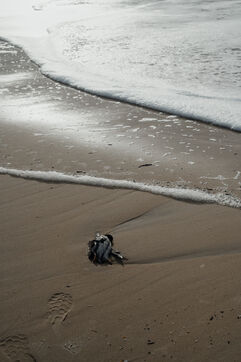
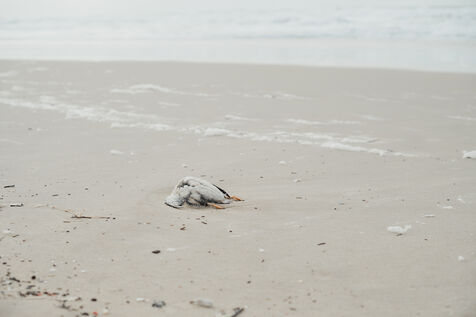
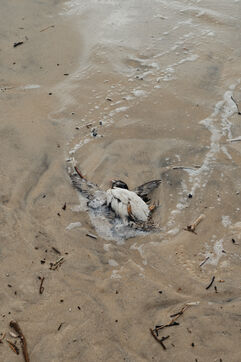
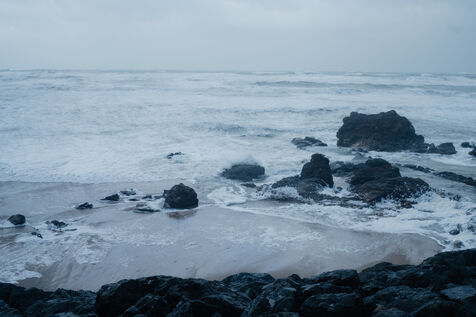
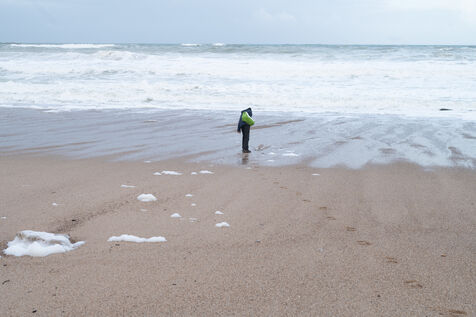
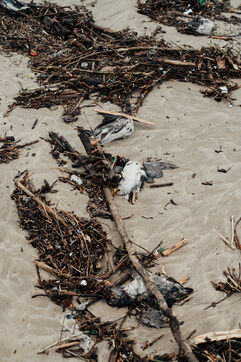
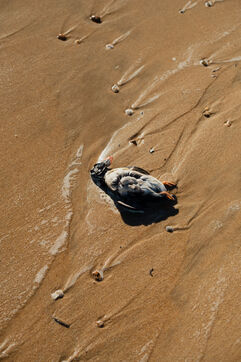
Depuis début février 2026, des milliers de macareux moines s’échouent sur le littoral français, de la Bretagne au Pays Basque. Ce phénomène exceptionnel est dû à une conjonction de facteurs : Le réchauffement des océans, la surpêche industrielle et les violentes tempêtes récentes Nils et Pedro ont conduit à la raréfaction du poisson et ont mis en difficulté les macareux, en particulier les plus jeunes (moins expérimentés), qui finissent par s’échouer sur nos plages. Les survivants sont en grande anémie et en hypothermie. La plupart ont perdu entre 40% et 60% de leur poids.
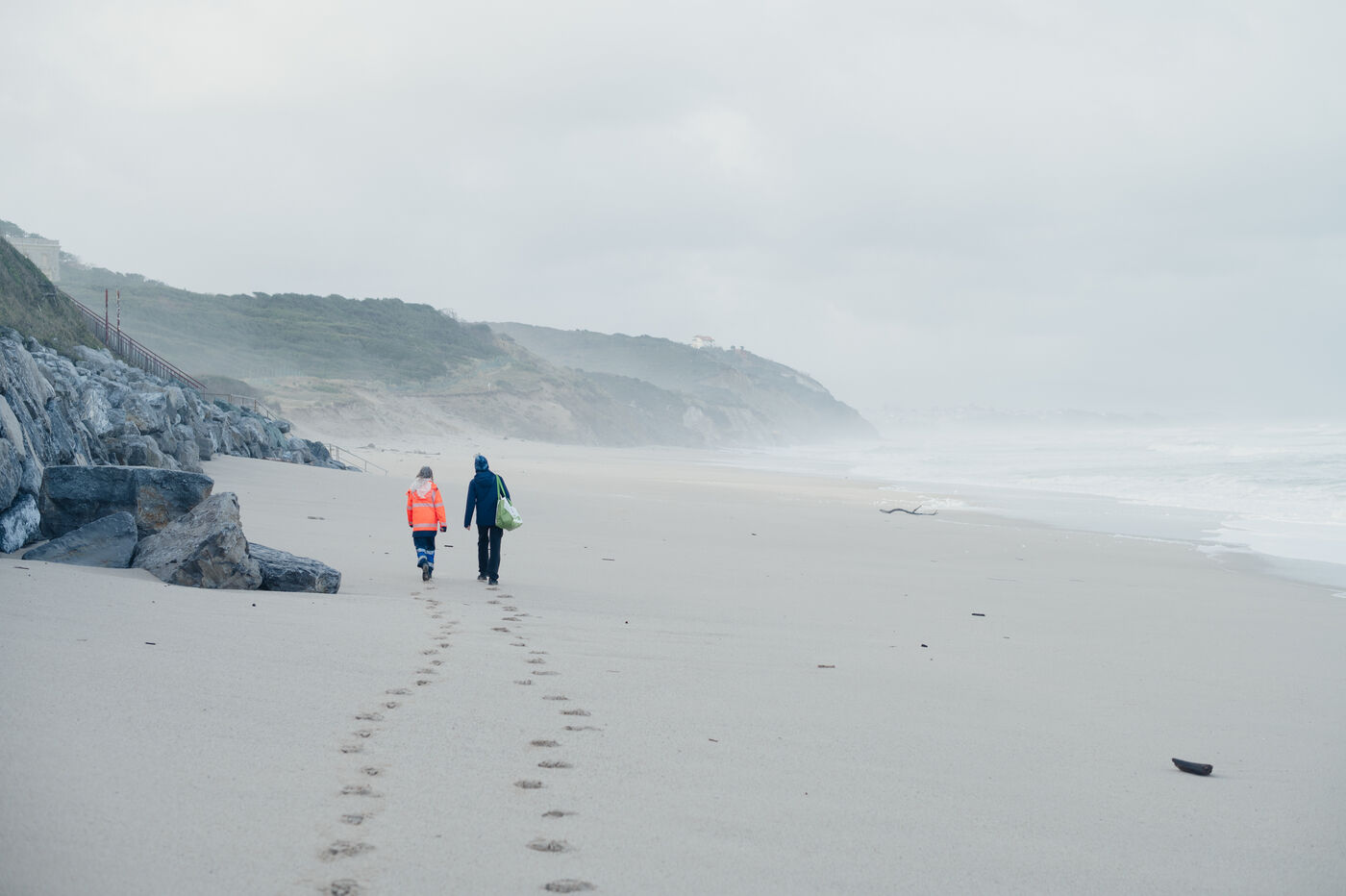
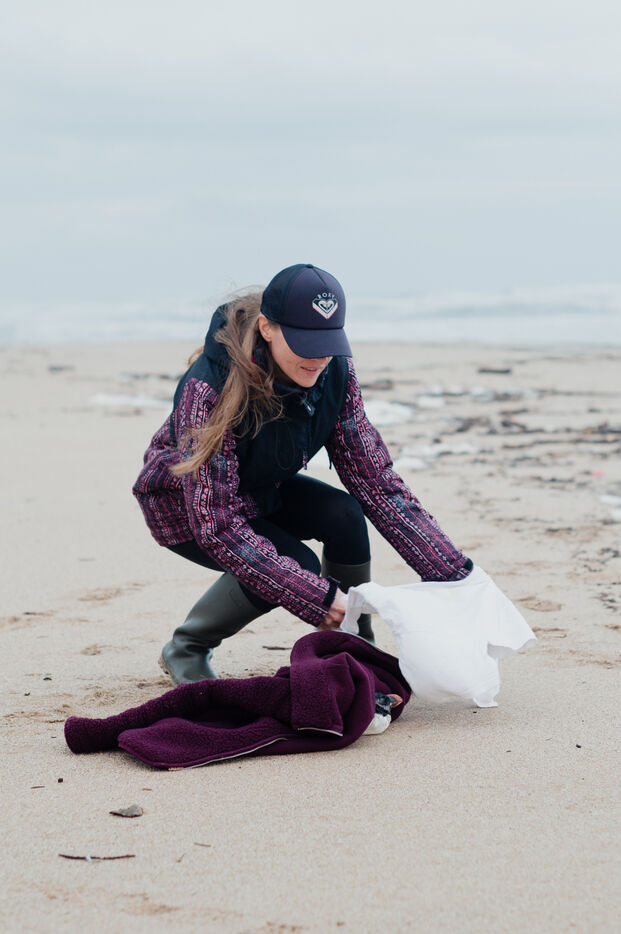
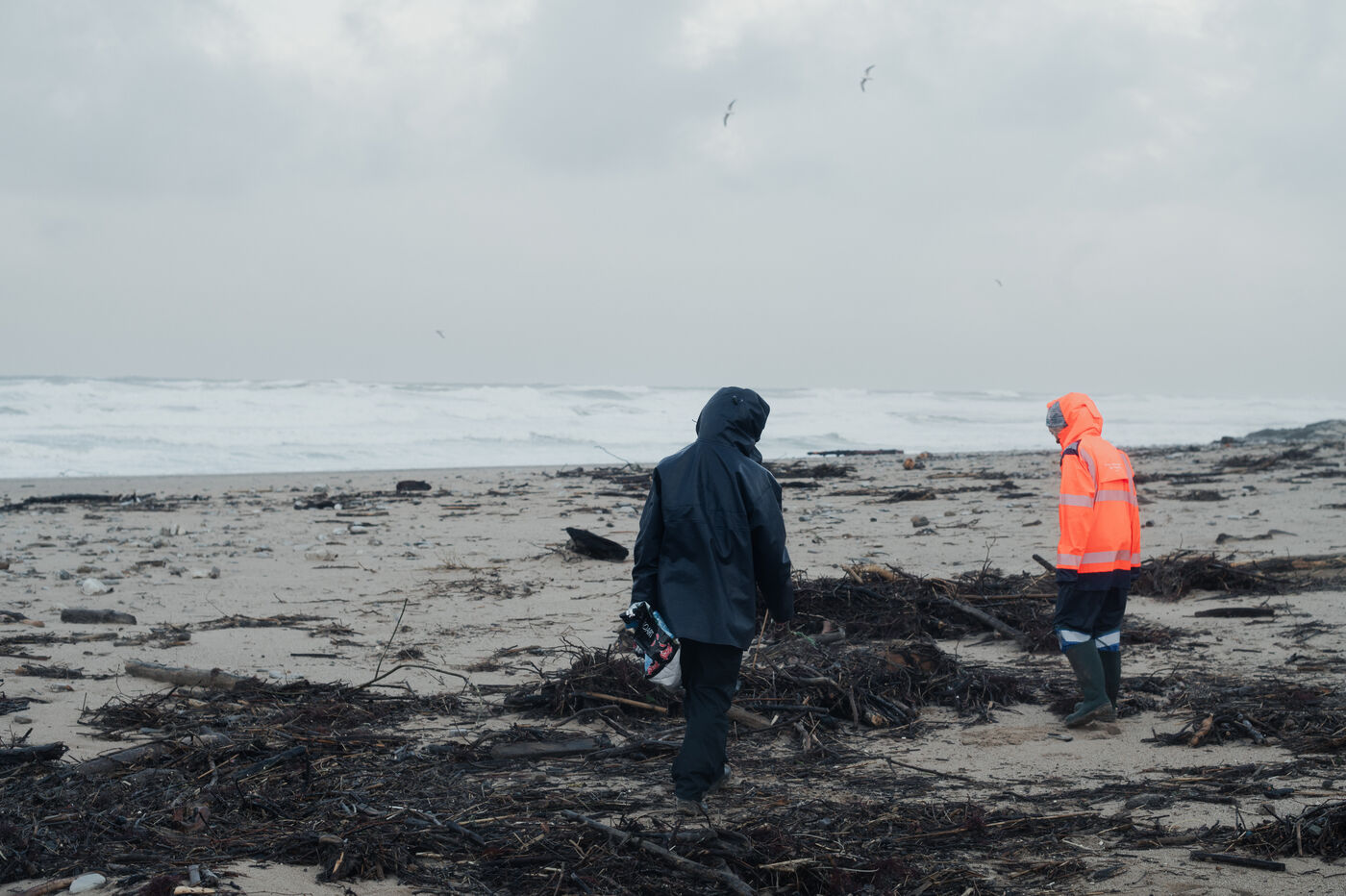
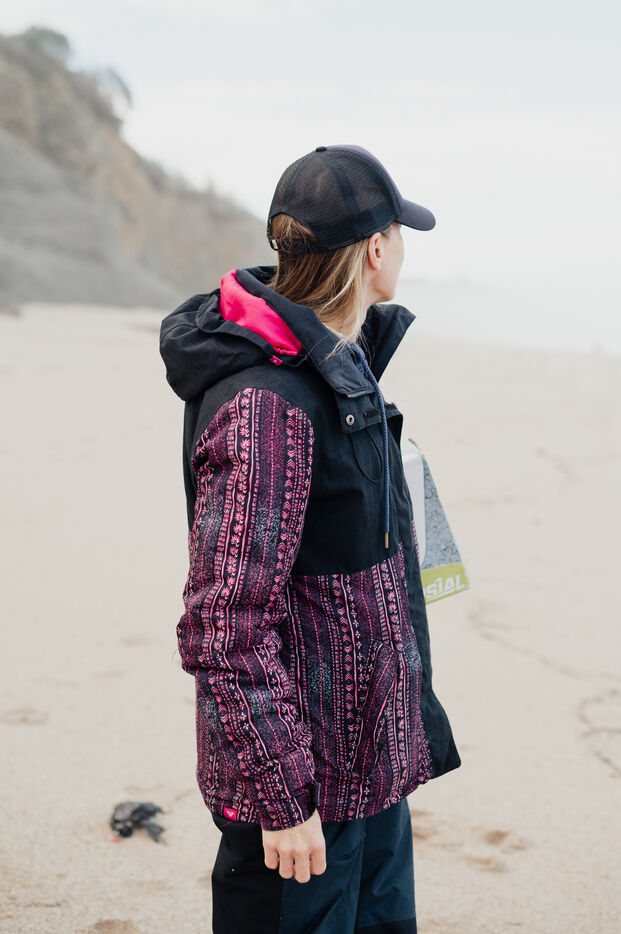
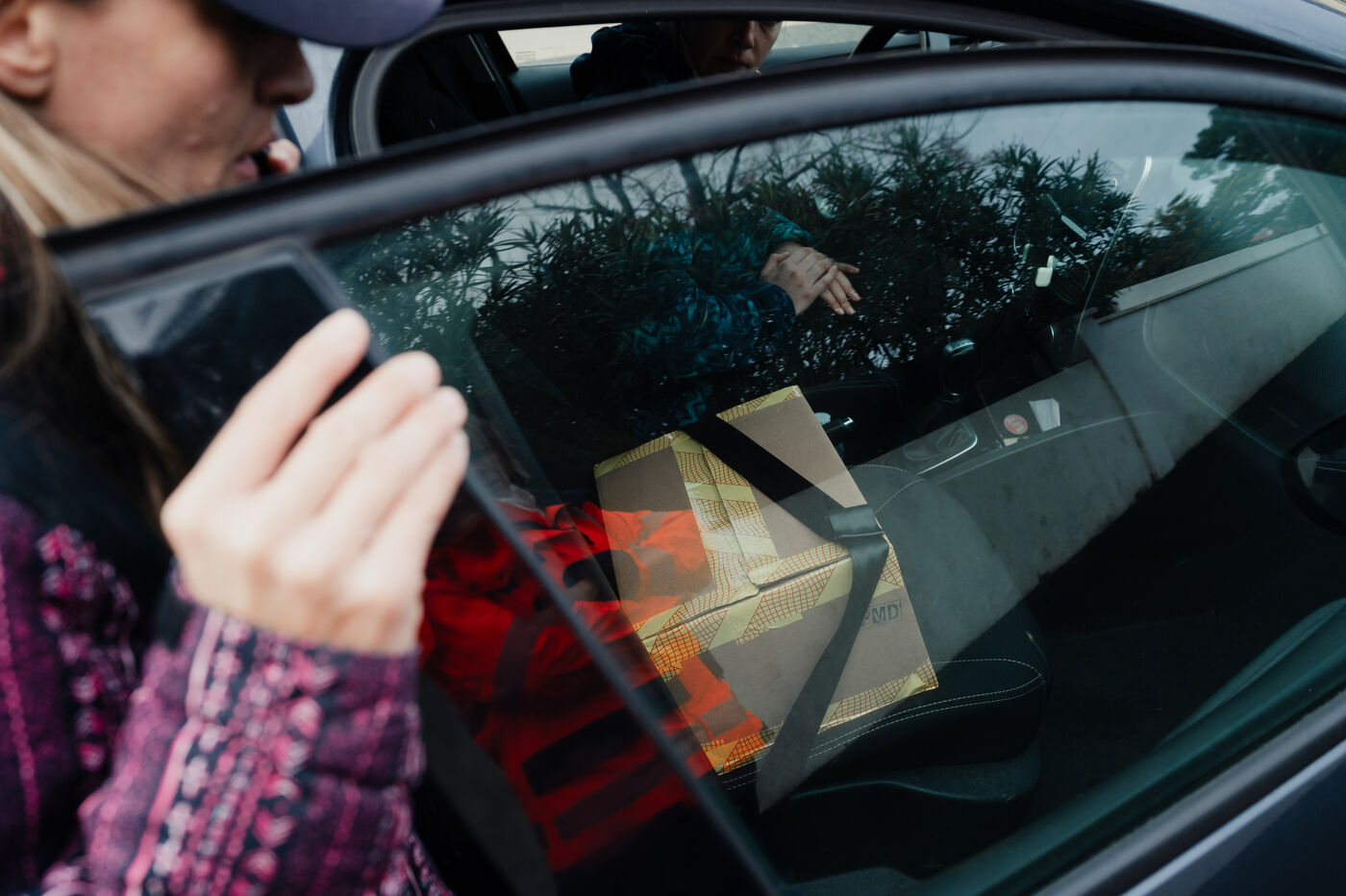
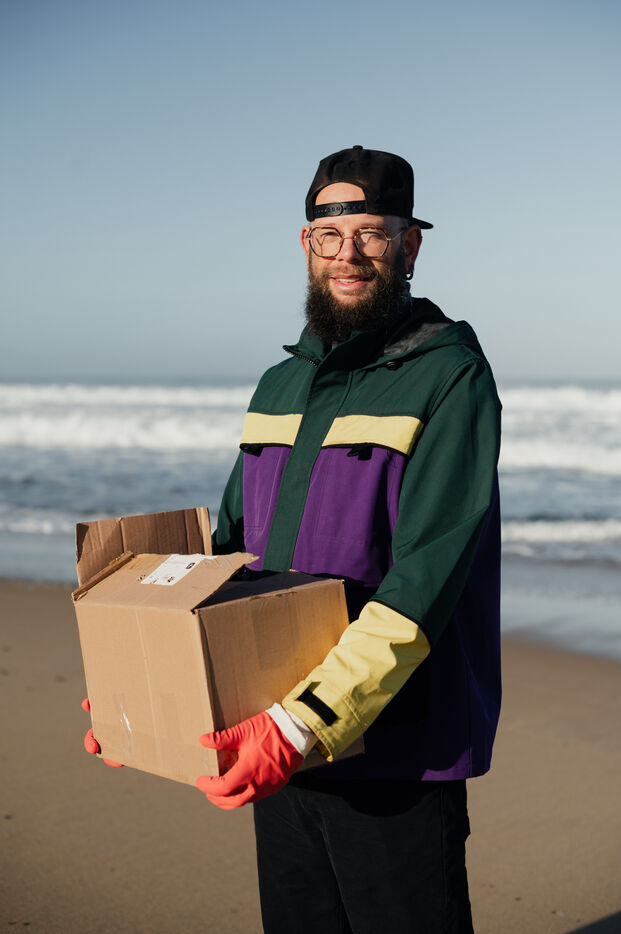
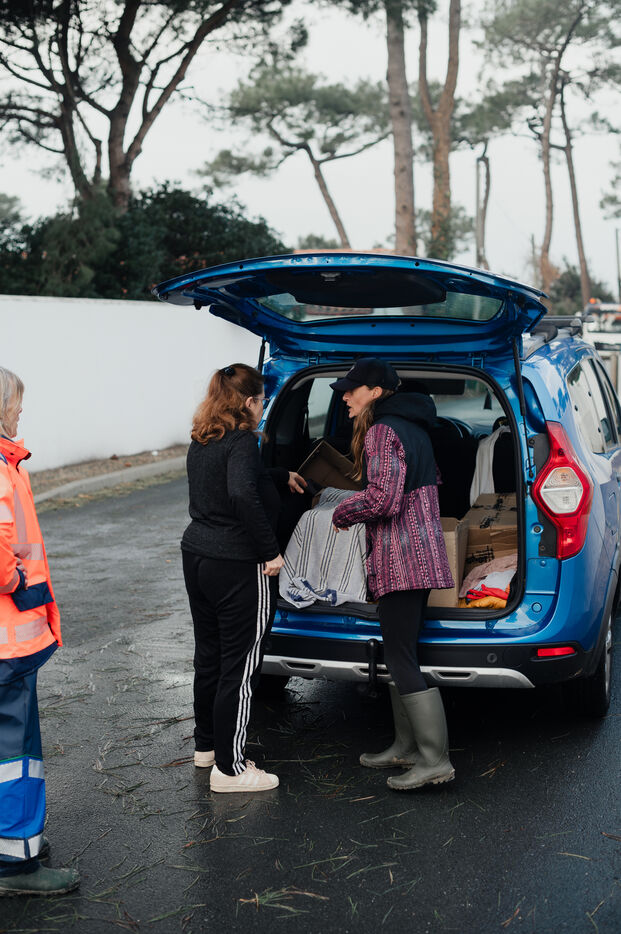
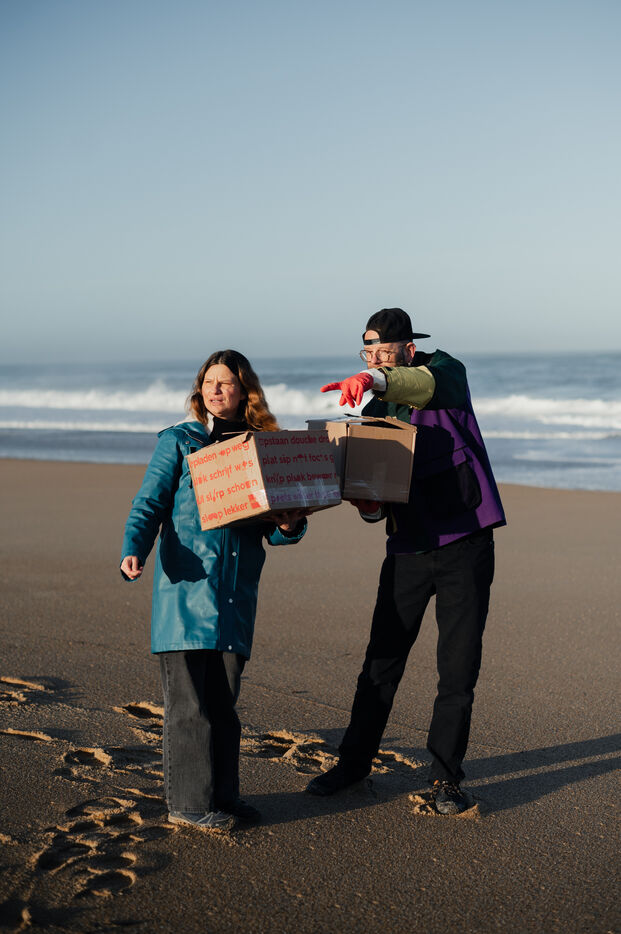
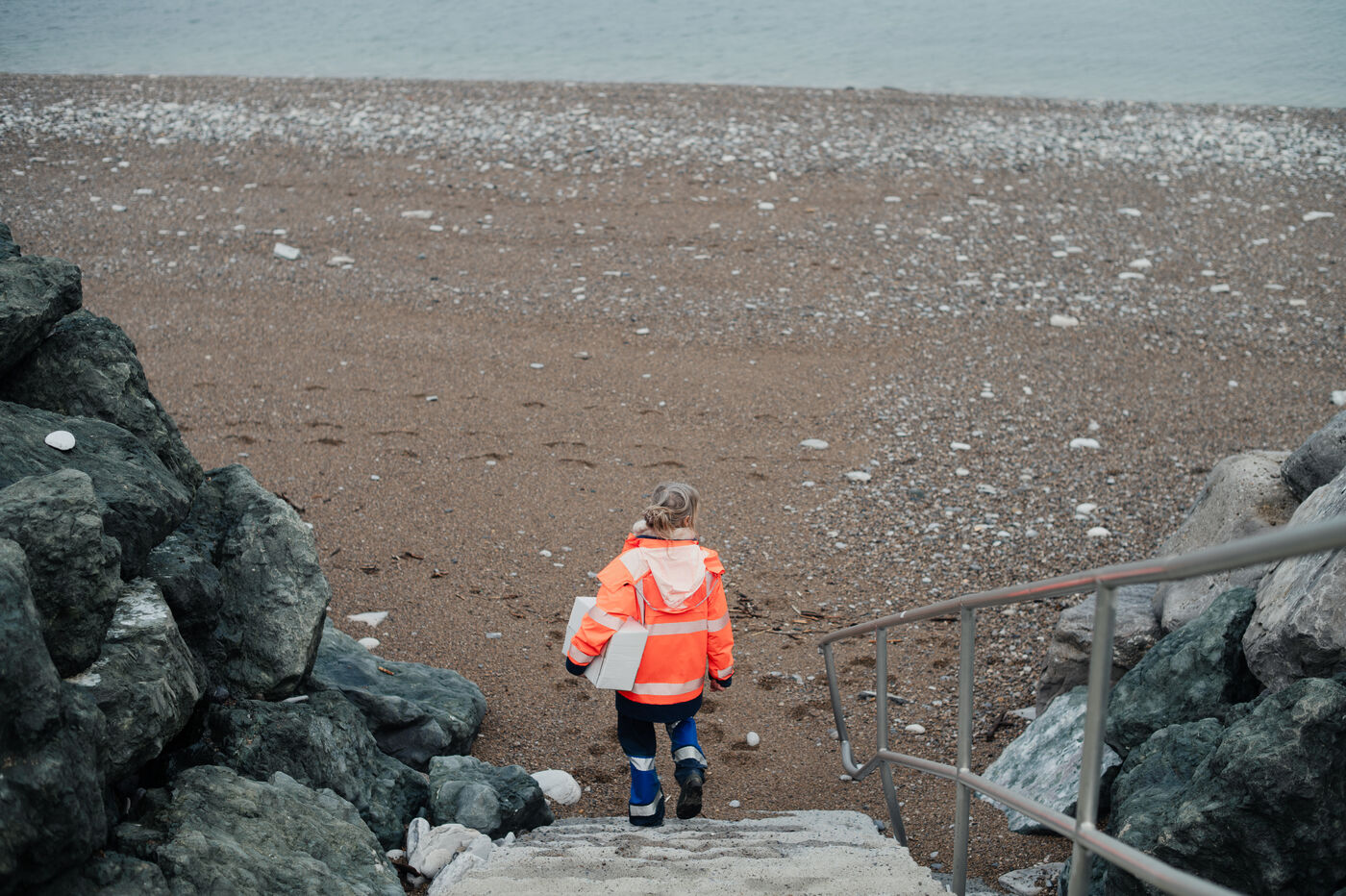
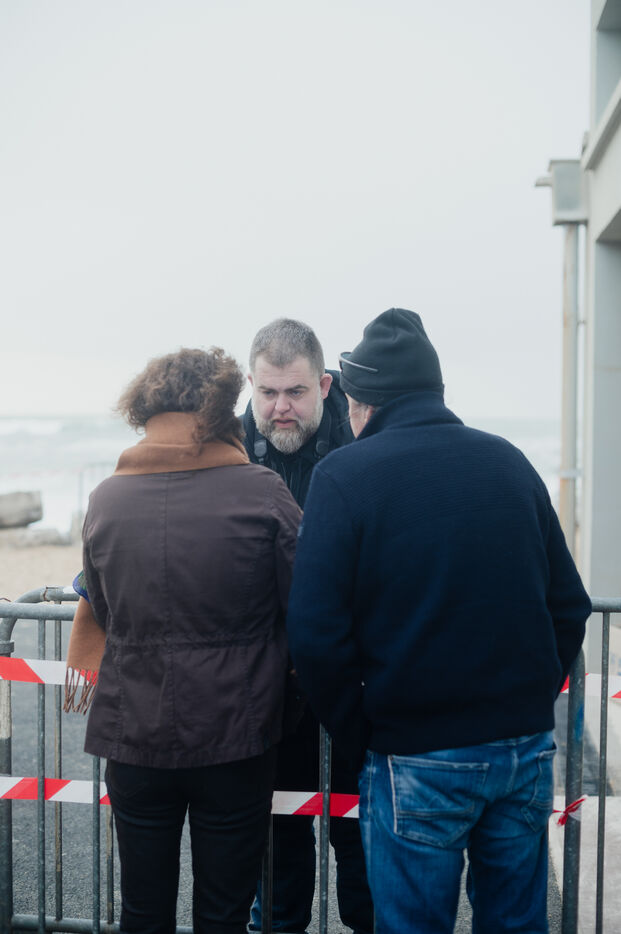
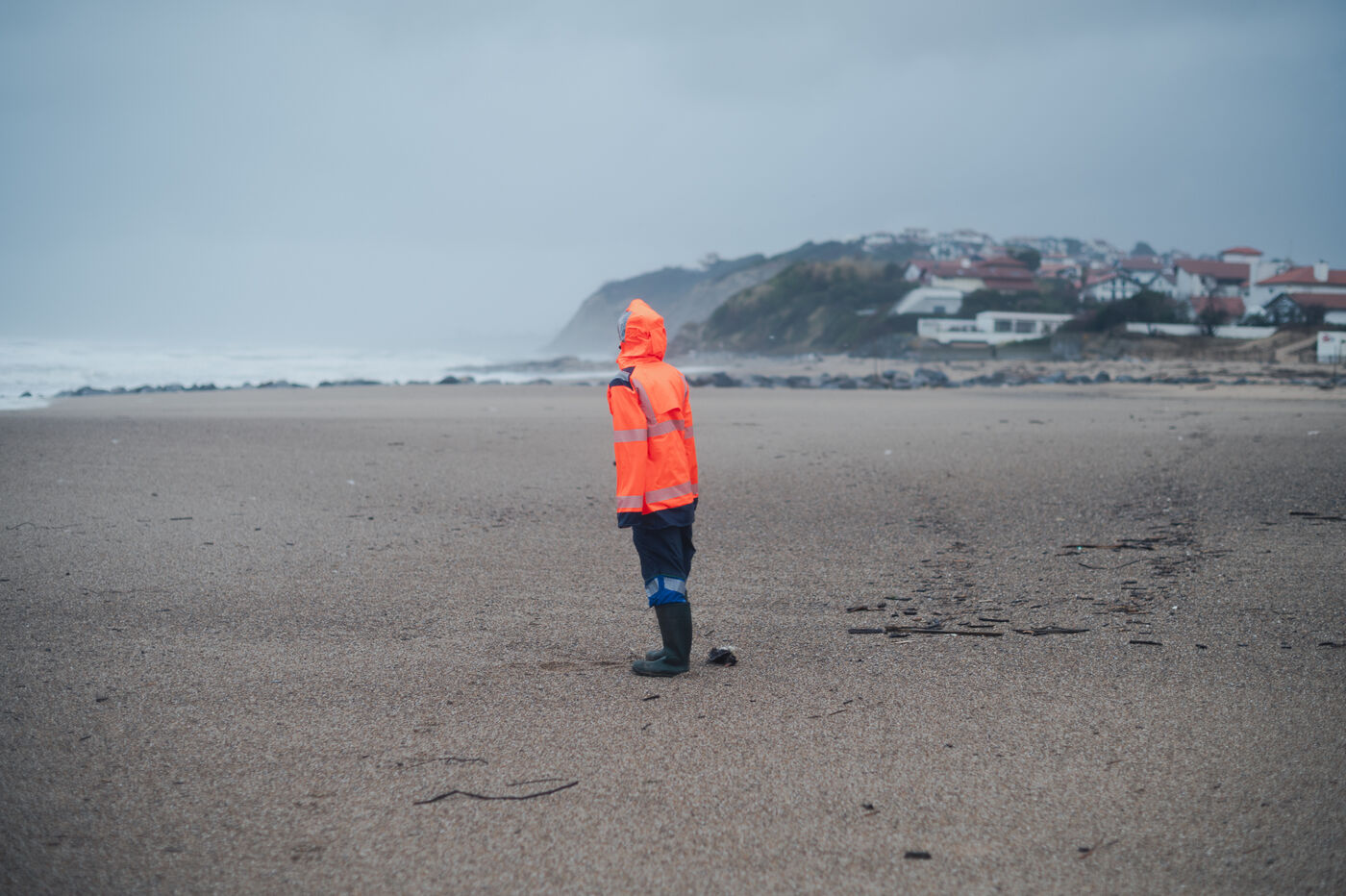
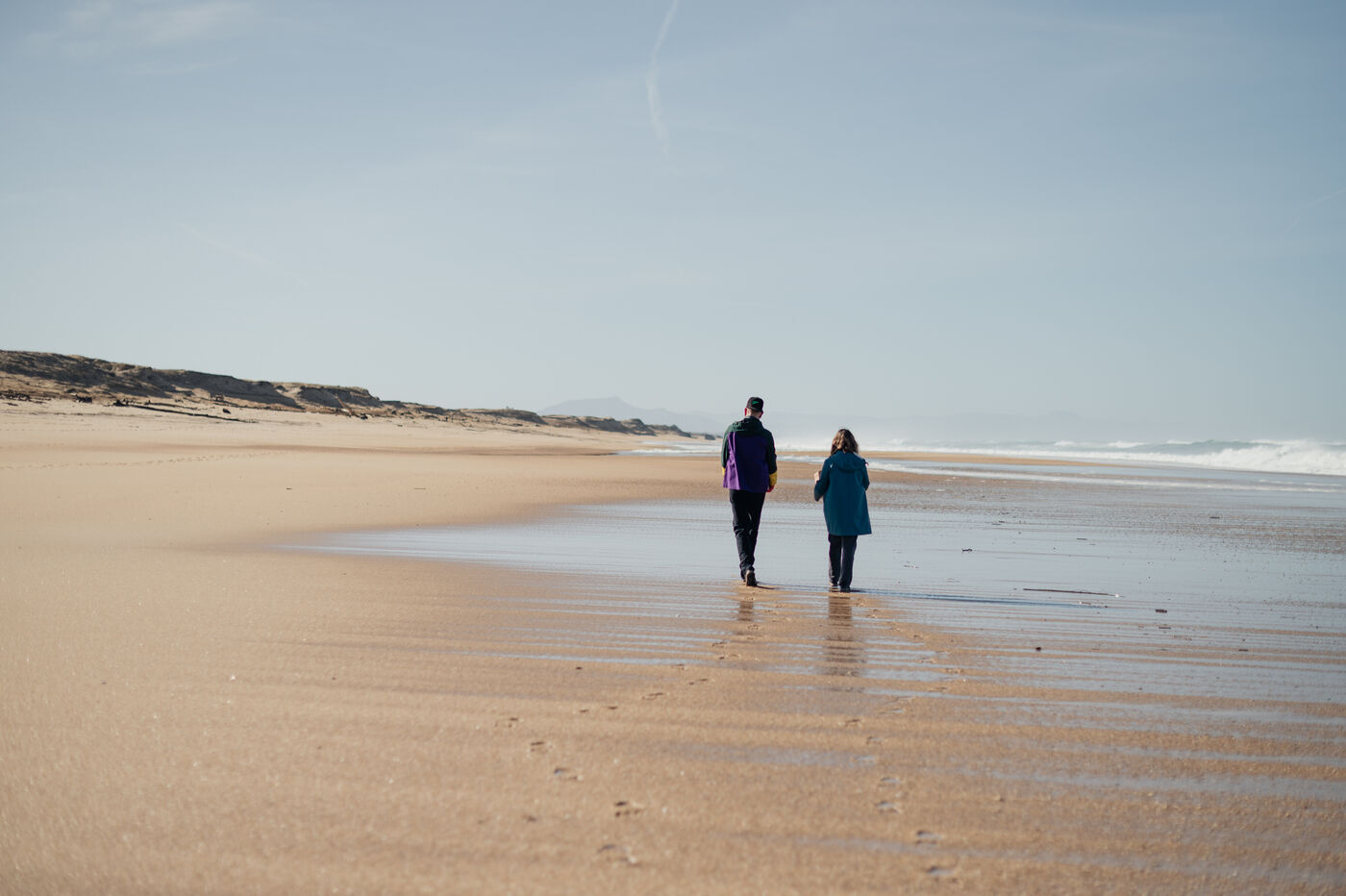
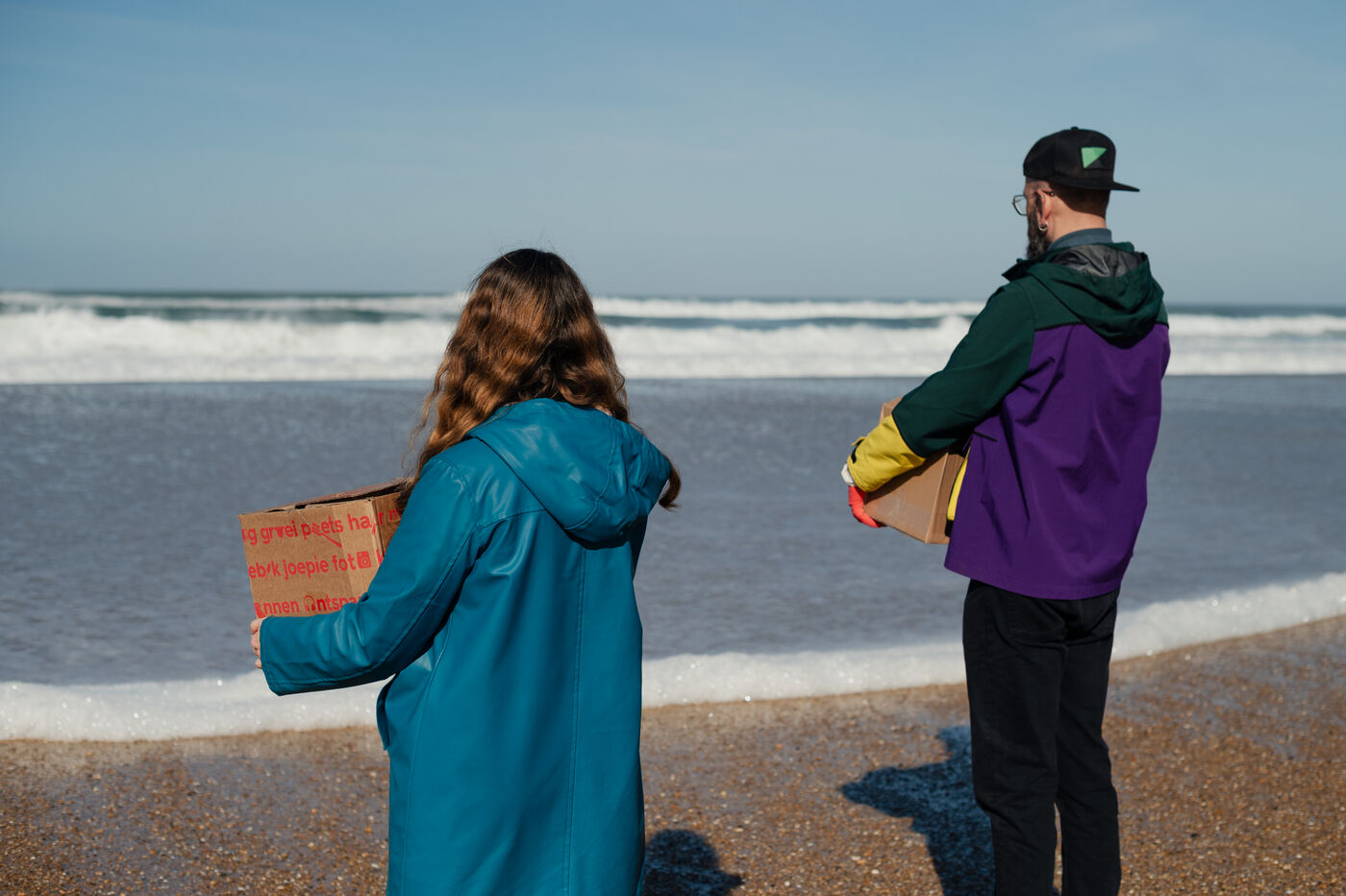
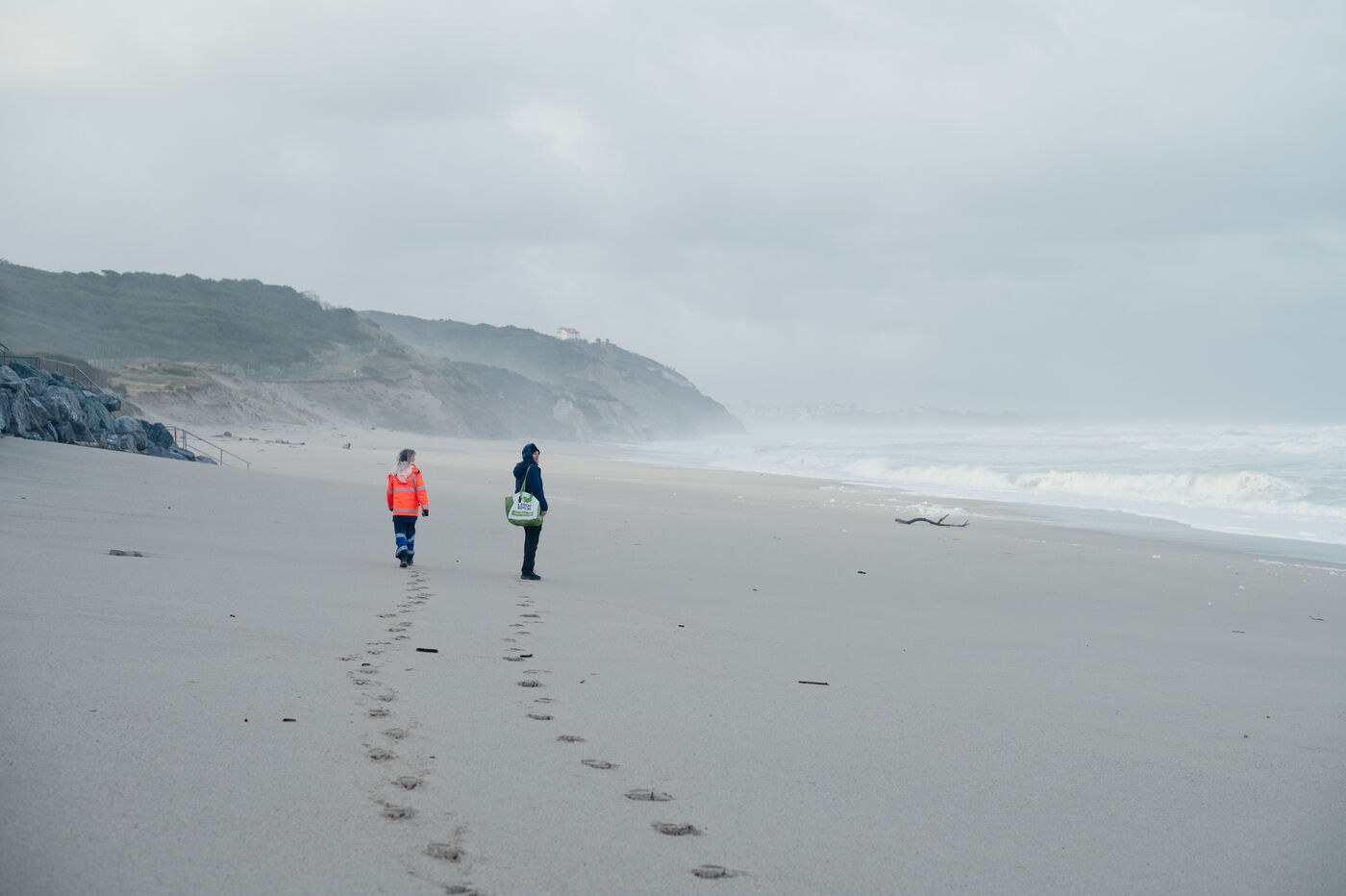
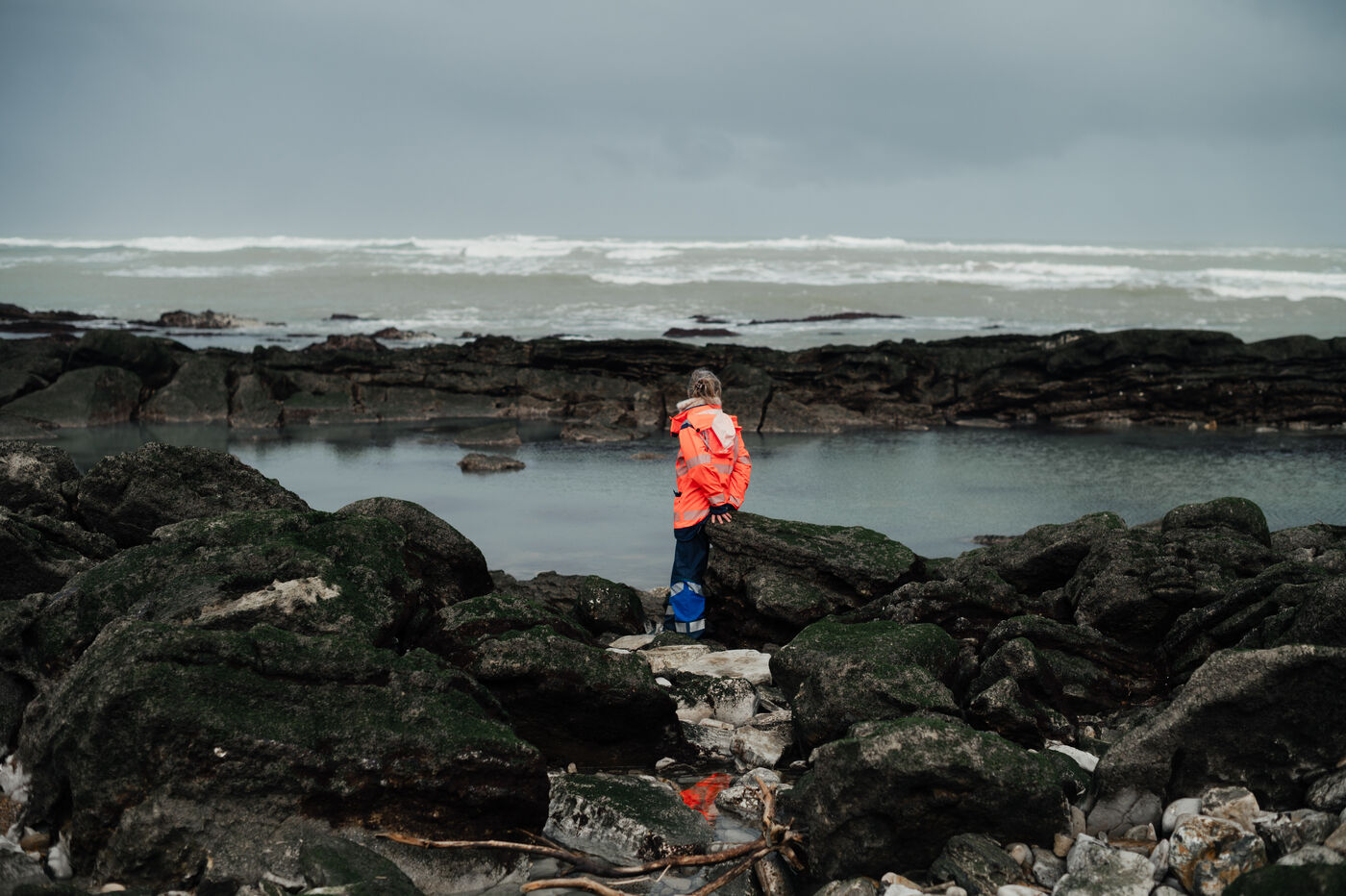
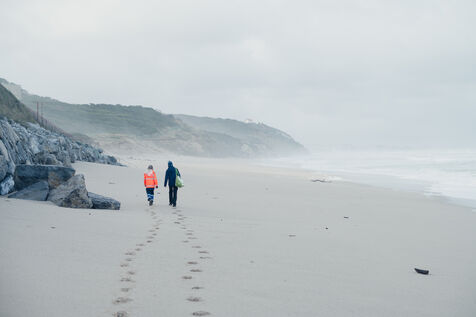
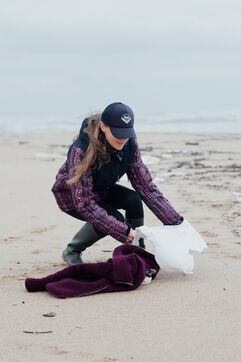
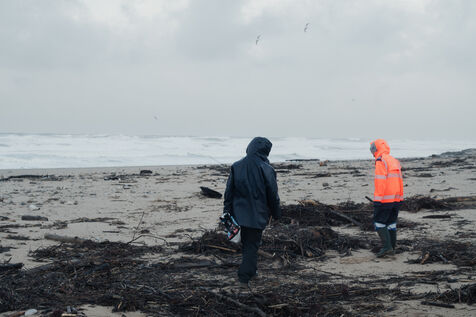
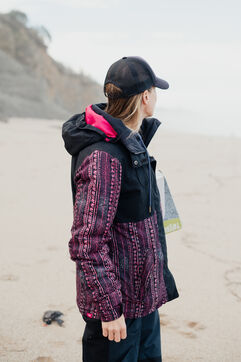
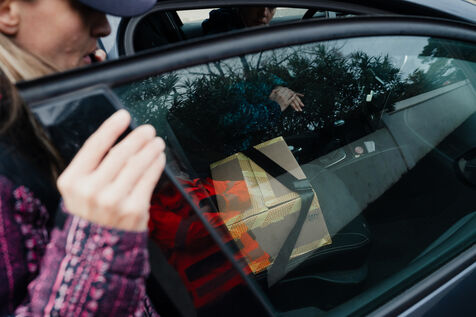
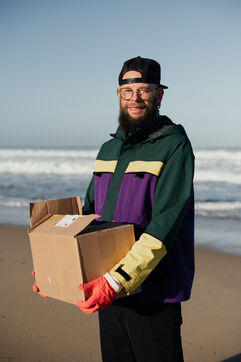
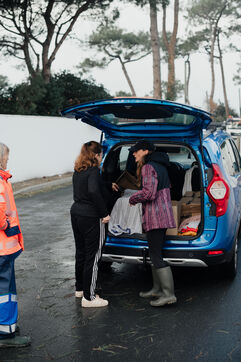
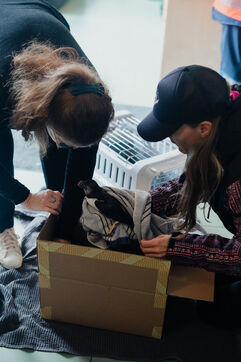
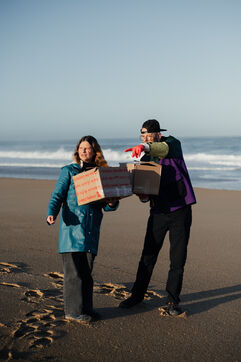
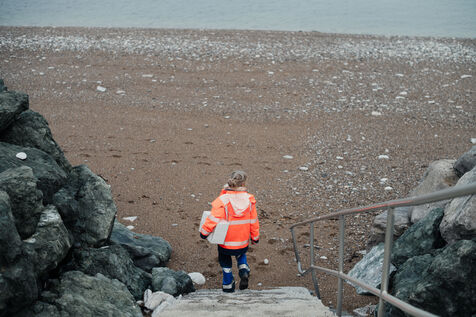
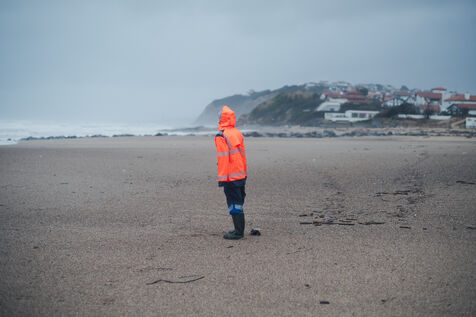
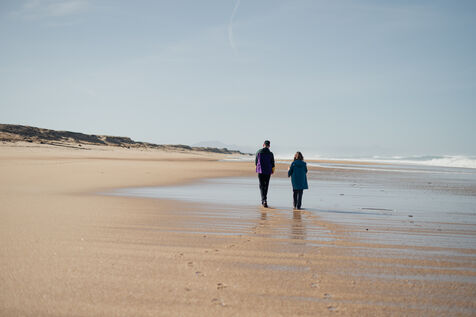
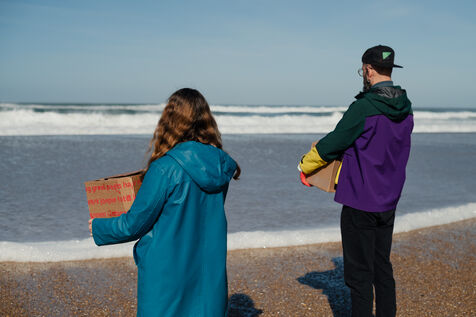
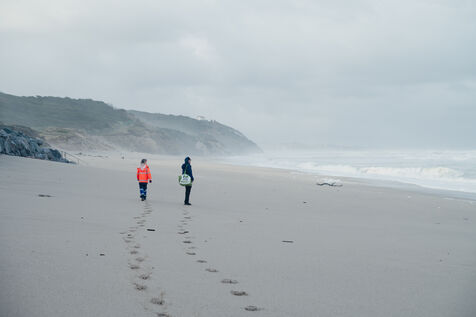
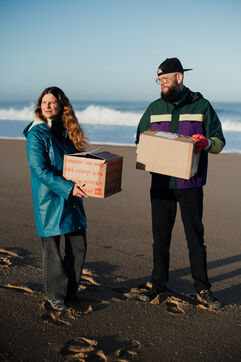
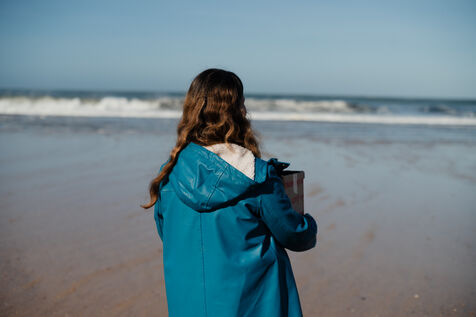
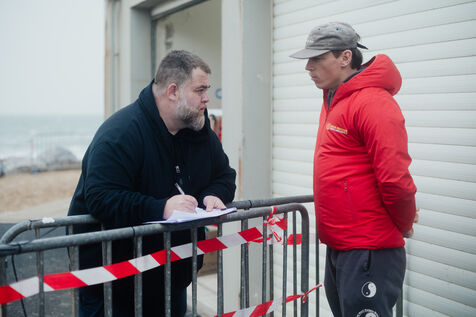
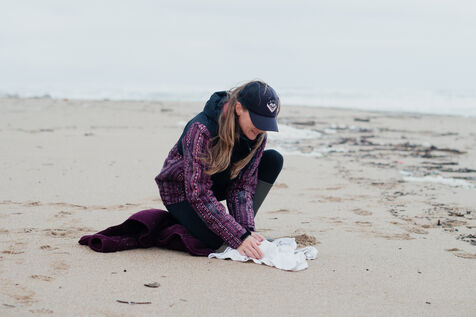
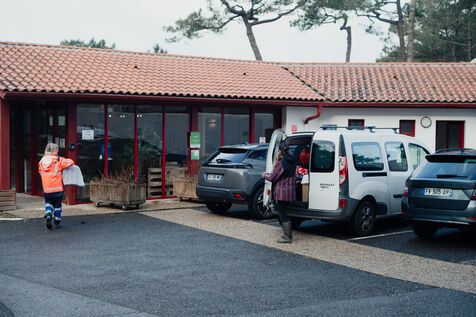
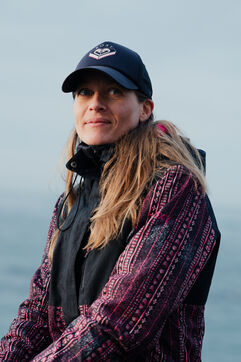
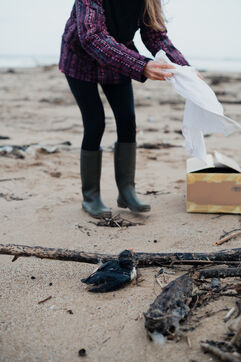
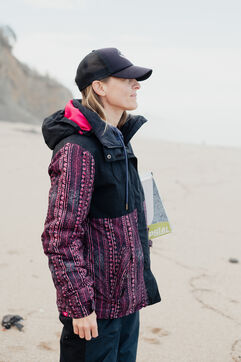
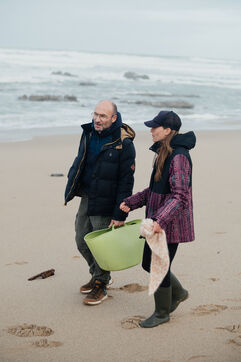
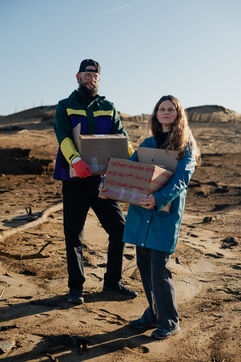
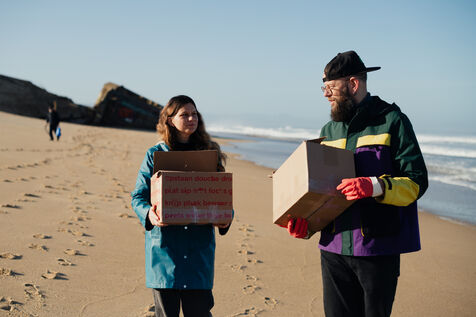
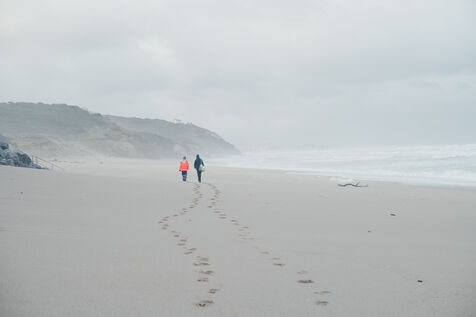
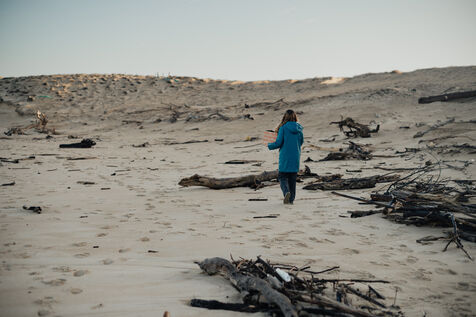
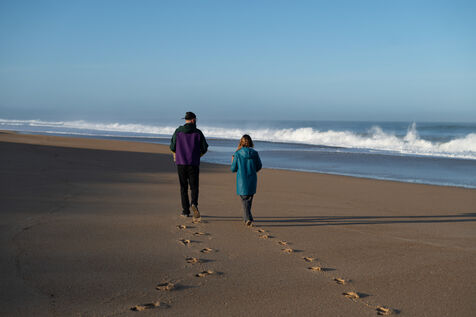
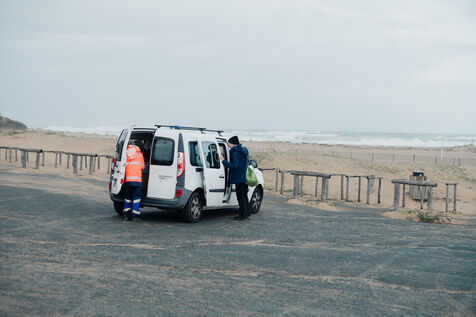
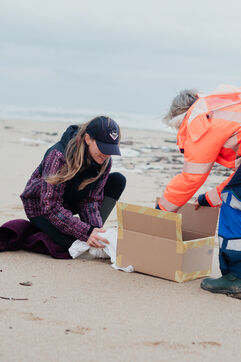
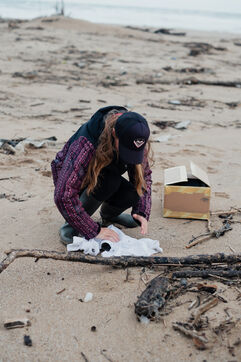
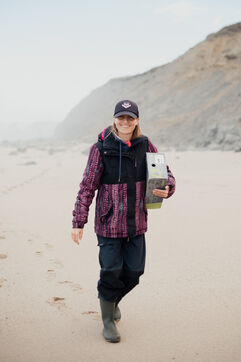
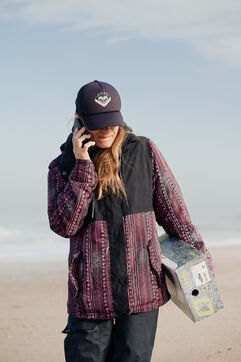
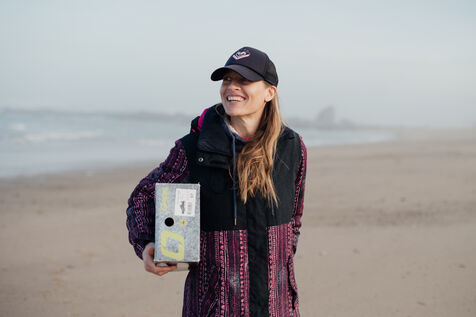
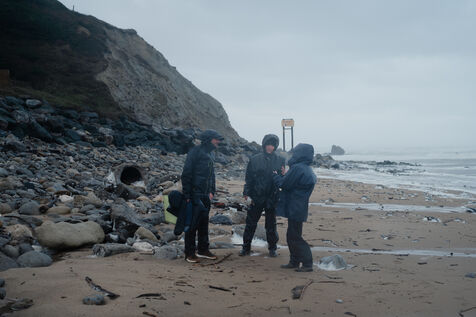
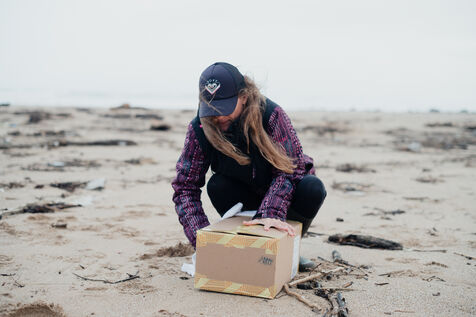
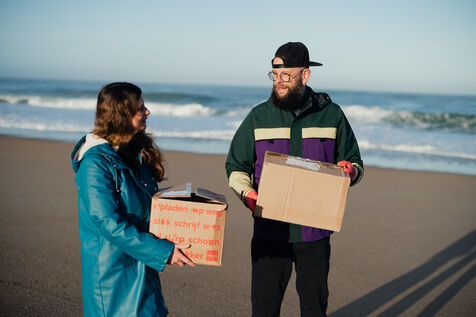
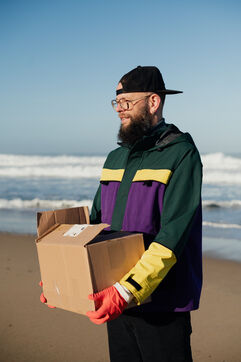
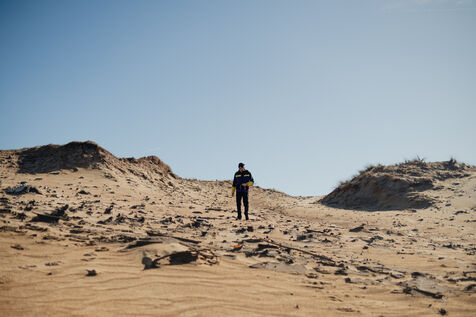
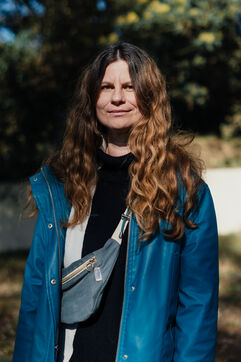
Face à ce désastre, une mobilisation citoyenne exceptionnelle s’est mise en place au Pays Basque et dans les Landes. D’abord timide et peu organisée, le réseau de coordination a évolué, s’est structuré et a grandement aidé les centres de soin de la faune sauvages du Sud Ouest. Chaque jour, de nombreux habitants du littoral se sont rendus sur les plages, un carton sous le bras, pour tenter de sauver des oiseaux en détresse. Gwena Sarrio, depuis toujours très impliquée dans la protection de la biodiversité marine, a commencé à coordonner les habitants du nord du Pays basque via un groupe Whatsapp. Un autre groupe a rassemblé les habitants des Landes, dont Louisa et son frère Nicolas, artistes d’origine allemande installés à Labenne (Landes) et tous deux très impliqués dans la protection de l’environnement.
Rescuing puffins in the Basque Country
Since early February 2026, thousands of Atlantic puffins have been washing up on the French coastline, from Brittany to the Basque Country. This exceptional phenomenon is due to a combination of factors: ocean warming, industrial overfishing, and the recent violent storms Nils and Pedro have led to a scarcity of fish and have put puffins in difficulty, especially the youngest (less experienced) ones, which end up washing up on our beaches. The survivors are severely anemic and hypothermic. Most have lost between 40% and 60% of their weight.
Faced with this disaster, an exceptional citizen mobilization has taken place in the Basque Country and the Landes region. Initially timid and poorly organized, the coordination network has evolved, become more structured, and greatly assisted wildlife care centers in the southwest. Every day, many coastal residents have gone to the beaches, cardboard boxes under their arms, to try to save birds in distress. Gwena Sarrio, who has always been deeply involved in protecting marine biodiversity, began coordinating residents in the northern Basque Country via a WhatsApp group. Another group brought together residents of the Landes region, including Louisa and her brother Nicolas, artists of German origin living in Labenne (Landes) who are both deeply committed to protecting the environment.