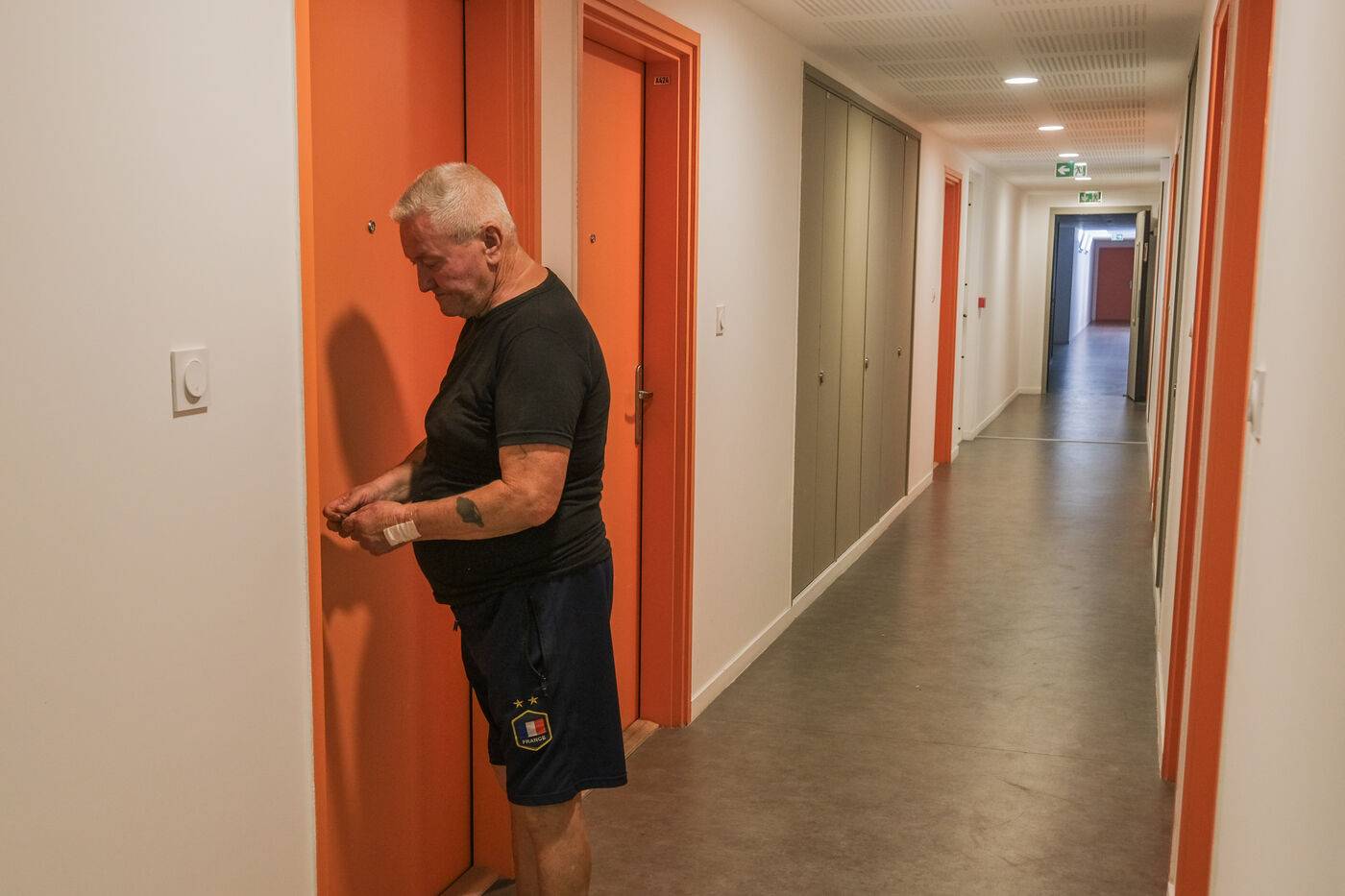
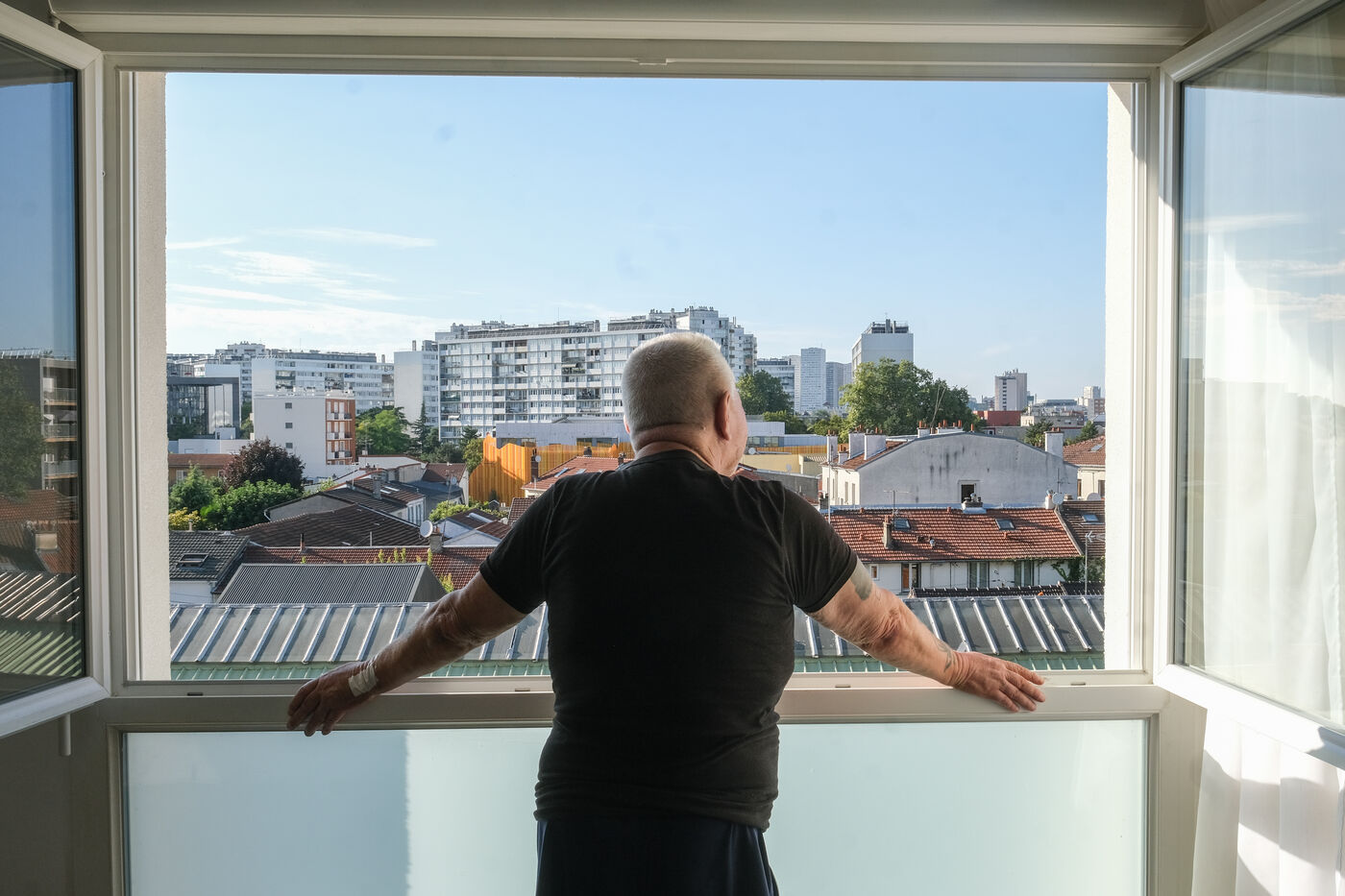
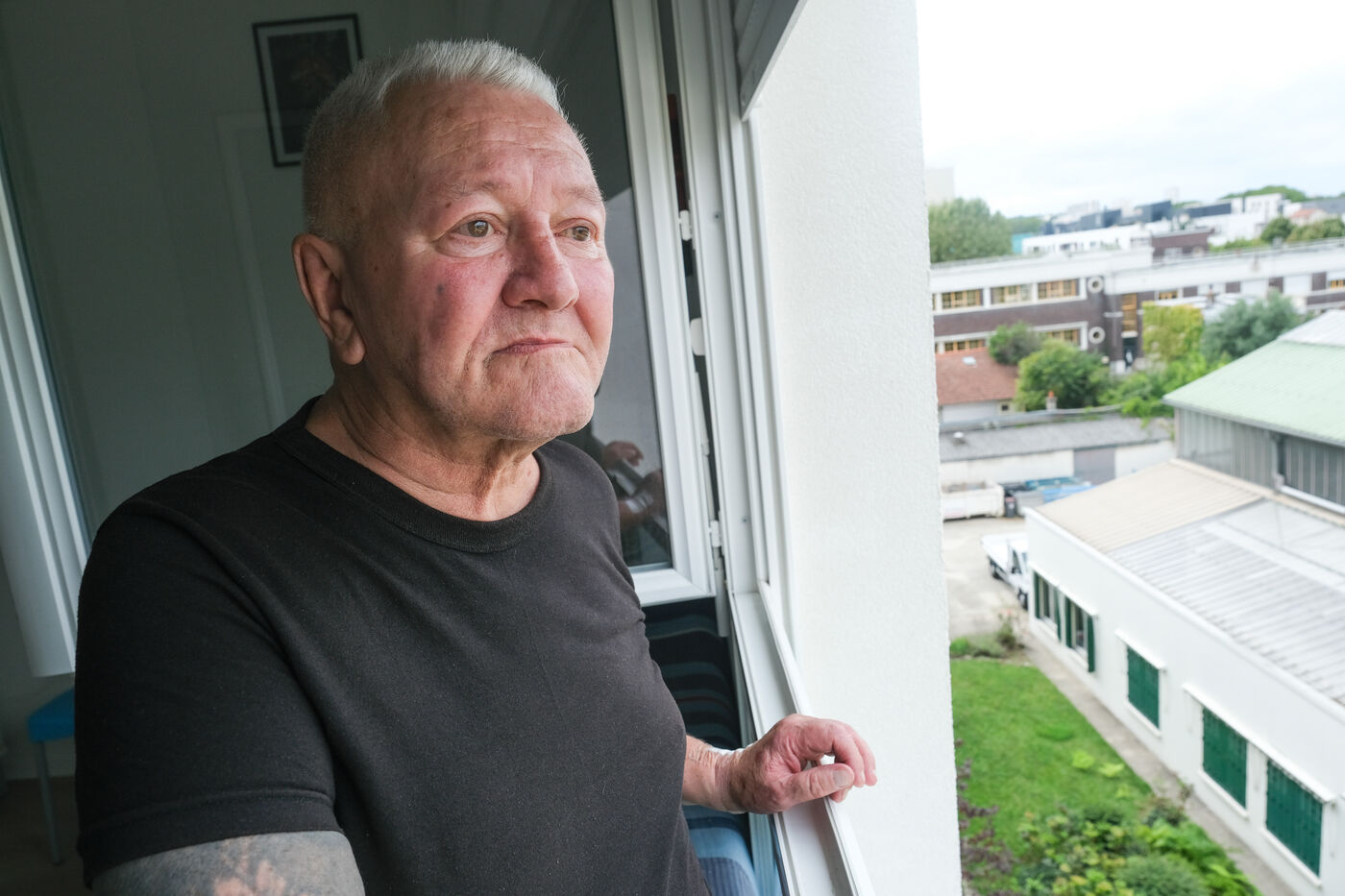
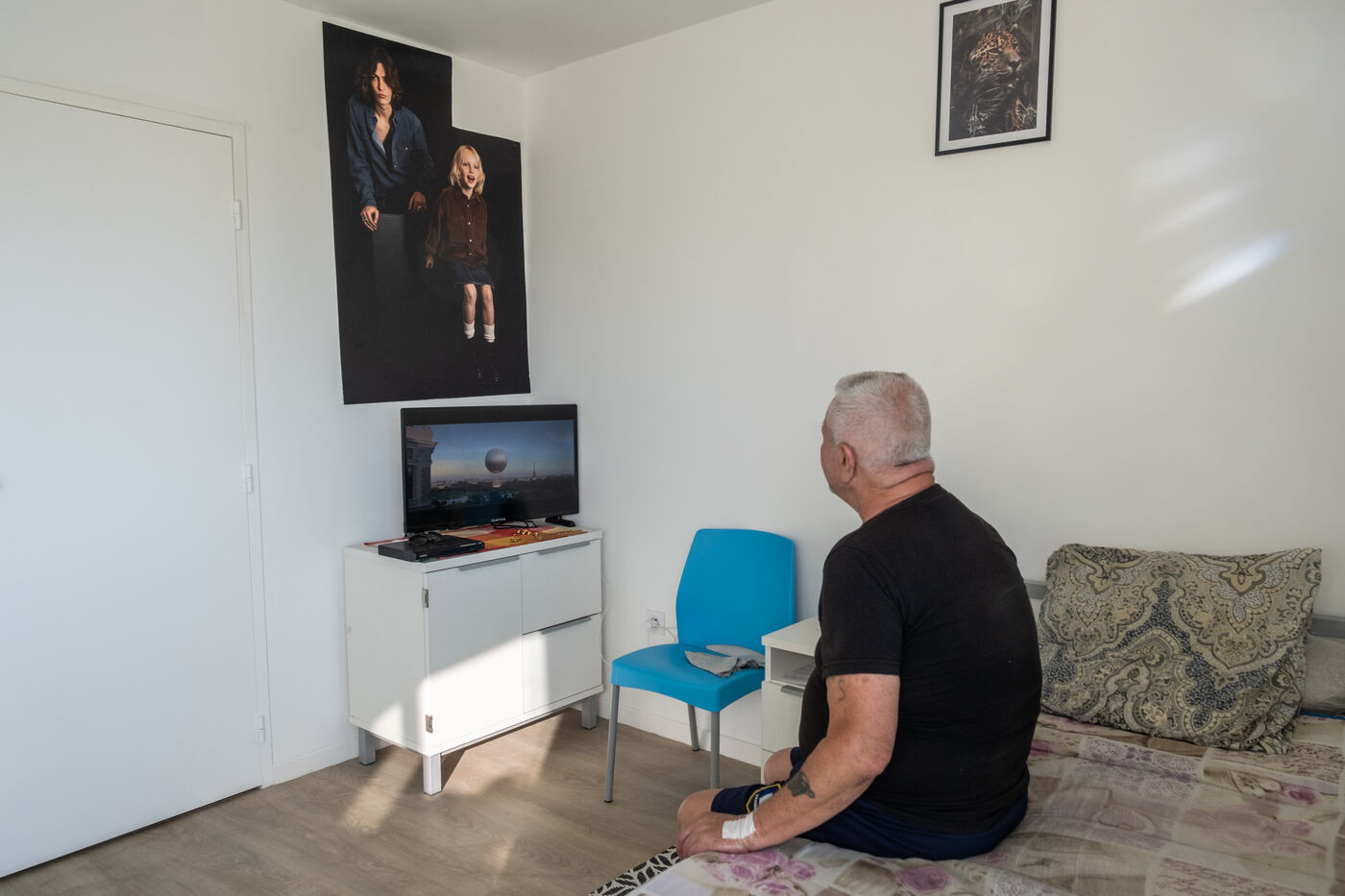
Residences sociales: du gourbi a la dignite
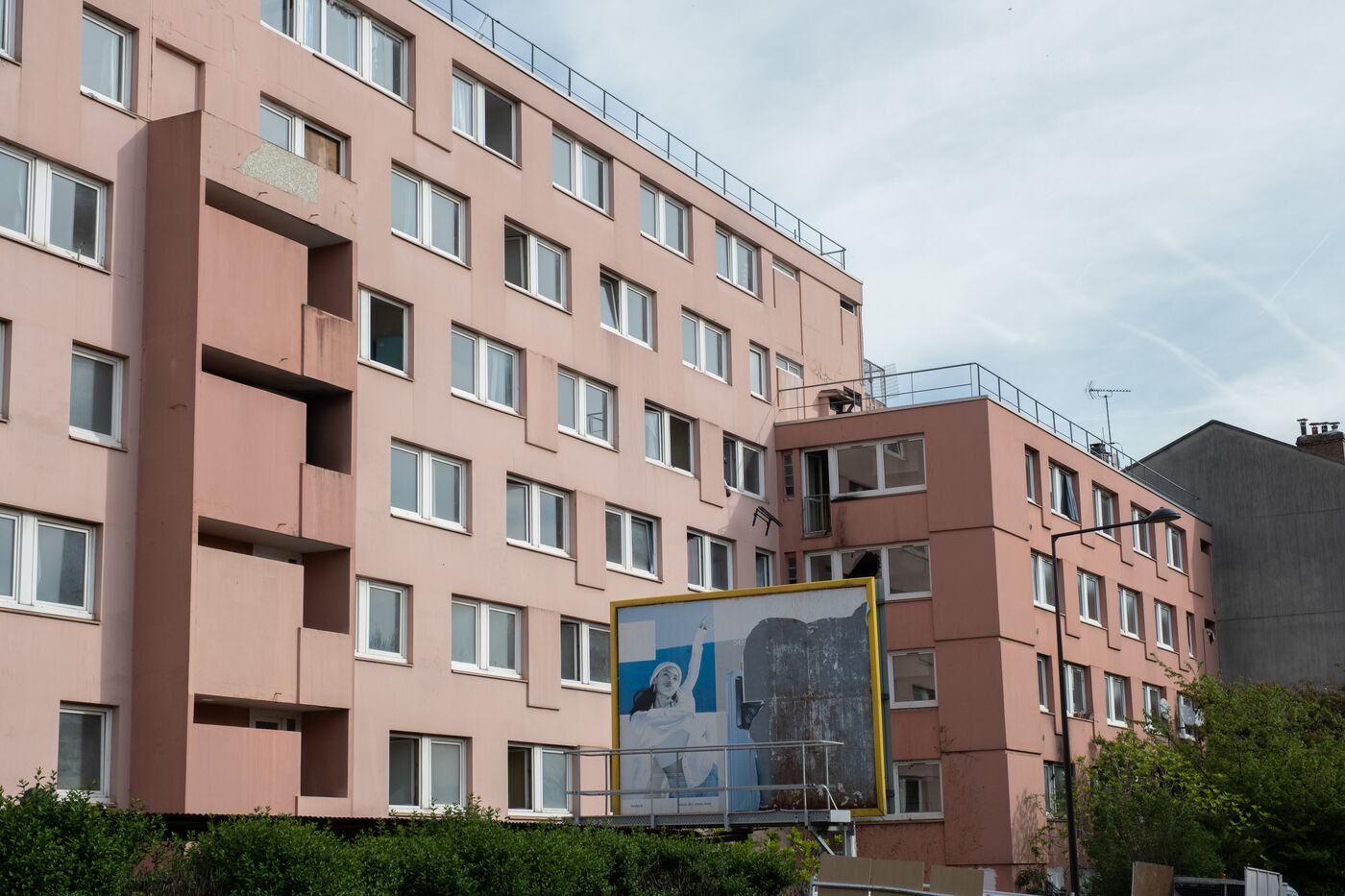
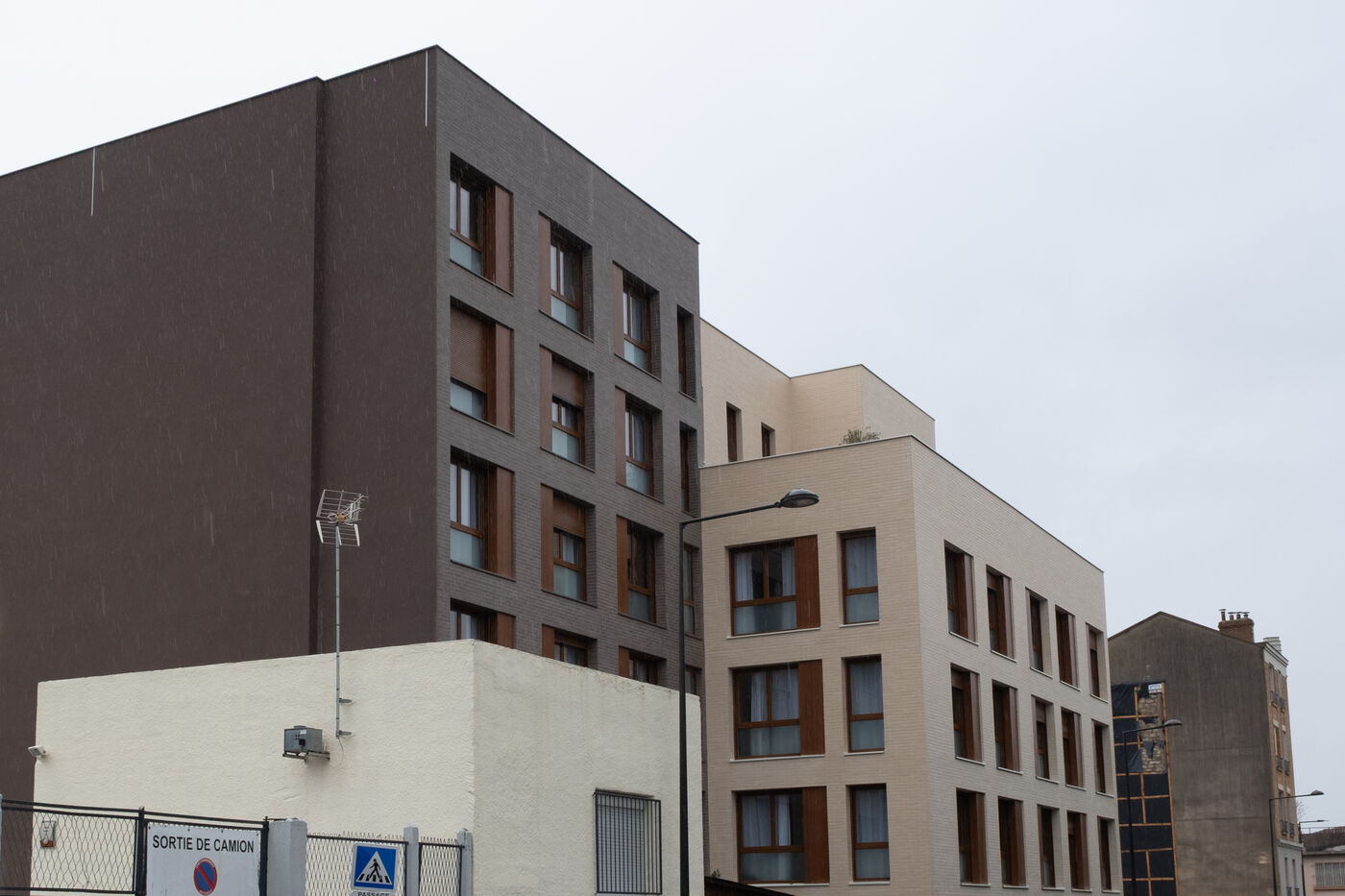
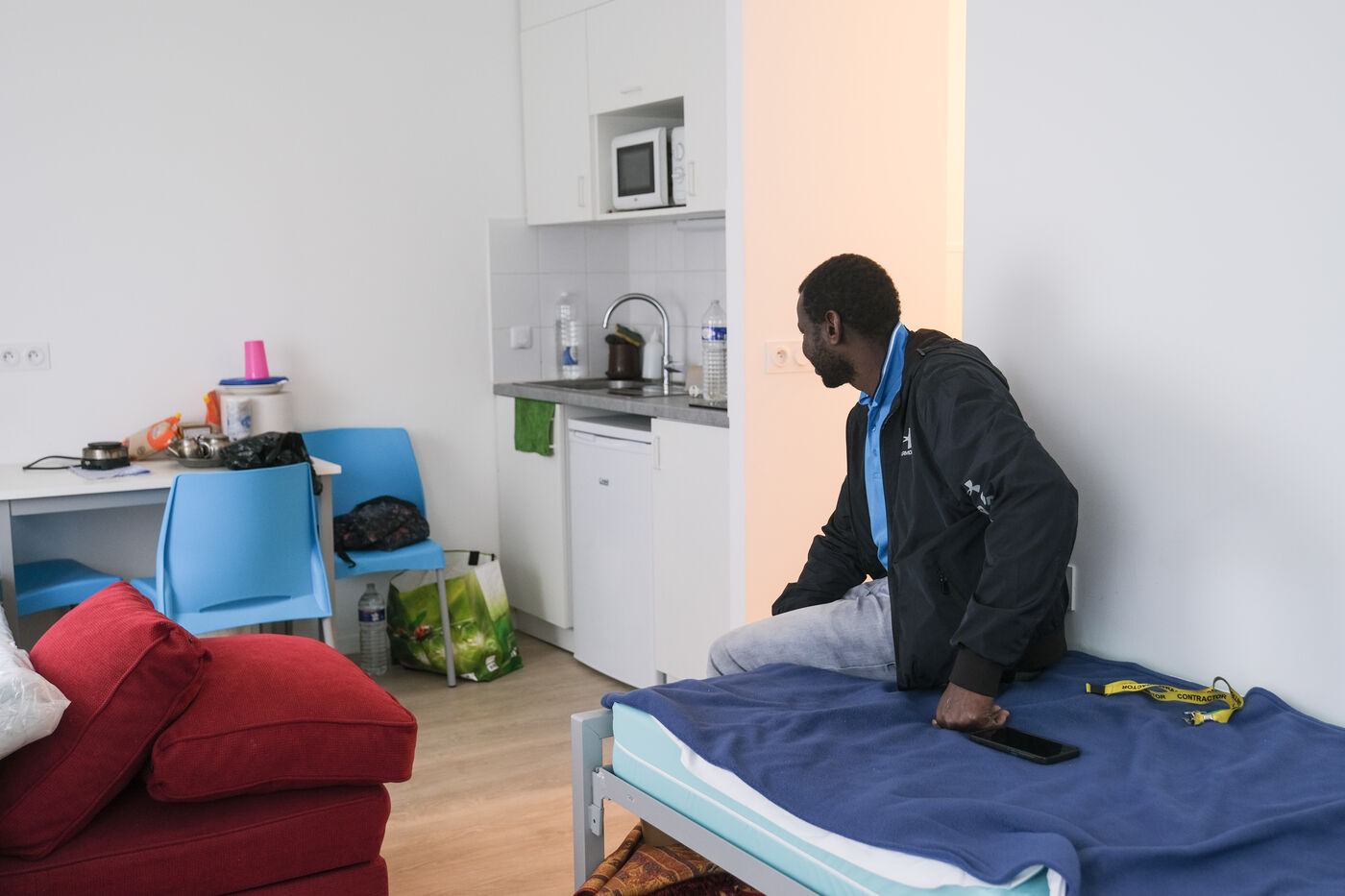
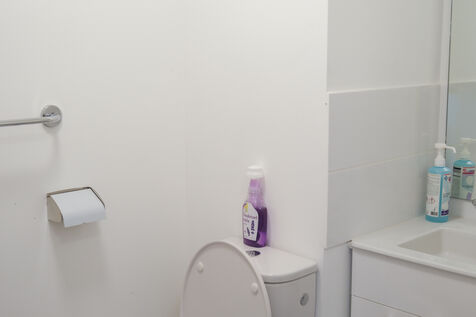
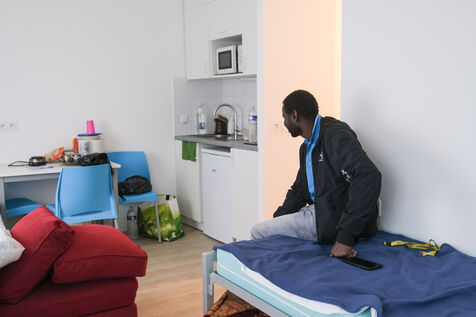
La transformation des foyers de travailleurs migrants en residences sociales accueillant une population precaire et equipes de studios, cuisine et sanitaire privatifs, a commence au debut des annees 2000. Pour marquer ce tournant, la Sonacotra, societe gerante des foyers, est renommee Adoma (du latin “ad domus” : “a la maison”) en 2007.
Aujourd’hui, plus d une soixantaine de foyers en Ile-de-France restent non-rehabilites. Cette transformation lente et partielle fait face a plusieurs defis :
- difficulte de reloger tous les residents d un foyer, retardant la destruction des anciens foyers.
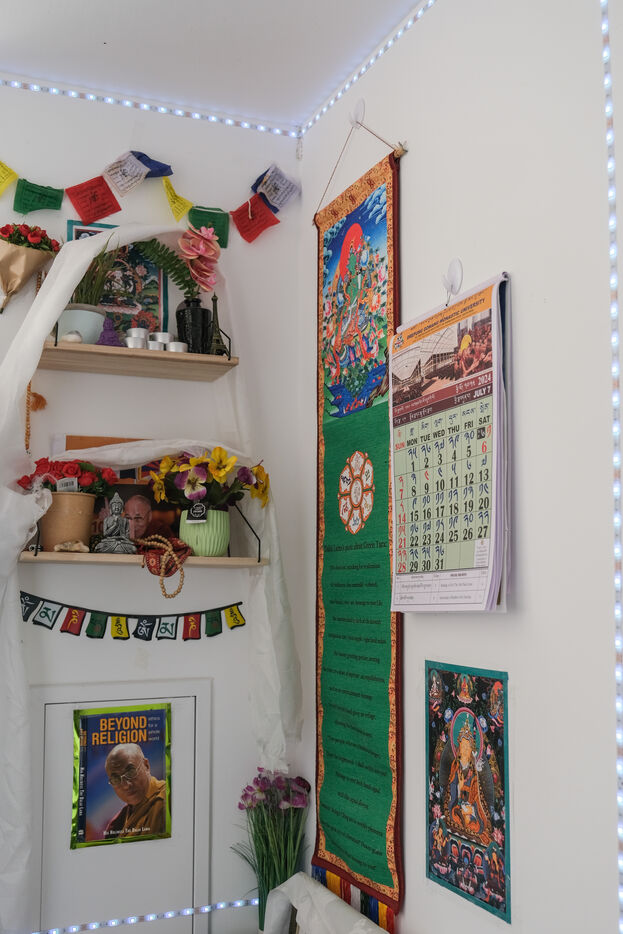
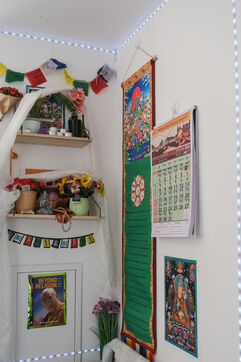
- reclamation des residents pour garder les salles communes dont certains foyers etaient dotes (cantine collective, salle de priere).
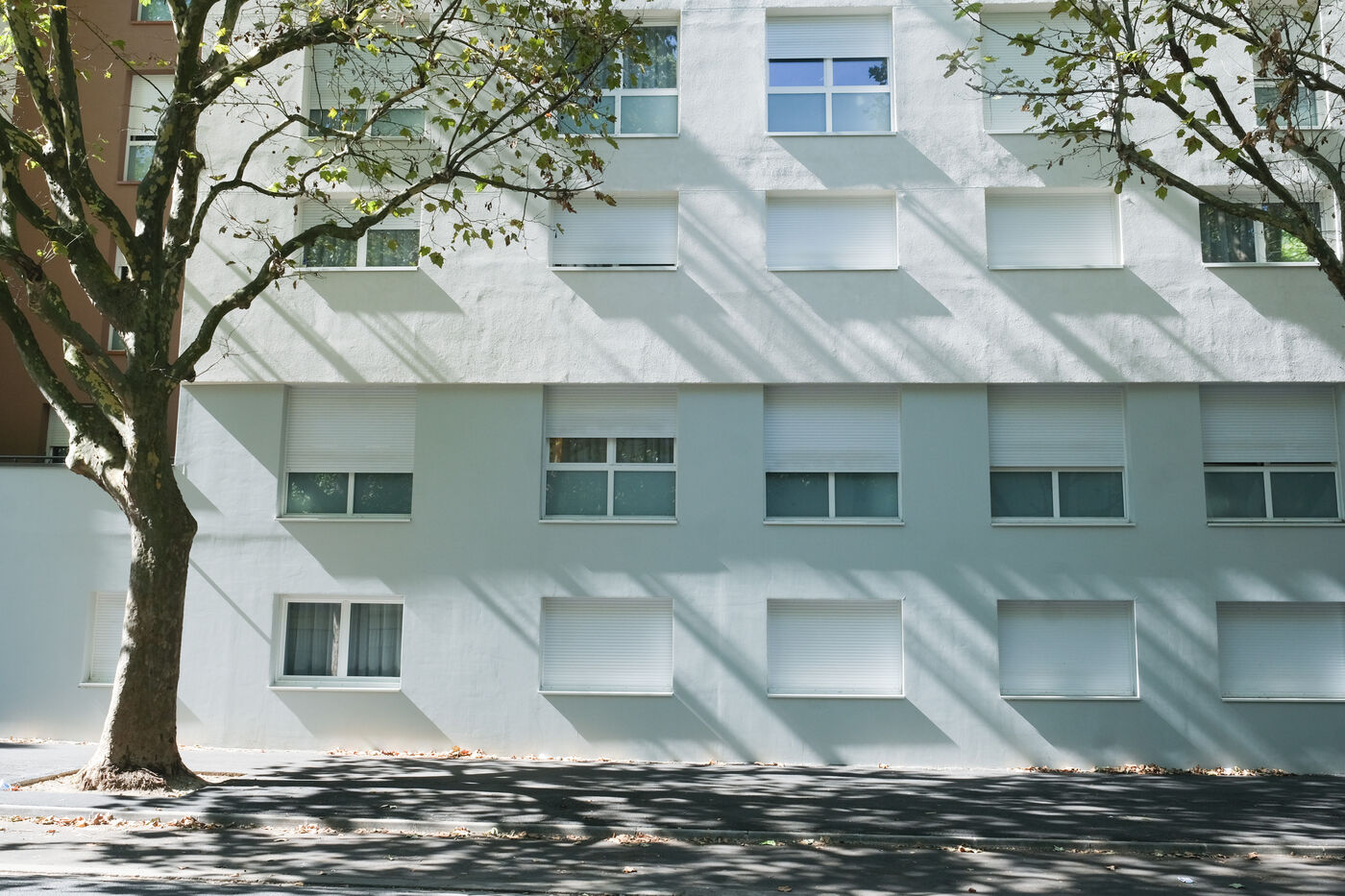
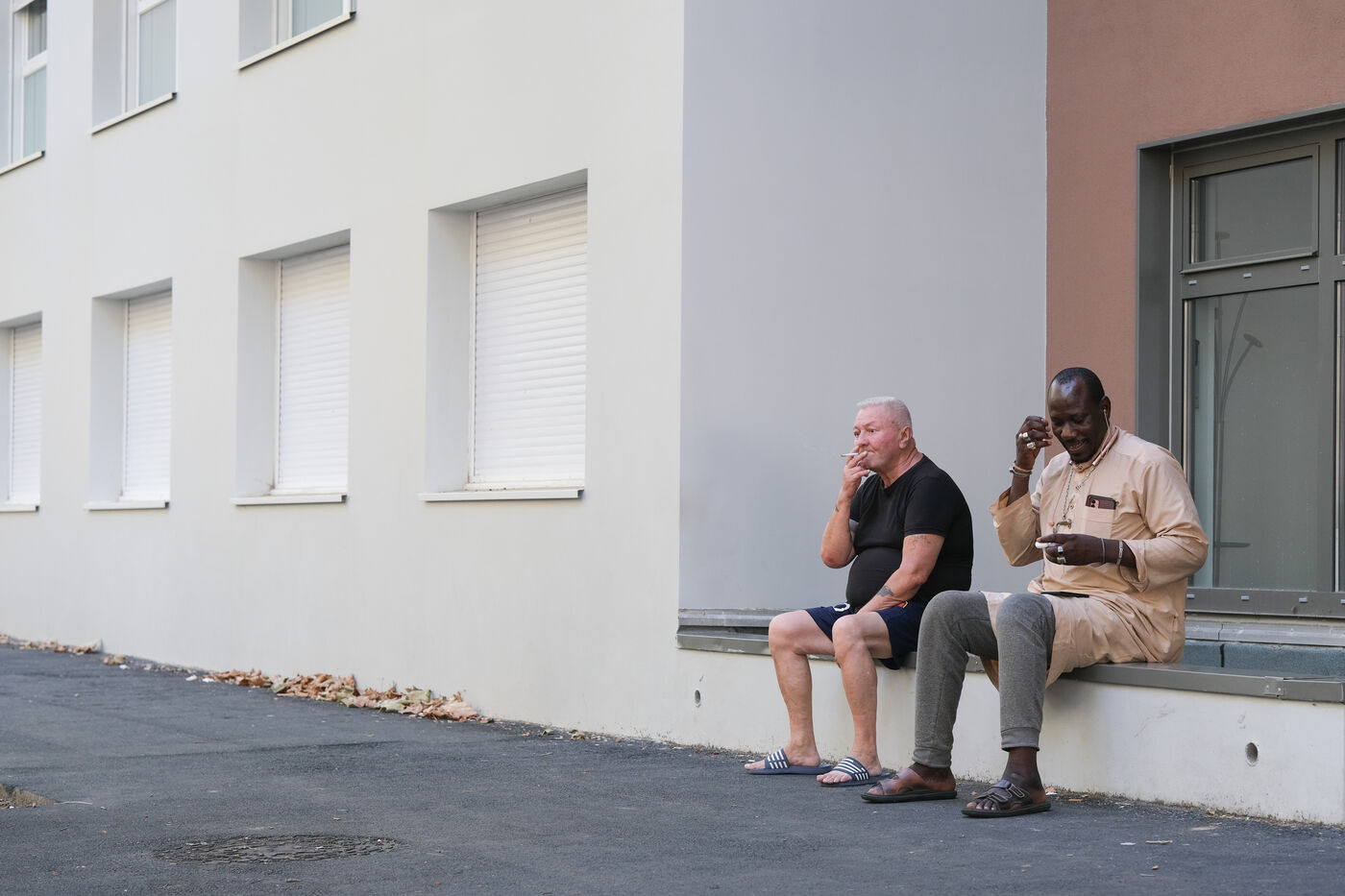
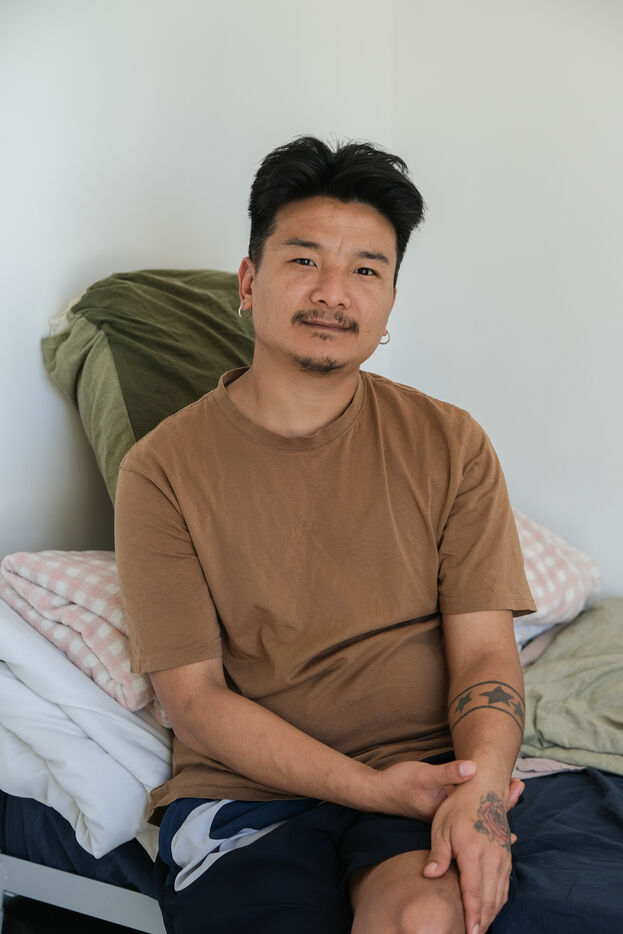
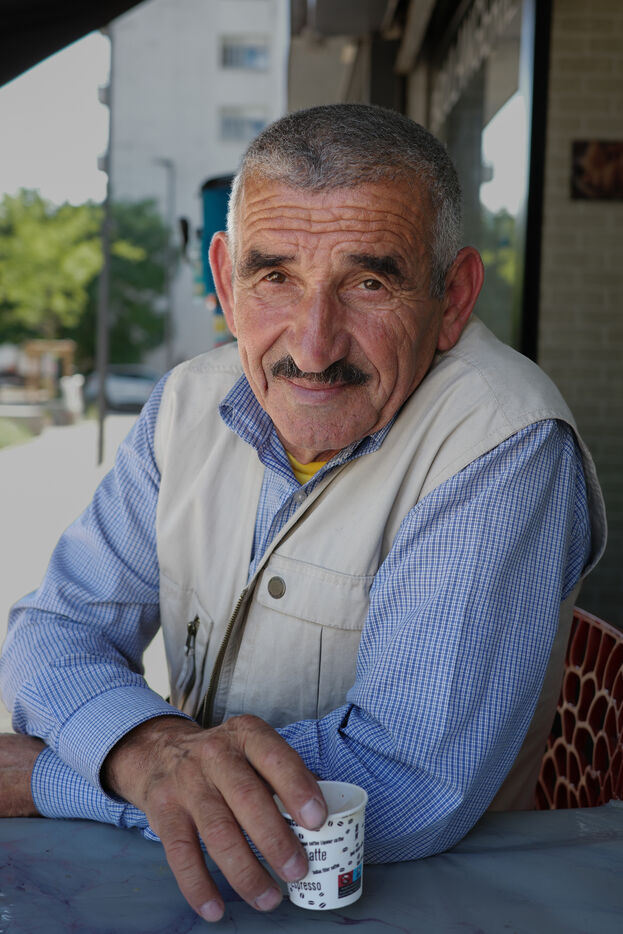
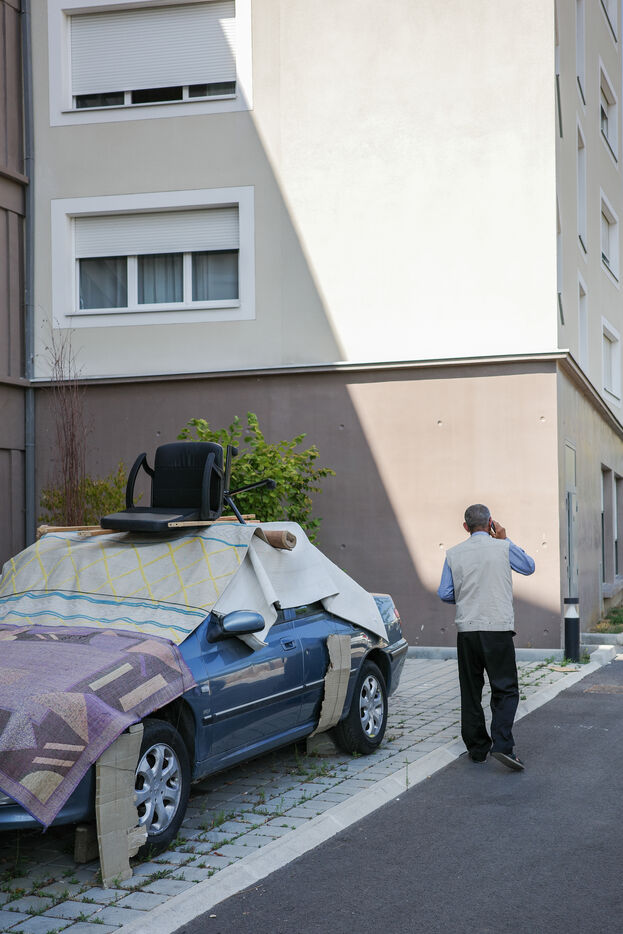
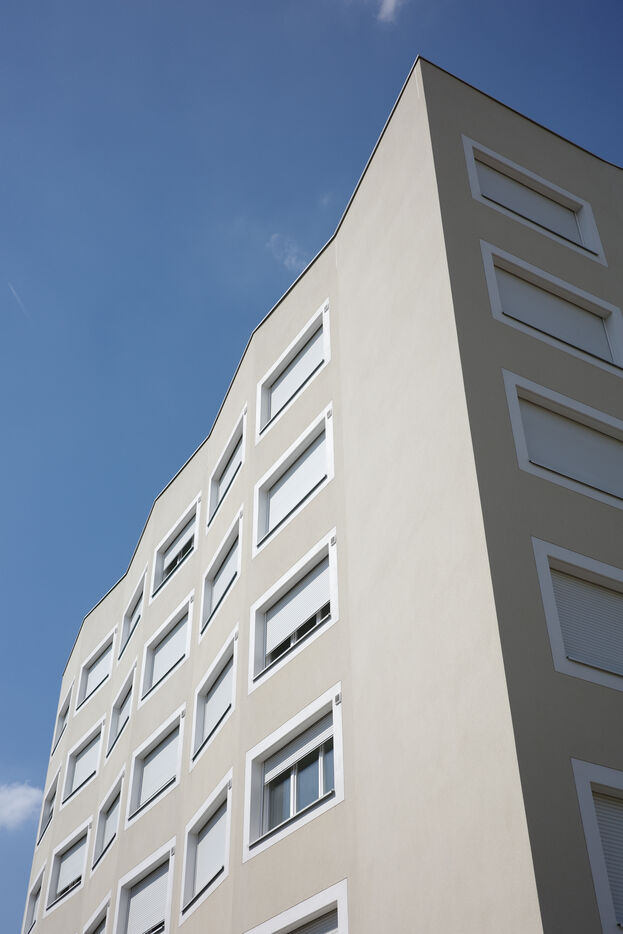
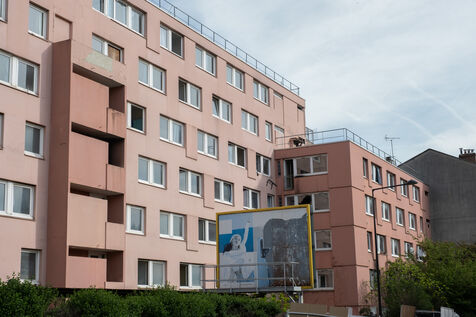
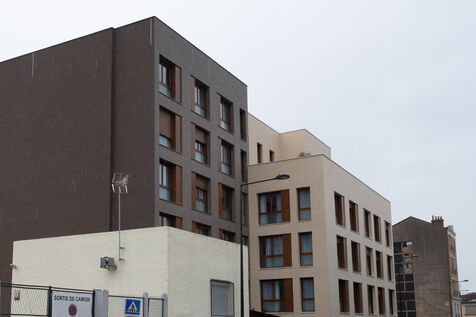
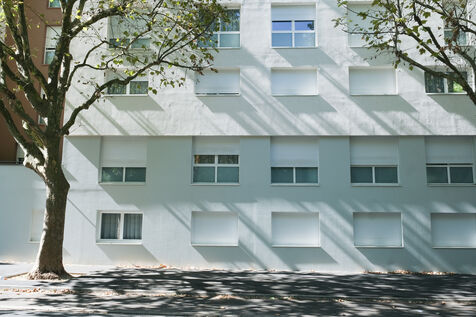
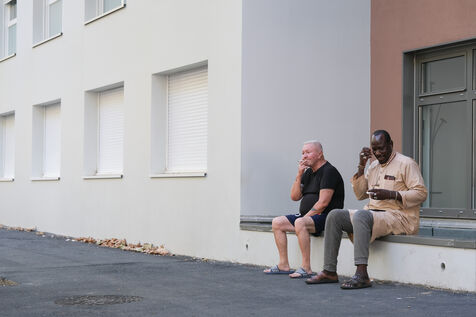
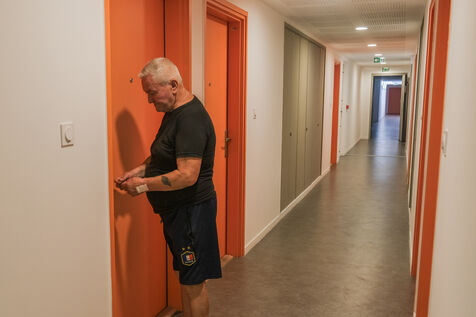
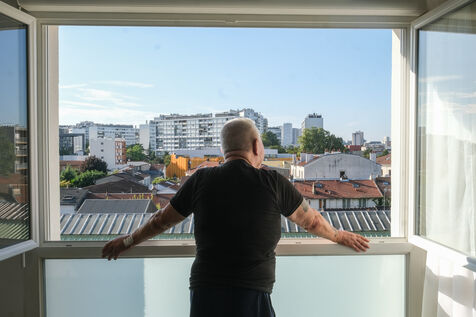
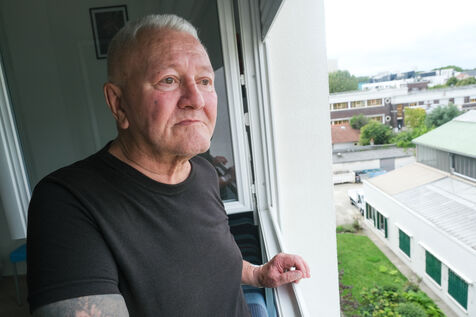
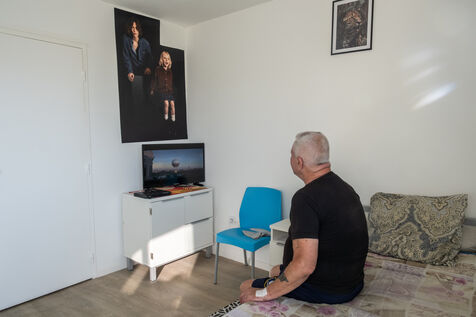
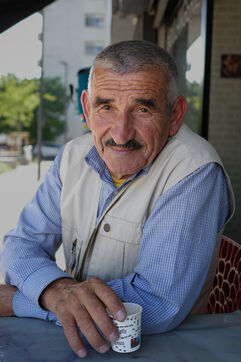
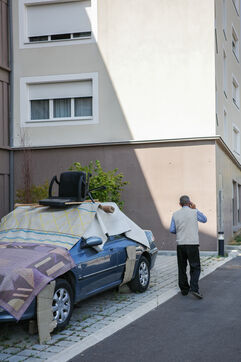
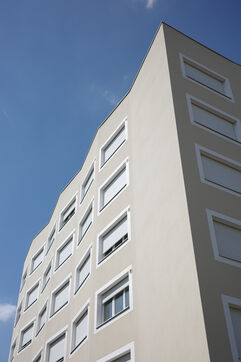
J ai visité 2 de ces residences sociales en aout 2024 et aout 2026 : La residence Miriam Makeba a Ivry-sur-Seine et la residence Republique a Bobigny.
Social Housing: From Shacks to Dignity
The transformation of migrant workers’ dormitories into social housing units providing housing for people in precarious circumstances, equipped with private studios, kitchens, and bathrooms began in the early 2000s. To mark this turning point, Sonacotra, the company managing the dormitories, was renamed Adoma (from the Latin “ad domus”: “at home”) in 2007.
Today, more than sixty hostels in the Île-de-France region remain unrenovated. This slow and partial transformation faces several challenges:
- Difficulty in relocating all residents of a hostel, delaying the demolition of the old hostels.
- Residents’ requests to retain the common areas that some housing facilities had (such as a communal dining hall and a prayer room).
I visited two of these social housing facilities in August 2024 and August 2026: the Miriam Makeba residence in Ivry-sur-Seine and the République residence in Bobigny.