7 metres carres
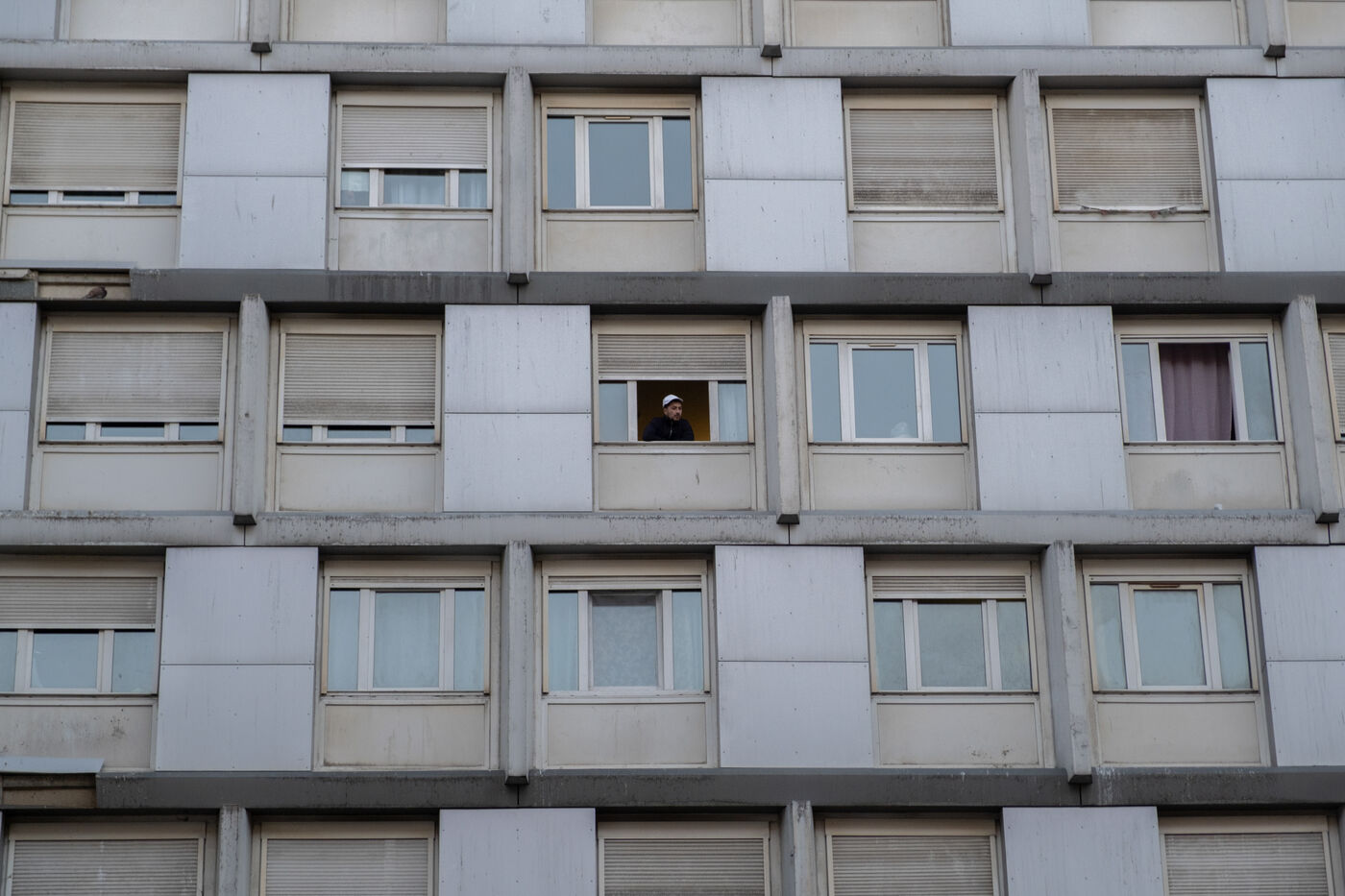
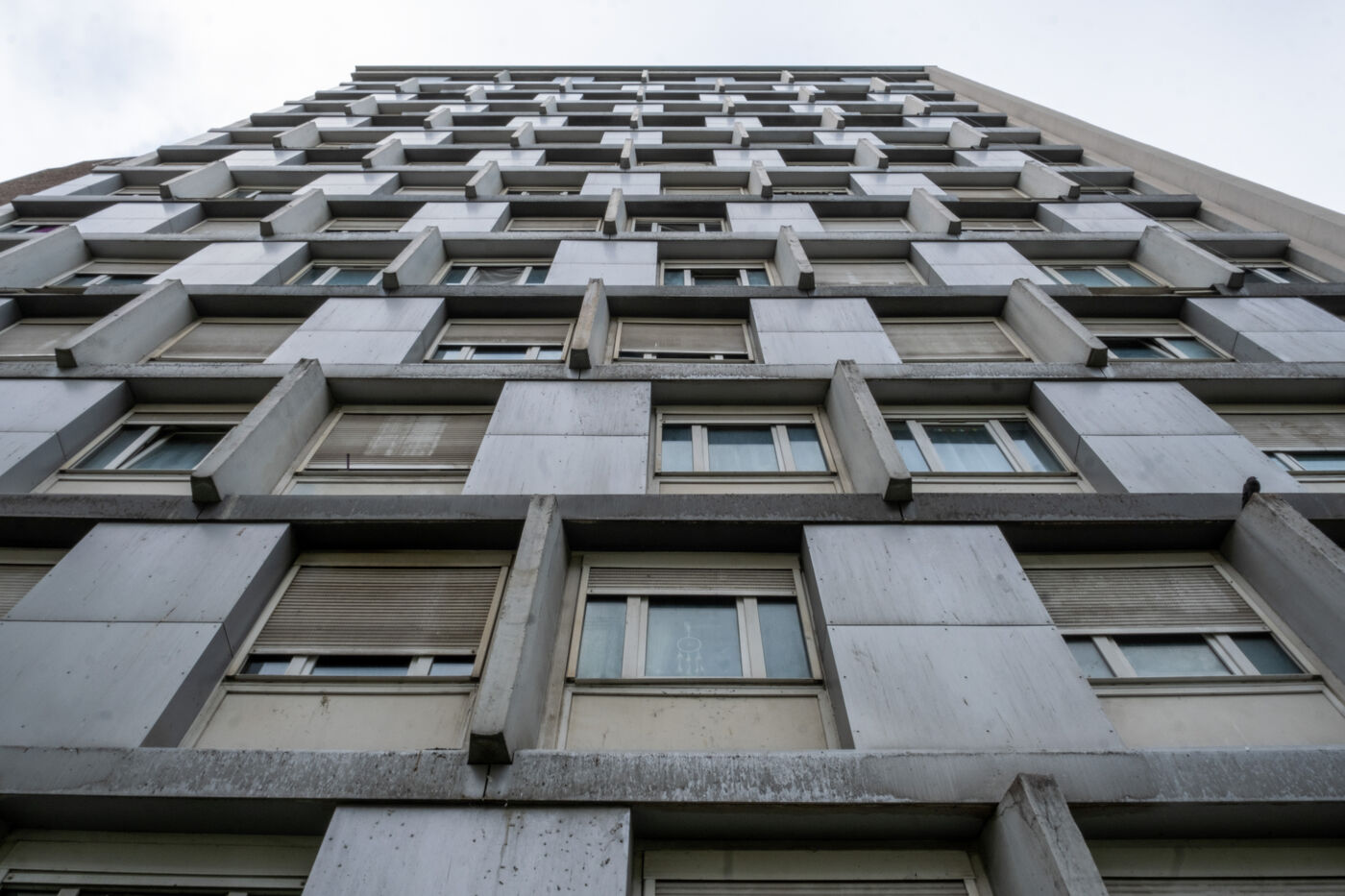
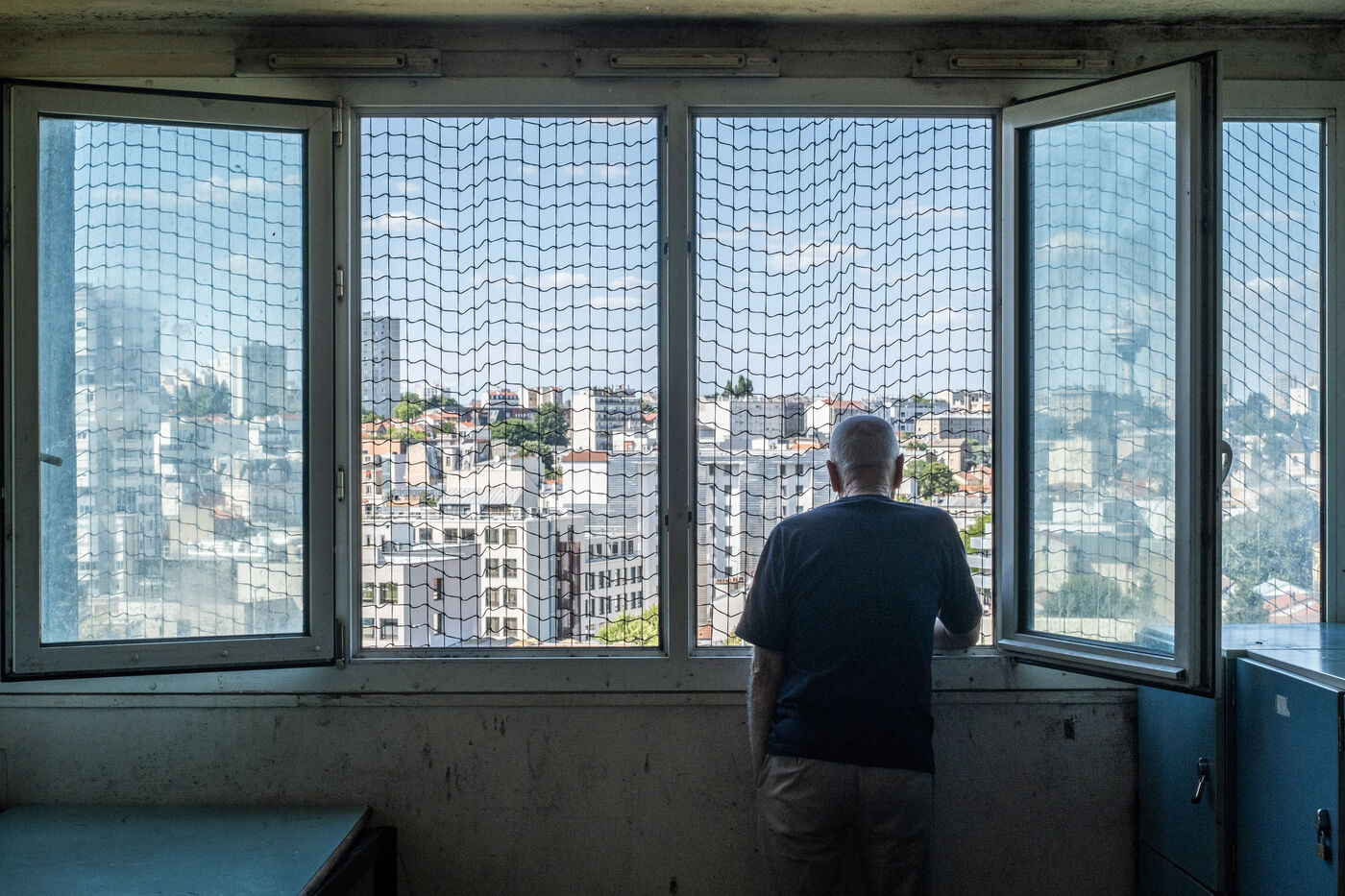
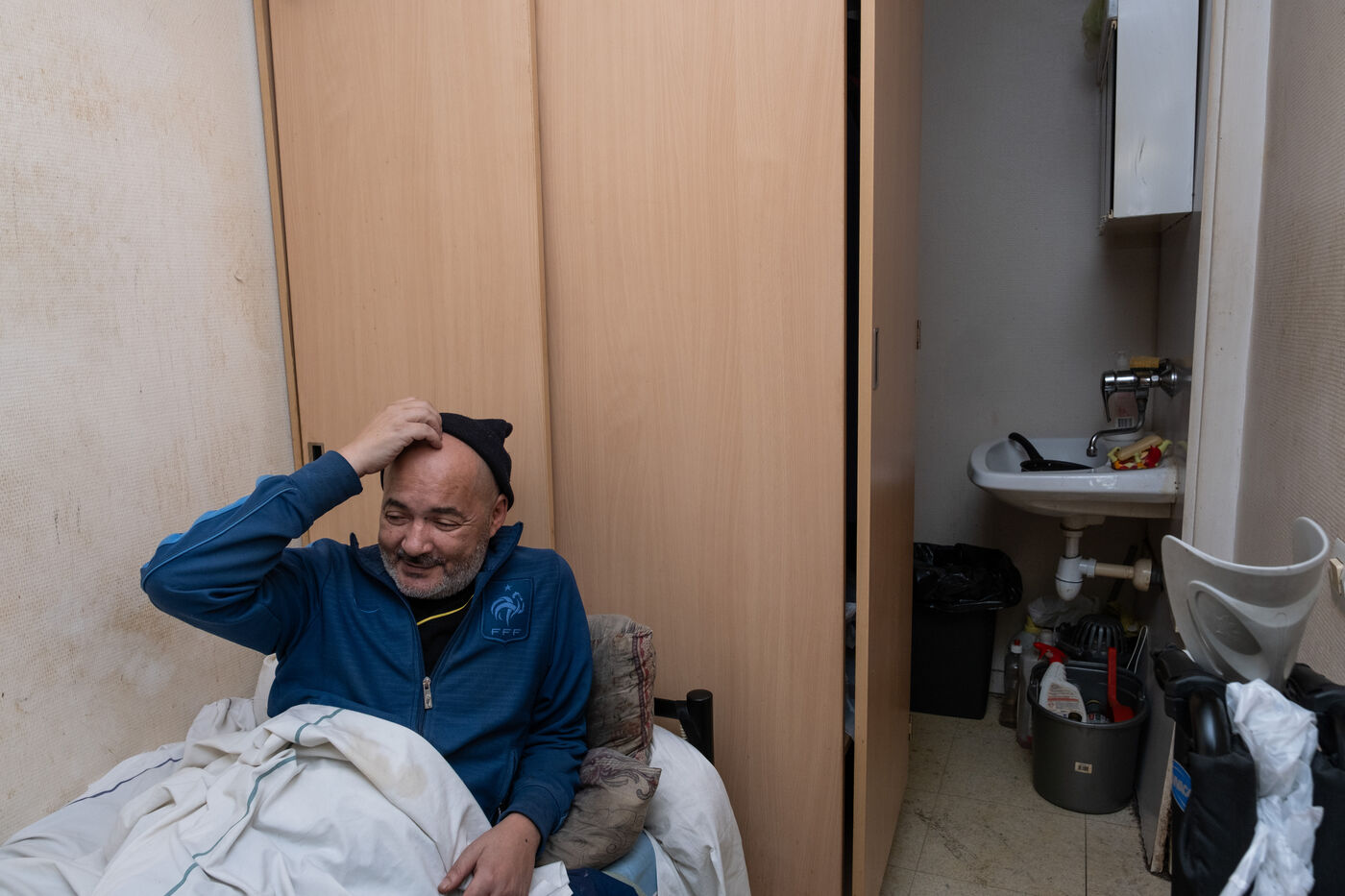
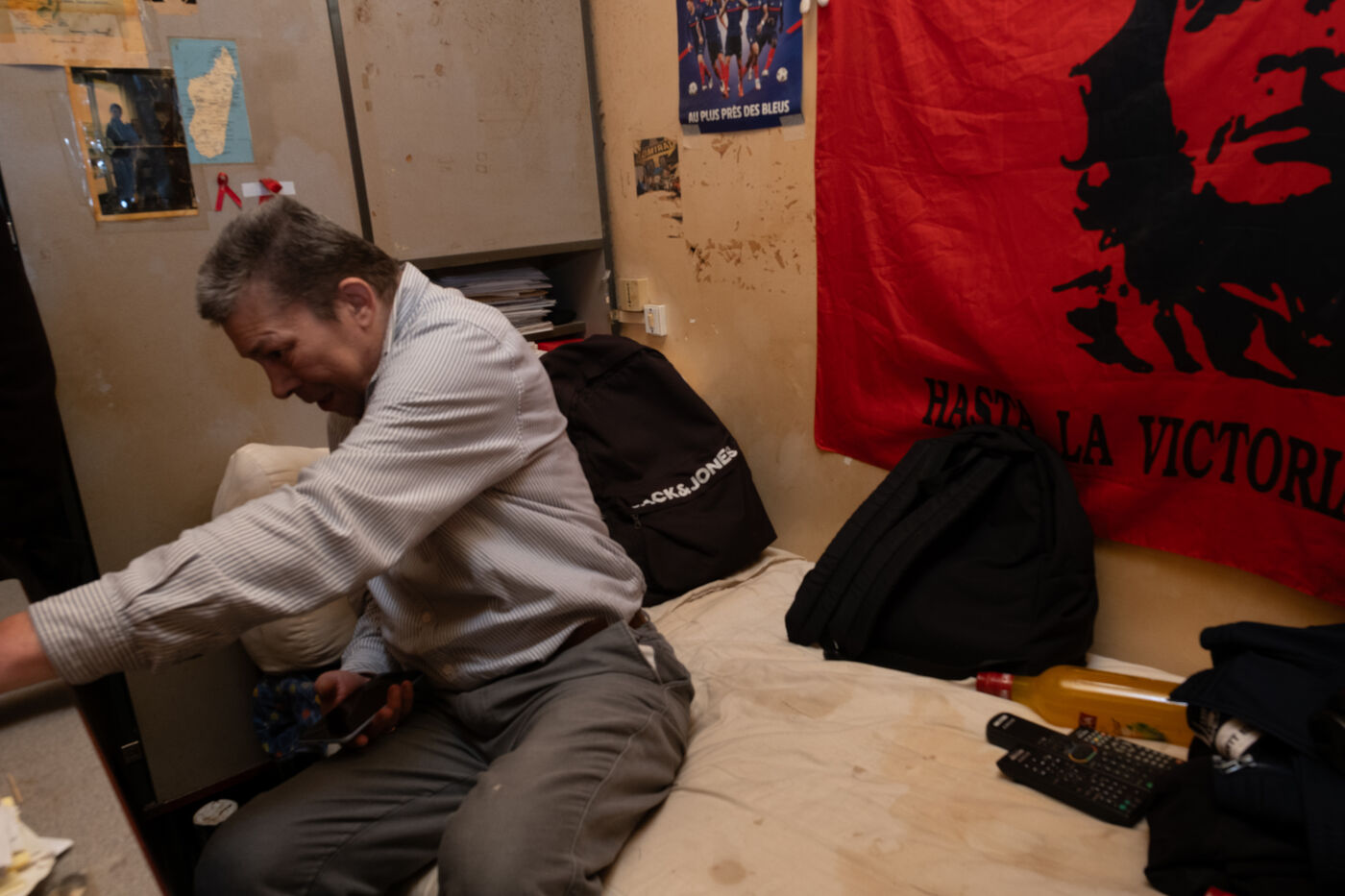
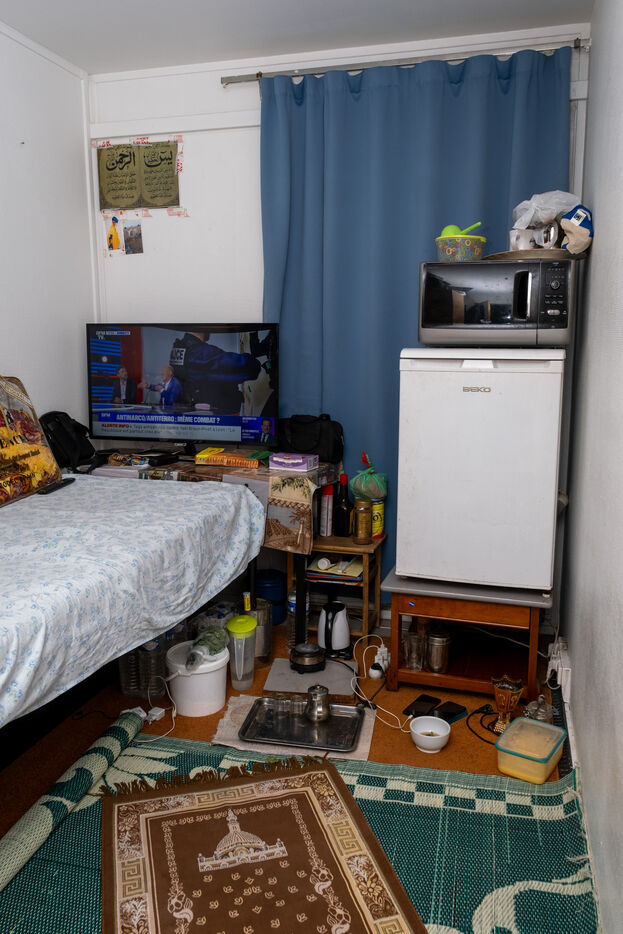
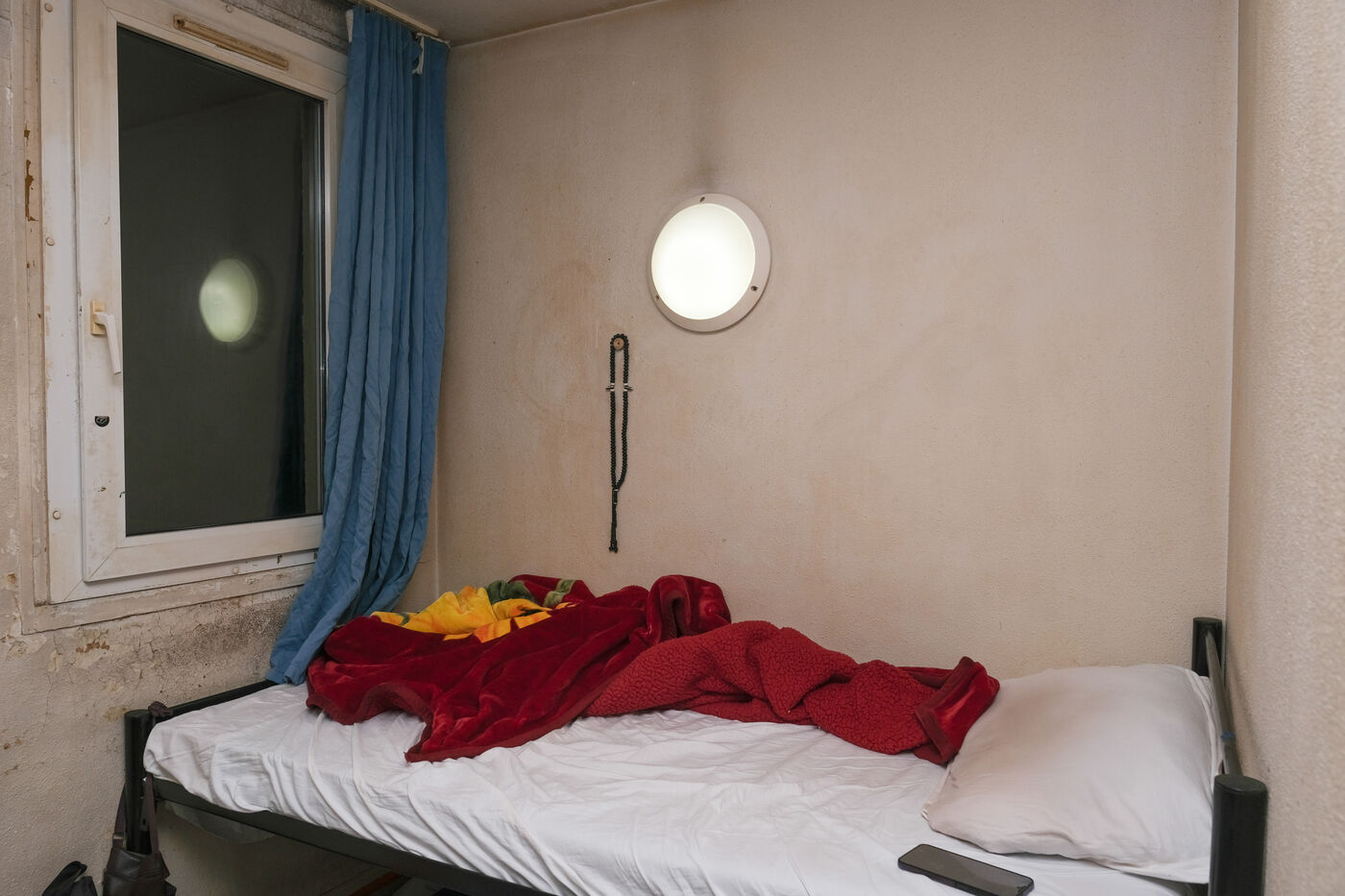
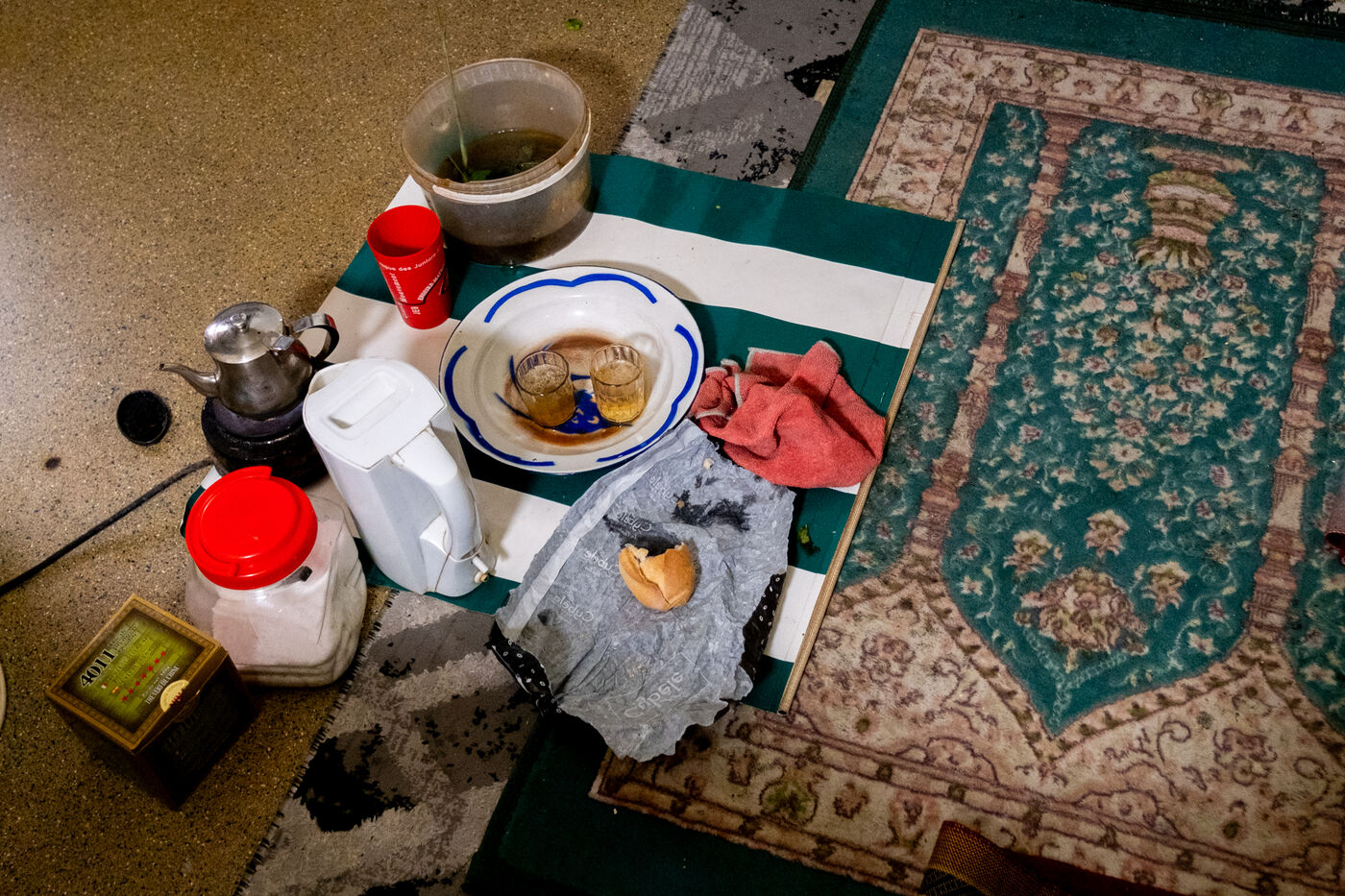
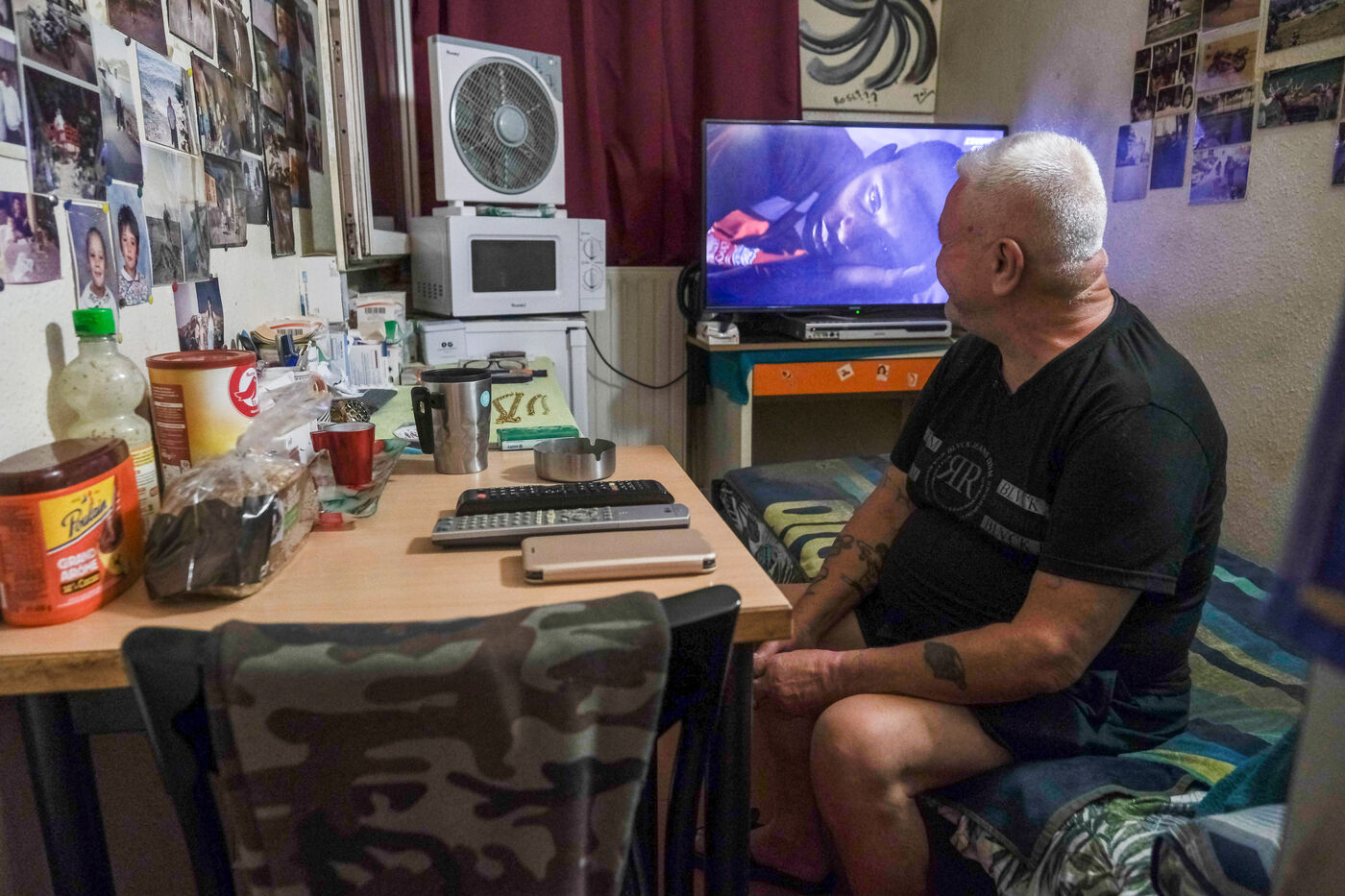
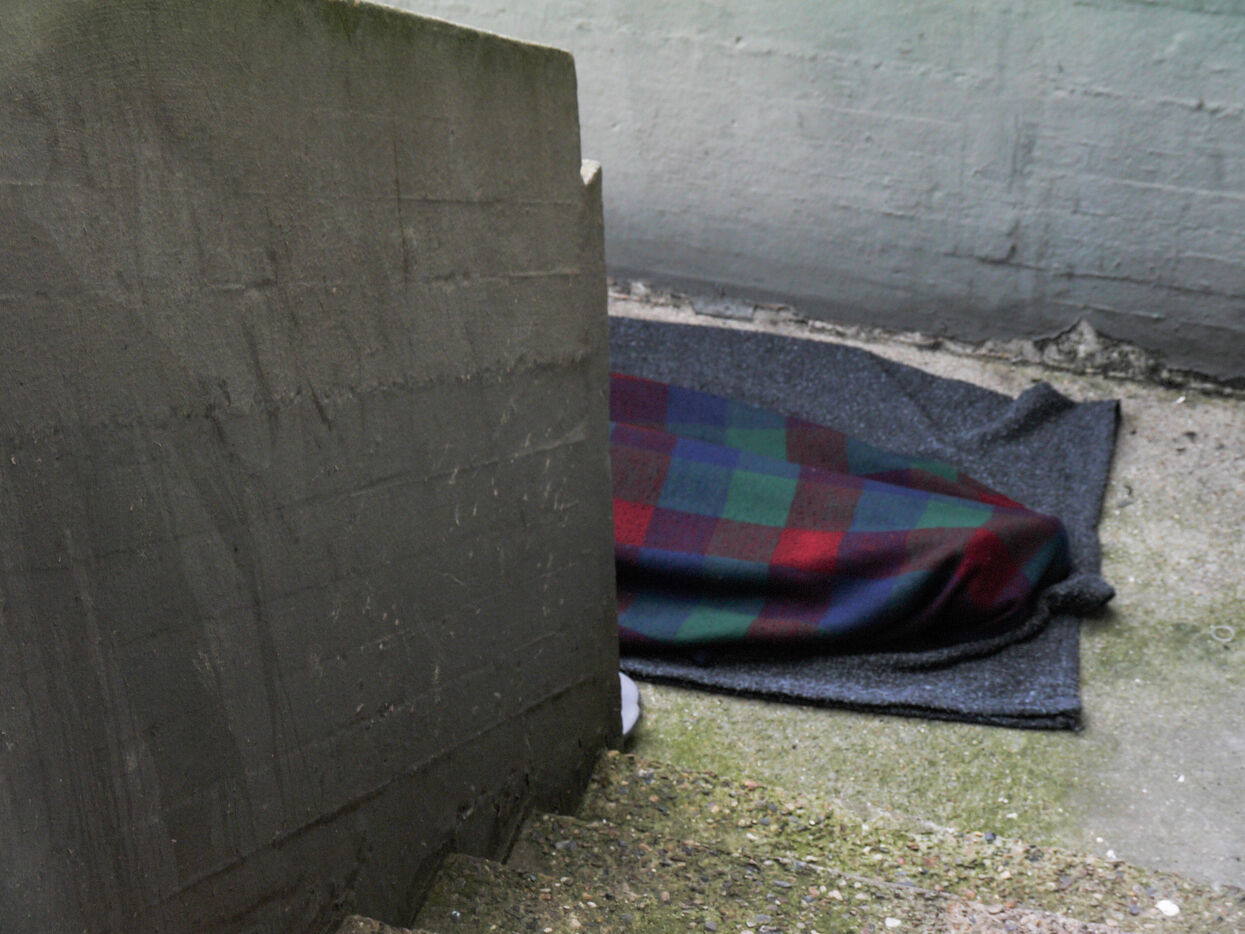
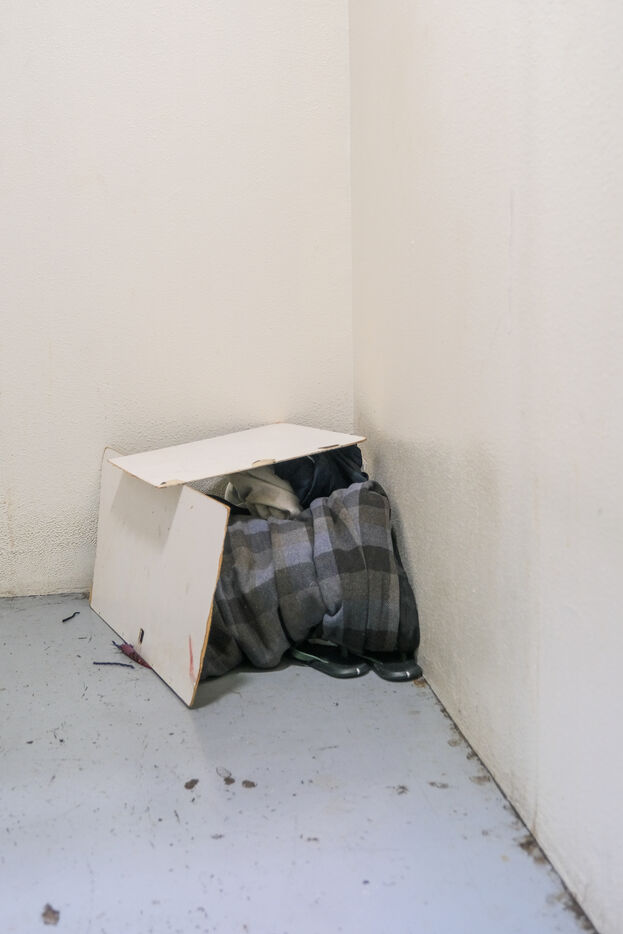
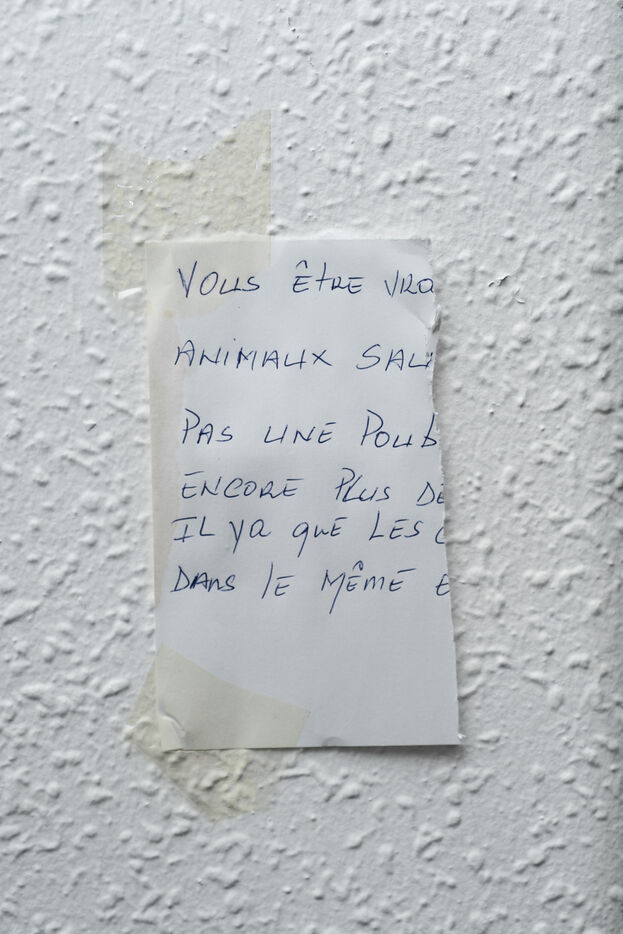
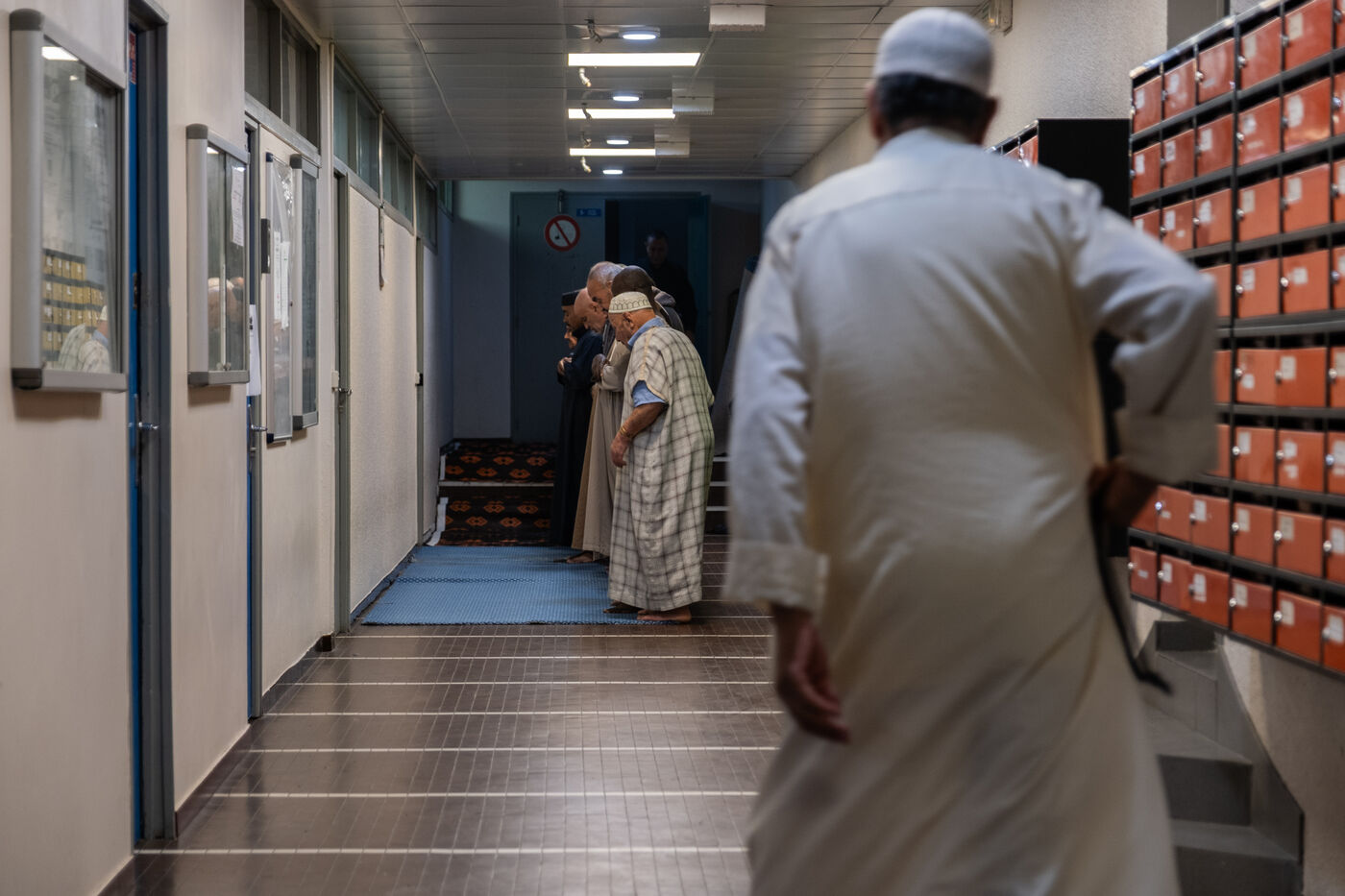
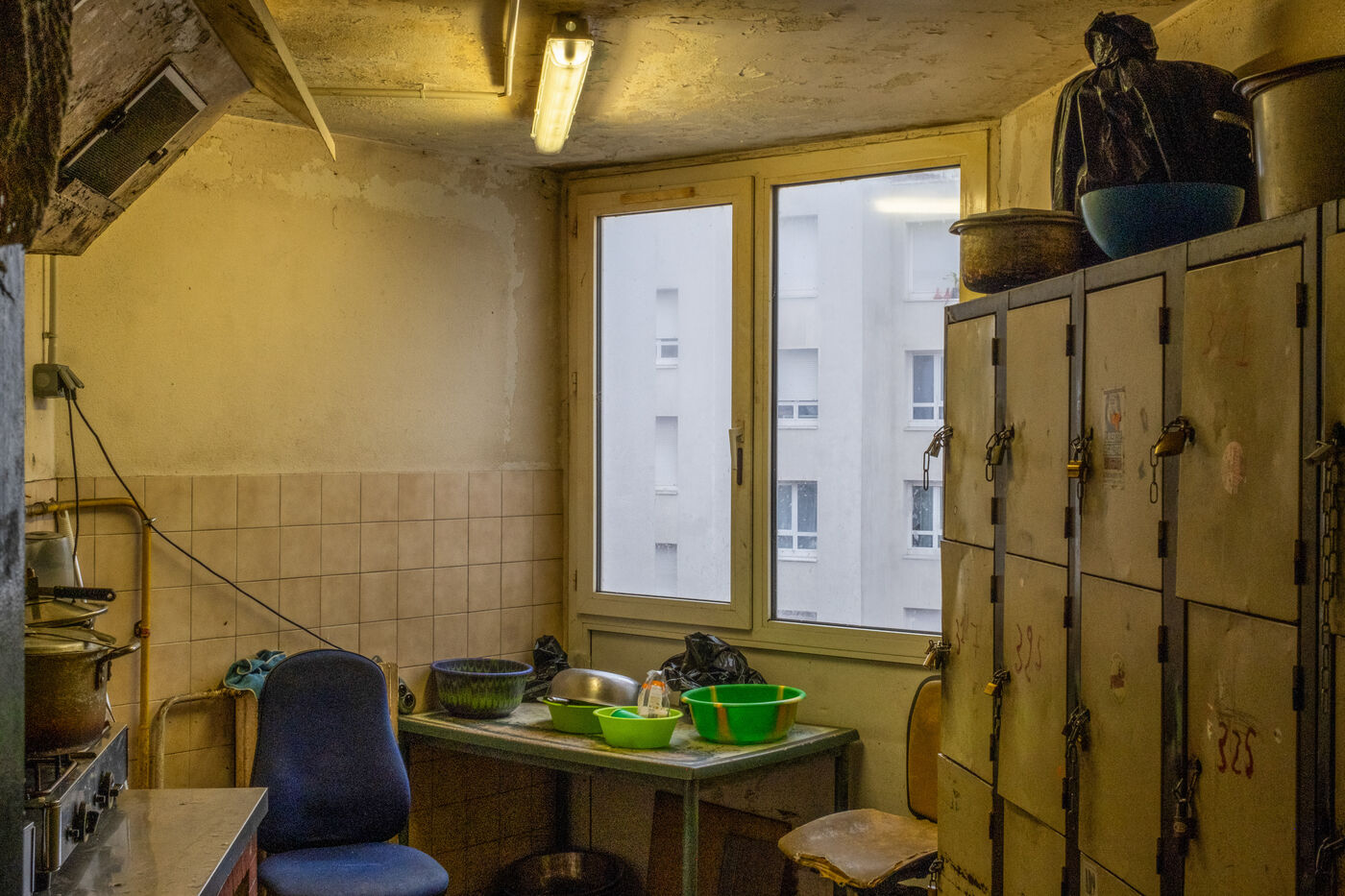
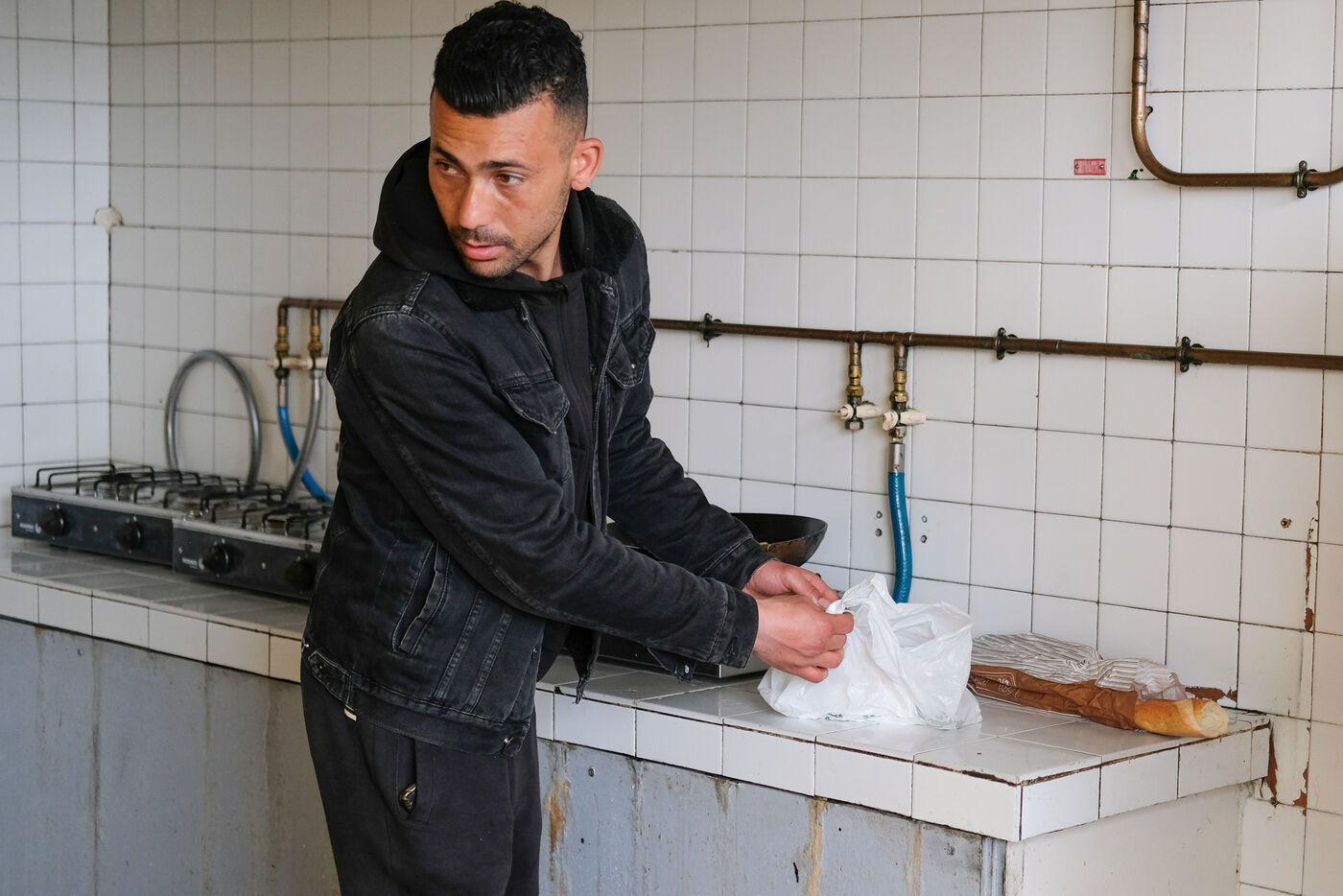
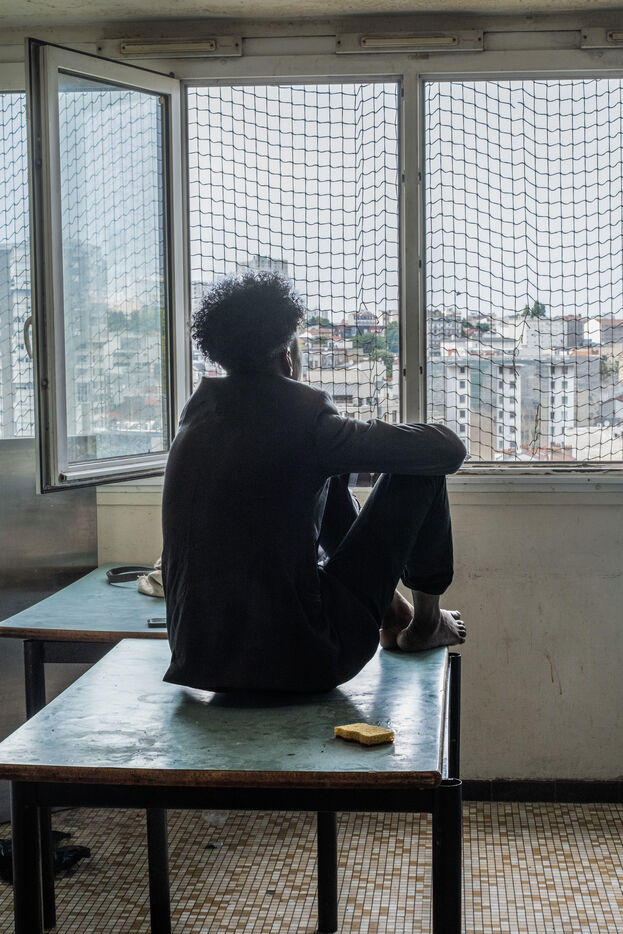
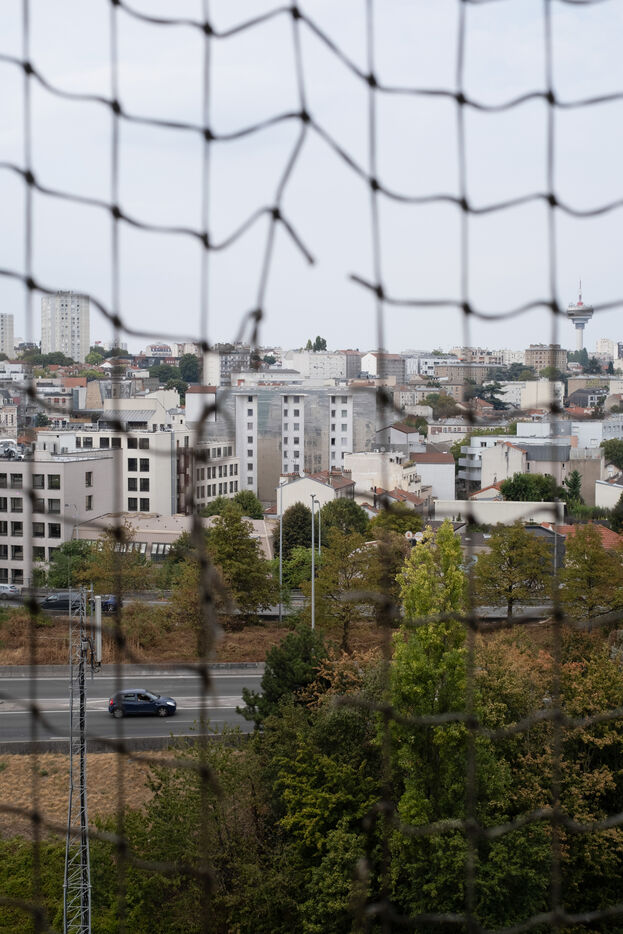
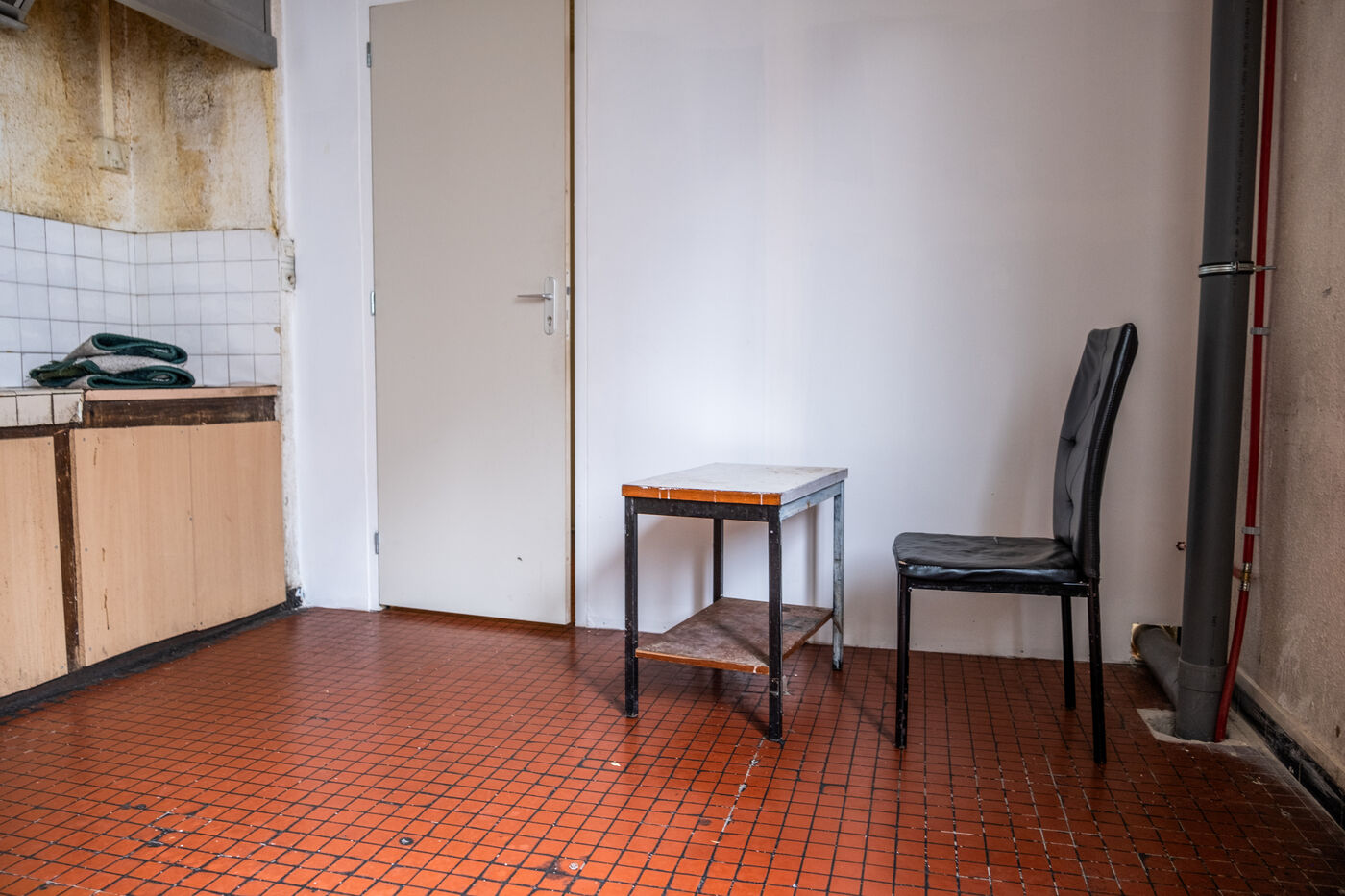
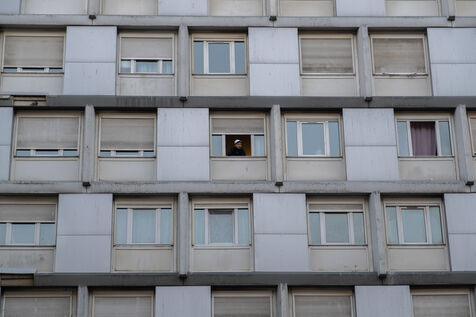
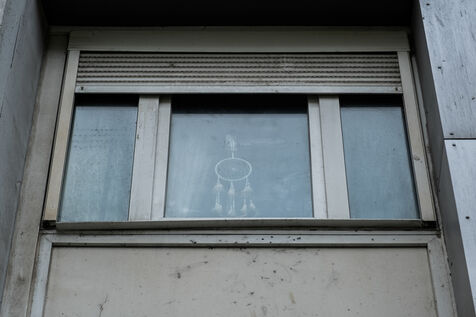
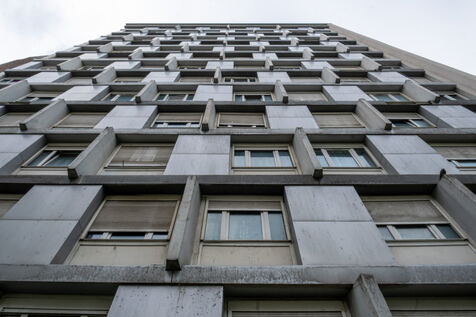
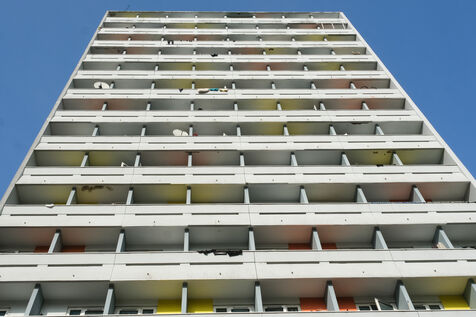
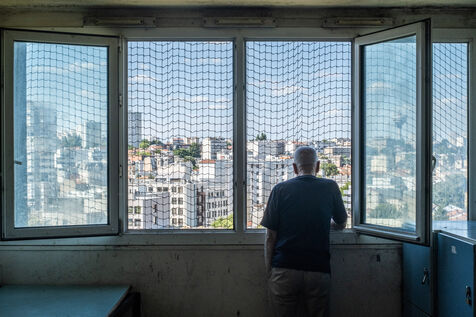
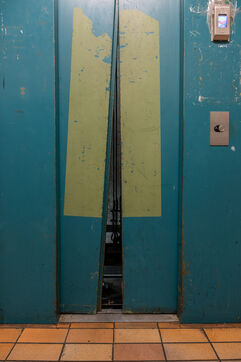
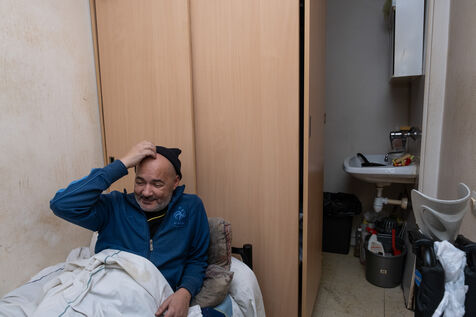
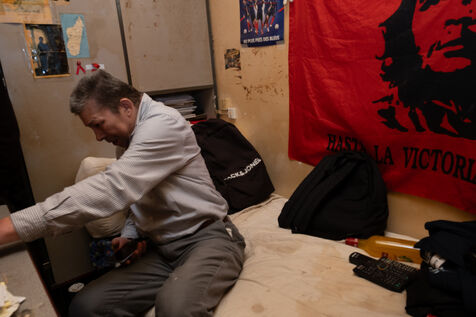
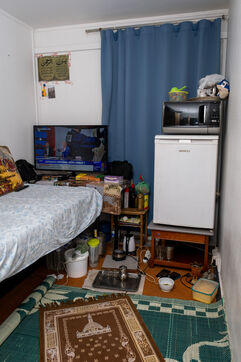
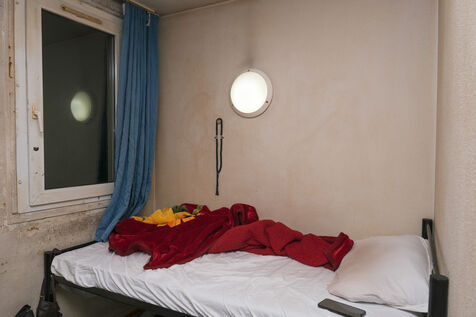
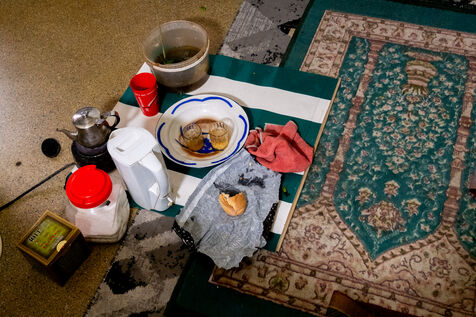
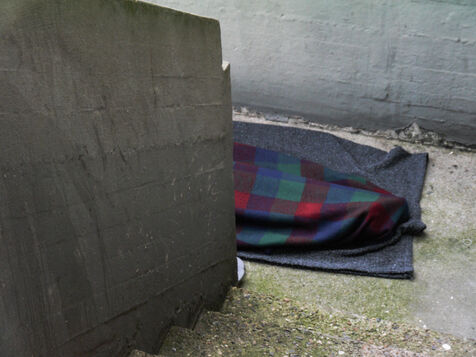
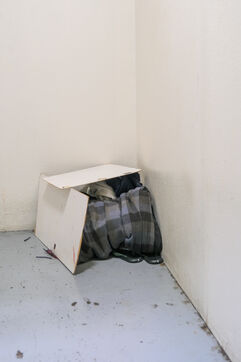
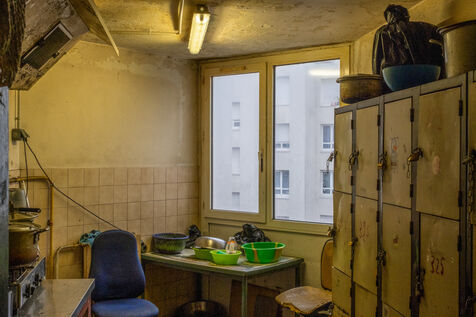
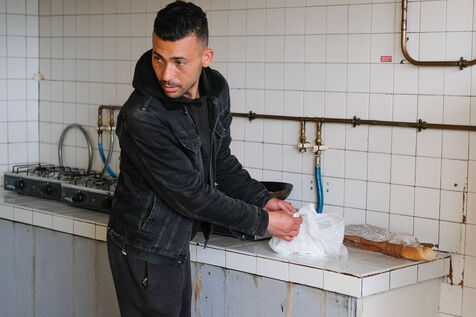
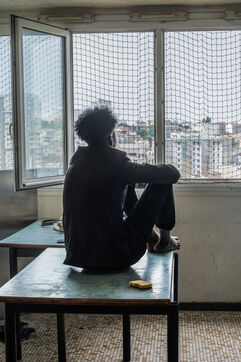
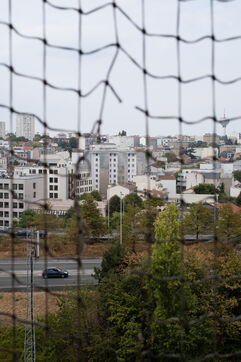
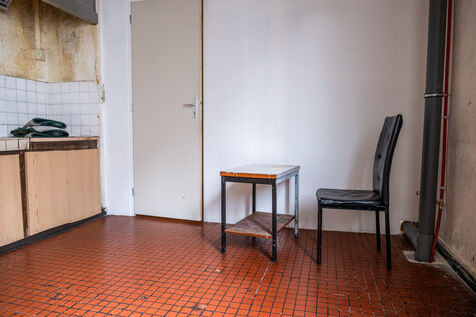
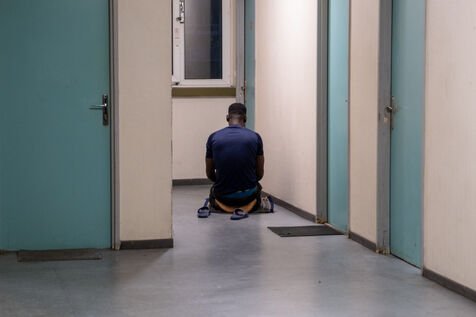
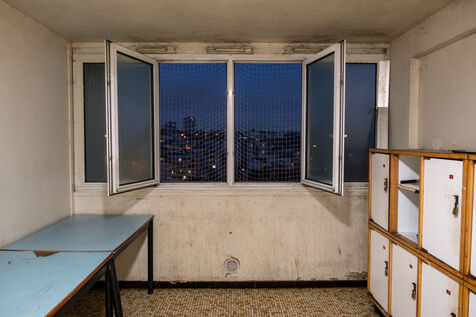
Derriere des facades d immeubles a l apparence ordinaire, 300 a 400 habitants sont entasses dans des chambres de 7 metres carres, soit 2 metres de plus que le minimum requis pour le bien-etre animal.
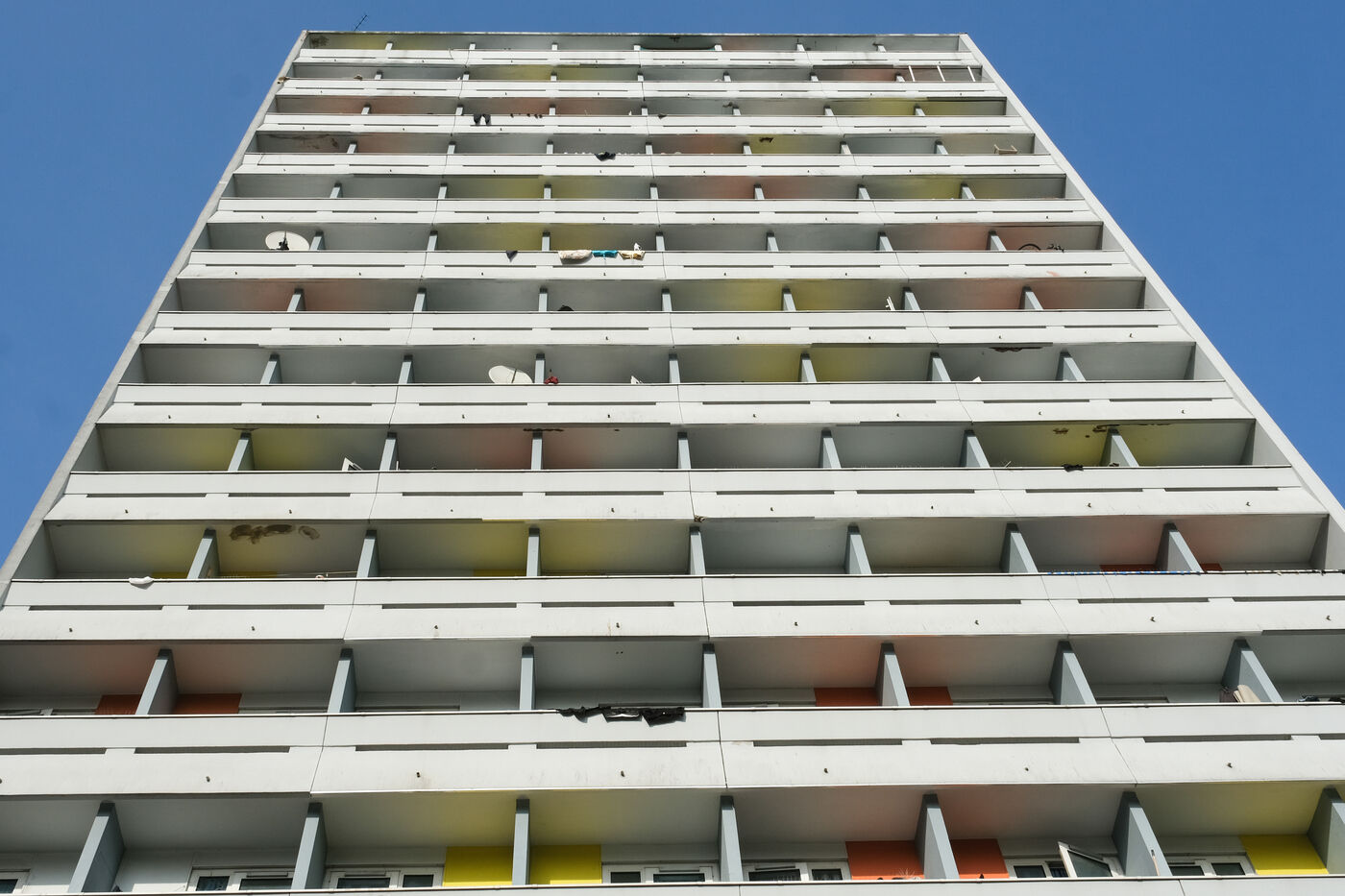
Batis dans les annees 1960, les Foyers de Travailleurs Migrants visaient a resorber les bidonvilles autour de Paris et loger les travailleurs etrangers appeles pour reconstruire la France d'apres-guerre.
En 1957, l Etat cree la Sonacotra (Societe Nationale de Construction pour les Travailleurs), en charge de loger cette main d oeuvre venue principalement d Algerie et d Afrique sub-saharienne.
En 1973, on compte 275 foyers en France, hebergeant plus de 73 000 personnes.
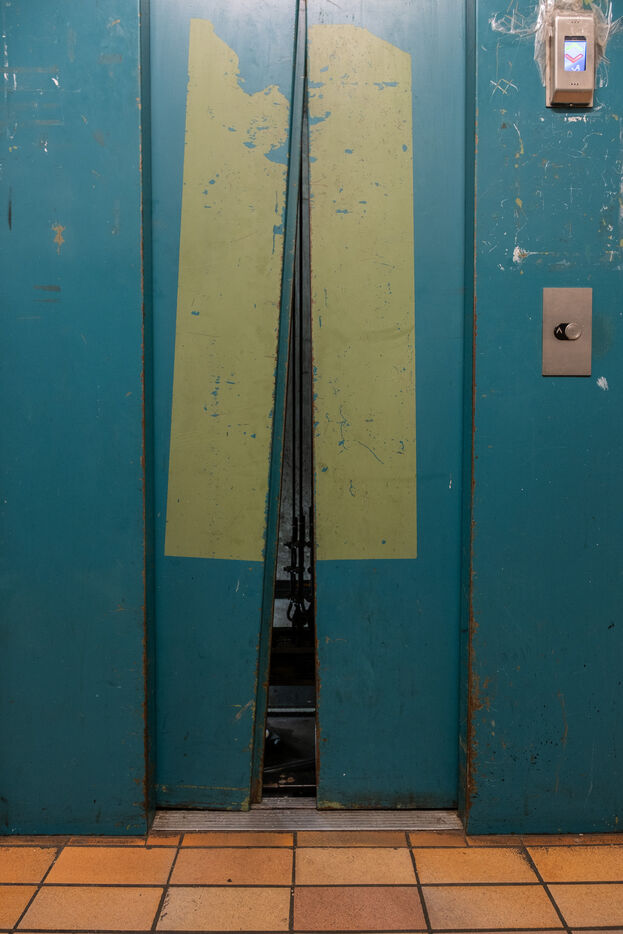
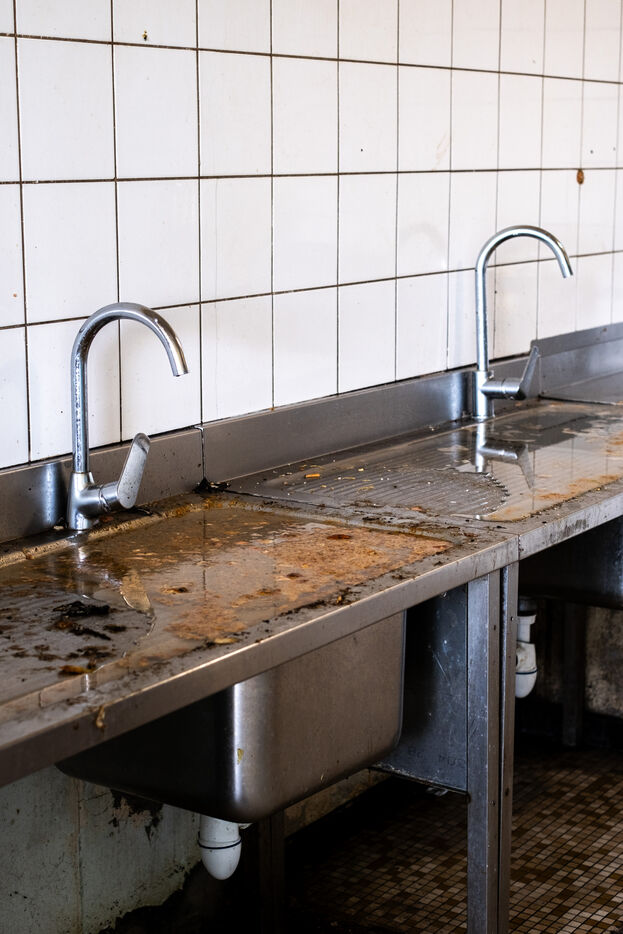
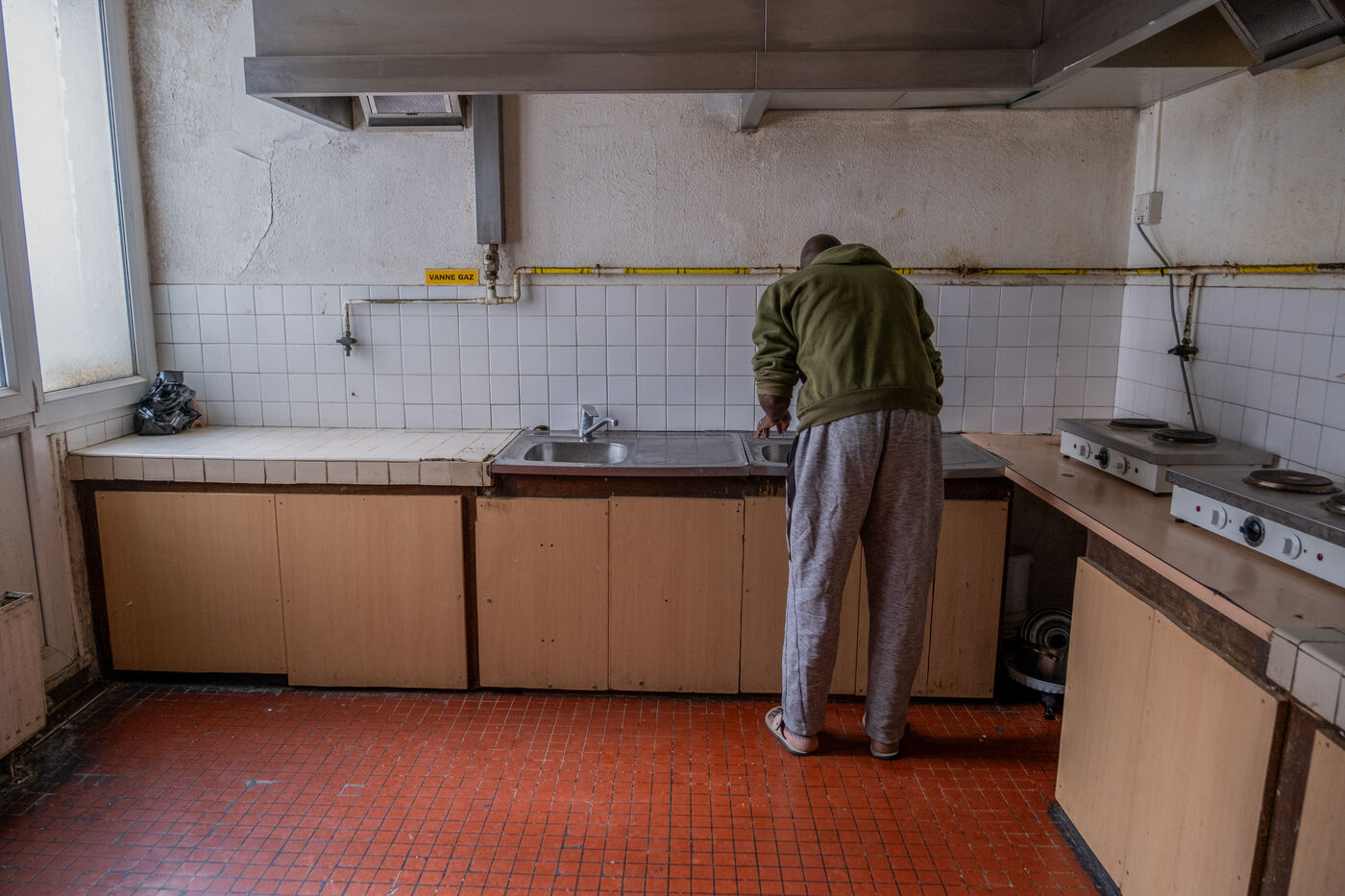
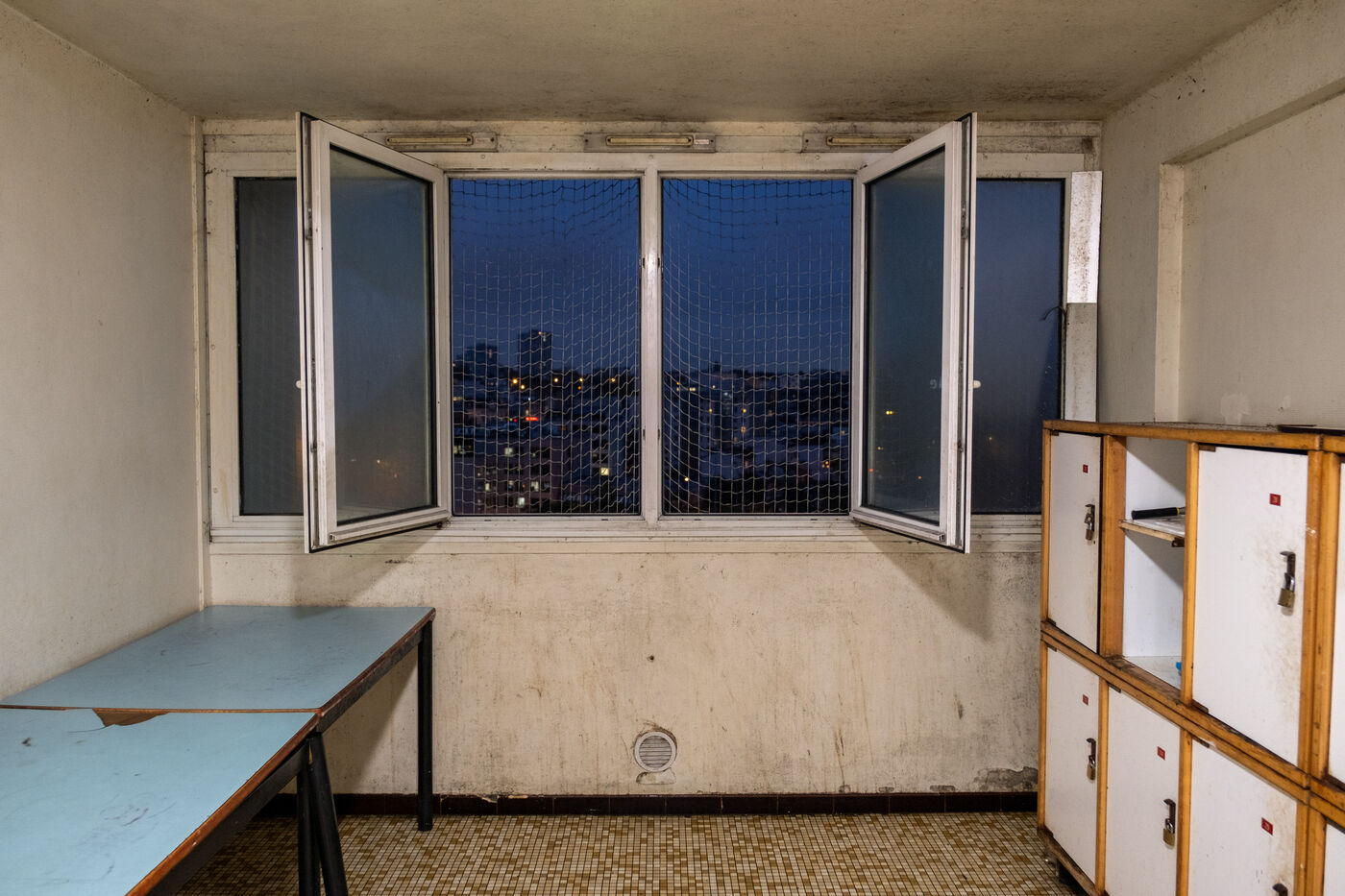
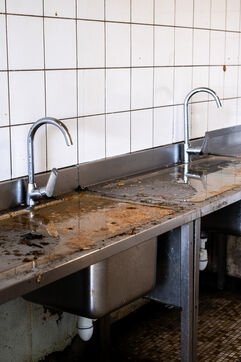
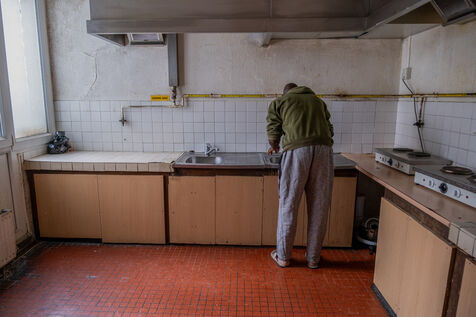
En 2006 commence une politique de rehabilitation de ces logements insalubres. Pour marquer ce tournant, la Sonacotra est renommee Adoma (du latin “ad domus” : “a la maison”). Les foyers sont peu a peu transformes en “residences sociales” avec studios, cuisine et sanitaire prives. Une transformation lente et partielle puisqu aujourd hui, 72 foyers en Ile-de-France restent non-rehabilites.
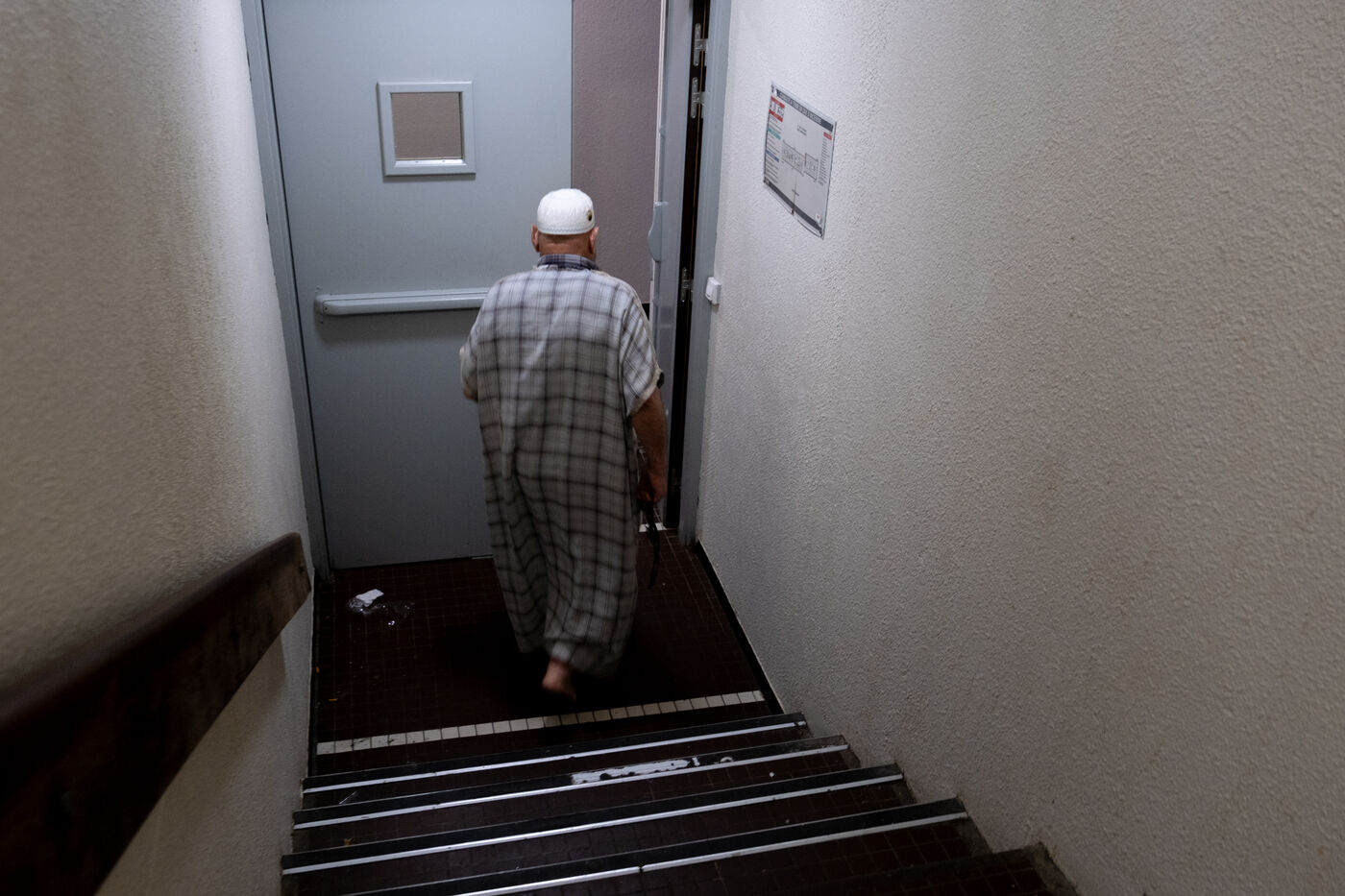
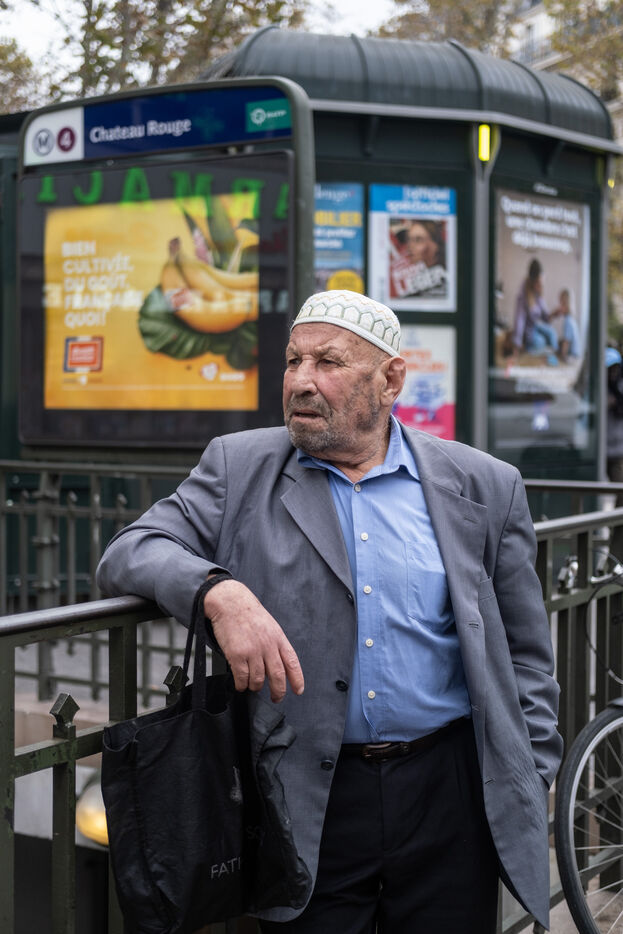
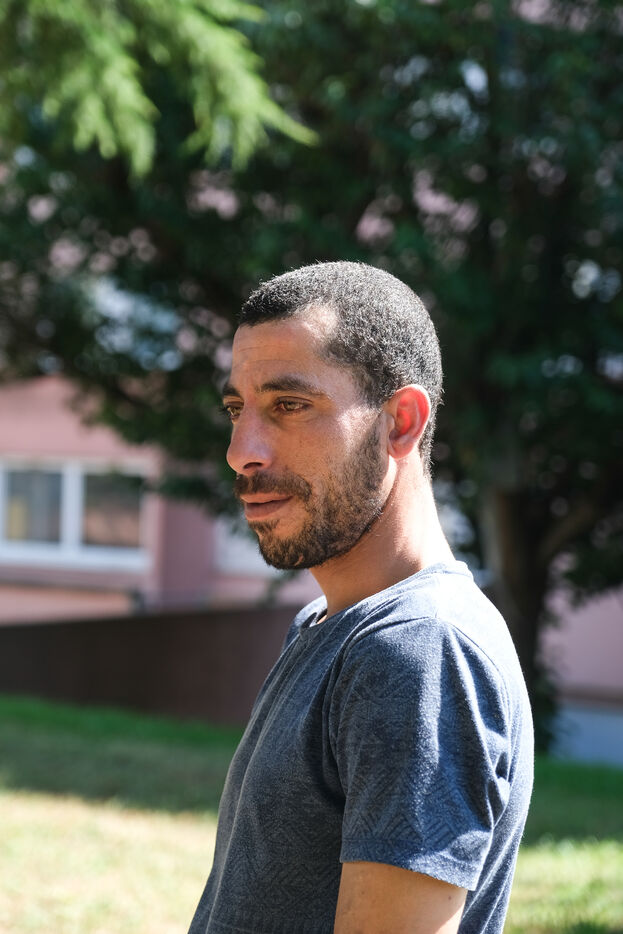
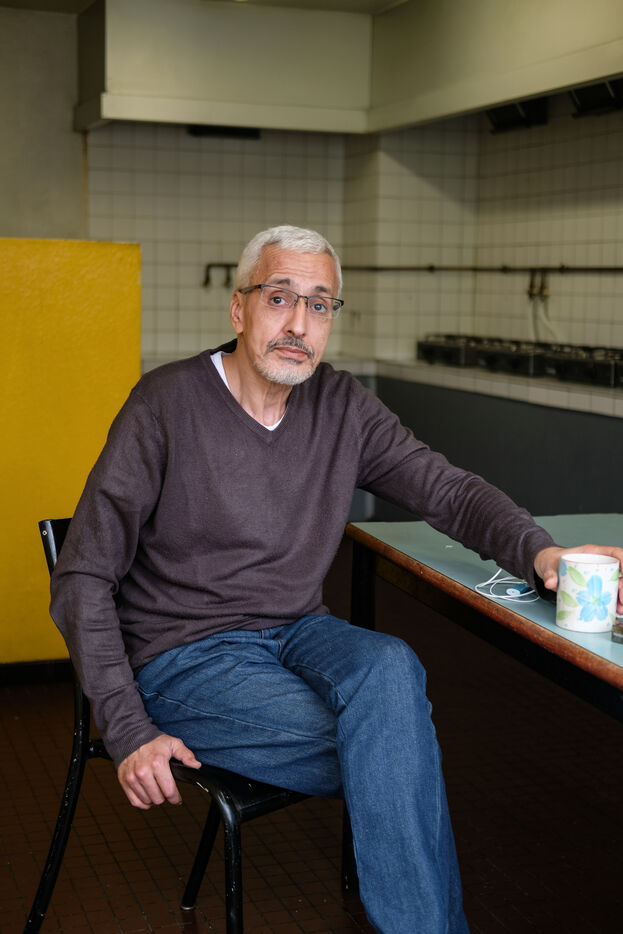
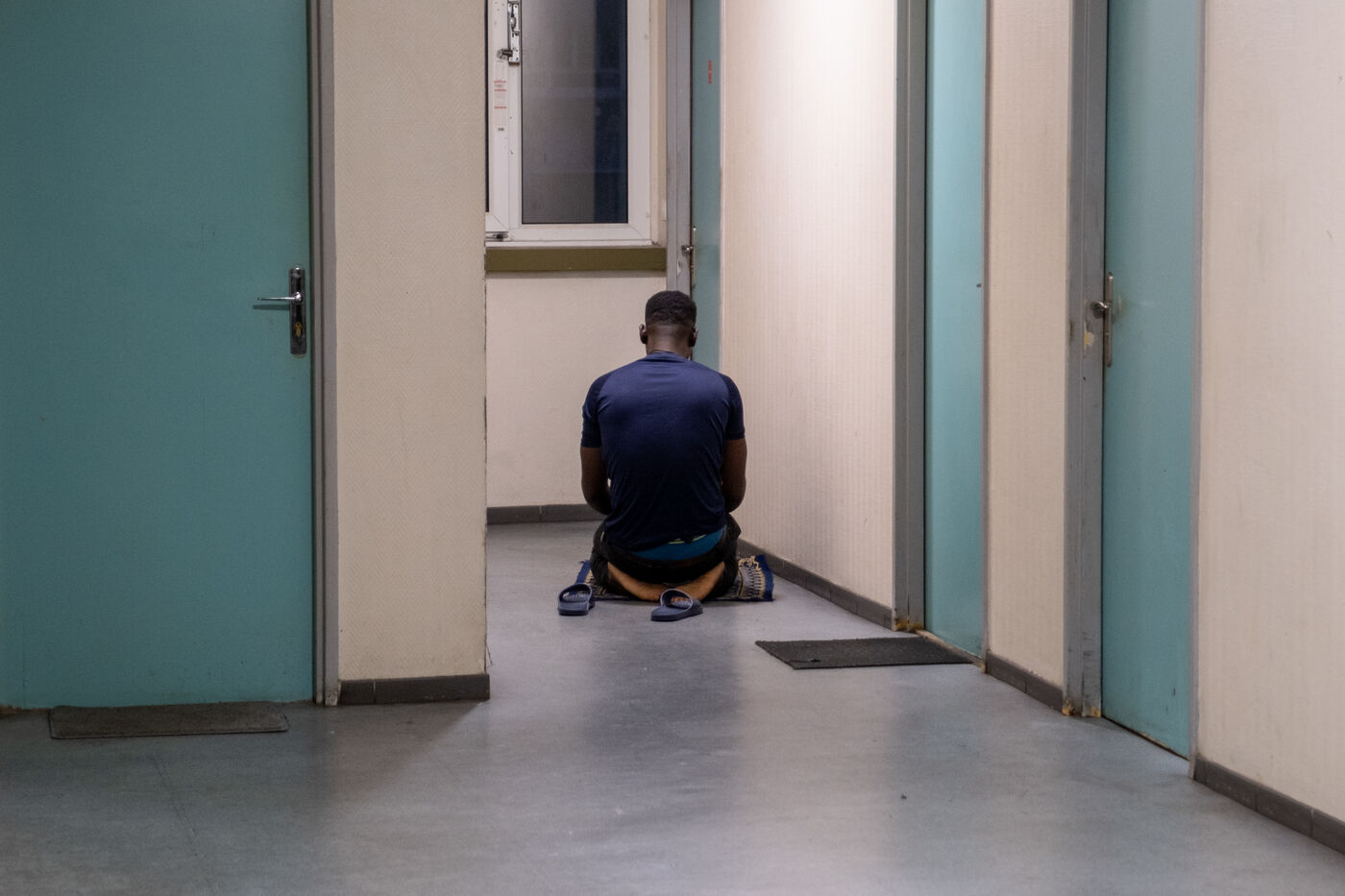
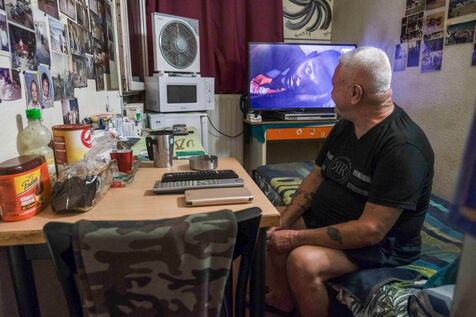
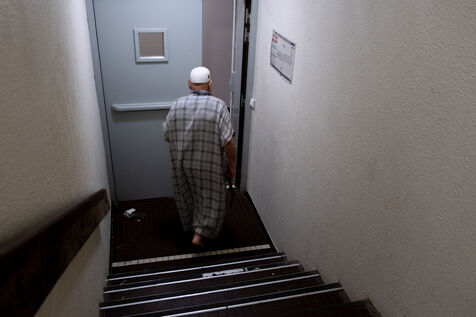
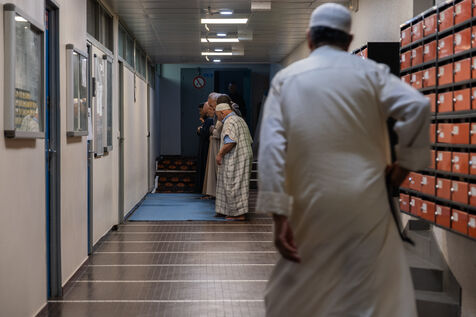
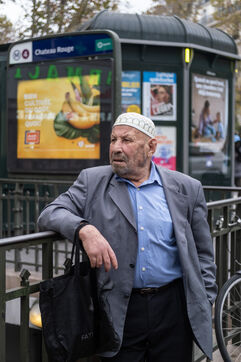
De 2023 a 2026, j ai visite 6 de ces foyers en region parisienne et rencontre leurs habitants, indissociables de l histoire de l immigration en France.
7 meters square
Behind the facades of seemingly ordinary buildings, 300 to 400 residents are crammed into rooms measuring 7 square meters—2 meters more than the minimum required for animal welfare.
Built in the 1960s, the Migrant Workers Housing Complexes were intended to eliminate the shantytowns around Paris and house the foreign workers brought in to rebuild postwar France.
In 1957, the government created Sonacotra (National Construction Company for Workers), tasked with housing this workforce, which came mainly from Algeria and sub-Saharan Africa.
By 1973, there were 275 such housing complexes in France, housing more than 73,000 people.
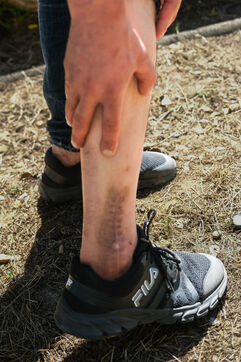
In 2006, a policy to renovate these substandard housing units began. To mark this turning point, Sonacotra was renamed Adoma (from the Latin “ad domus”: “at home”). The housing units were gradually transformed into “social housing” with studio apartments, private kitchens, and private bathrooms. This transformation has been slow and incomplete, as 72 hostels in the Île-de-France region remain unrenovated today.
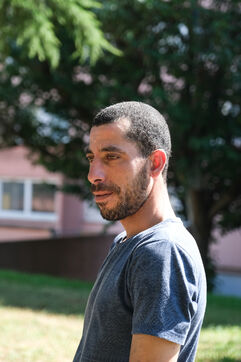
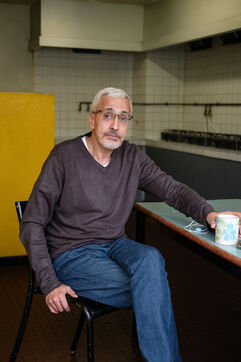
From 2023 to 2026, I visited six of these hostels in the Paris region and met with their residents, who are inextricably linked to the history of immigration in France.