Montserrat, mille ans d’histoire bénédictine : un sanctuaire marial de paix, de foi et de culture ouvert au monde
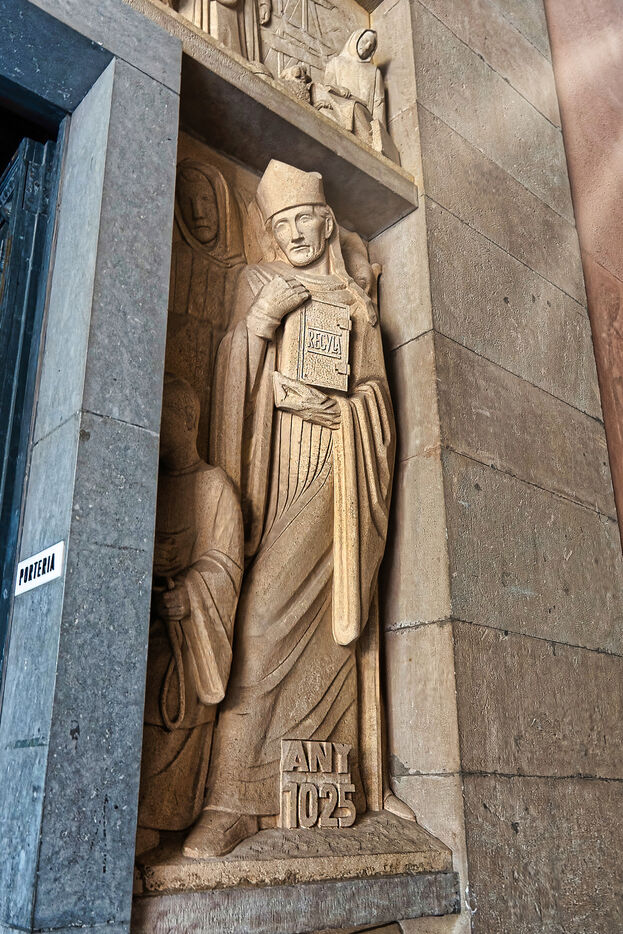
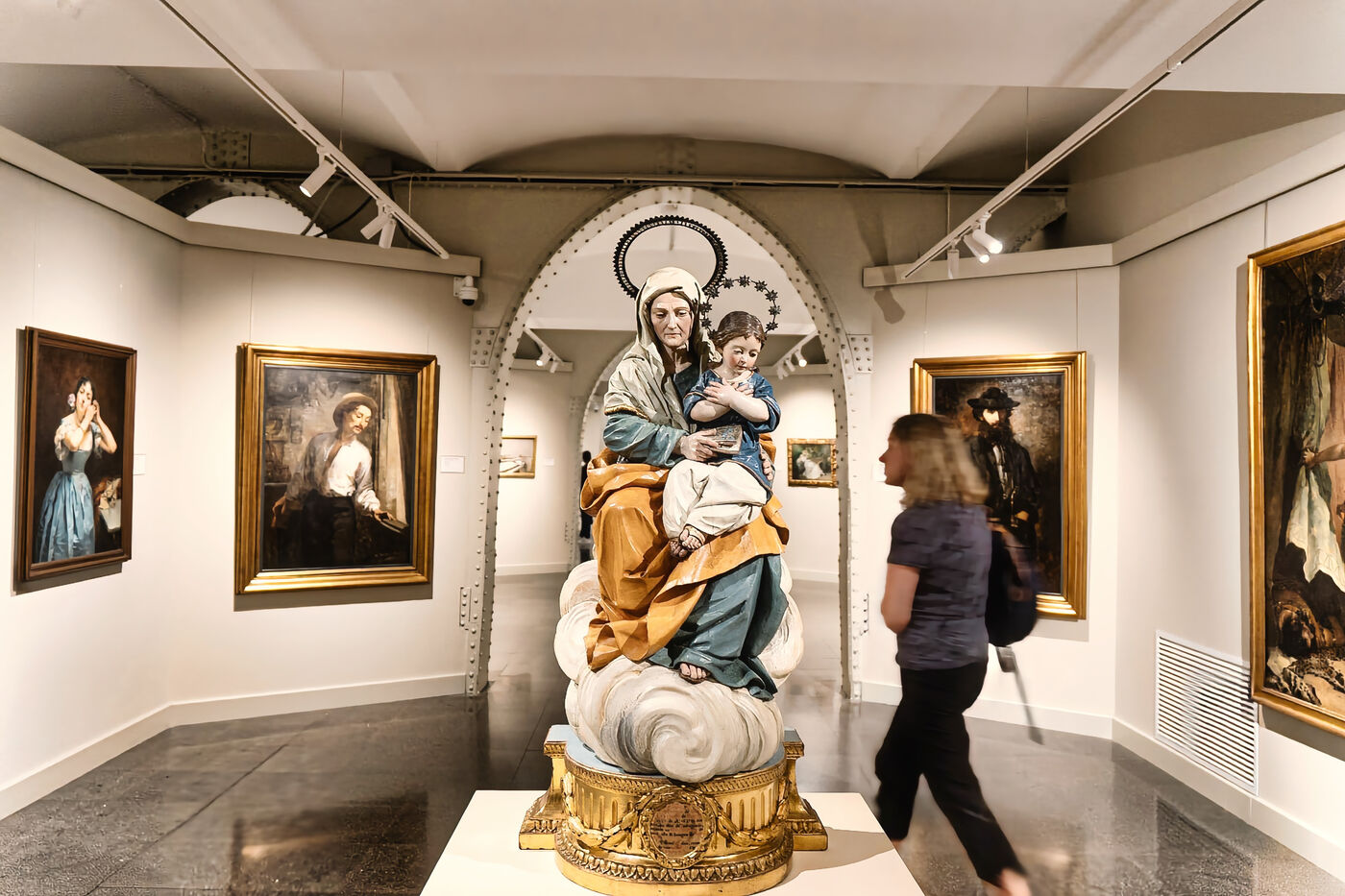
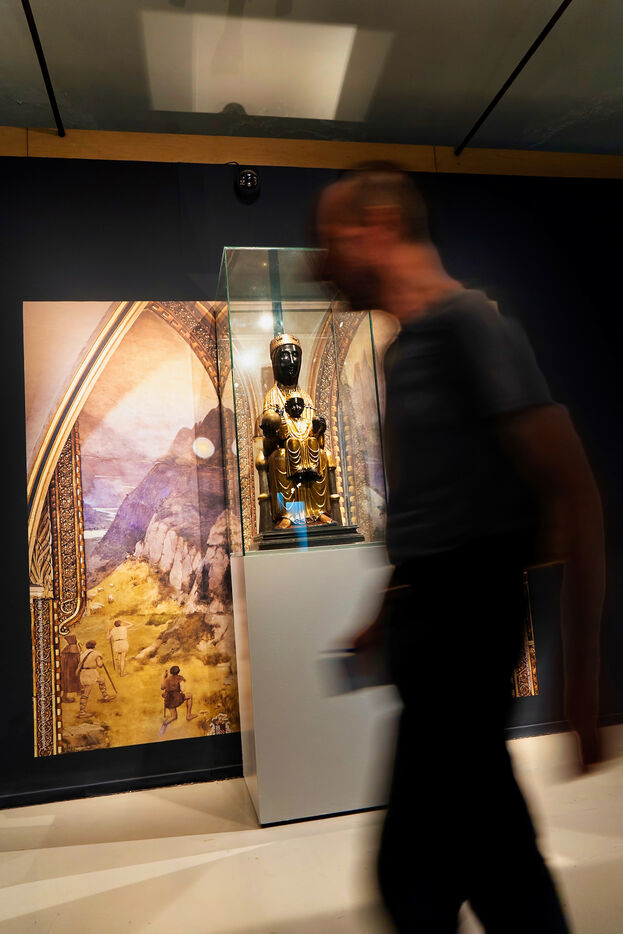
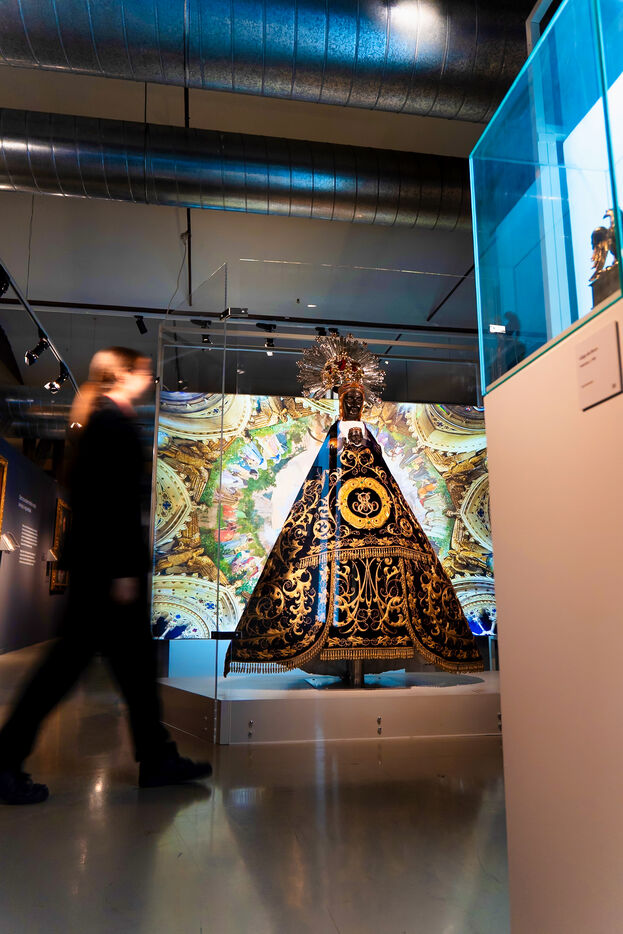
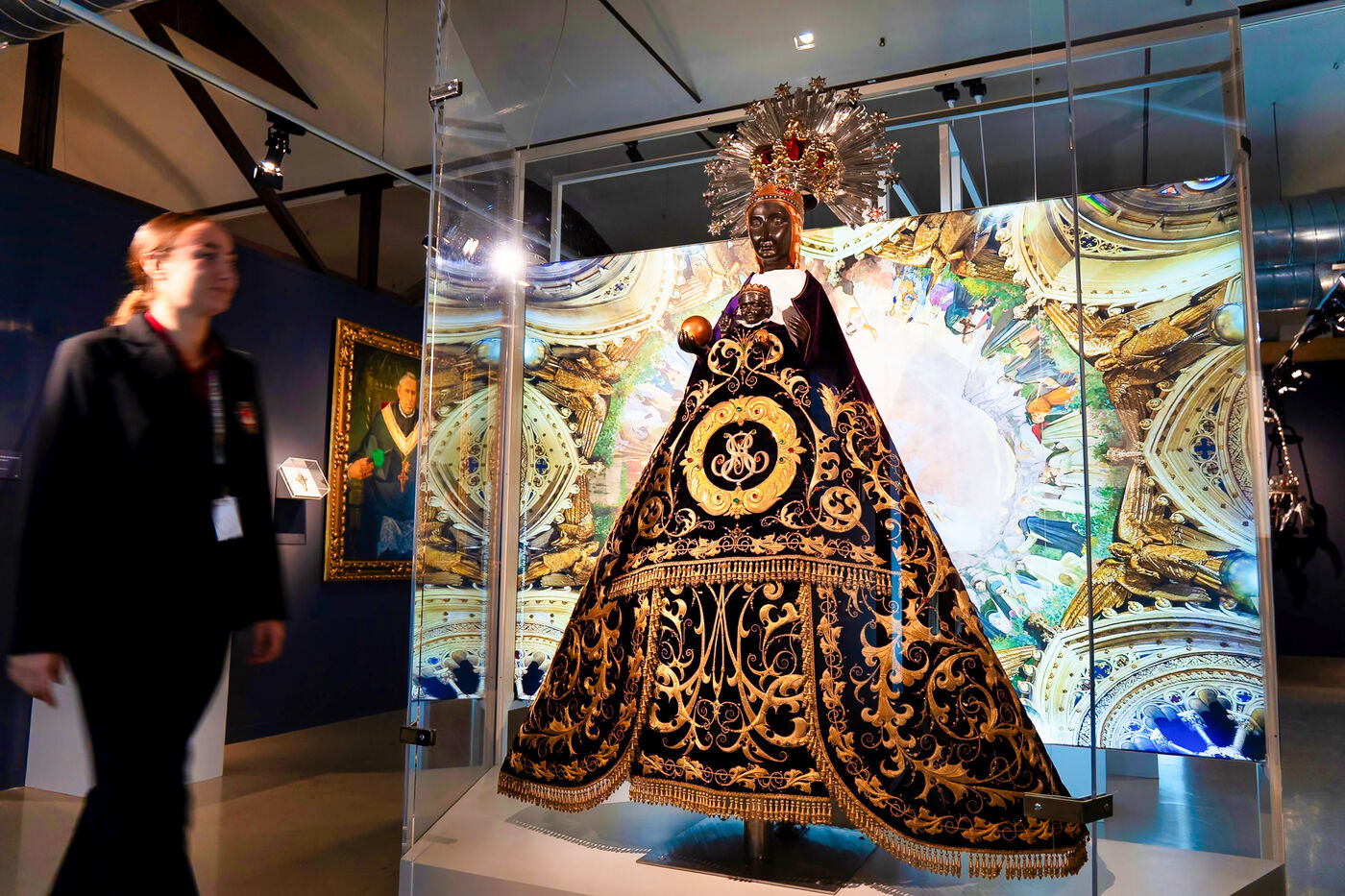
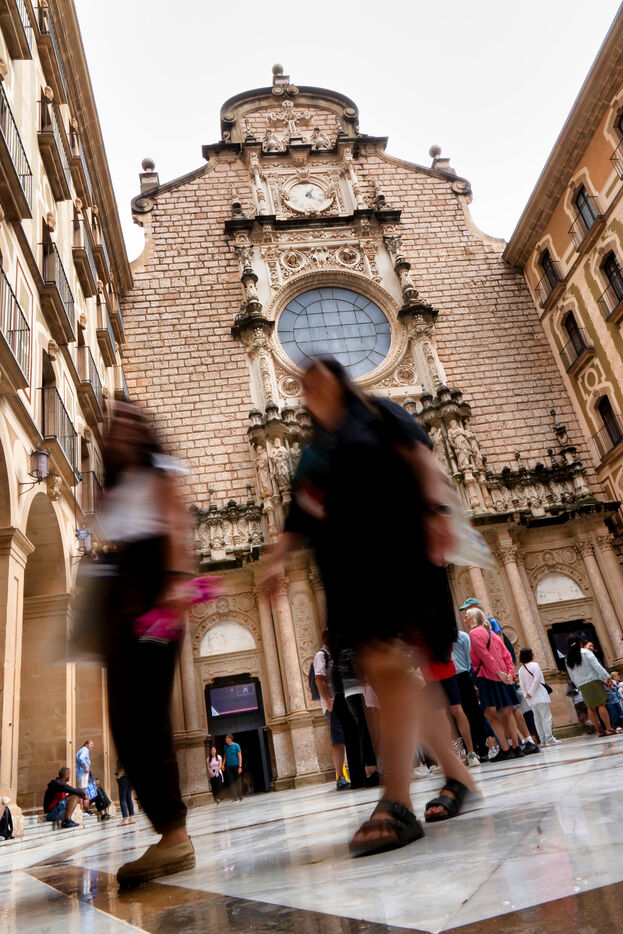
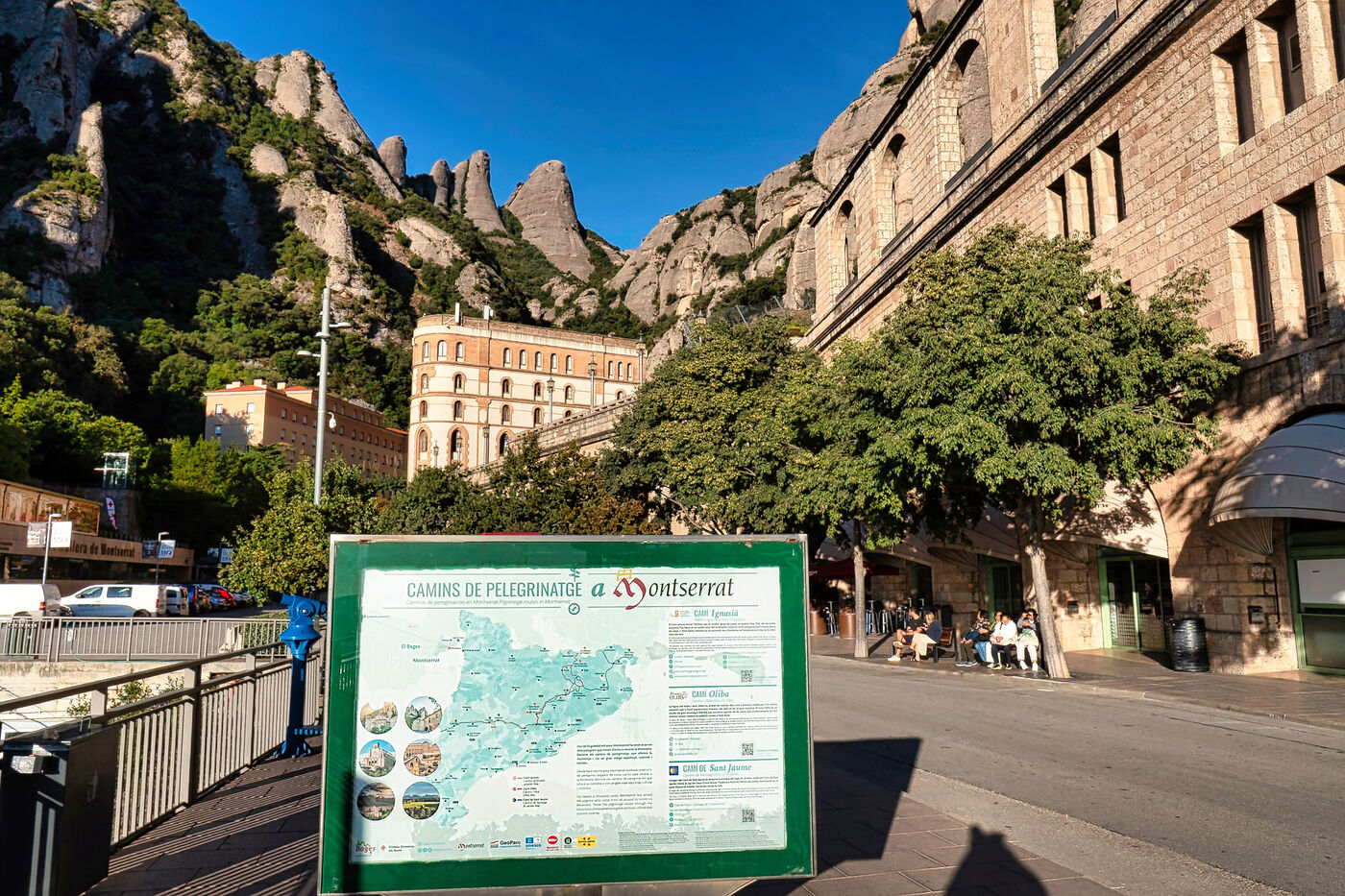
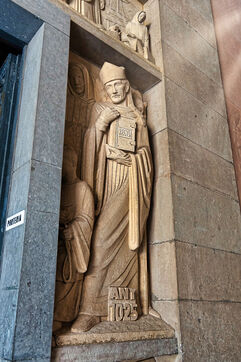
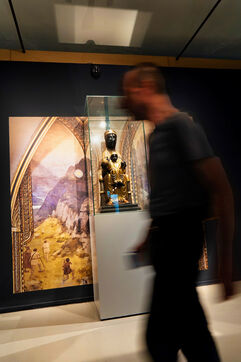
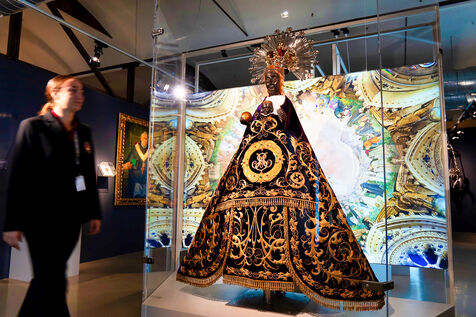
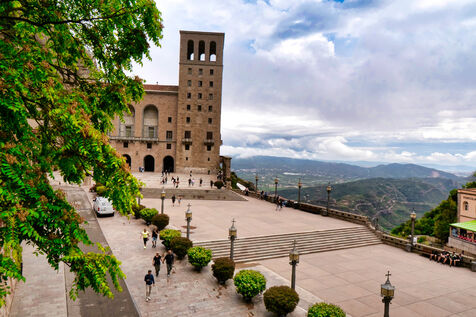
En 2025, le monastère de Montserrat célèbre le millénaire de sa fondation, marquant mille ans d’une histoire spirituelle, culturelle et patrimoniale unique en Europe. Fondé en 1025 par des moines bénédictins envoyés par l’abbé Oliba, le monastère s’est développé à côté d’un ancien ermitage marial, lié à la tradition de l’apparition de la Vierge dans une grotte de la montagne au IXᵉ siècle. Selon la légende, des bergers auraient découvert une image de la Vierge, la Moreneta, dans une grotte illuminée par des chants et des lumières mystérieuses, donnant naissance à l’un des plus grands sanctuaires marials de la Méditerranée.
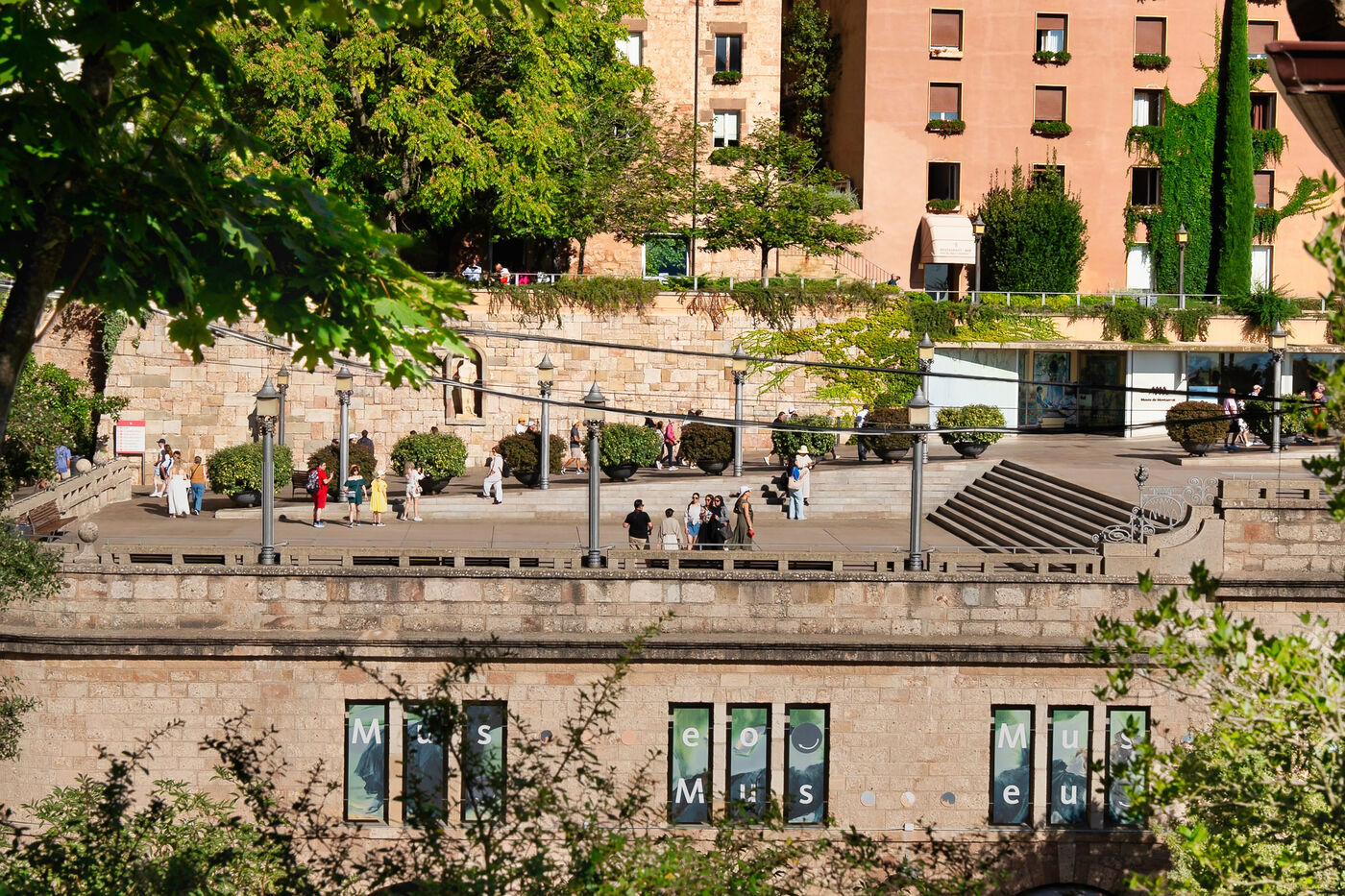
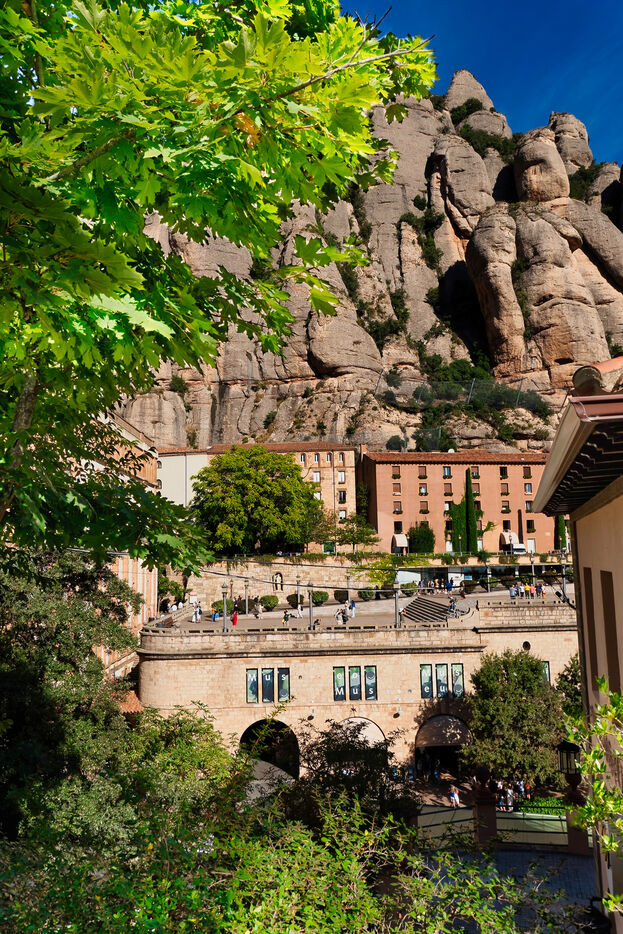
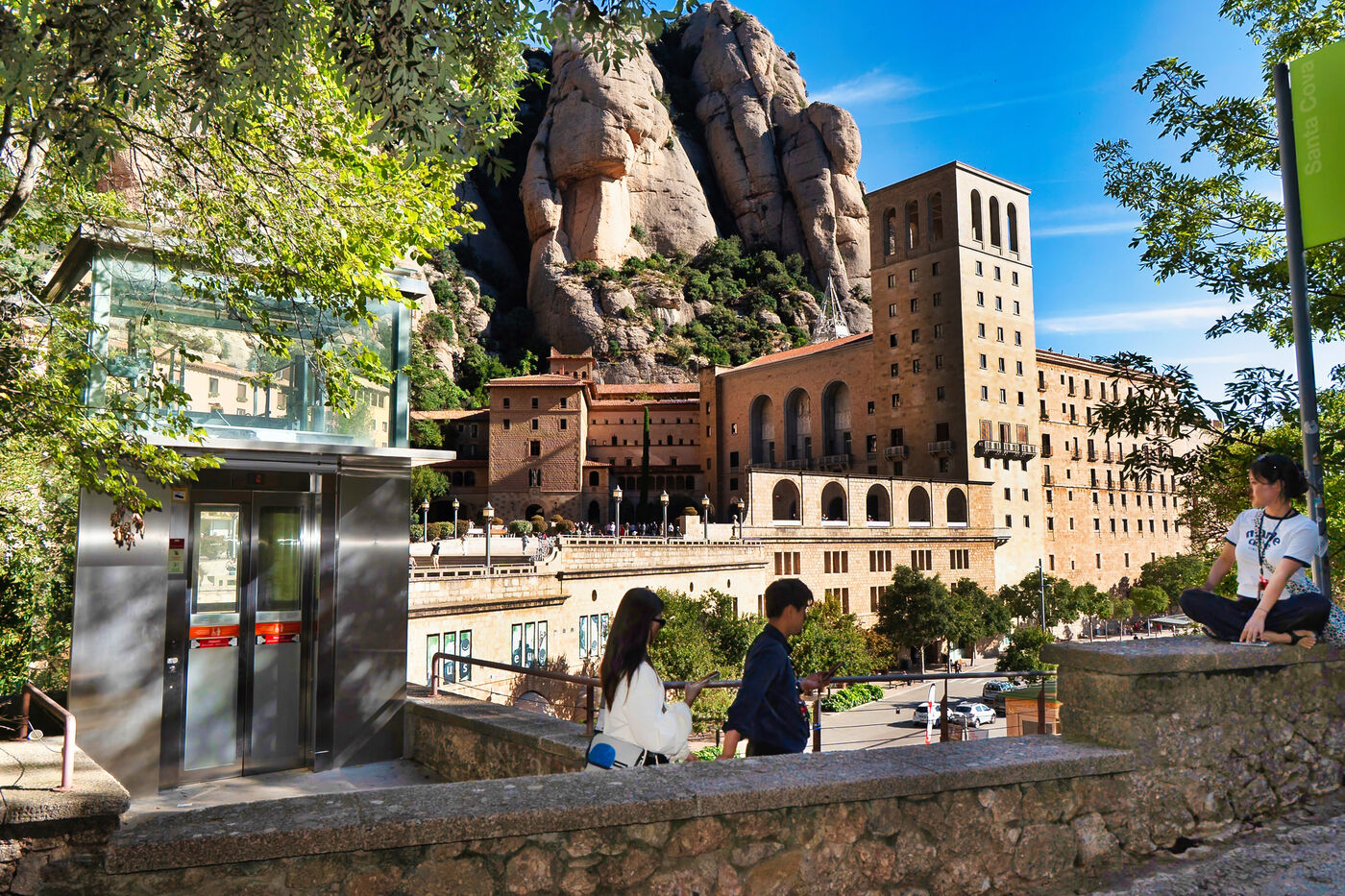
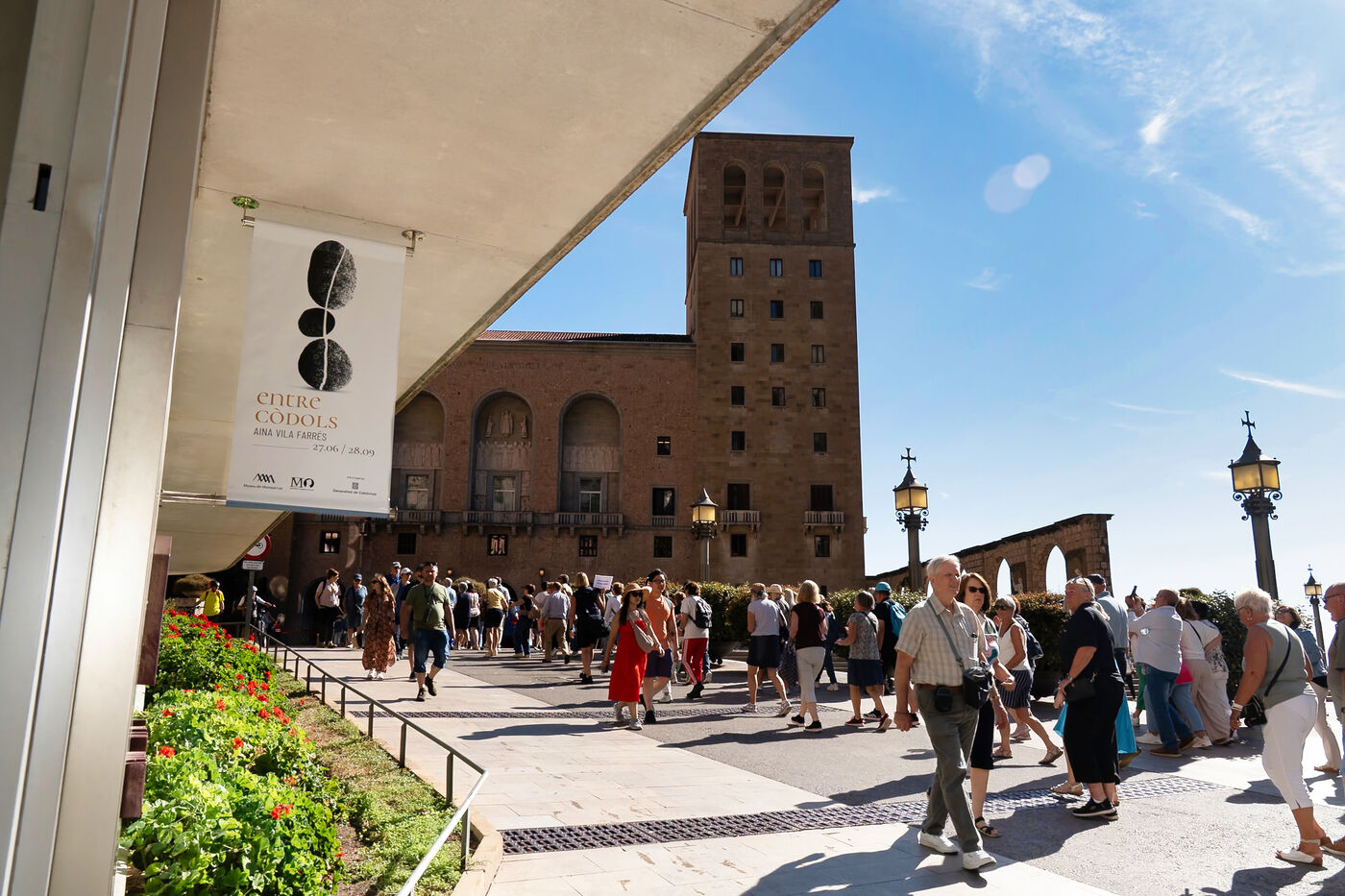
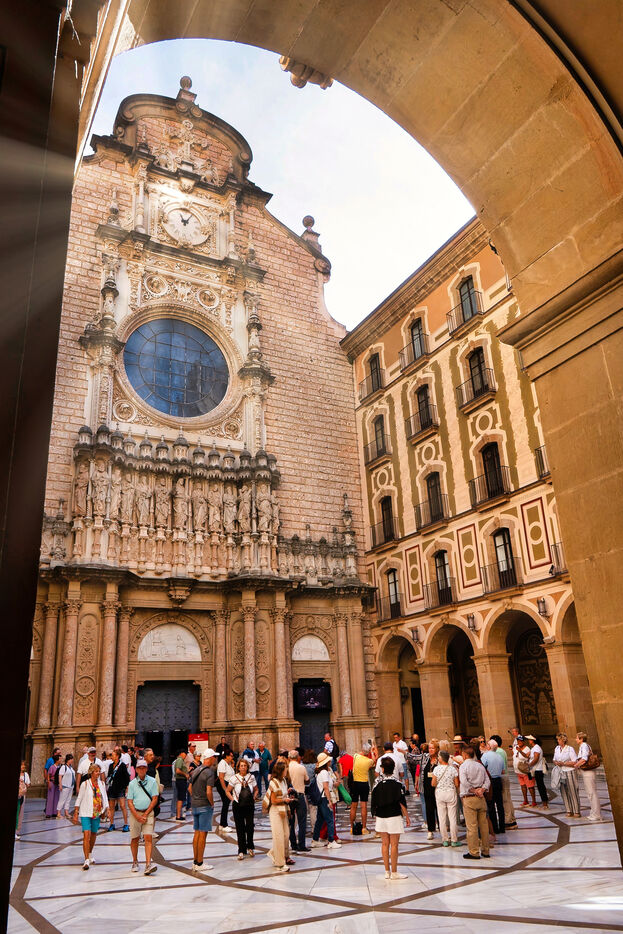
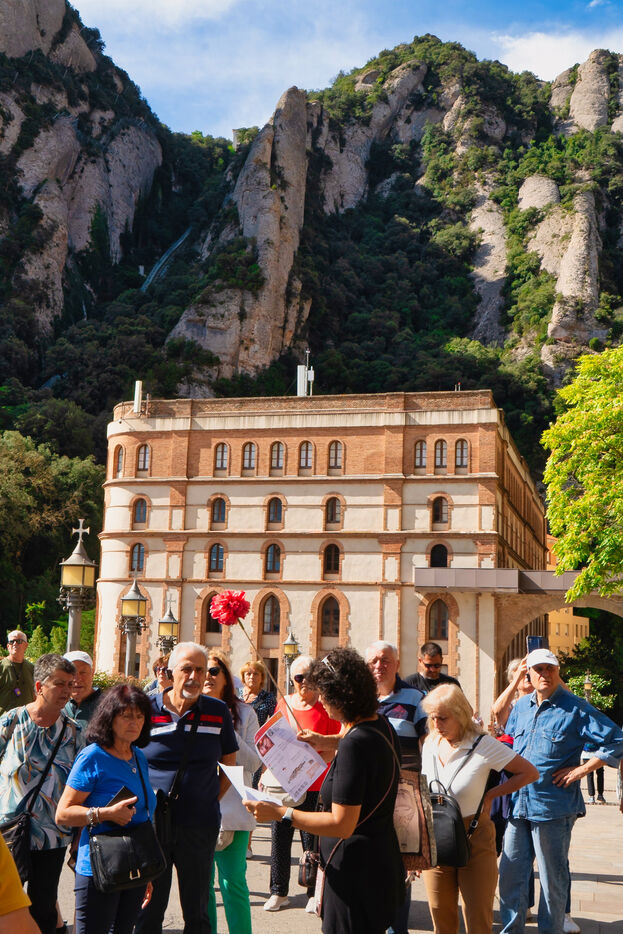
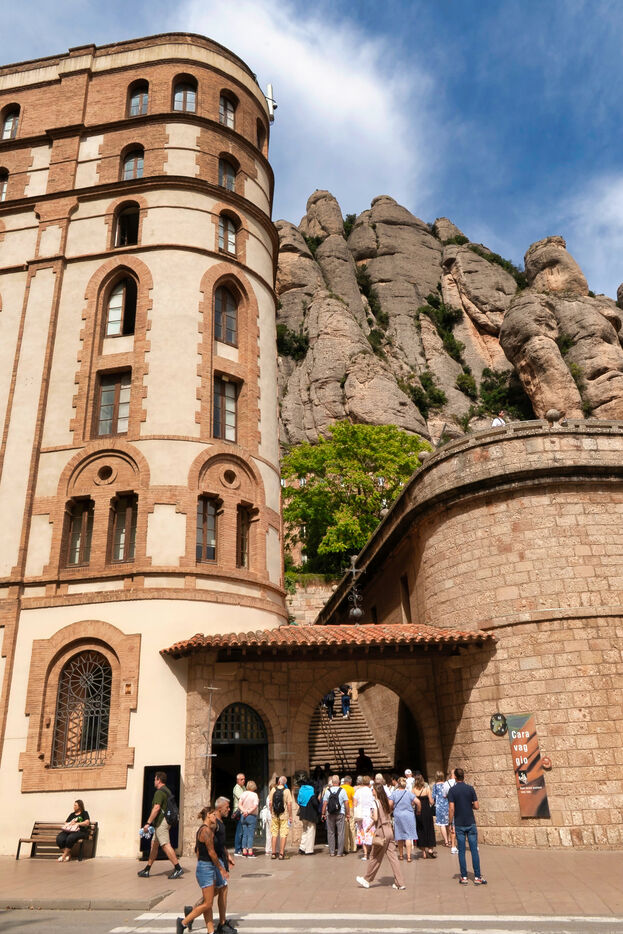
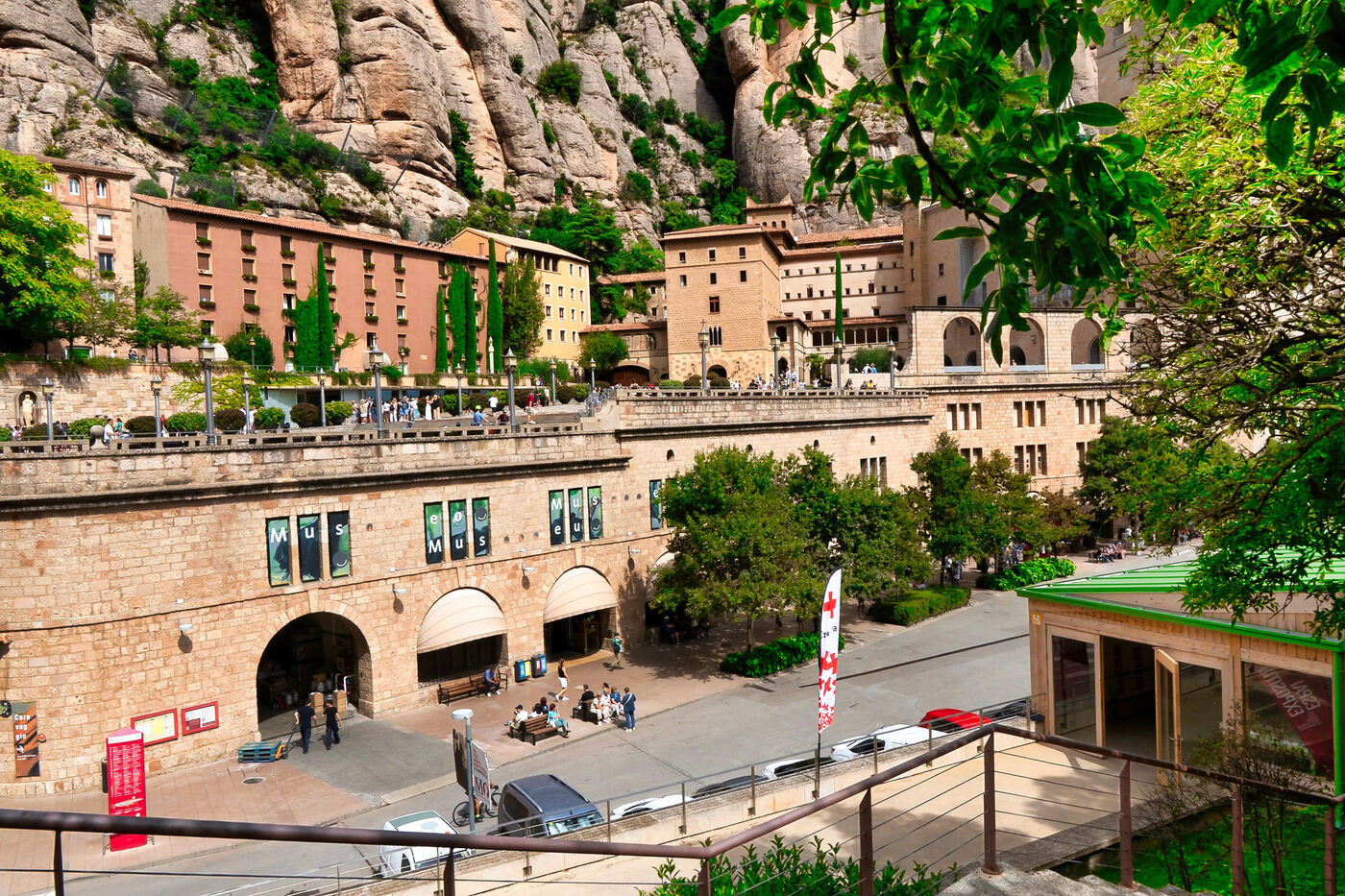
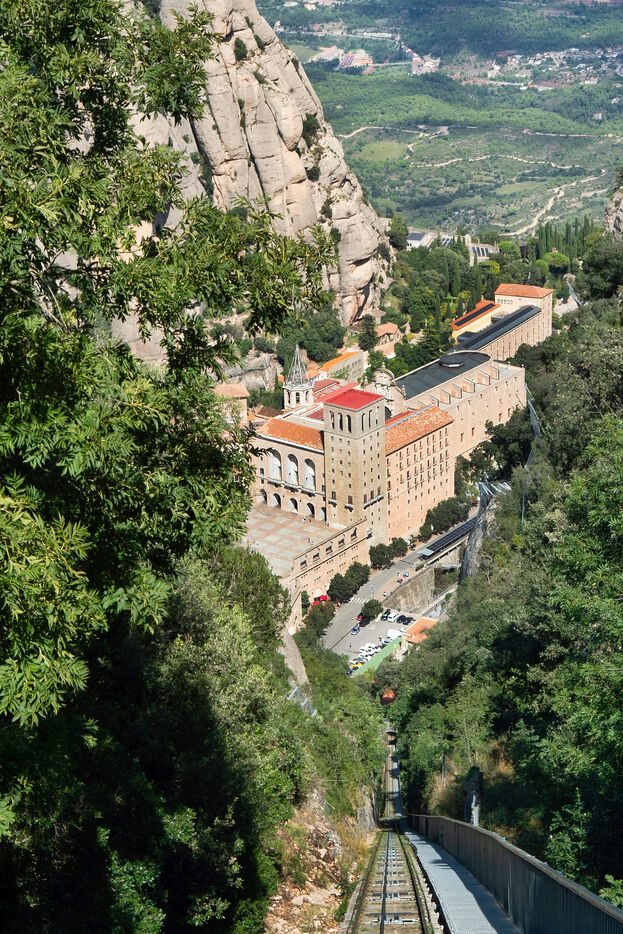
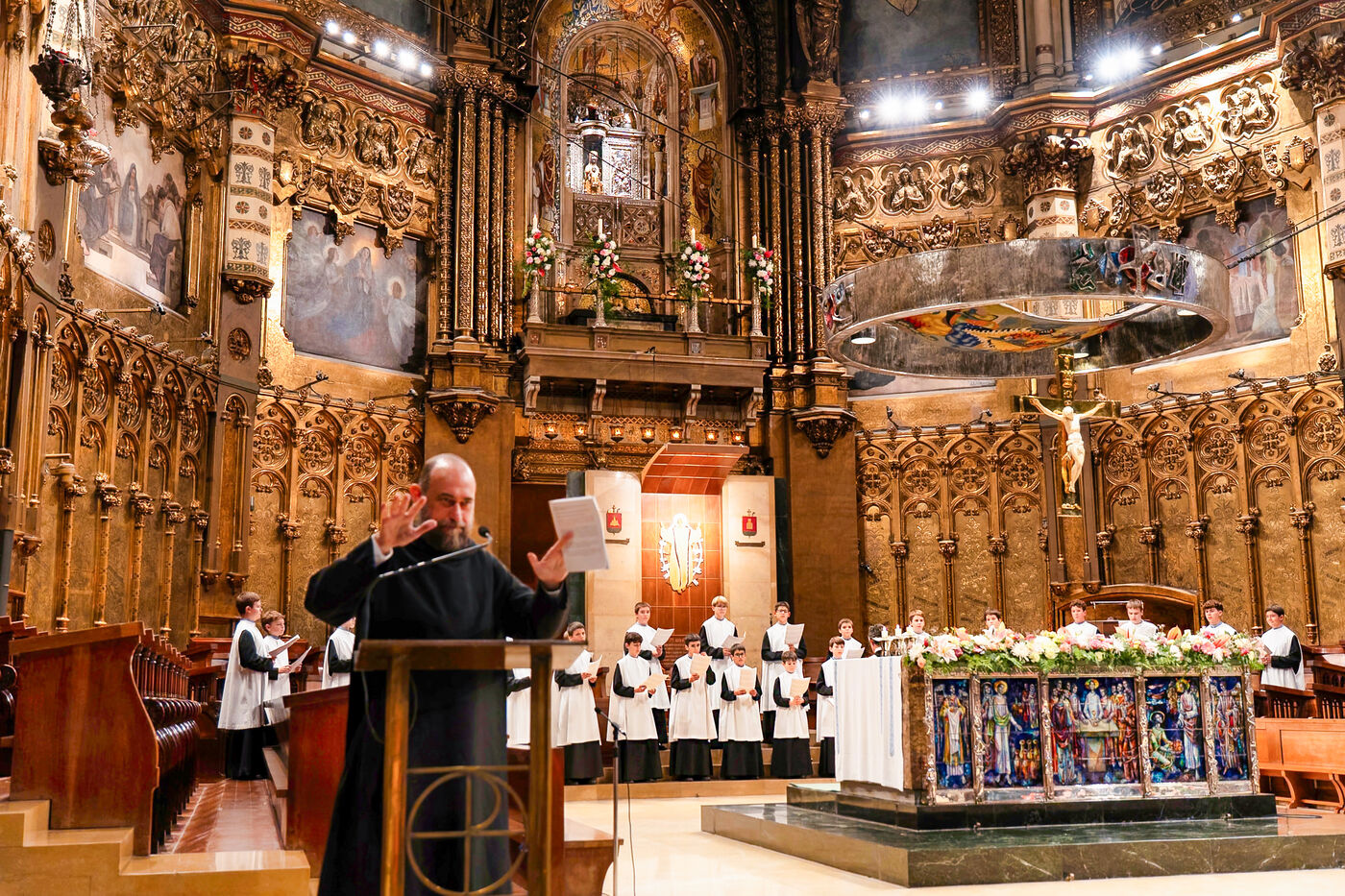
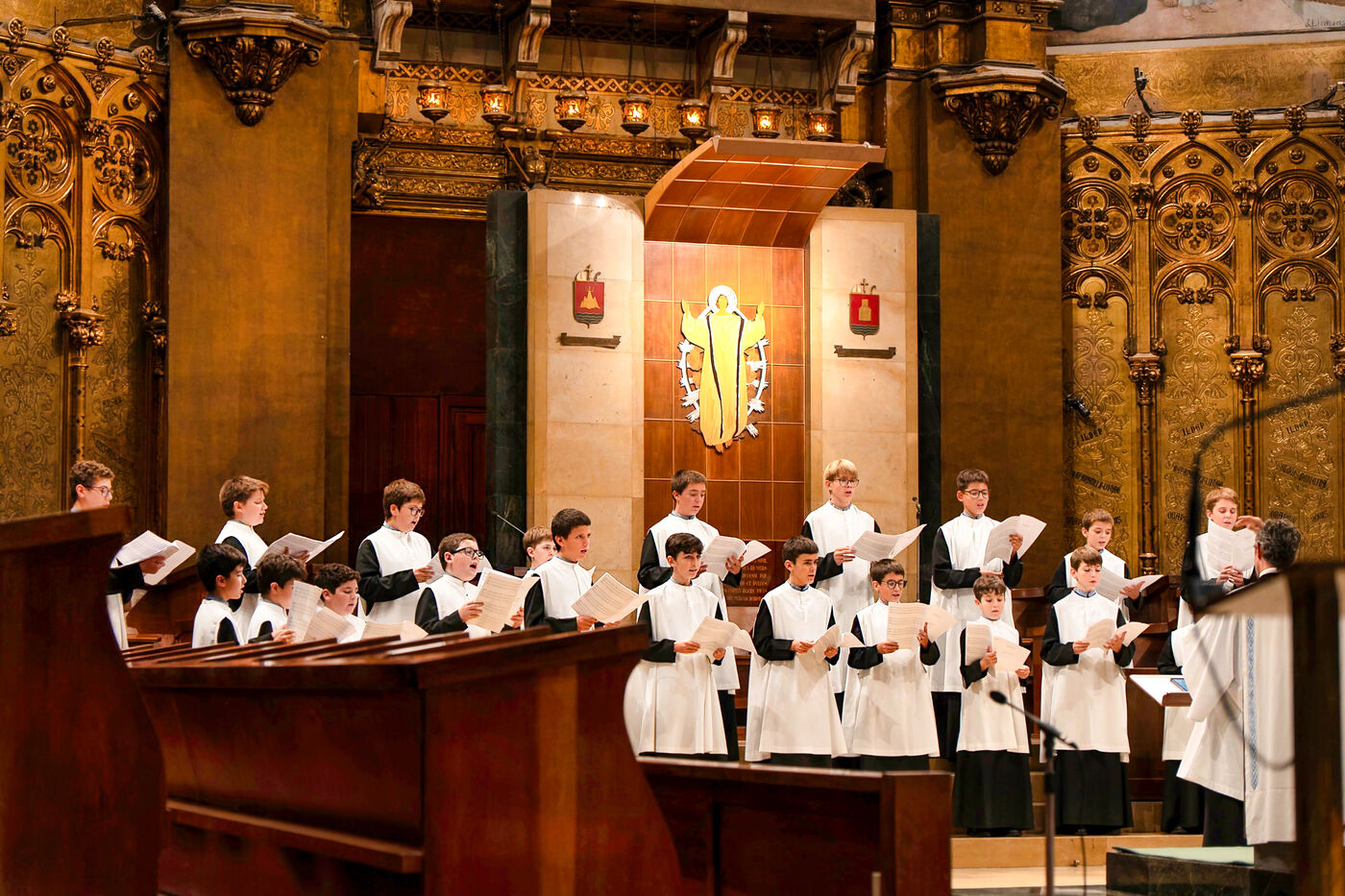
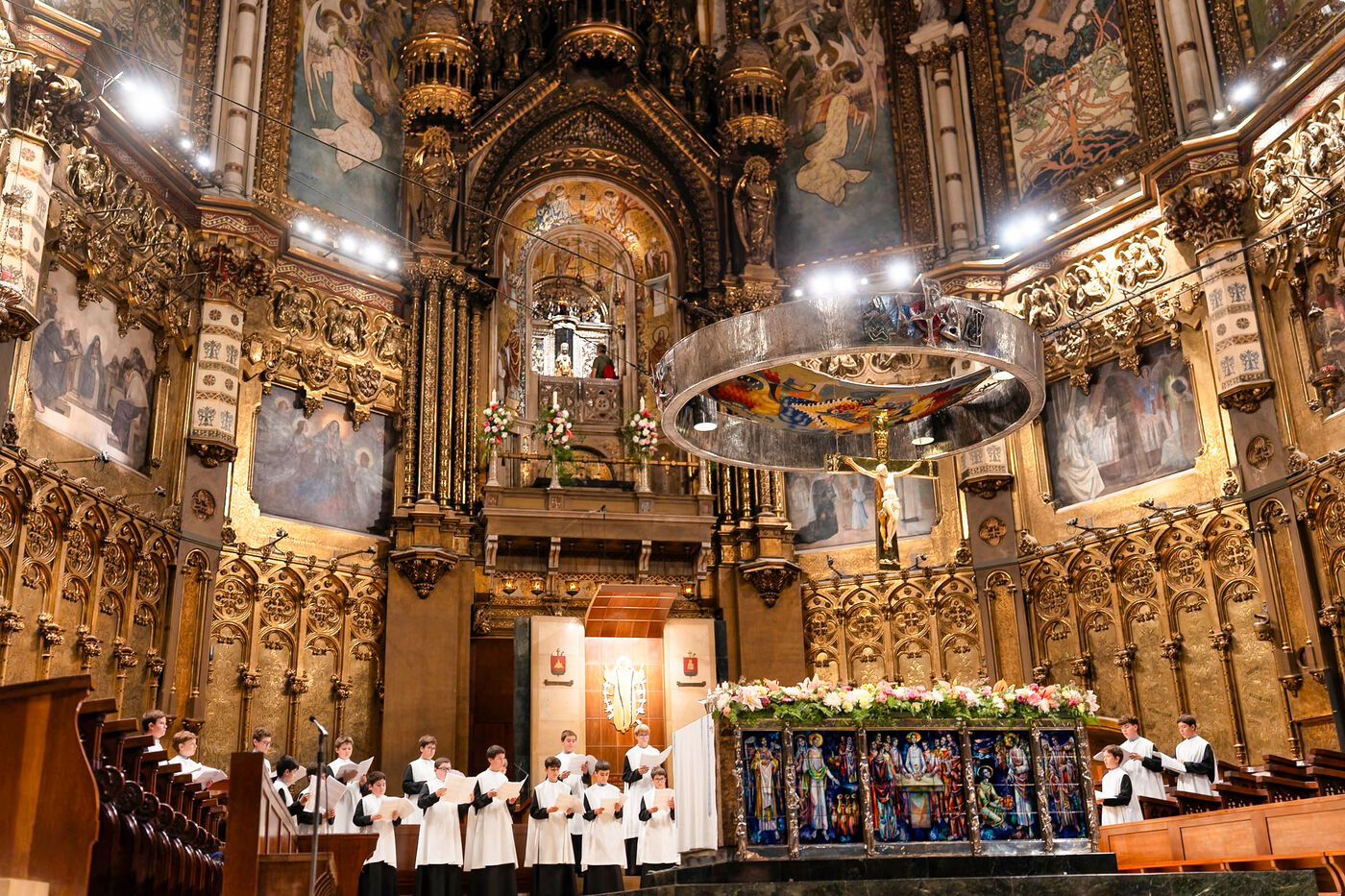
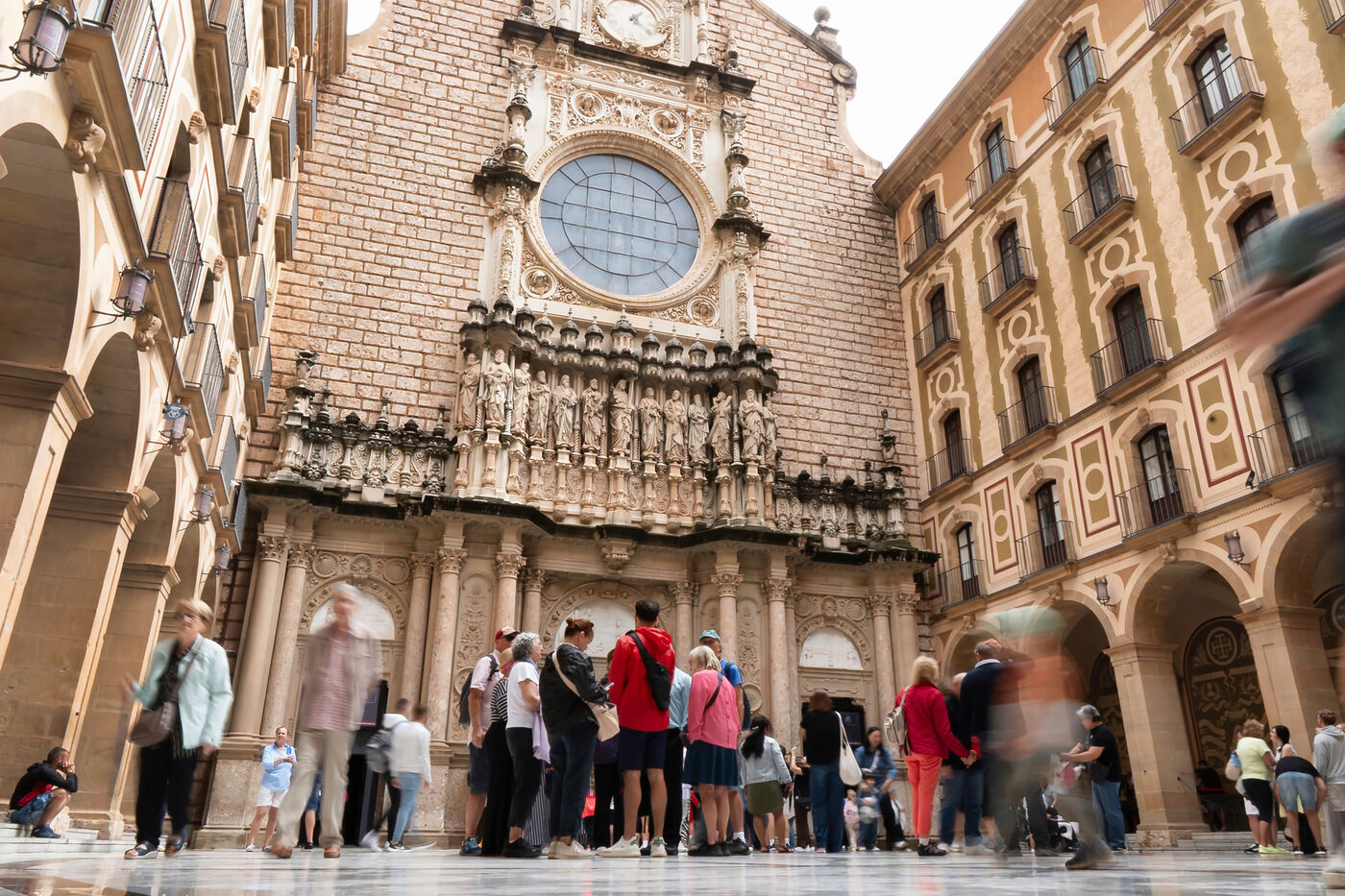
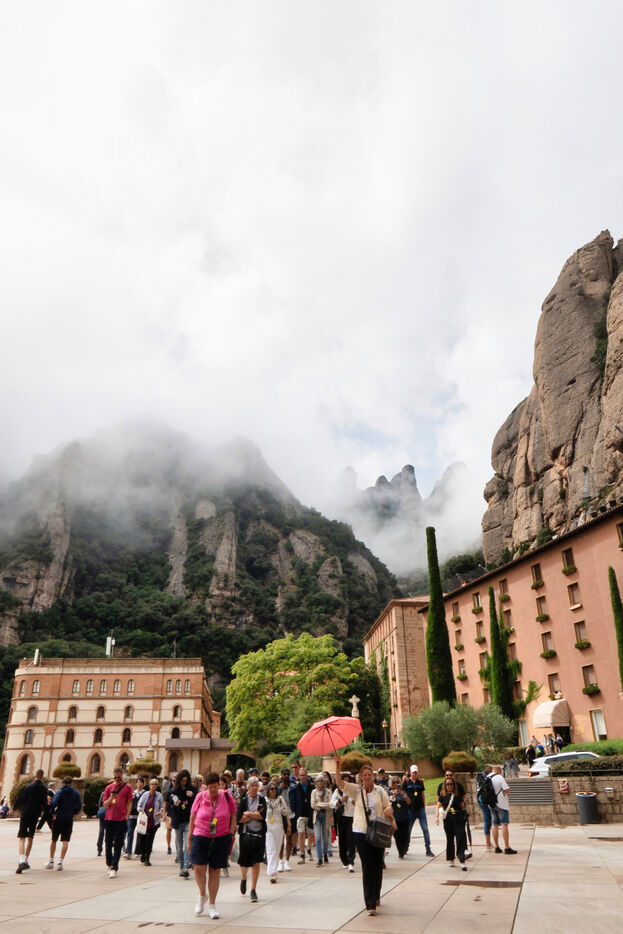
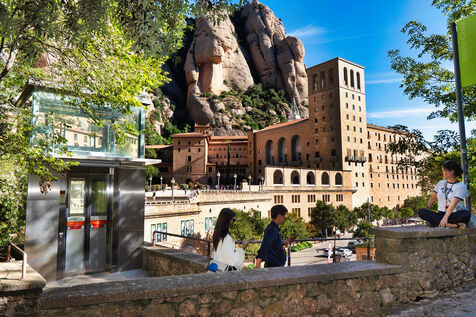
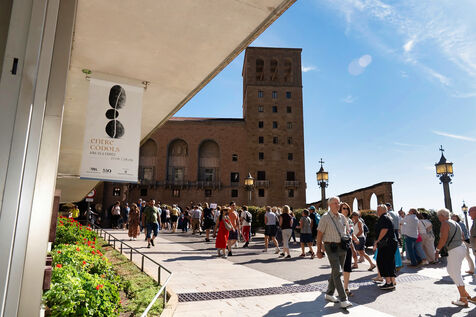
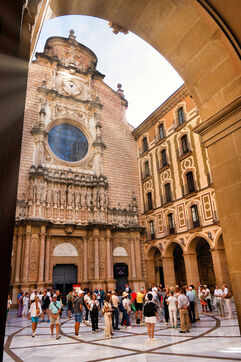
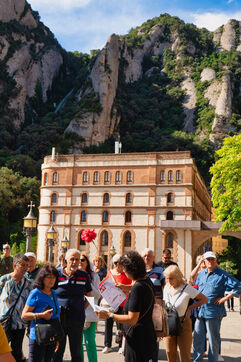
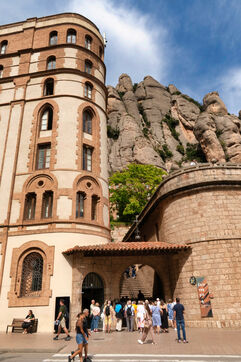
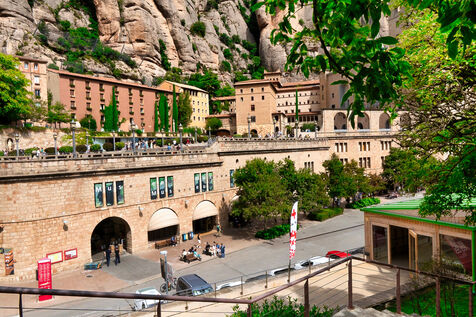
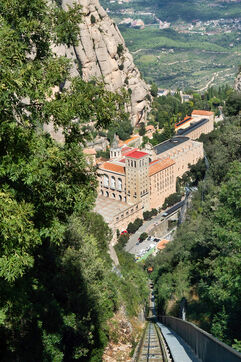
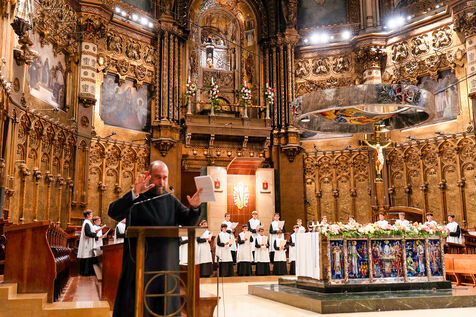
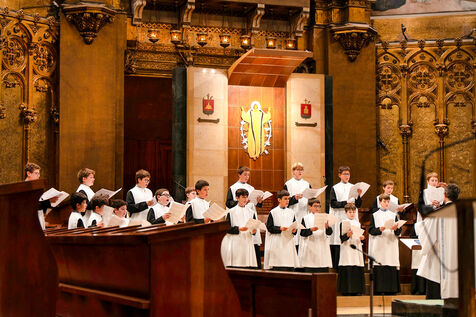
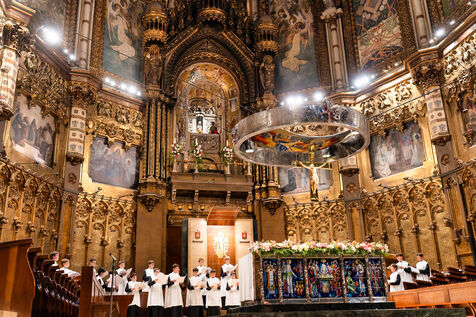
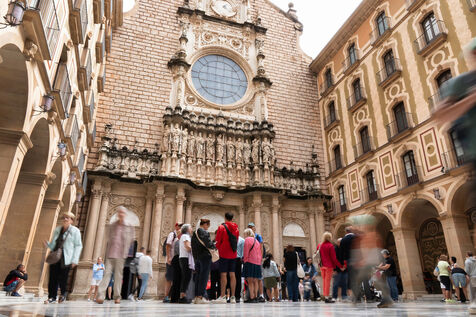
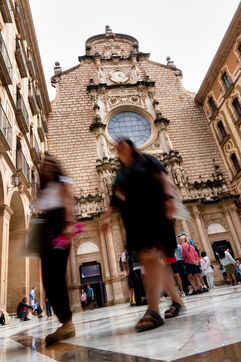
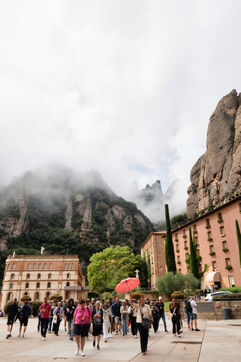
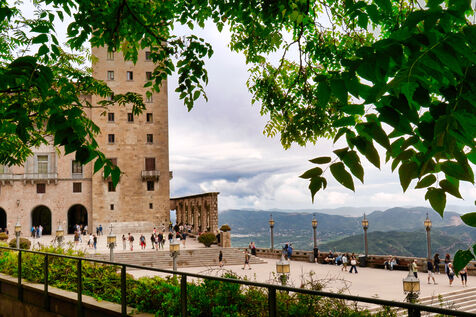
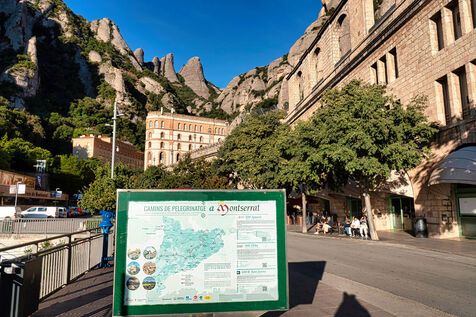
Aujourd’hui, Montserrat est à la fois un lieu de vie monastique et l’un des sites les plus visités de Catalogne. Chaque année, plusieurs millions de pèlerins et de visiteurs venus du monde entier gravissent la montagne pour se recueillir devant la Vierge noire, assister aux offices bénédictins ou découvrir un paysage naturel spectaculaire. Cette fréquentation exceptionnelle fait de Montserrat un carrefour où se croisent foi, tourisme, culture et nature.
Le millénaire constitue un moment clé pour le monastère, qui souhaite rappeler son identité profonde au-delà de son attractivité touristique. Fidèle à l’héritage de son fondateur et à la devise bénédictine Pax, Montserrat se présente comme un lieu d’accueil, de silence et de paix, ouvert à tous, croyants ou non. Entre tradition spirituelle et enjeux contemporains, la célébration de ce millénaire invite à relire mille ans d’histoire tout en interrogeant l’avenir d’un sanctuaire confronté aux défis du monde moderne.
Montserrat, a thousand years of Benedictine history: a Marian sanctuary of peace, faith and culture open to the world
In 2025, the monastery of Montserrat will celebrate the millennium of its foundation, marking one thousand years of a unique spiritual, cultural and historical legacy in Europe. Founded in 1025 by Benedictine monks sent by Abbot Oliba, the monastery developed alongside an earlier Marian hermitage, linked to the tradition of the apparition of the Virgin Mary in a cave on the mountain in the 9th century. According to legend, shepherds discovered an image of the Virgin — La Moreneta — inside a cave illuminated by mysterious lights and chants, giving rise to one of the most important Marian sanctuaries in the Mediterranean.
Today, Montserrat is both a living Benedictine monastery and one of the most visited sites in Catalonia. Every year, several million pilgrims and visitors from around the world climb the mountain to venerate the Black Madonna, attend monastic services or explore the dramatic natural landscape. This exceptional level of attendance makes Montserrat a crossroads where faith, tourism, culture and nature converge.
The millennium represents a pivotal moment for the monastery, offering an opportunity to reaffirm its deeper identity beyond its tourist appeal. Faithful to the legacy of its founder and to the Benedictine motto Pax, Montserrat presents itself as a place of welcome, silence and peace, open to all, believers and non-believers alike. Between spiritual tradition and contemporary challenges, the celebration of this millennium invites reflection on a thousand years of history while looking toward the future of a sanctuary shaped by both devotion and the modern world.