Sandy, devenue non voyante après des violences conjugales, fait face à une administration incapable de l'aider
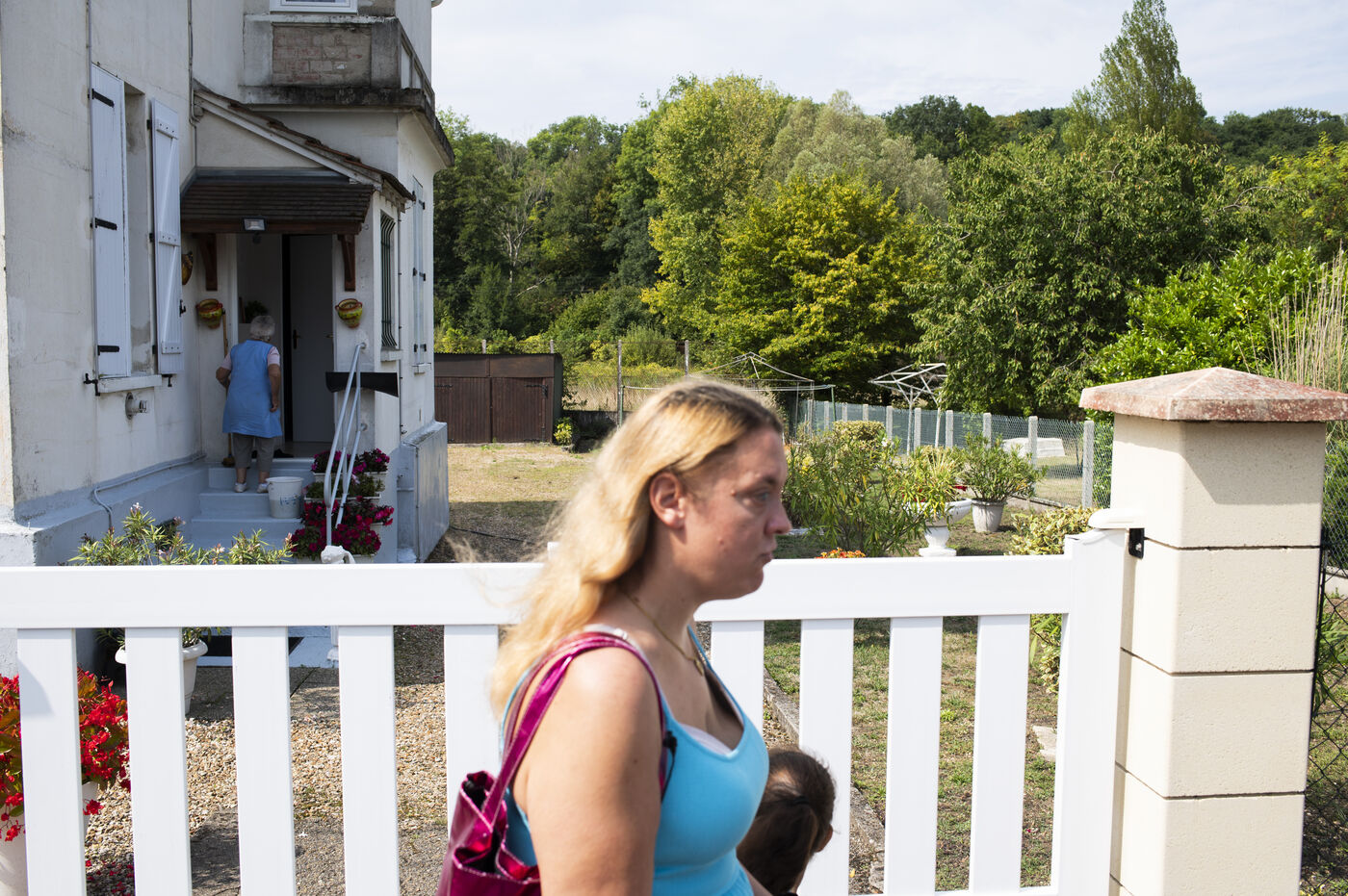
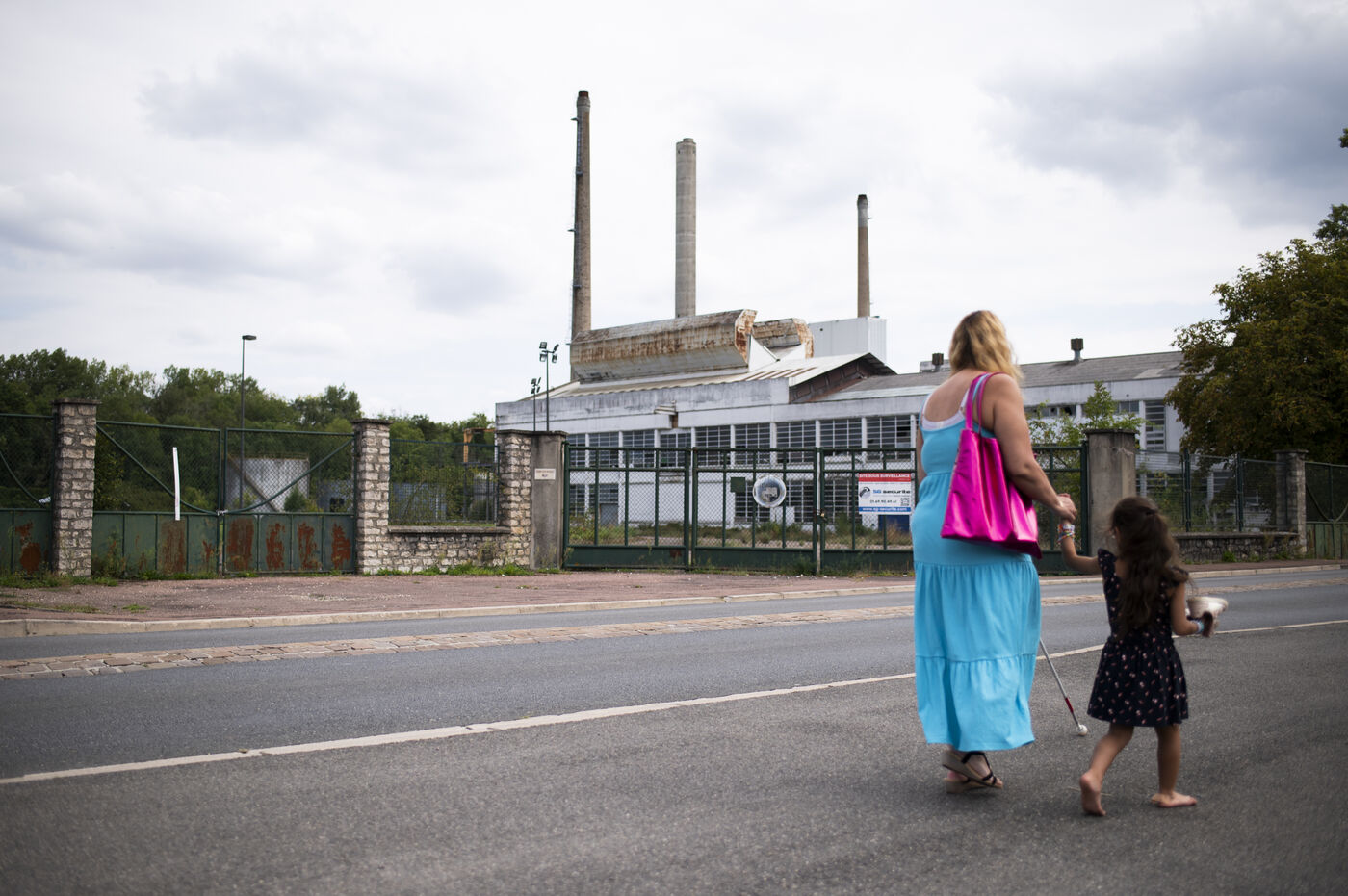
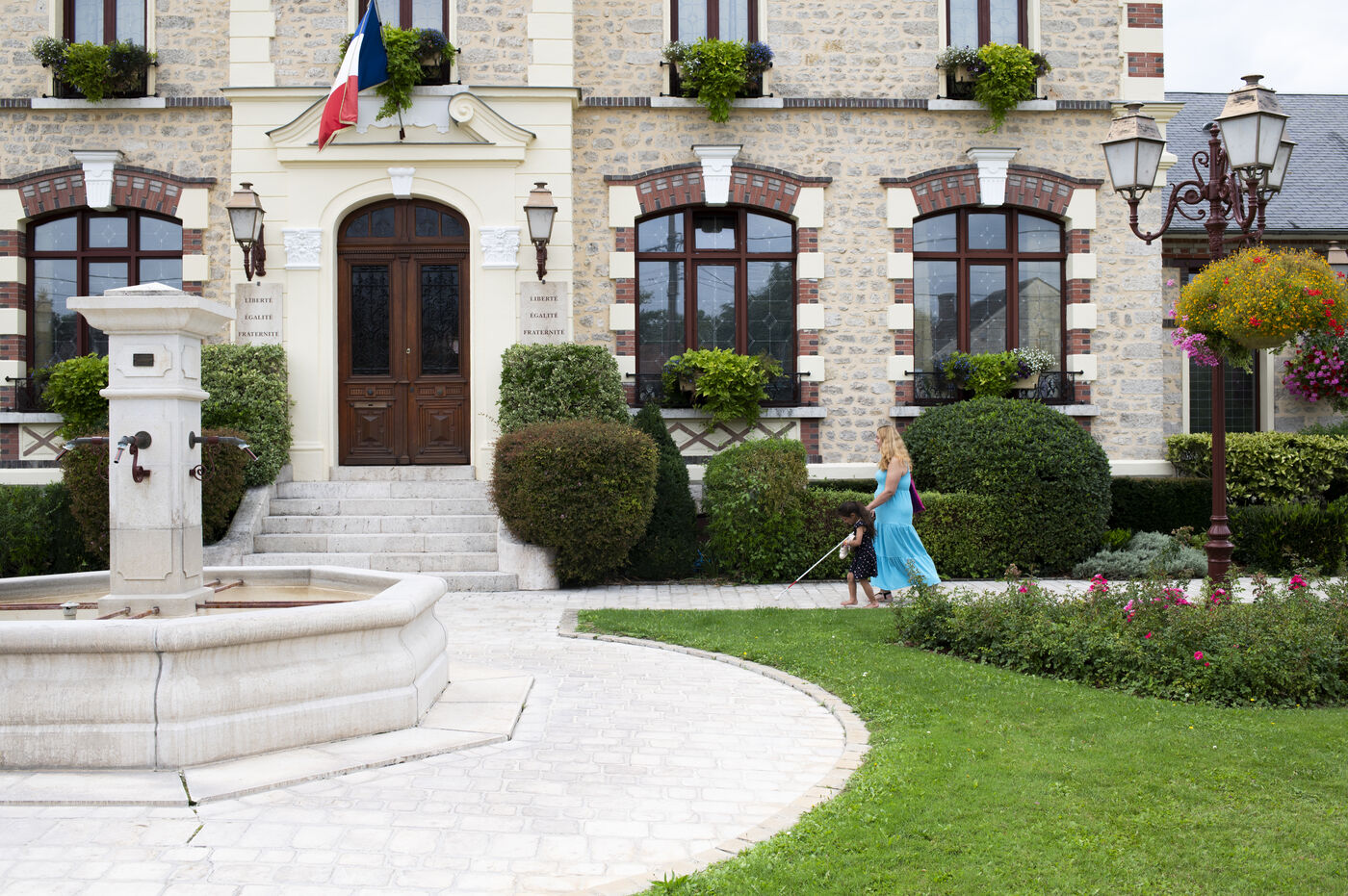
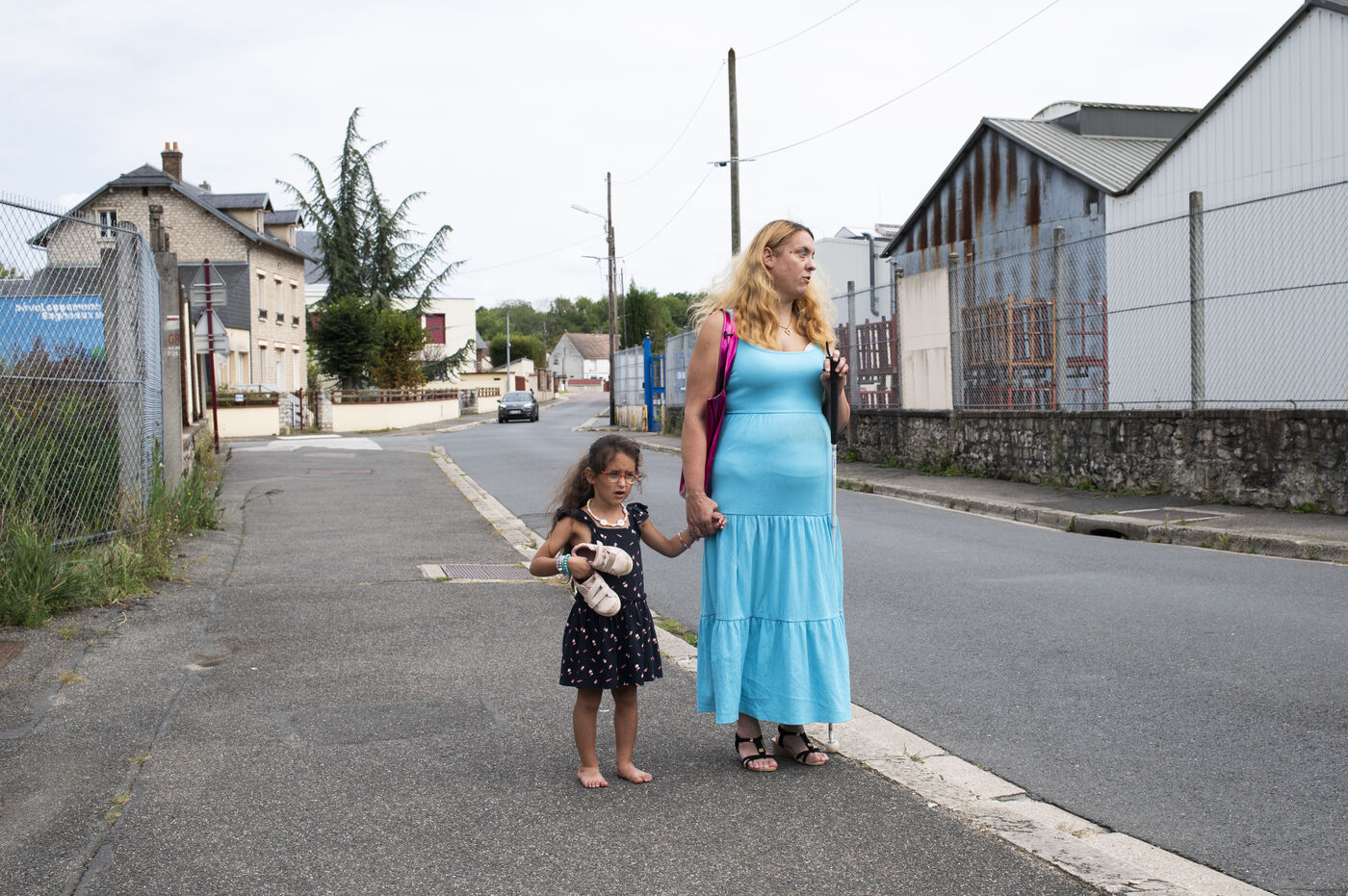
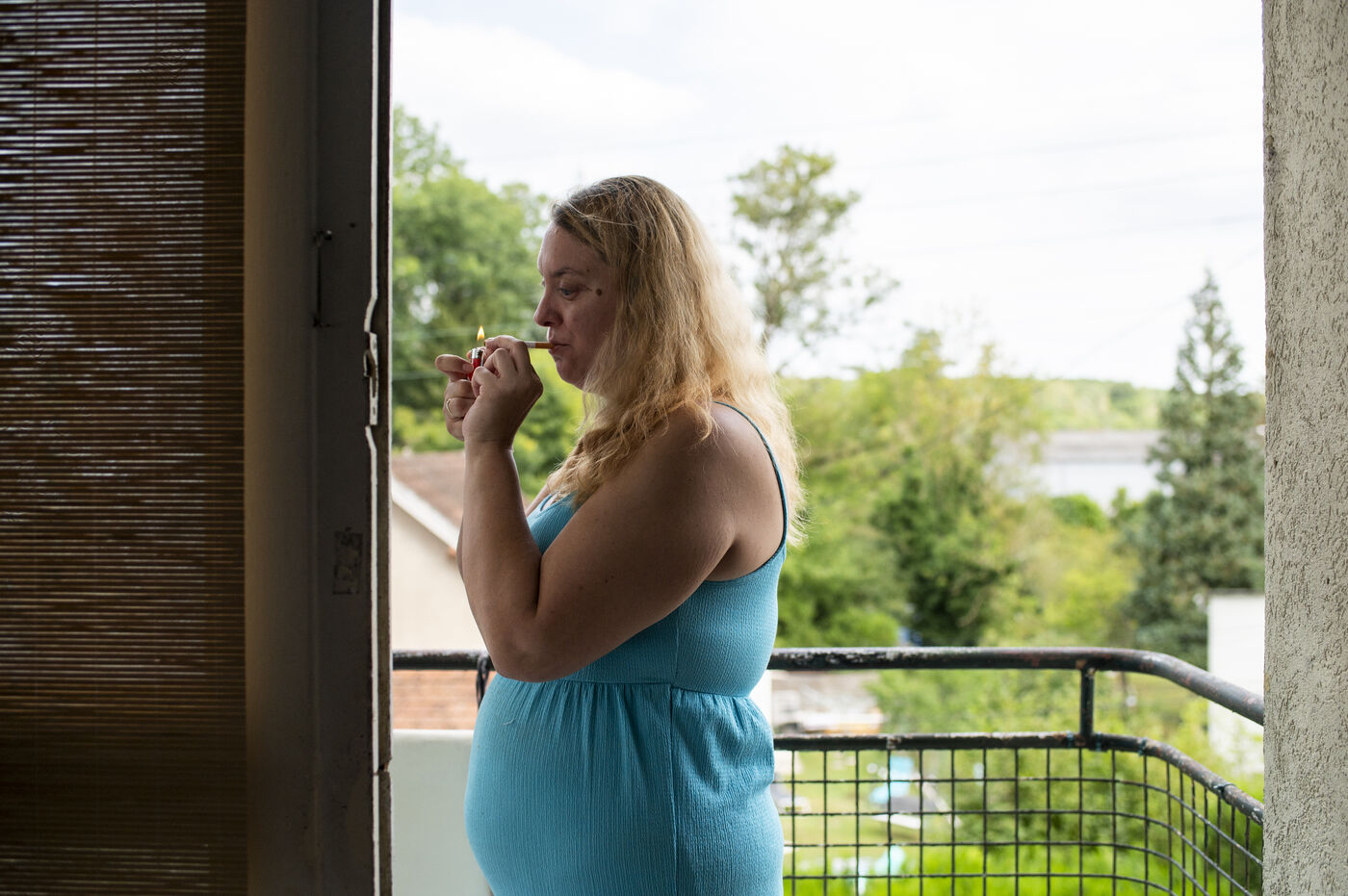
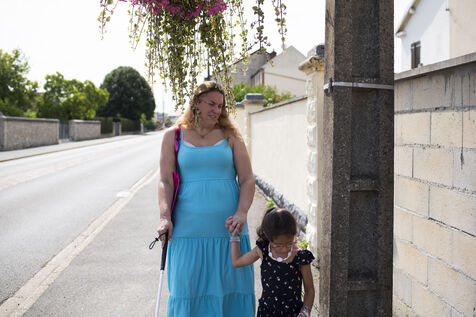
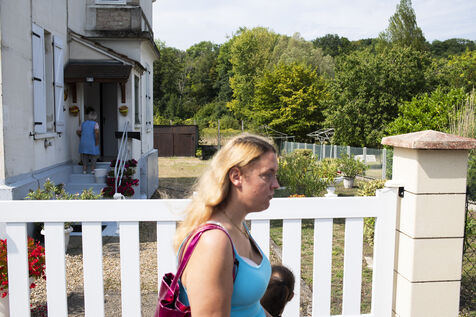
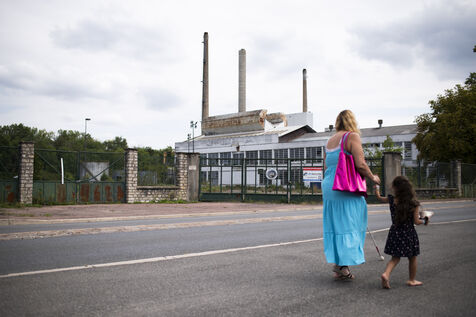
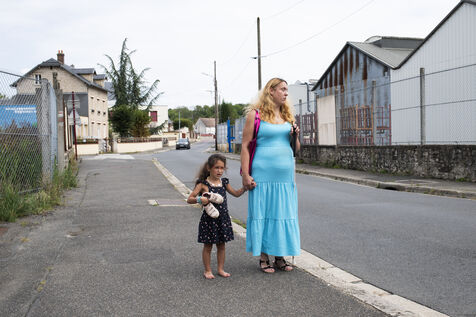
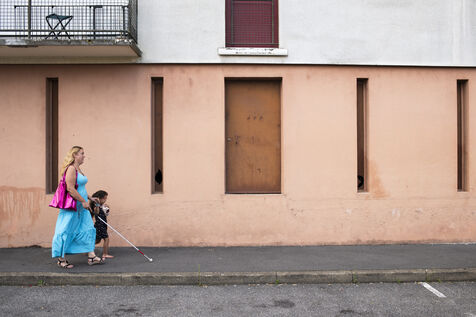
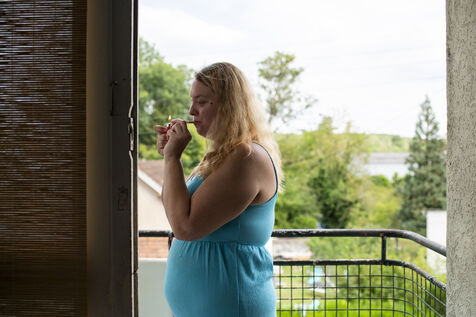
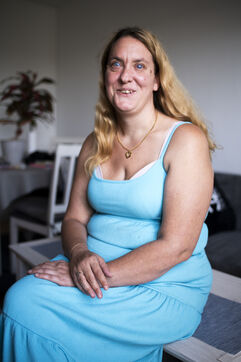
Sandy a 40 ans. Depuis quatre ans, elle habite Bagneaux-sur-Loing, l'une de ces communes rurales du sud de la Seine-et-Marne qui connaît, depuis le Covid, un regain d'intérêt. Mais, si certains quittent Paris pour se mettre ici au vert, Sandy, elle, aimerait bien faire le chemin inverse. Quitter cet endroit totalement inadapté pour elle, pour enfin vivre sa vie dans la capitale.
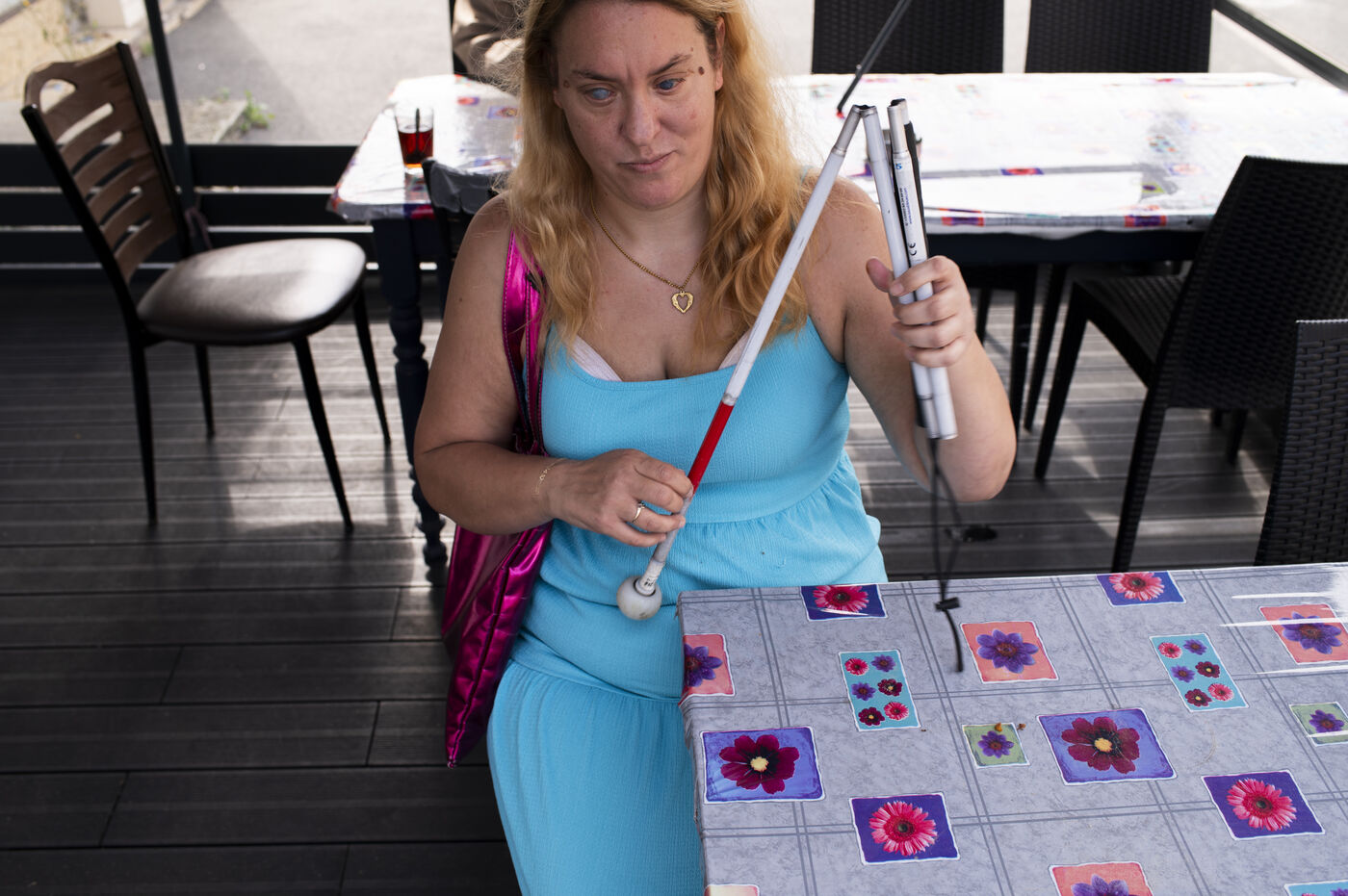
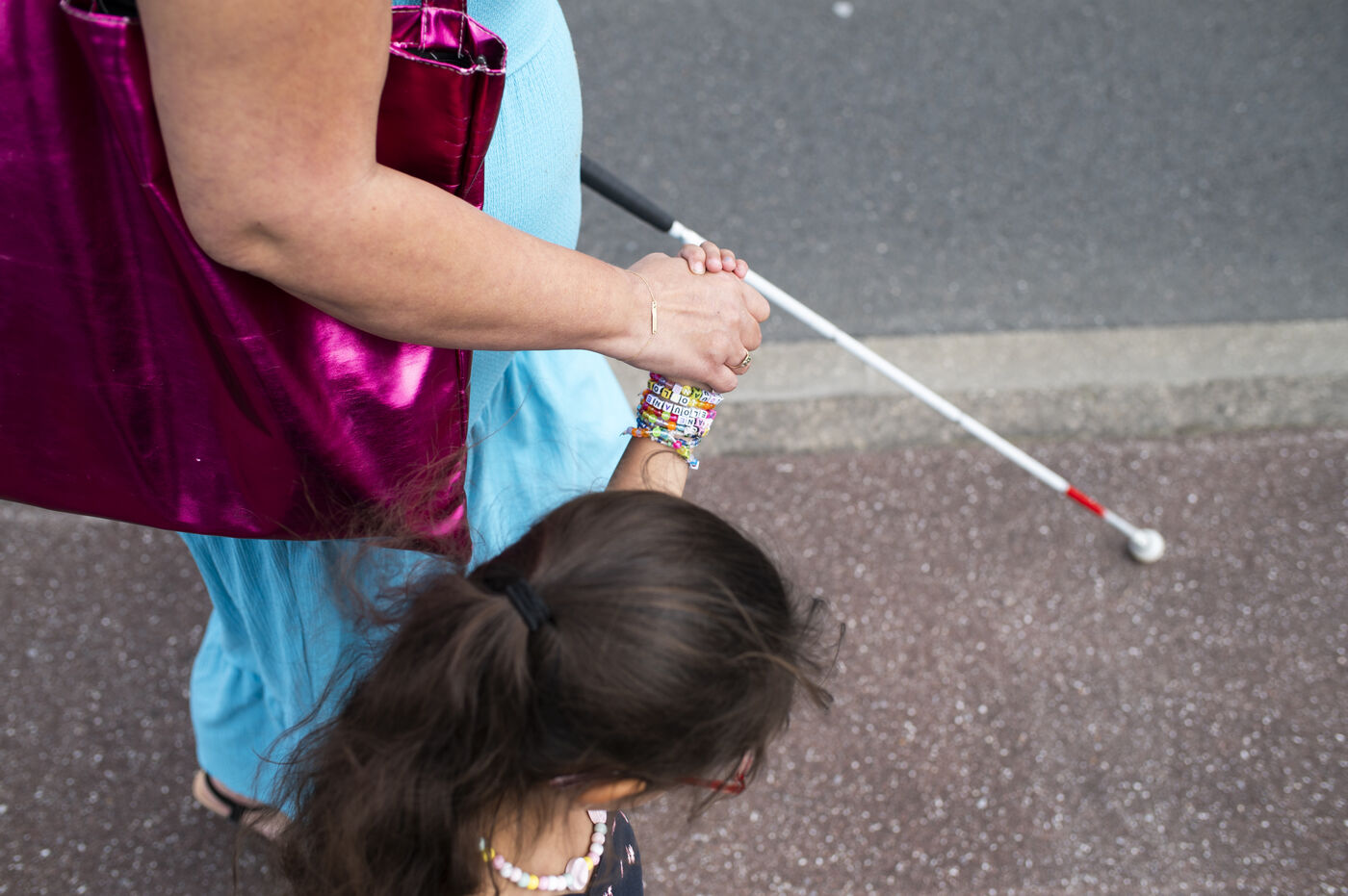
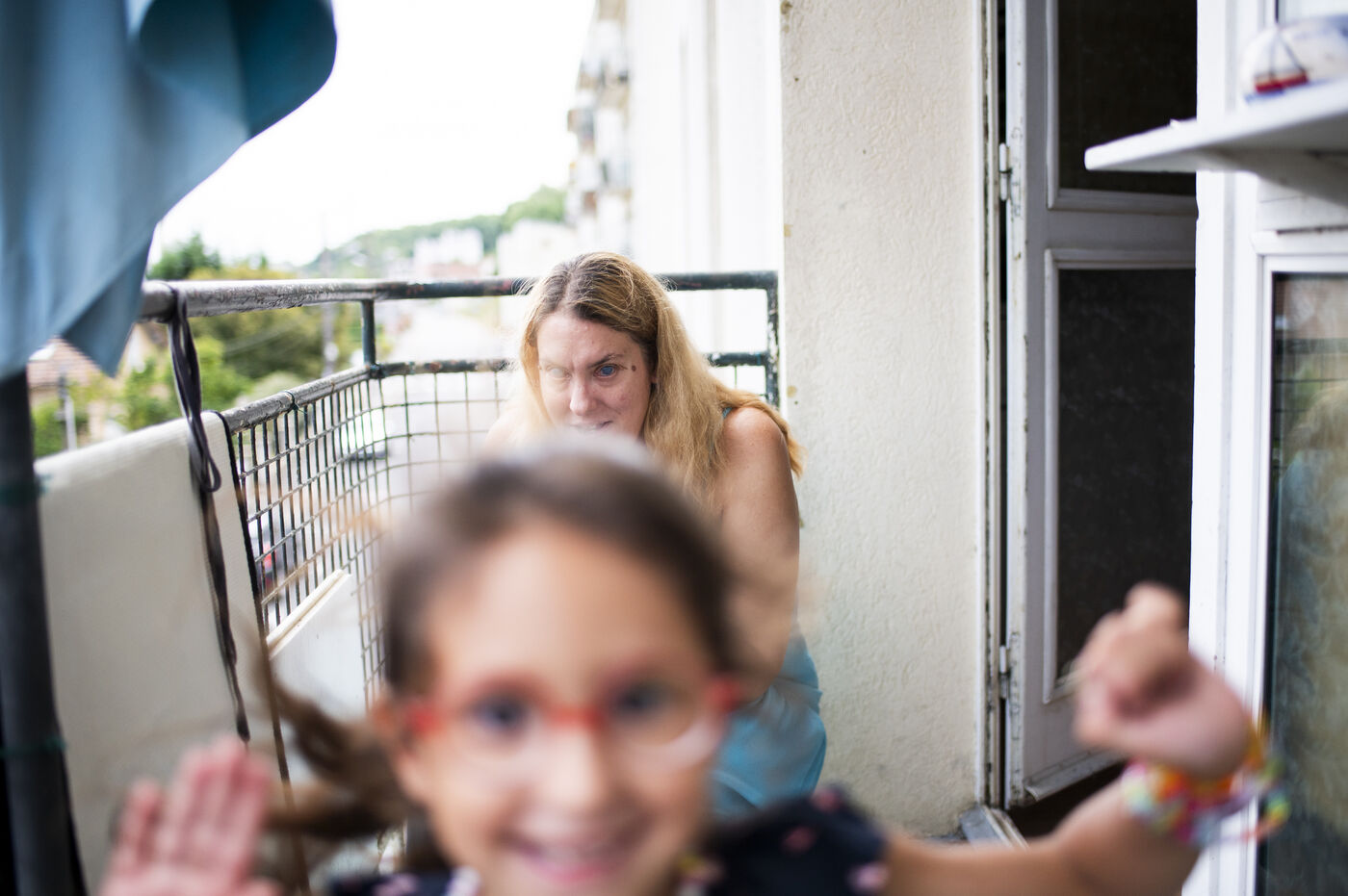
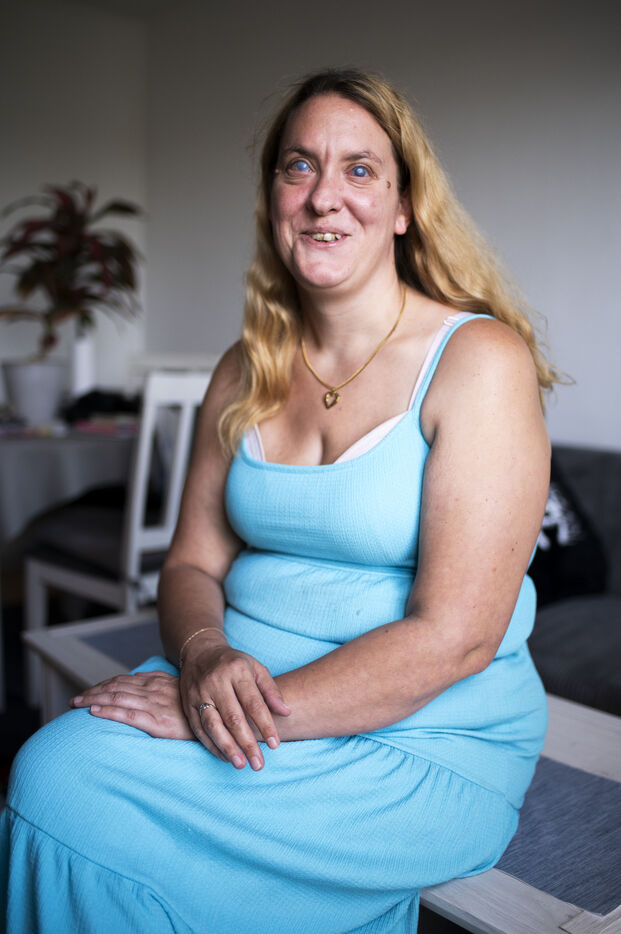
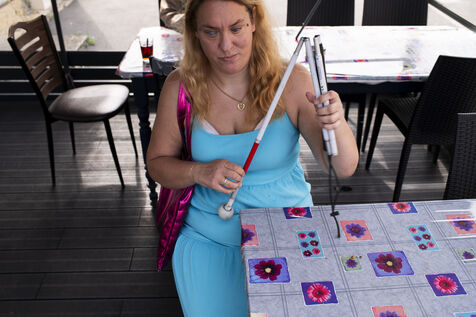
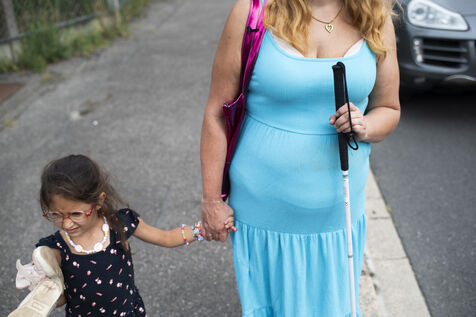
Malvoyante à la naissance, elle perd, à 26 ans, l'usage de son œil valide après avoir été frappée par un ex-compagnon qui n'avait eu de cesse de la battre, de la violer.
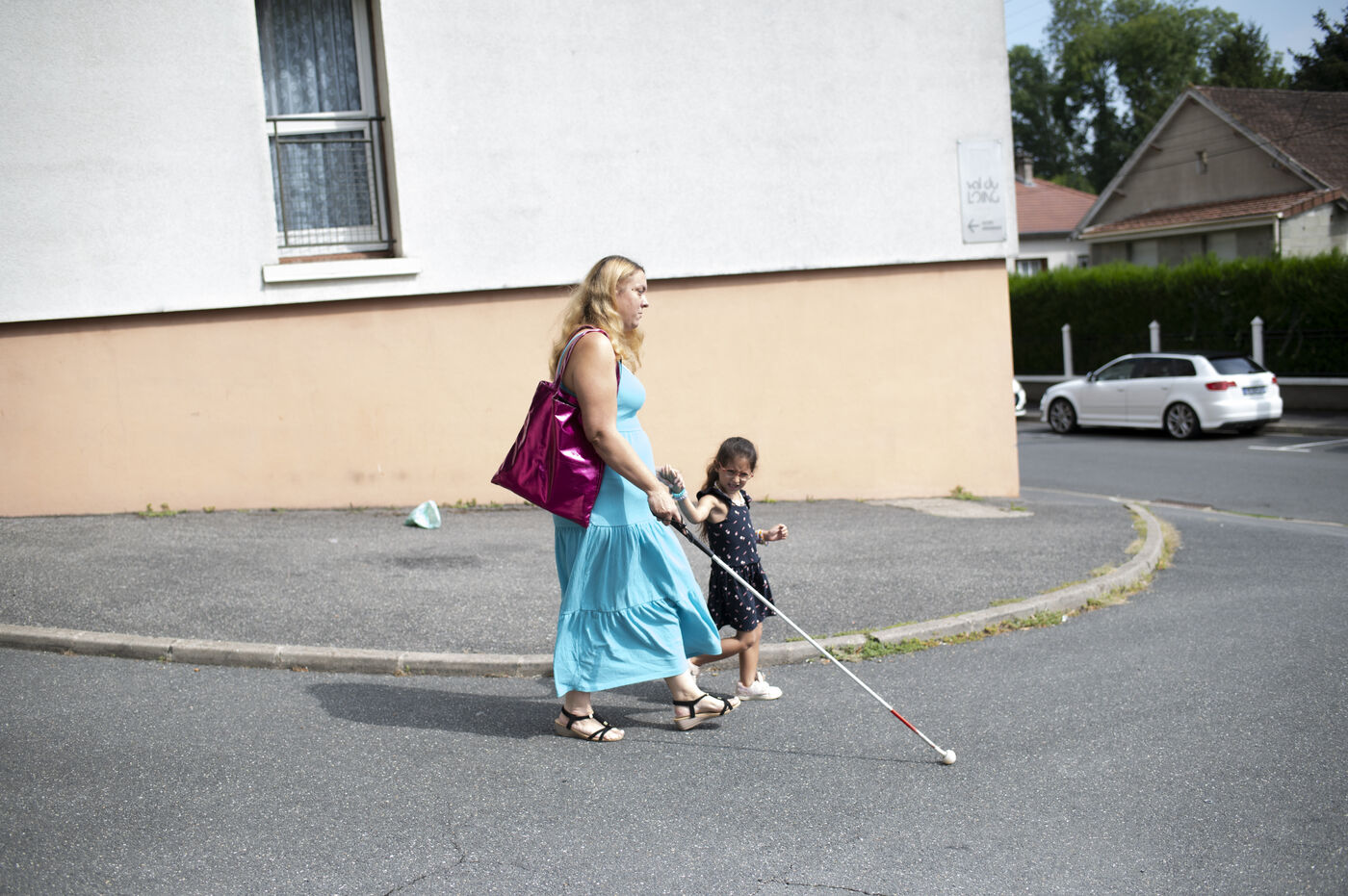
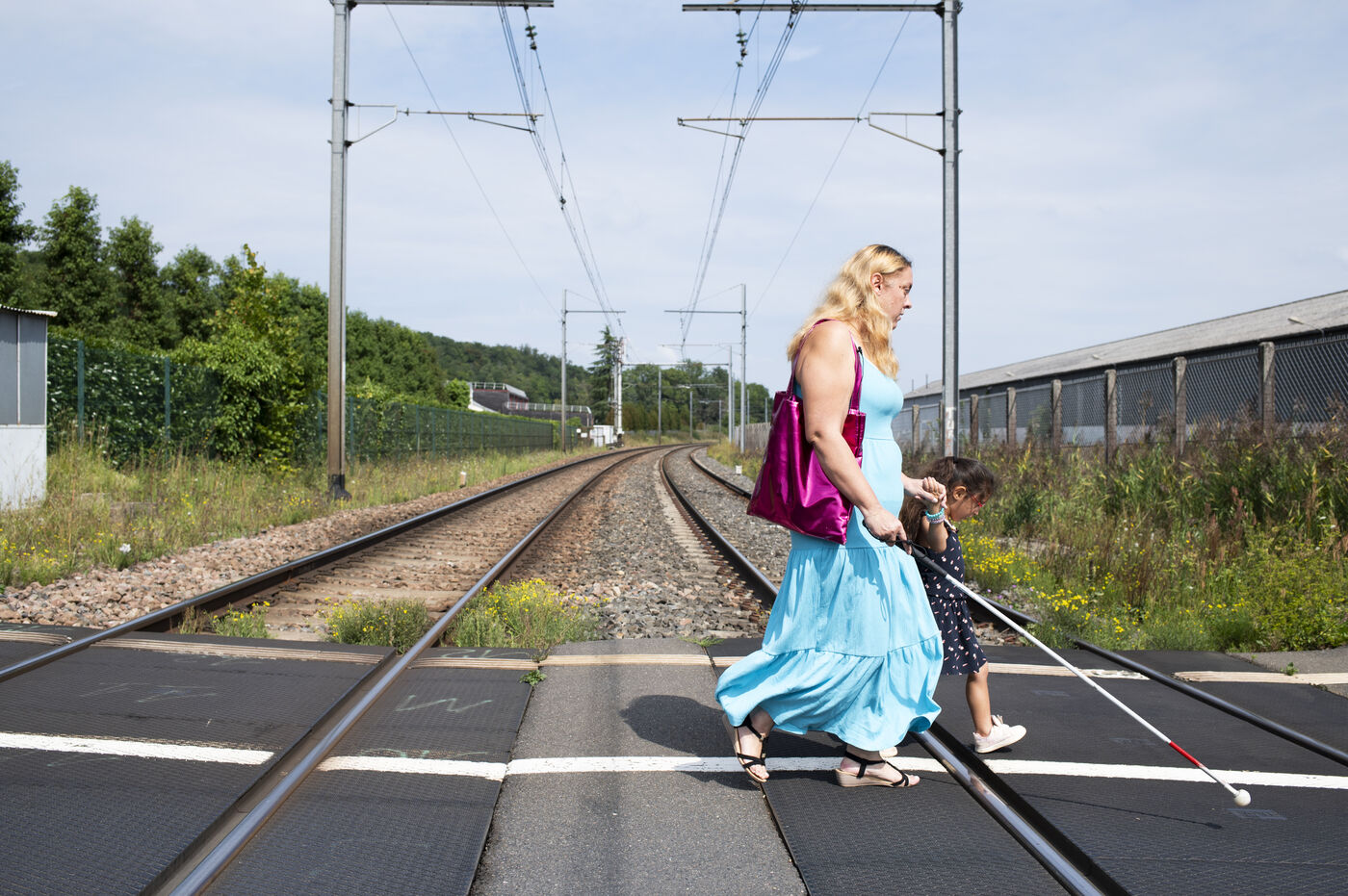
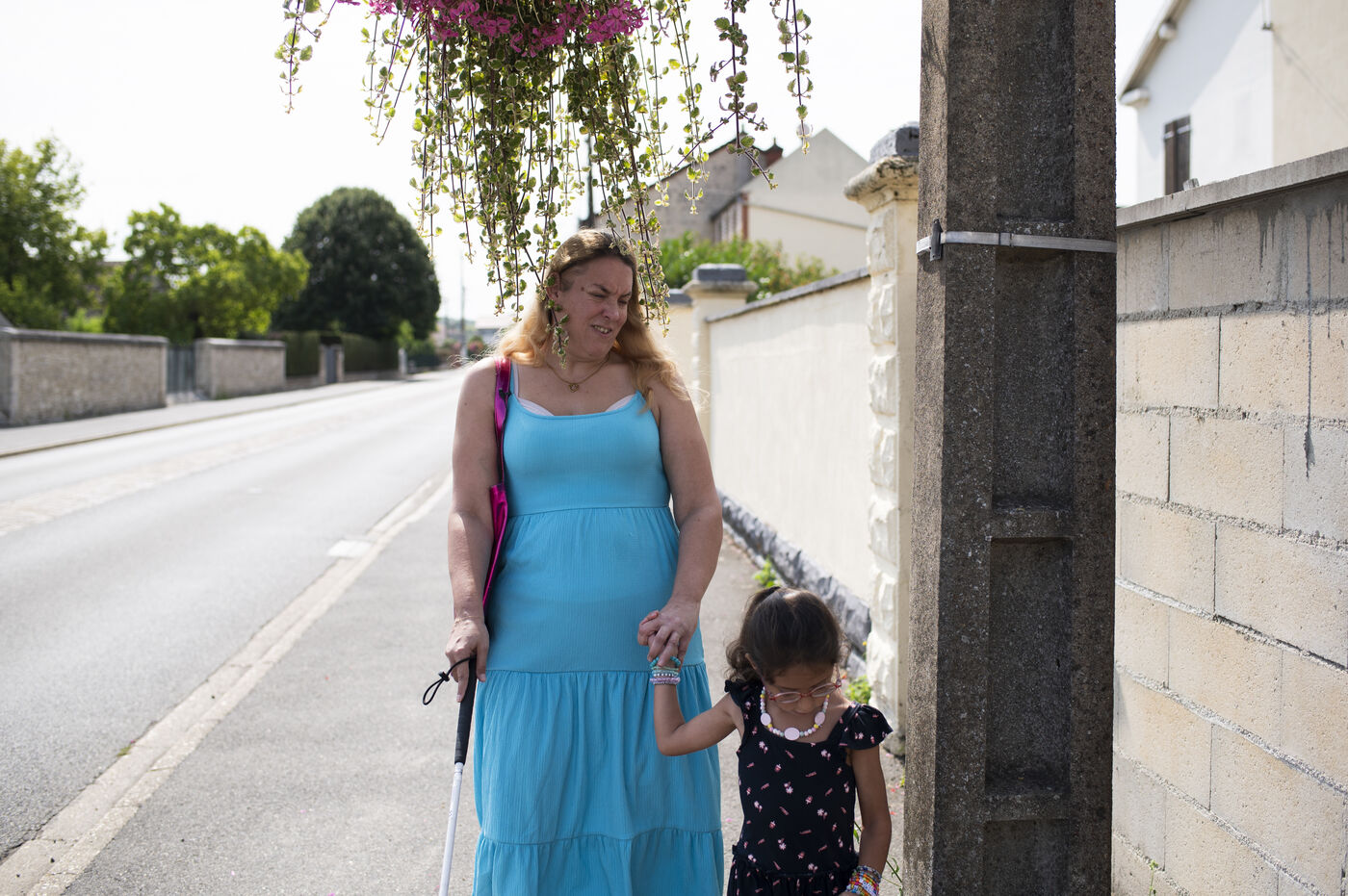
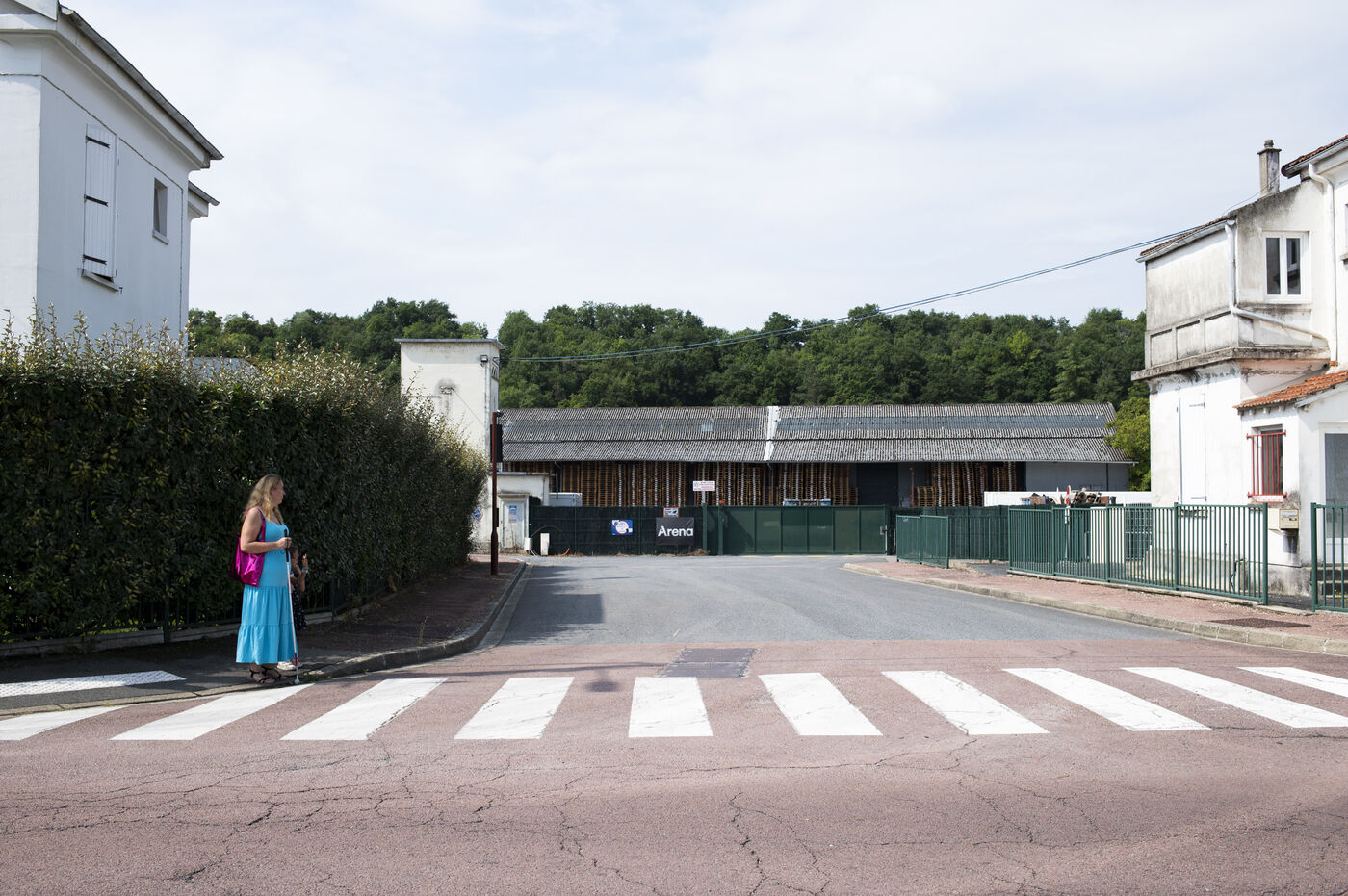
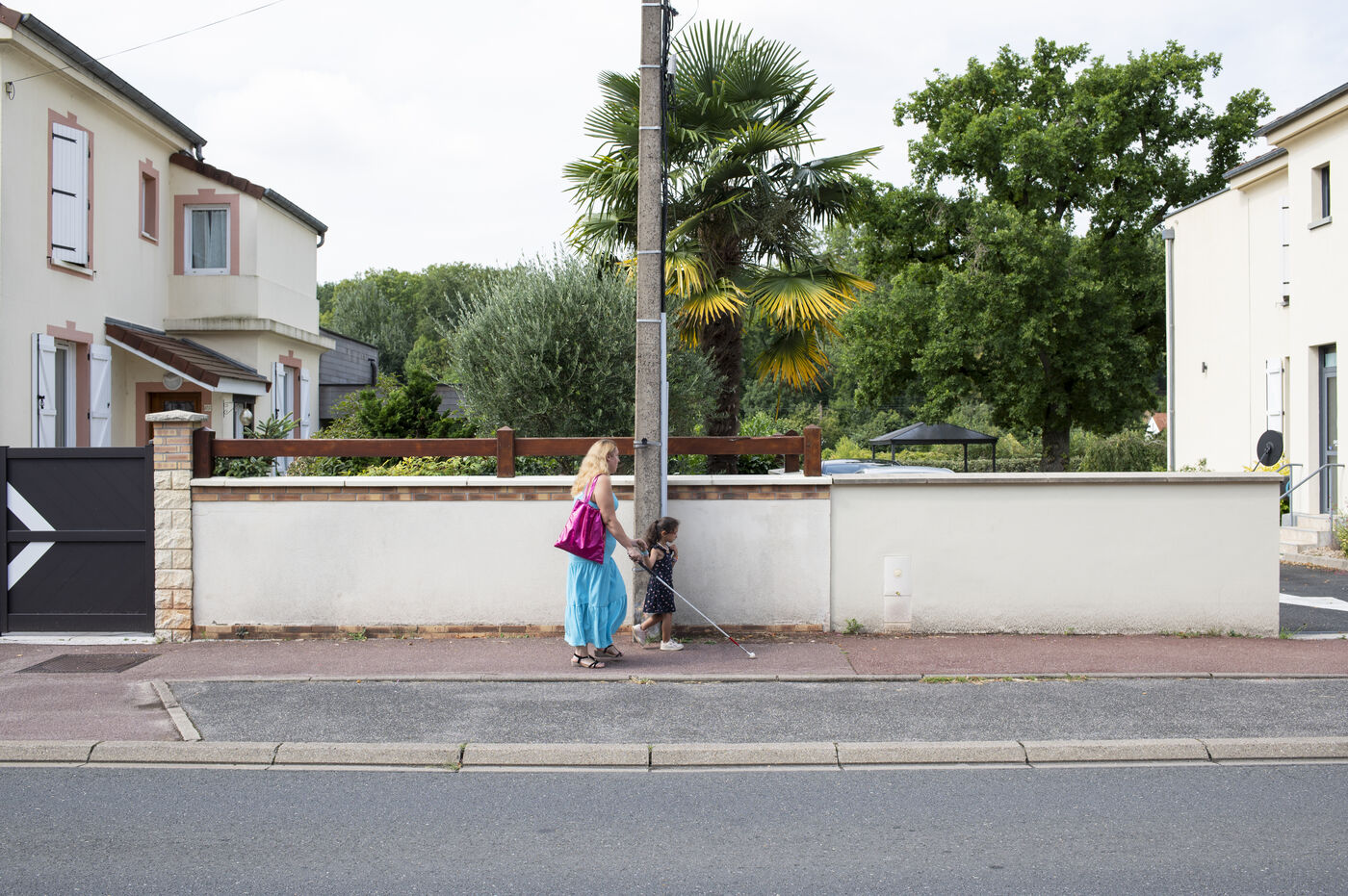
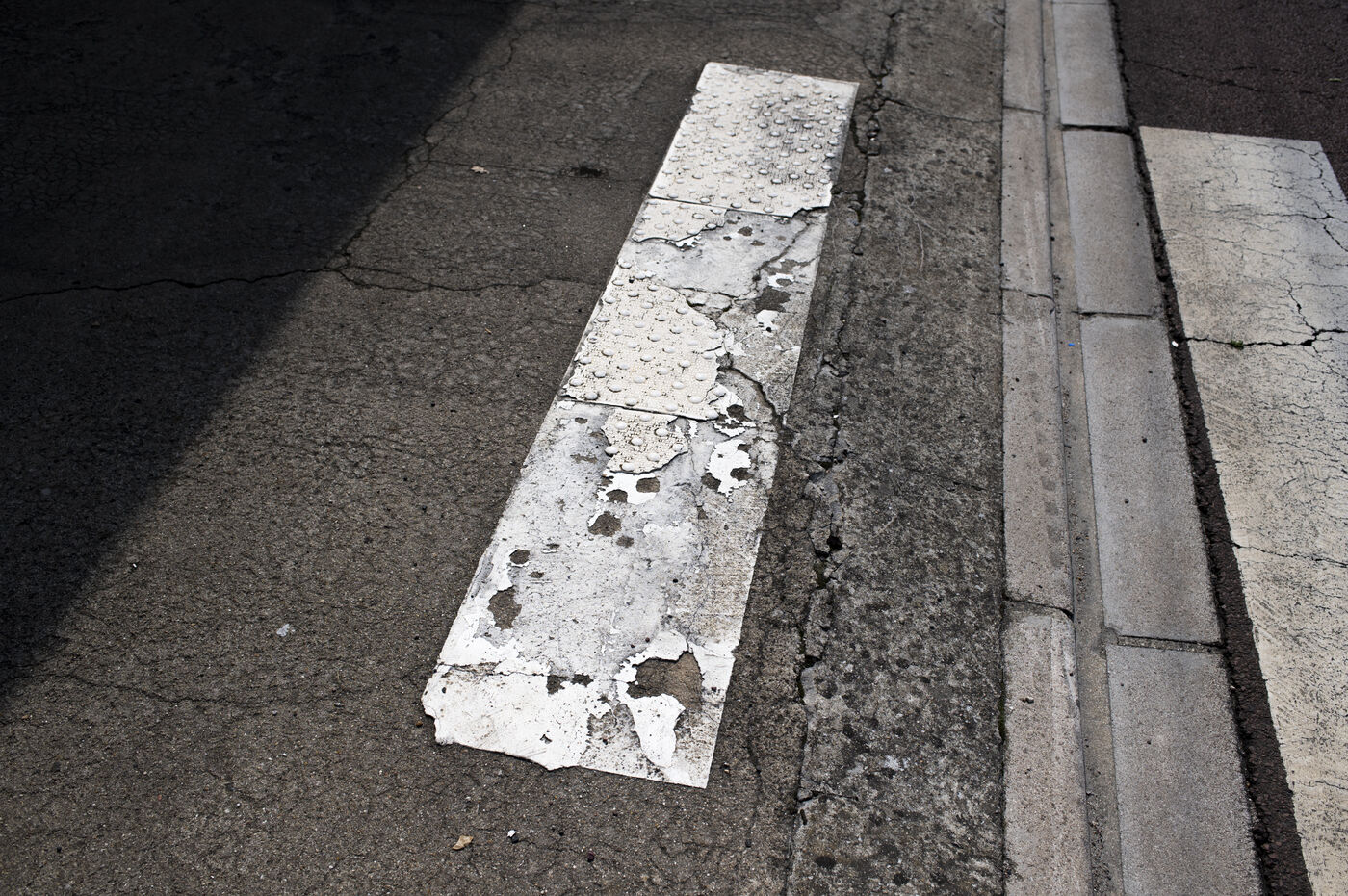
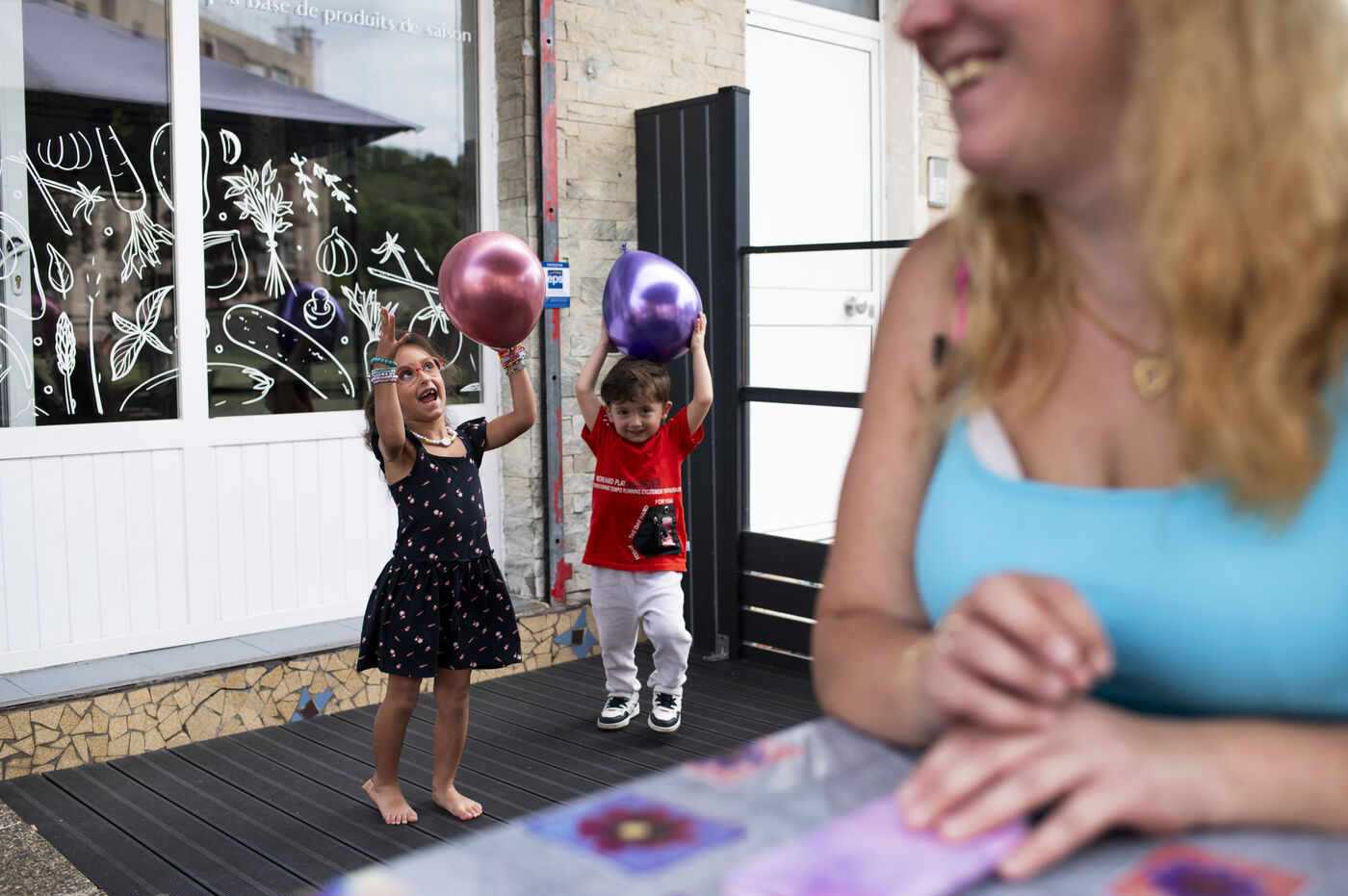
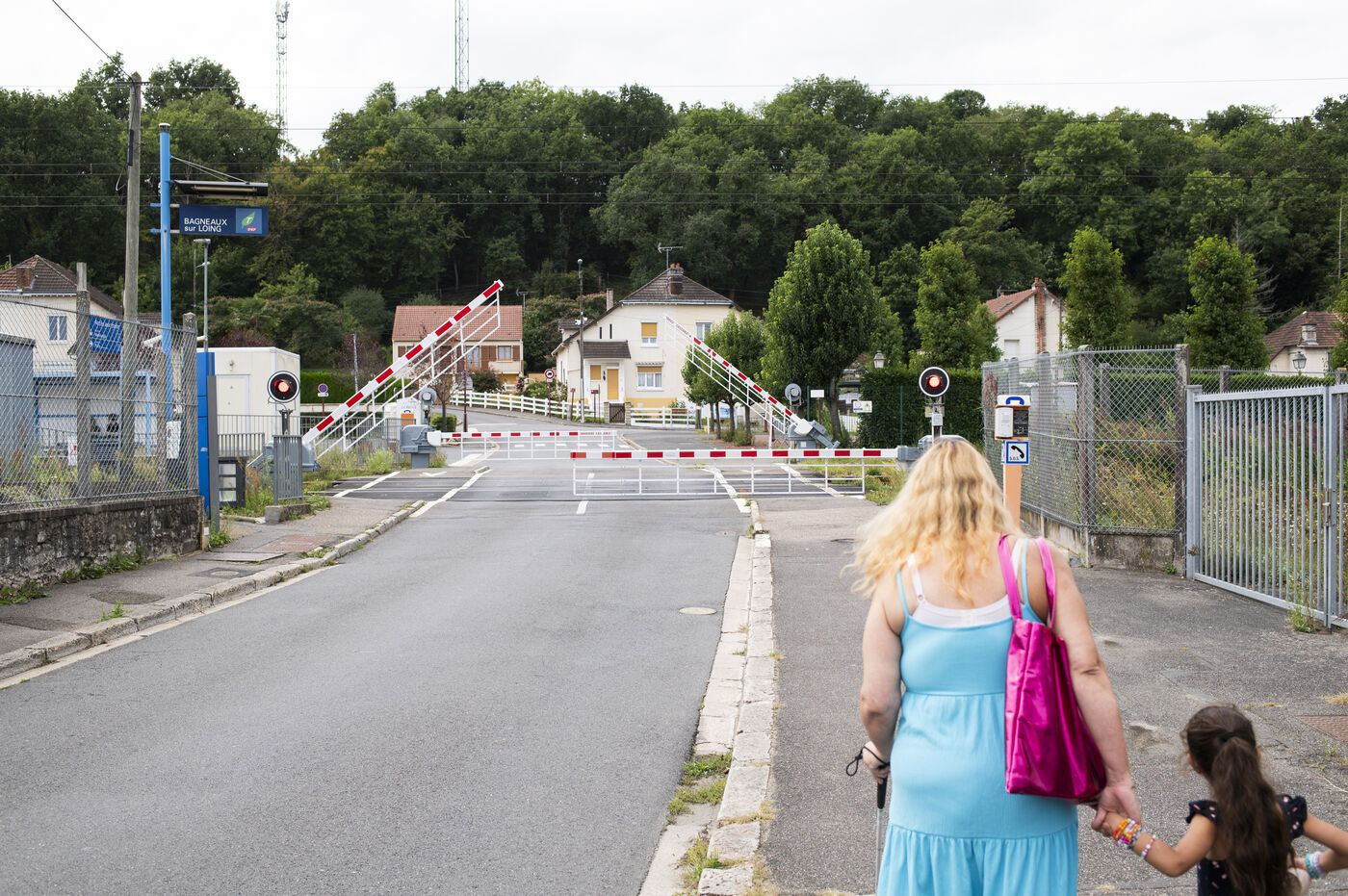
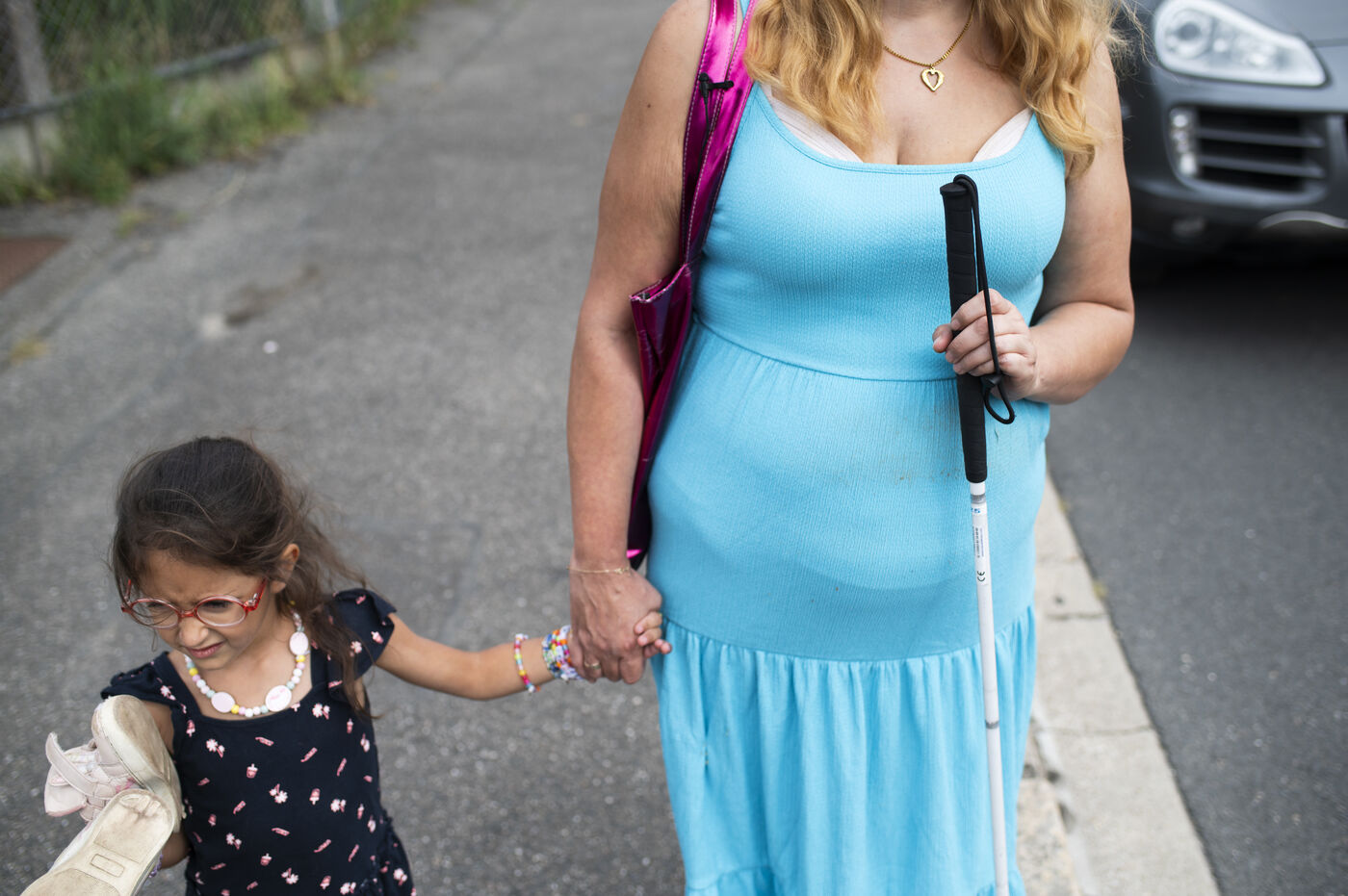
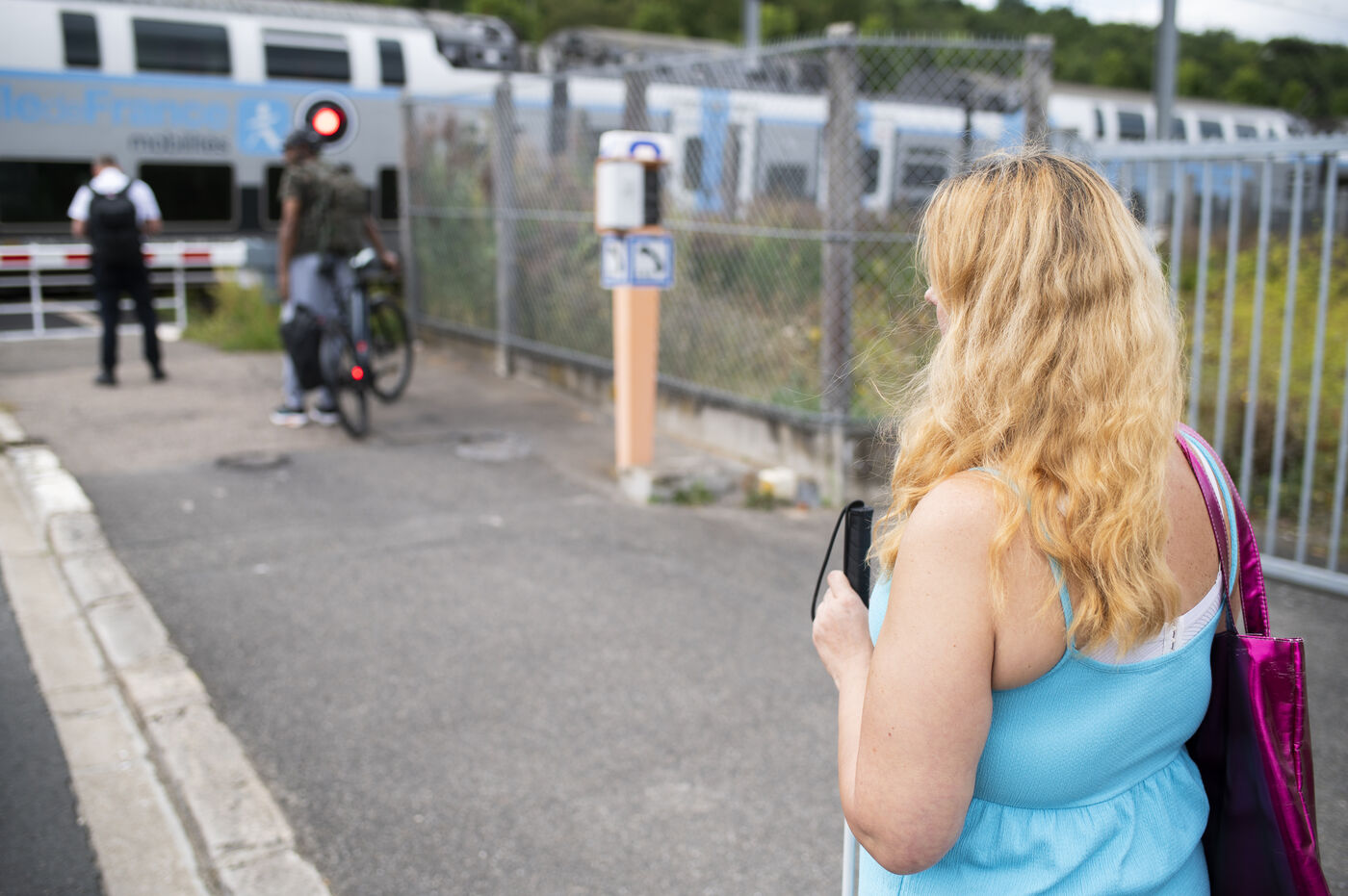
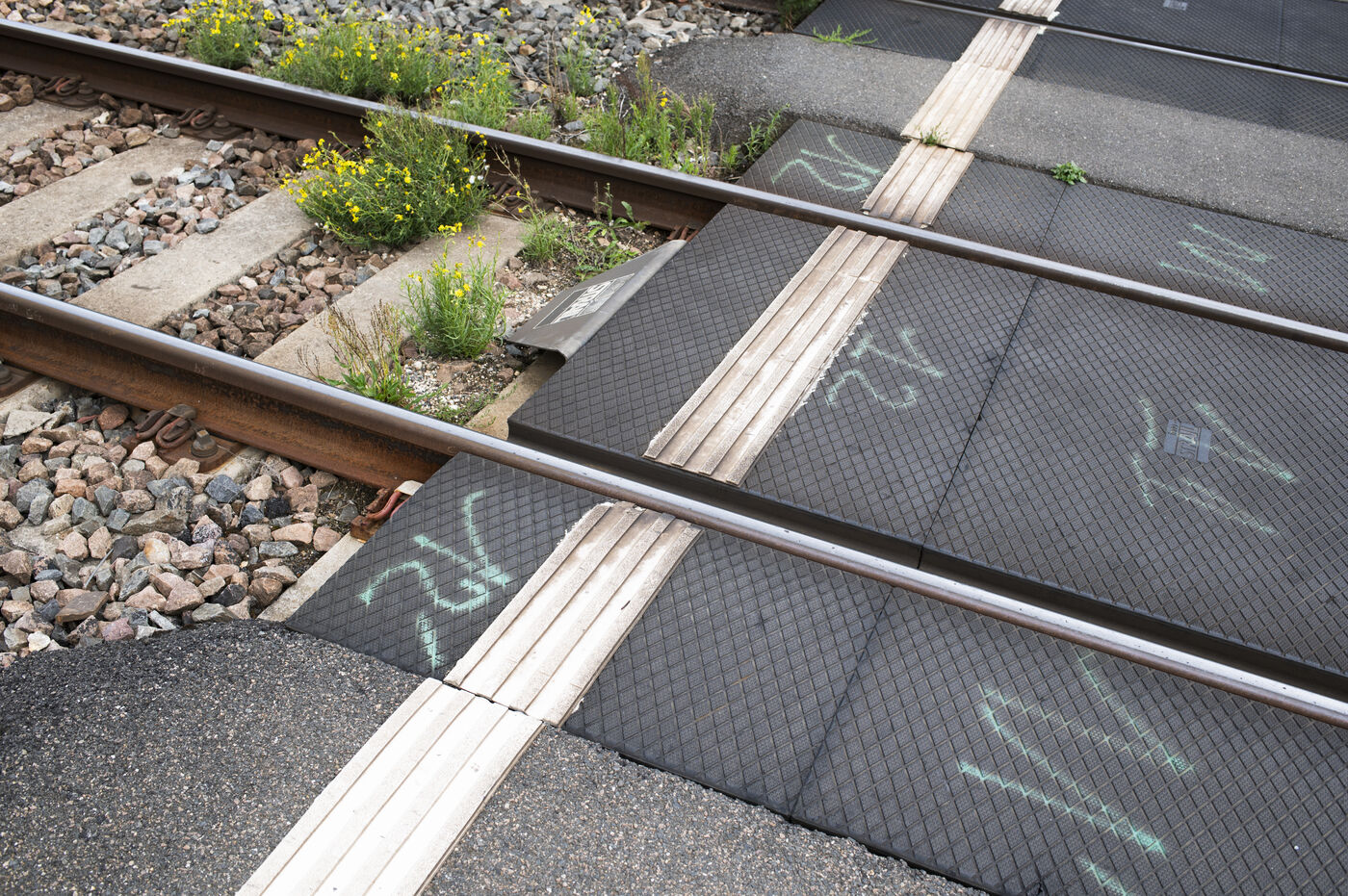
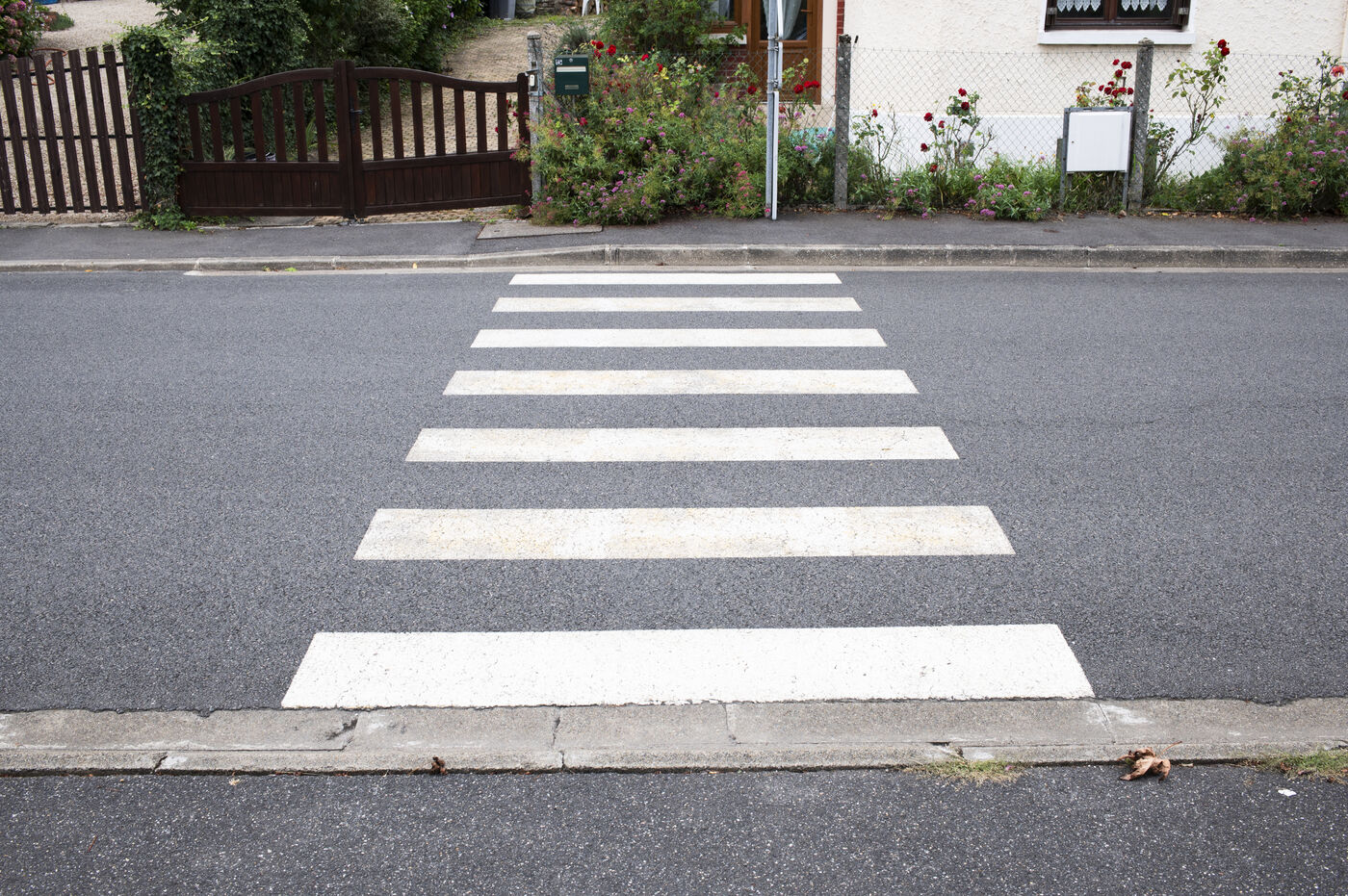
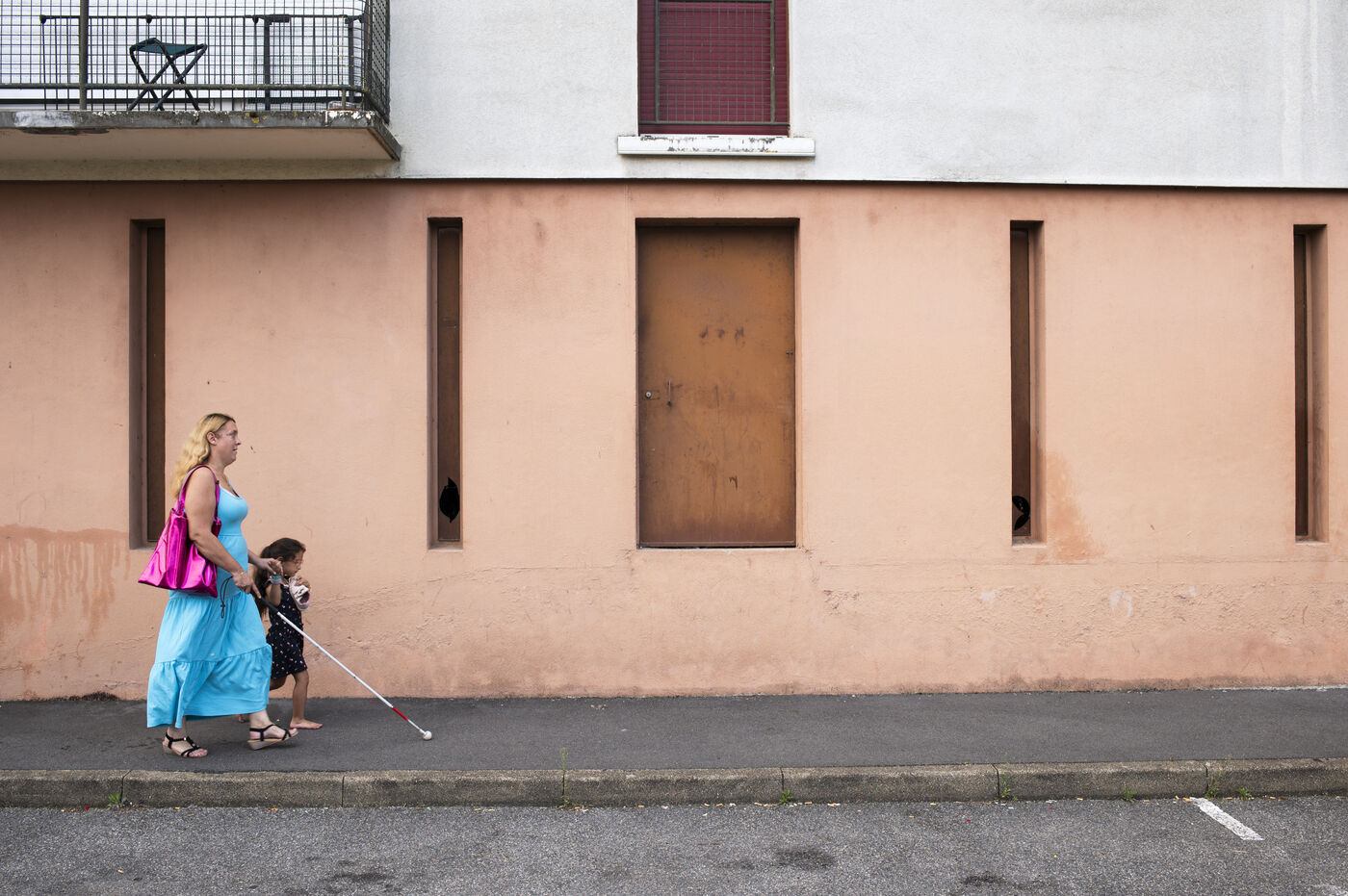
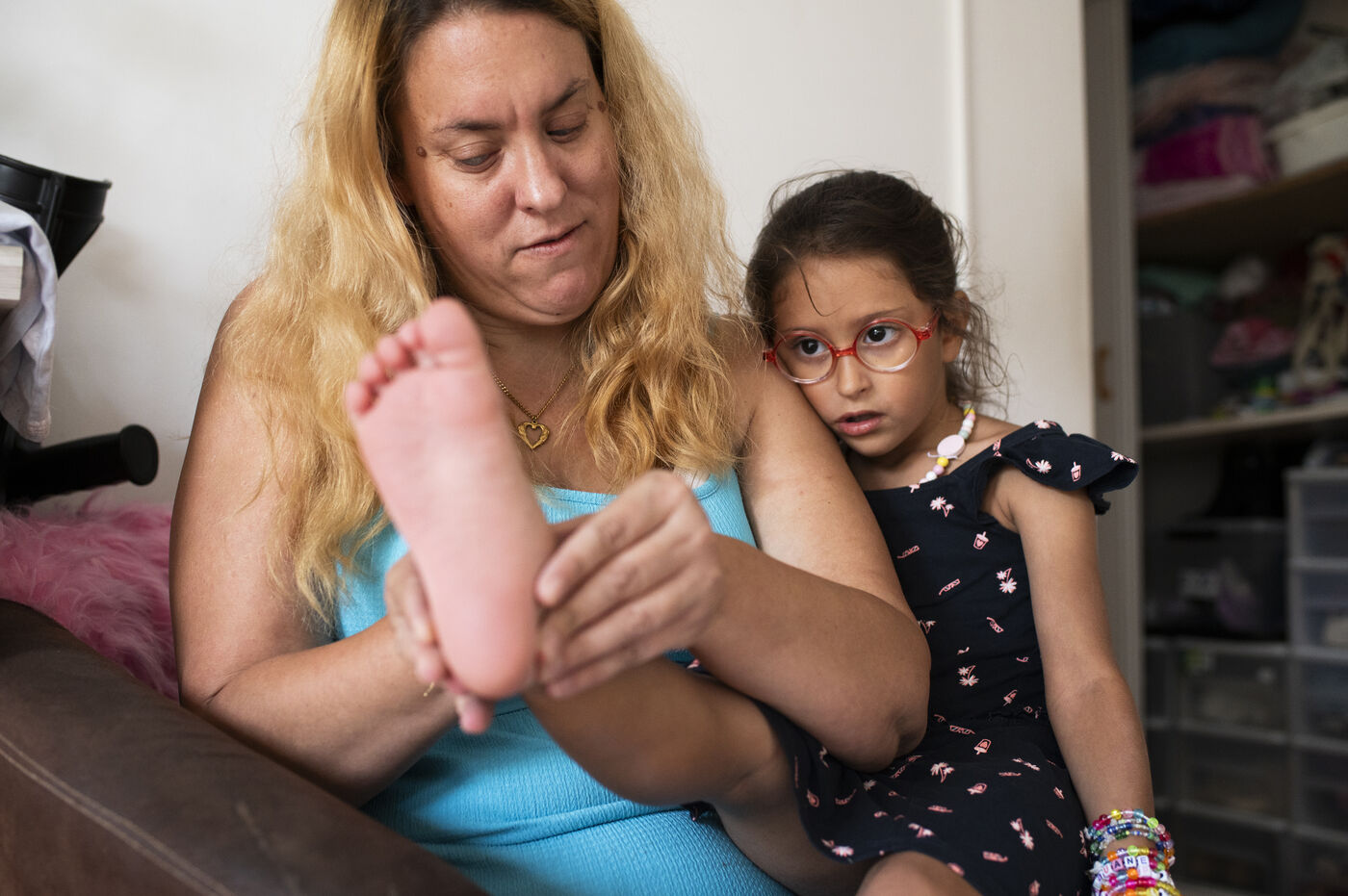
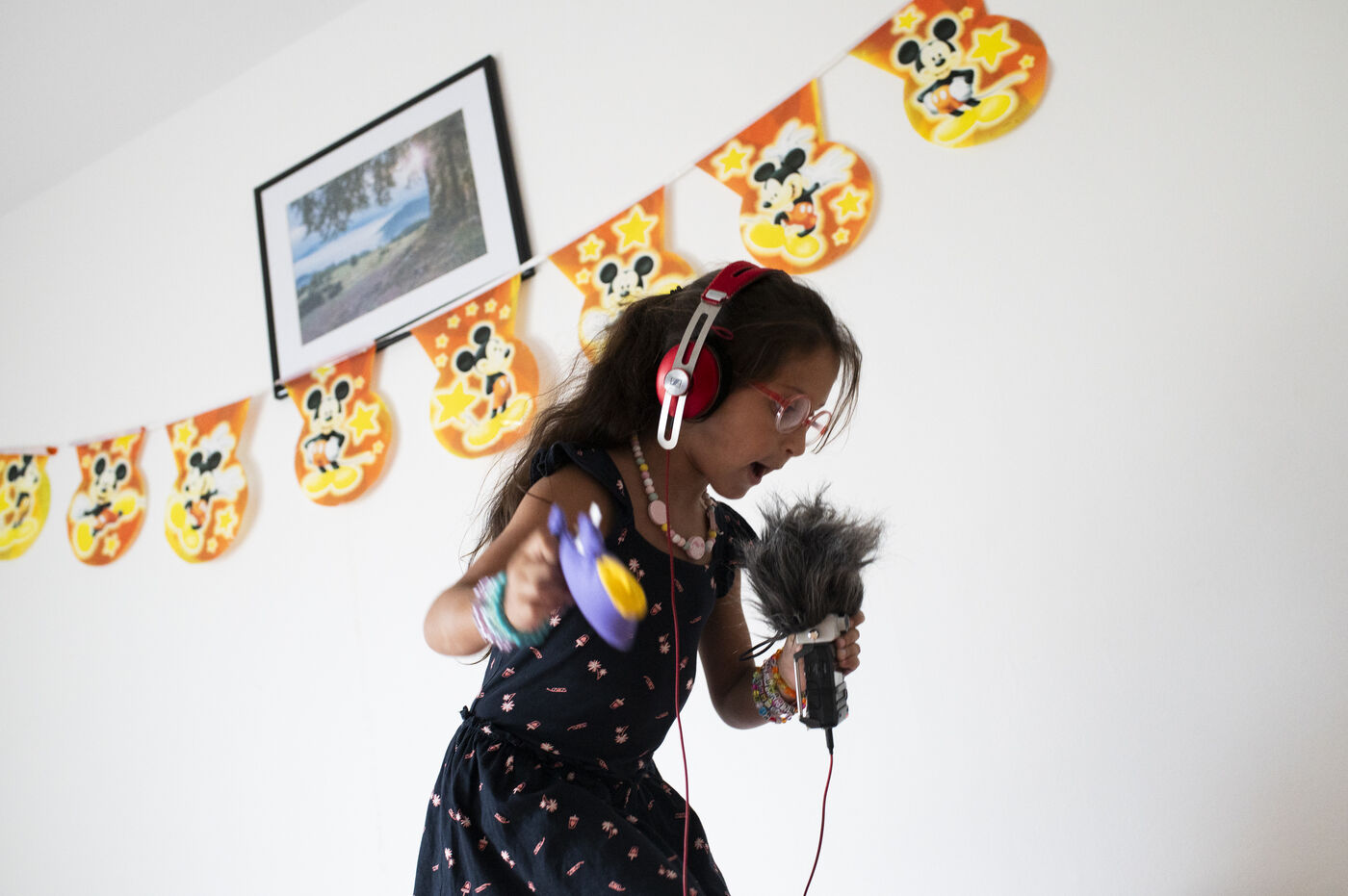
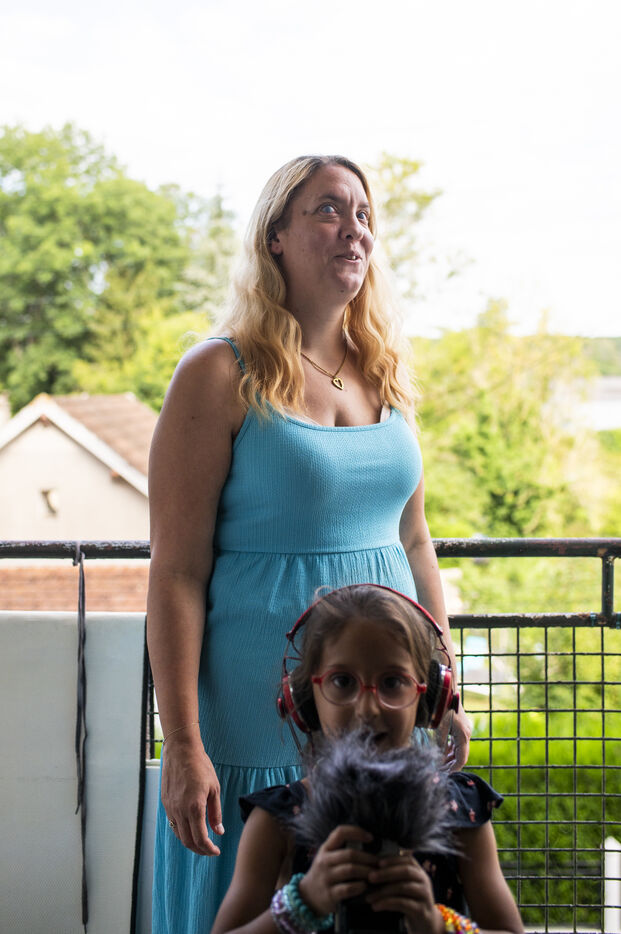
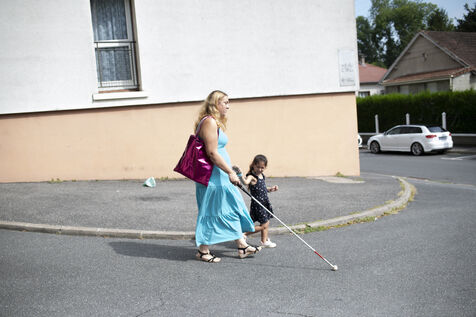
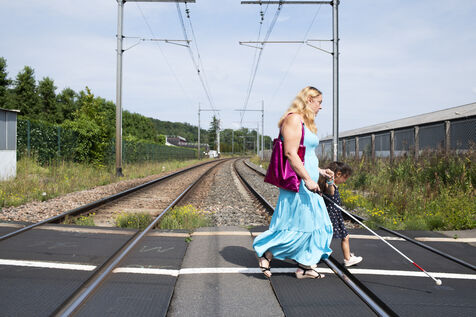
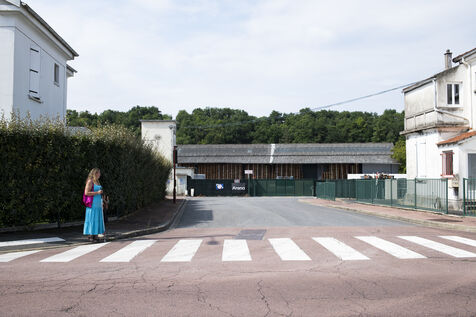
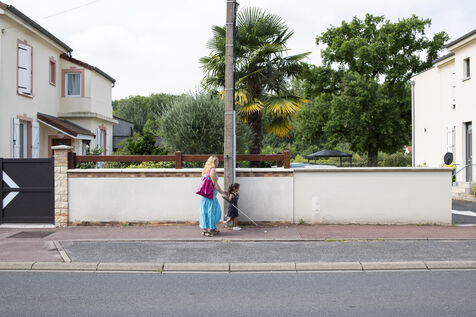
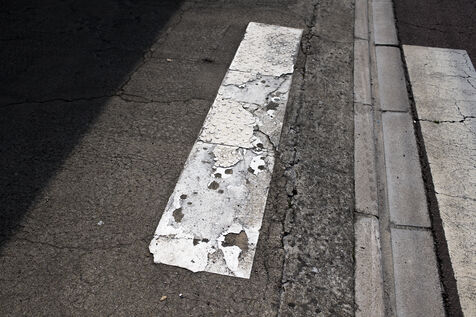
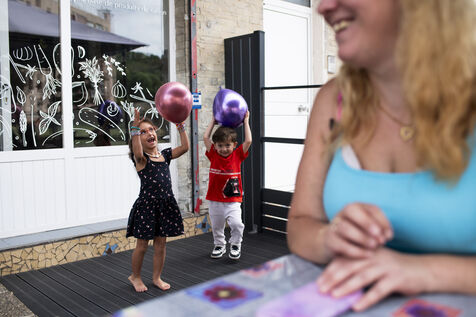
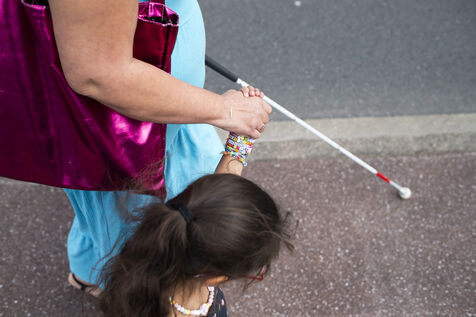
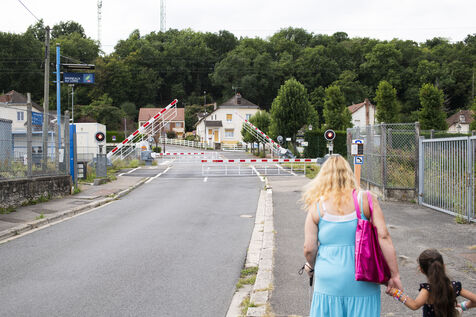
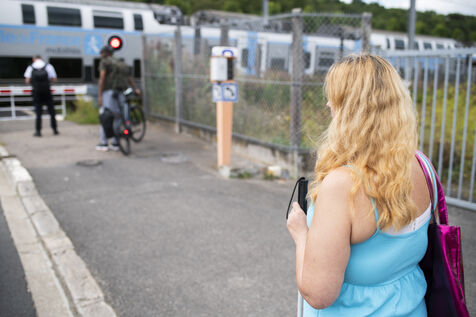
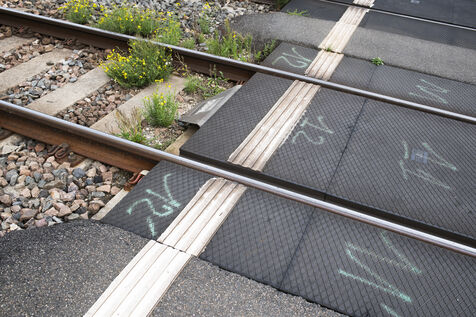
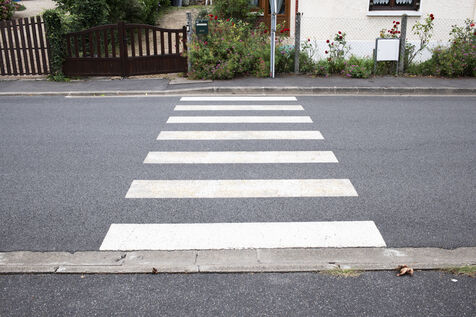
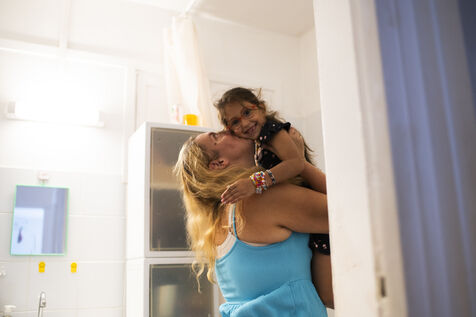
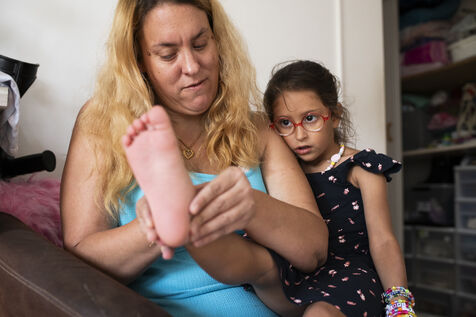
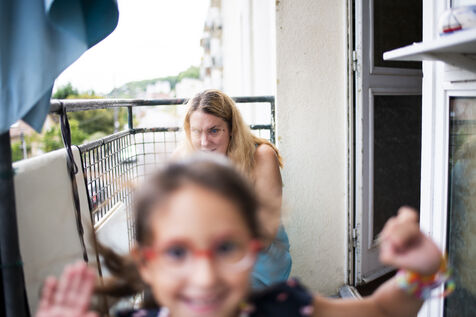
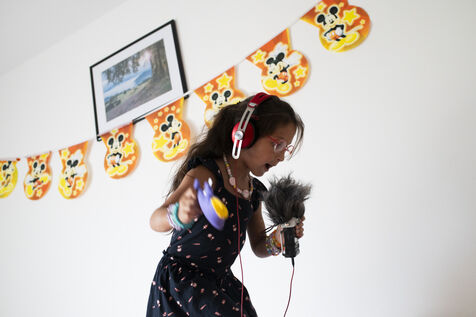
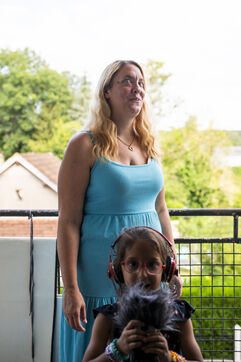
Élouane, sa fille de 6 ans qu'elle élève seule, vient tout juste de faire sa rentrée en CP. Depuis qu'elle a fait ses premiers pas à l'école, Sandy n'a que très rarement pu l'accompagner. En cause : un passage à niveau sans signal sonore, aux bandes podotactiles vétustes et non entretenues, et une ville invivable lorsque l'on ne voit pas.
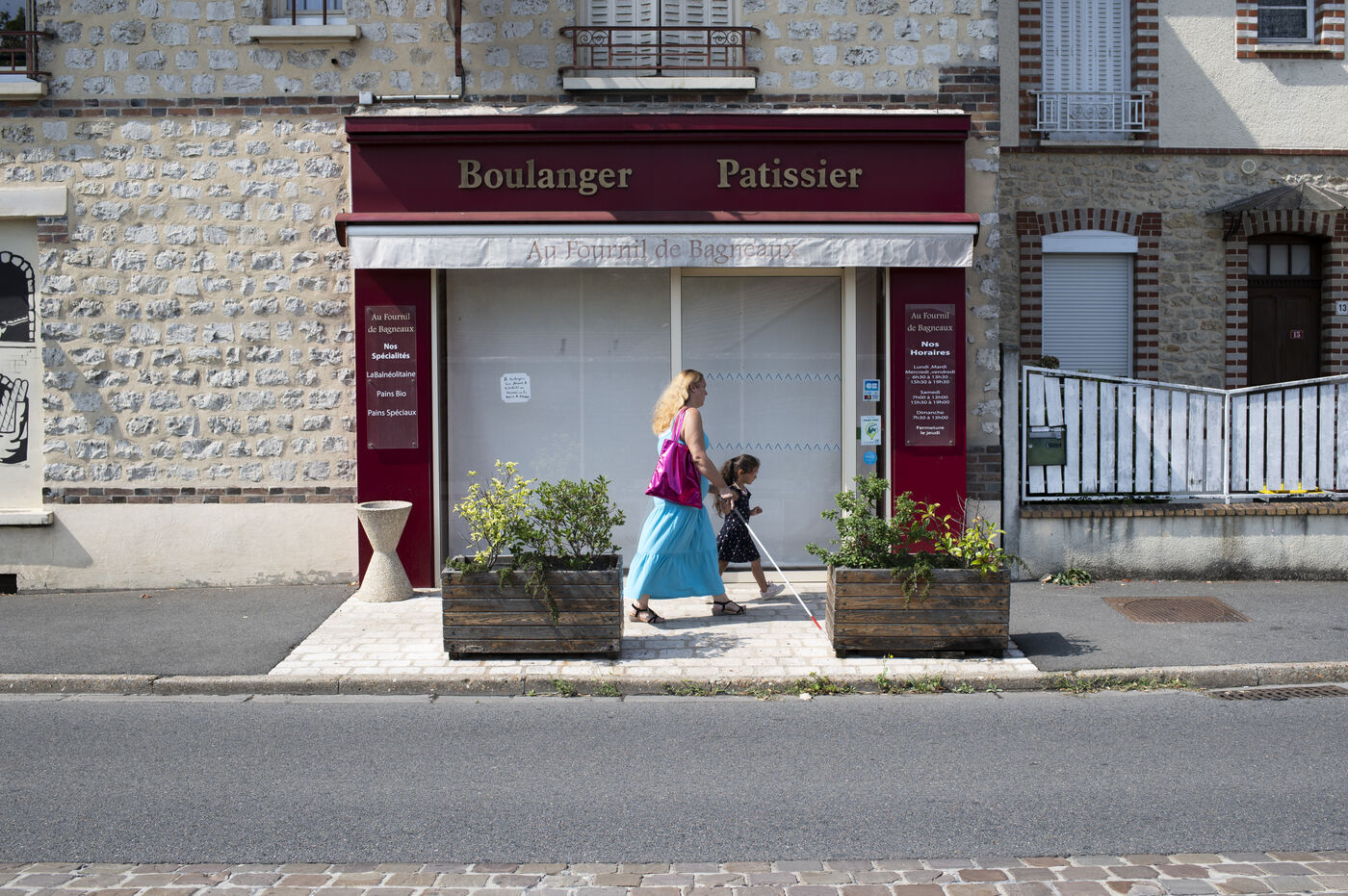
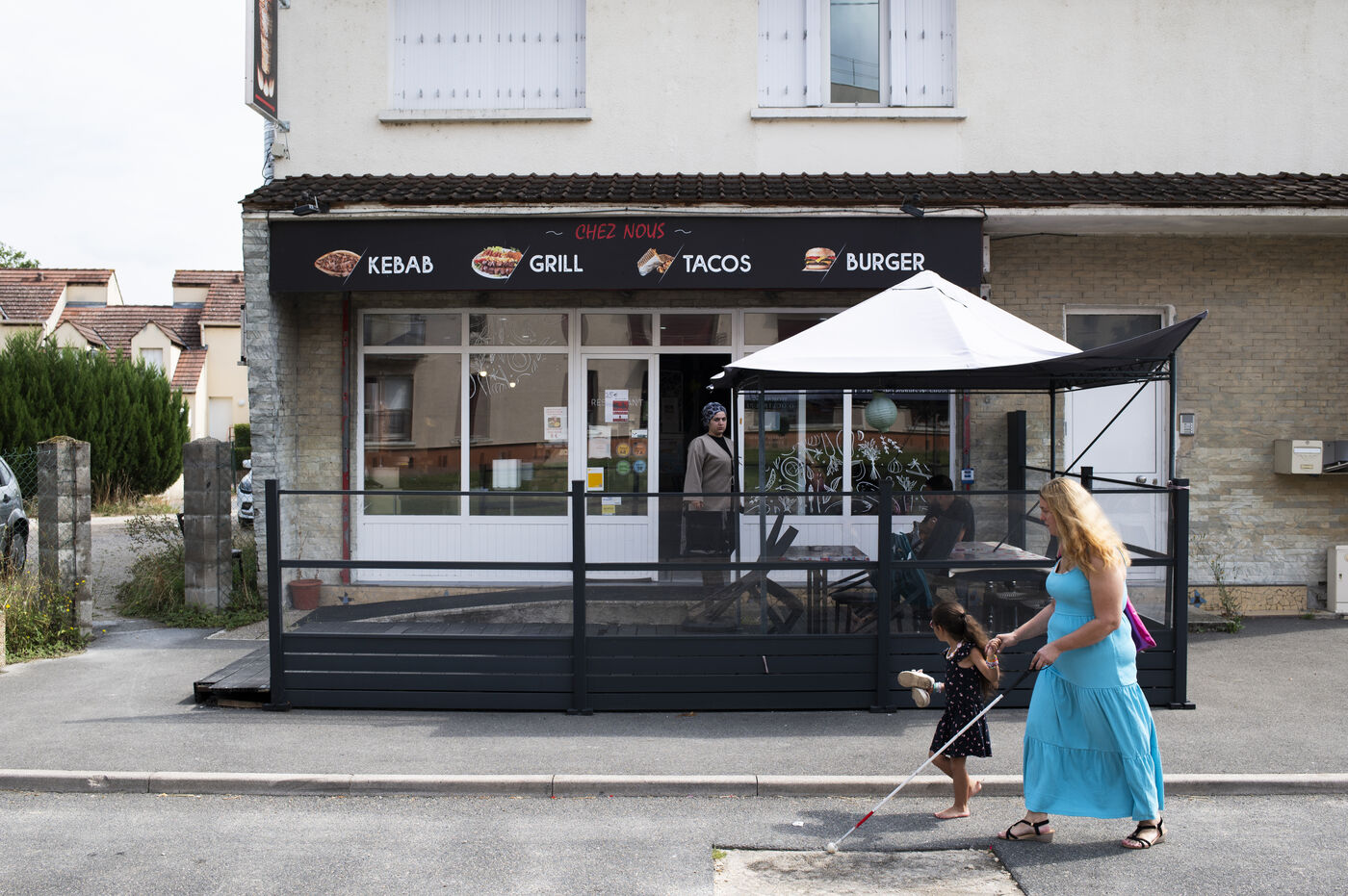
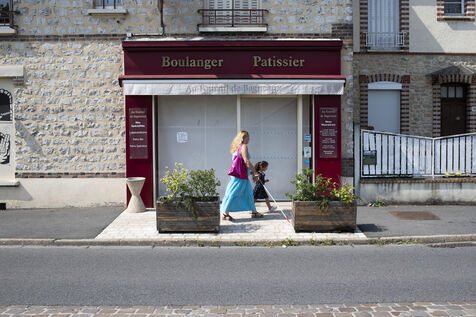
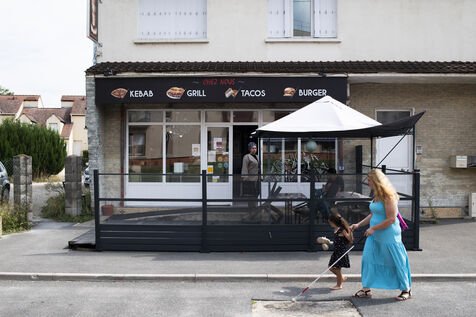
Le kebab, la pharmacie, le bureau de tabac, la boulangerie, le canal, tout se trouve de l’autre côté du chemin de fer. Tétanisée à l'idée de devoir le traverser, Sandy ne le franchit quasiment jamais seule. En quatre ans, le nombre de fois où elle est allée chercher seule son pain se compte sur les doigts d'une main.
Elle a connu l'inceste, s'est retrouvée à la rue, a fréquenté des foyers d'accueil, des hôtels miteux, s'est retrouvée bien des fois en insécurité, a subi des violences conjugales, s'est vu confisquer sa fille à la naissance au prétexte que son handicap ne lui permettait pas de l'élever et a dû batailler pour la récupérer.
Aujourd’hui, alors qu'elle fait tout ce qu'elle peut pour quitter cette bourgade dans l'optique de se former et de trouver un emploi, elle fait face à un système qui, au lieu de soigner, de réparer, d'accompagner, de donner espoir, la détruit encore plus.
Assistantes sociales, mairie, Maison départementale des personnes handicapées (MDPH), Défenseur des droits, préfecture, bailleurs sociaux : Sandy a sollicité de nombreux interlocuteurs mais rien n'avance. Elle ne sait plus à qui s'adresser, la dépression la guette.
Face à la complexité des démarches, aux réponses qui tardent, a des service non adapté aux personnes non voyantes, le labyrinthe administratif est si tentaculaire, oppressant et inextricable qu'elle perd parfois espoir.
Pour autant, elle n'est pas résignée.
Depuis des années Sandy souhaite se former pour devenir professeure de braille. Une place dans une école parisienne lui a bien été attribuée, mais sa situation géographique et les blocages institutionnels lui empêchent de débuter sa carrière.
Elle attend maintenant que son combat soit pris au sérieux pour, enfin, pouvoir offrir à sa fille un cadre de vie digne où elles pourront, ensemble, s'émanciper.
Sandy, who lost her sight following domestic violence, is faced with a government that is unable to help her
Sandy is 40 years old. For the past four years, she has been living in Bagneaux-sur-Loing, one of those rural villages in the south of Seine-et-Marne which has seen a resurgence in interest since the Covid pandemic. But whilst some people are leaving Paris to move out into the countryside here, Sandy would actually like to do the opposite. She wants to leave this place, which is completely unsuitable for her, so she can finally live her life in the capital.
Visually impaired since birth, she lost the use of her good eye at the age of 26 after being struck by an ex-partner who had repeatedly beaten and raped her.
Élouane, her six-year-old daughter whom she is raising on her own, has just started primary school. Since she took her first steps at school, Sandy has very rarely been able to accompany her. The reason: a level crossing with no audible warning, dilapidated and poorly maintained tactile paving, and a town that is impossible to live in when you cannot see.
The kebab shop, the chemist’s, the tobacconist’s, the bakery, the canal – everything is on the other side of that level crossing. Paralysed by the thought of having to cross it, Sandy almost never crosses it alone. In four years, the number of times she has gone to buy bread on her own can be counted on the fingers of one hand.
She was a victim of incest, found herself homeless, stayed in shelters and seedy hotels, found herself in unsafe situations on numerous occasions, suffered domestic violence, had her daughter taken away at birth on the pretext that her disability meant she was unable to raise her, and had to fight to get her back.
Today, whilst she is doing everything she can to leave this small town in order to train and find a job, she is up against a system which, instead of caring for her, helping her recover, supporting her or giving her hope, is destroying her even further.
Social workers, the town hall, the Departmental Centre for People with Disabilities (MDPH), the Ombudsman, the prefecture, social housing providers: Sandy has approached numerous organisations and no longer knows who to turn to. Faced with the complexity of the procedures and the slow responses, the administrative maze is so sprawling, oppressive and inextricable that she sometimes loses hope.
Nevertheless, she has not given up.
For years, Sandy has wanted to train to become a Braille teacher. She has indeed been offered a place at a school in Paris, but her location and institutional obstacles are preventing her from starting her career.
She is now waiting for her struggle to be taken seriously so that she can, at last, offer her daughter a dignified life in which they can, together, become independent.