En Sicile, le village de Gibellina Nuova capitale italienne de l'art contemporain 2026
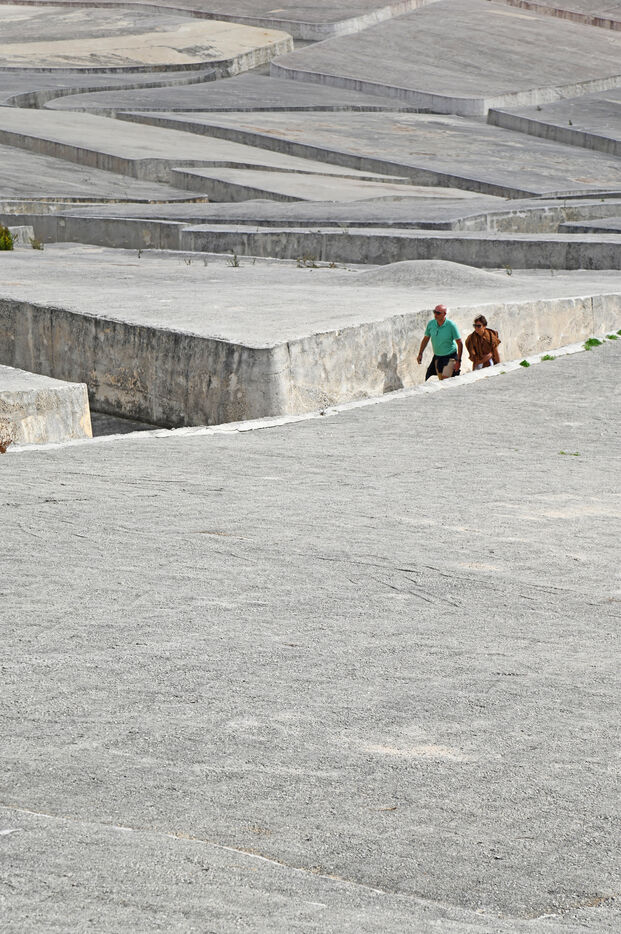
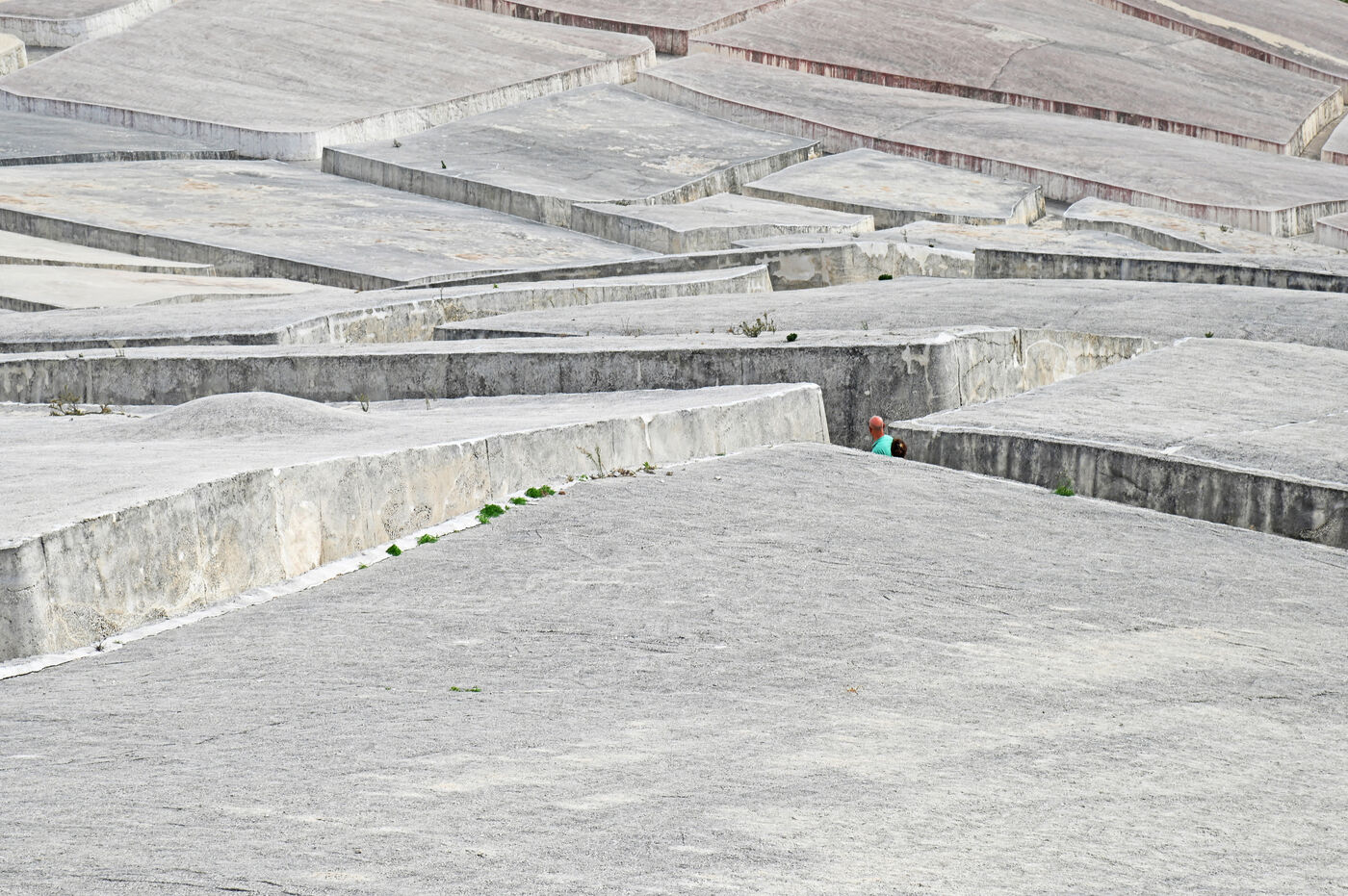
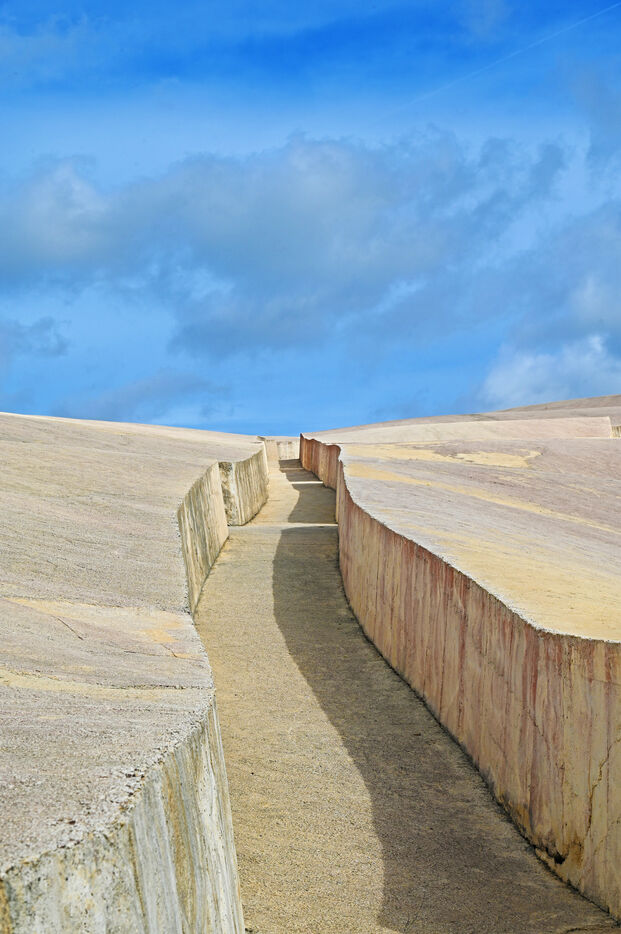
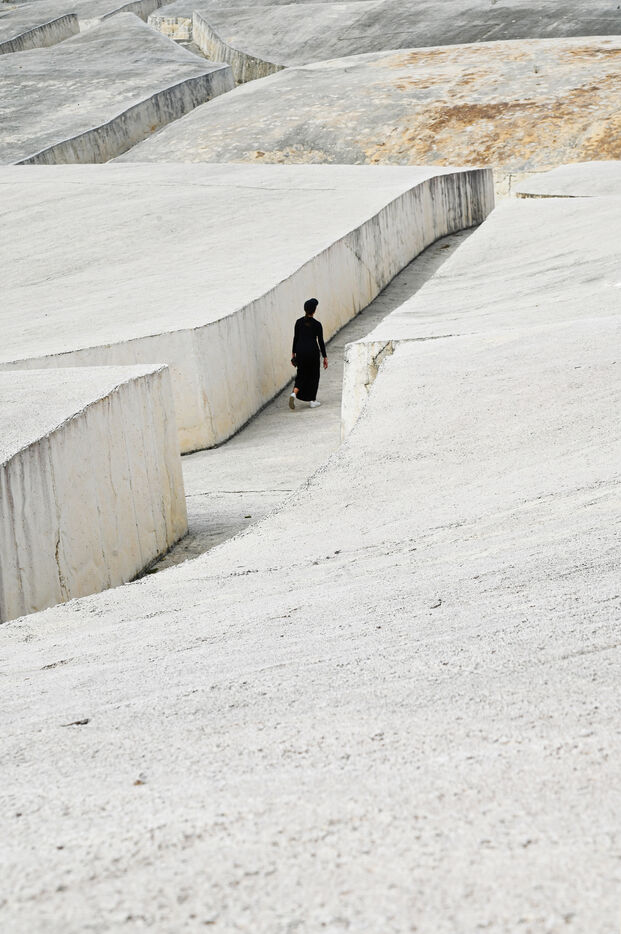
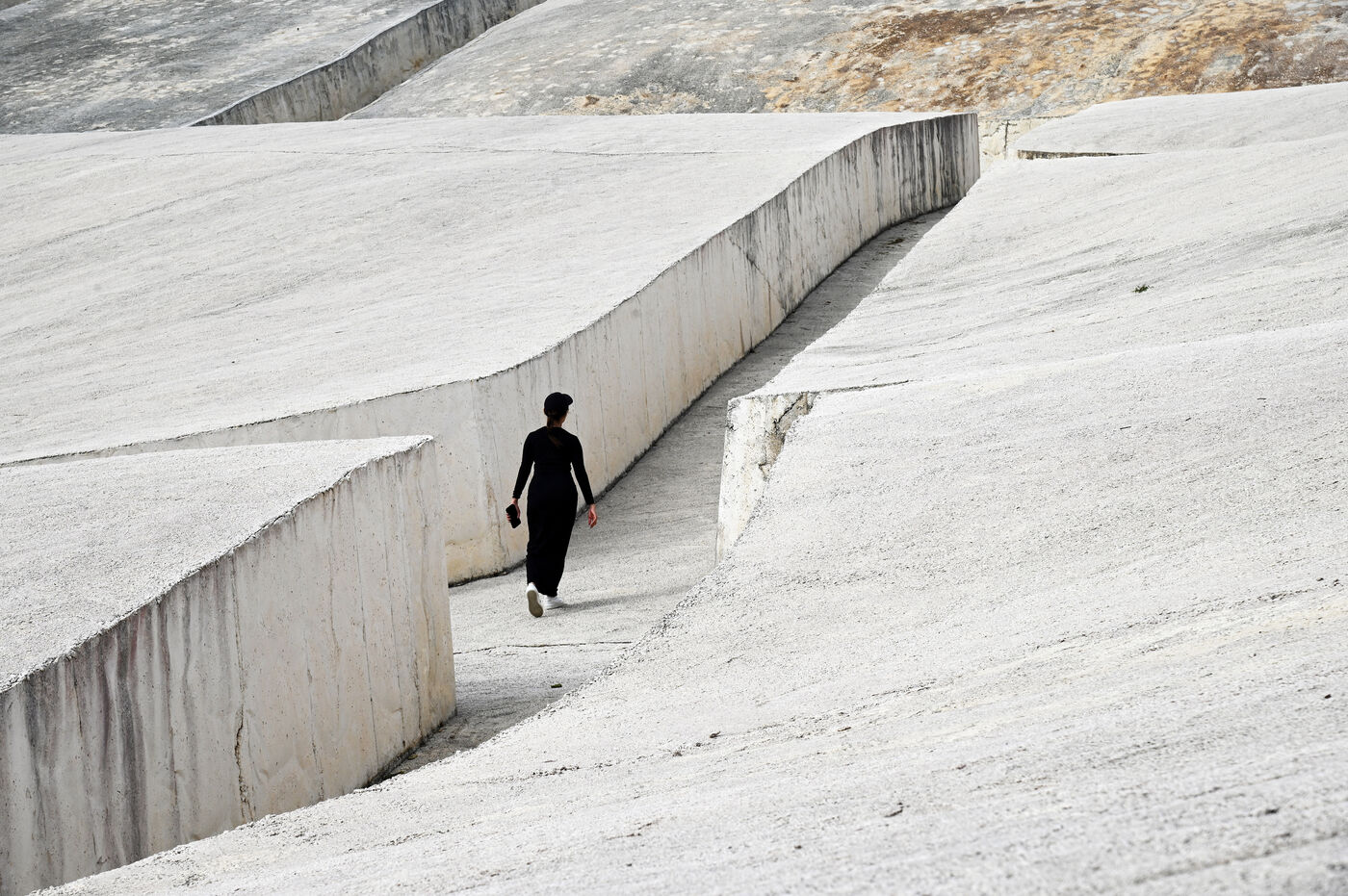
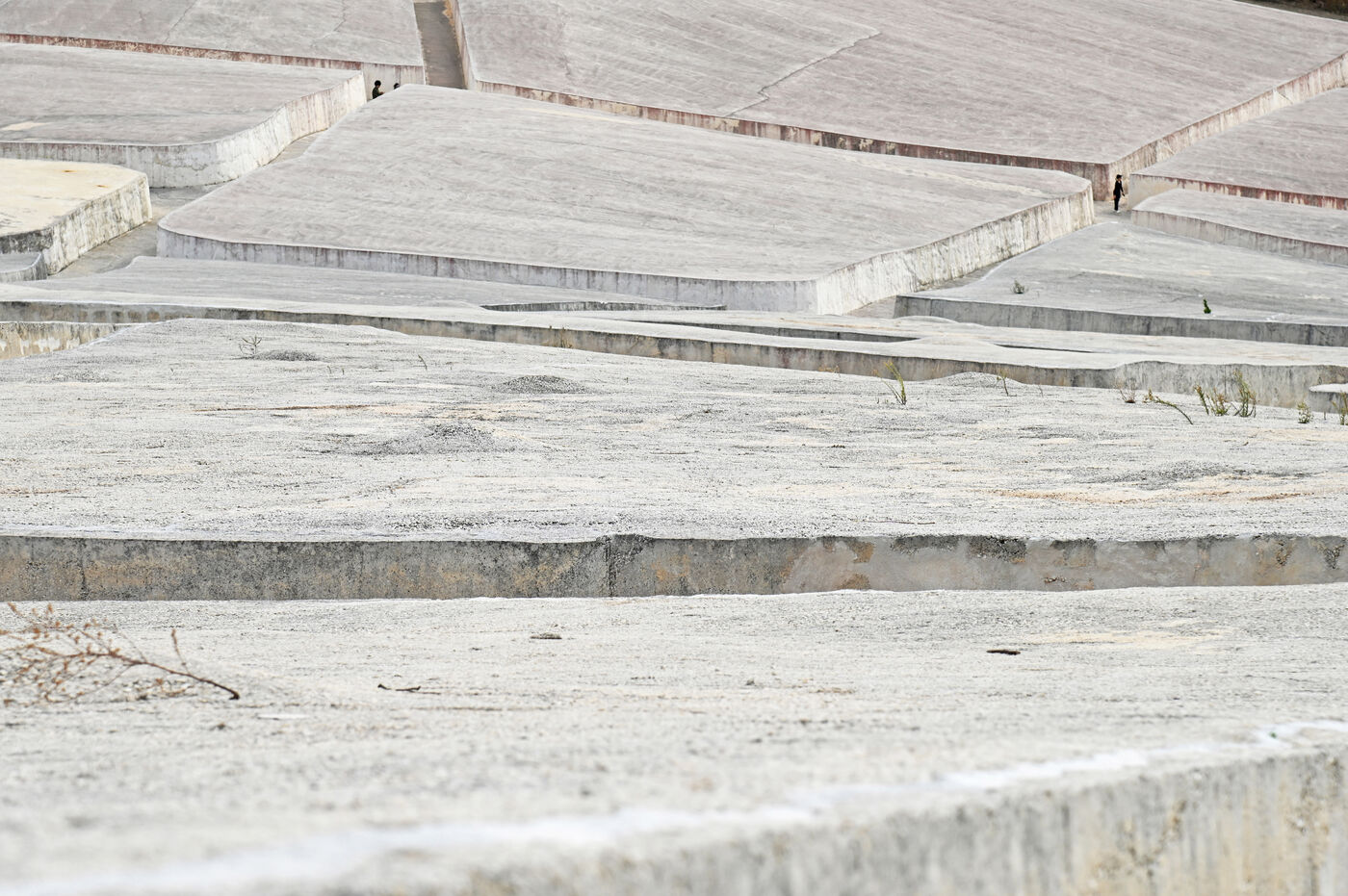
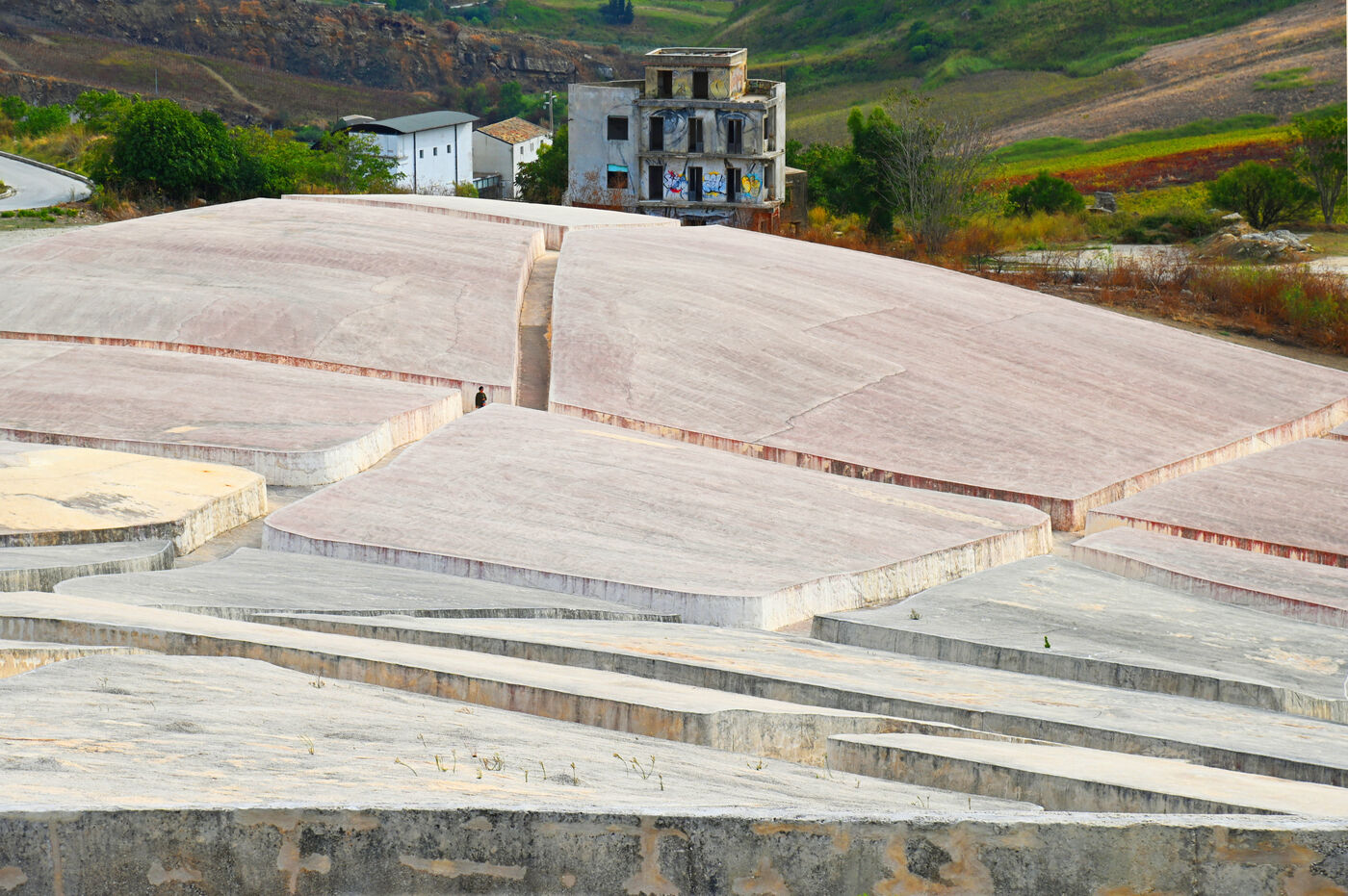
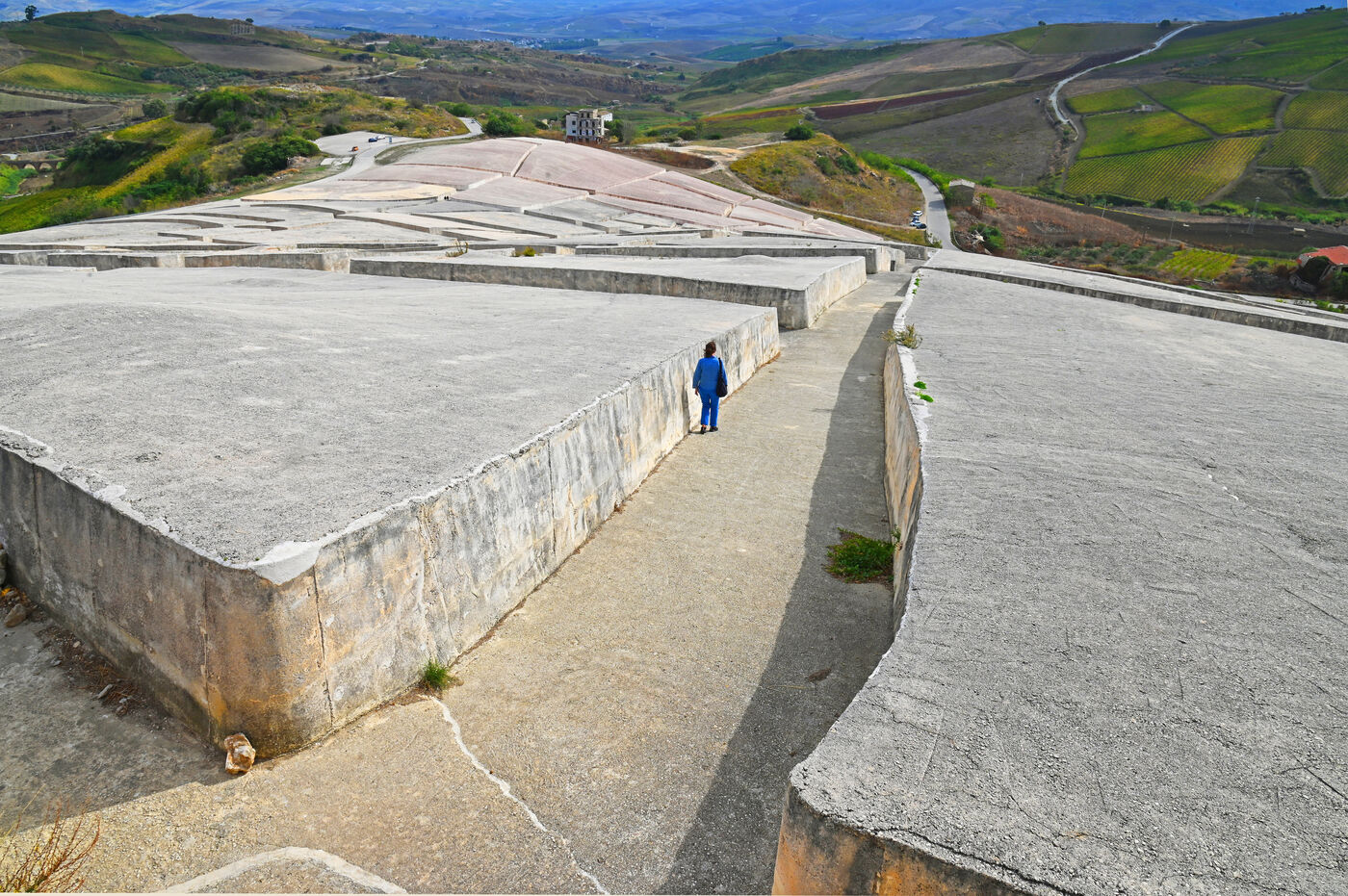
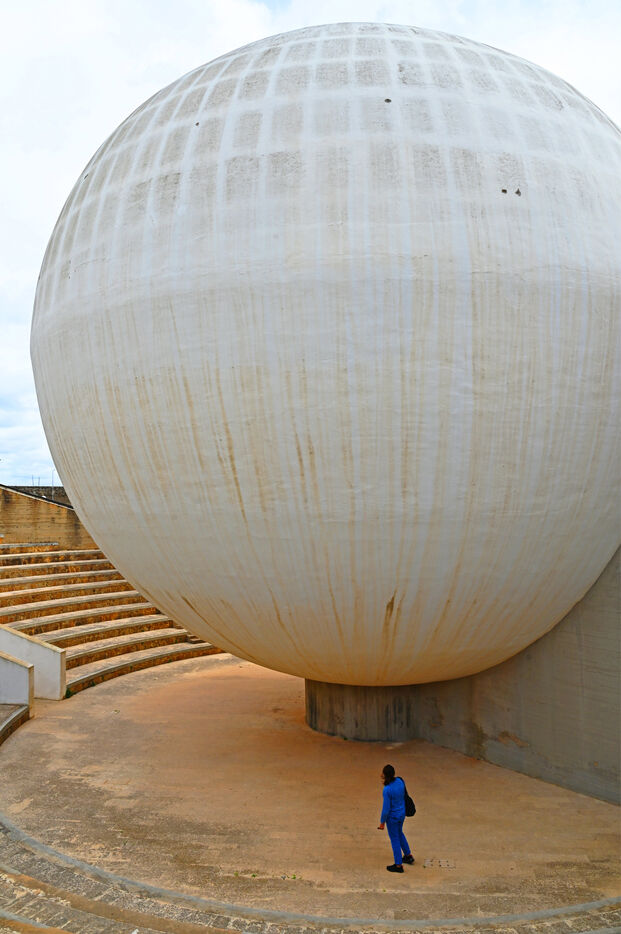
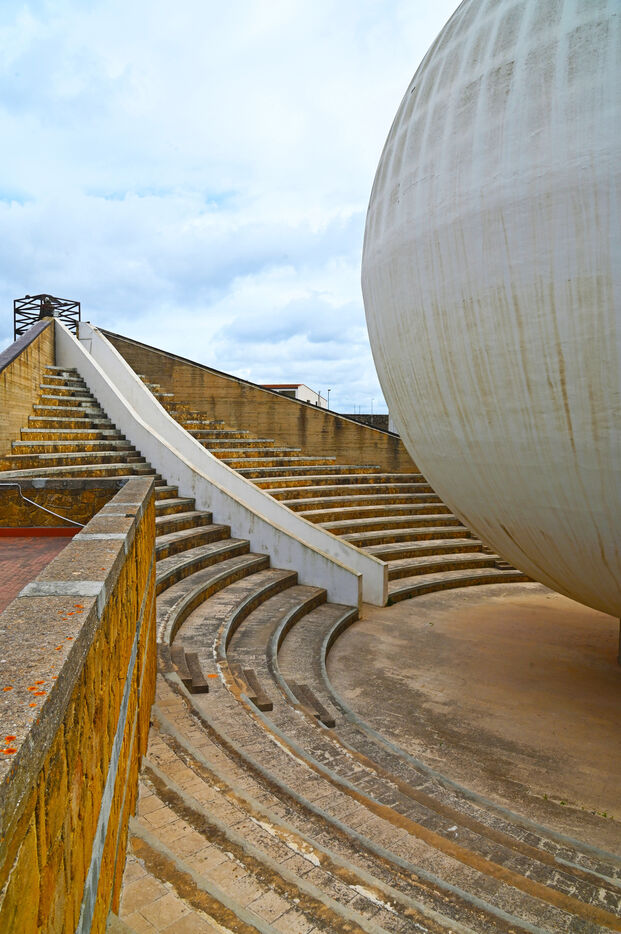
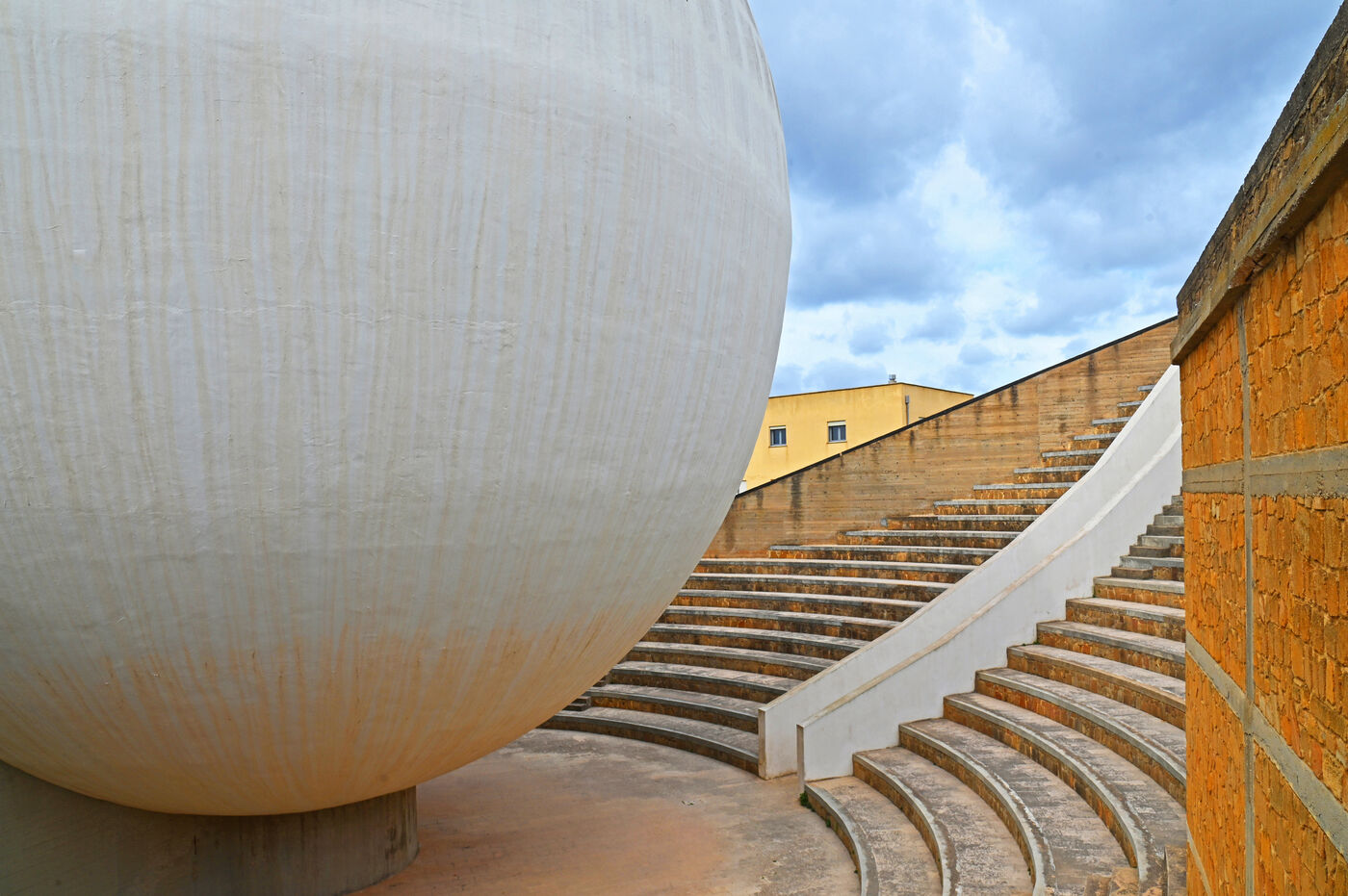
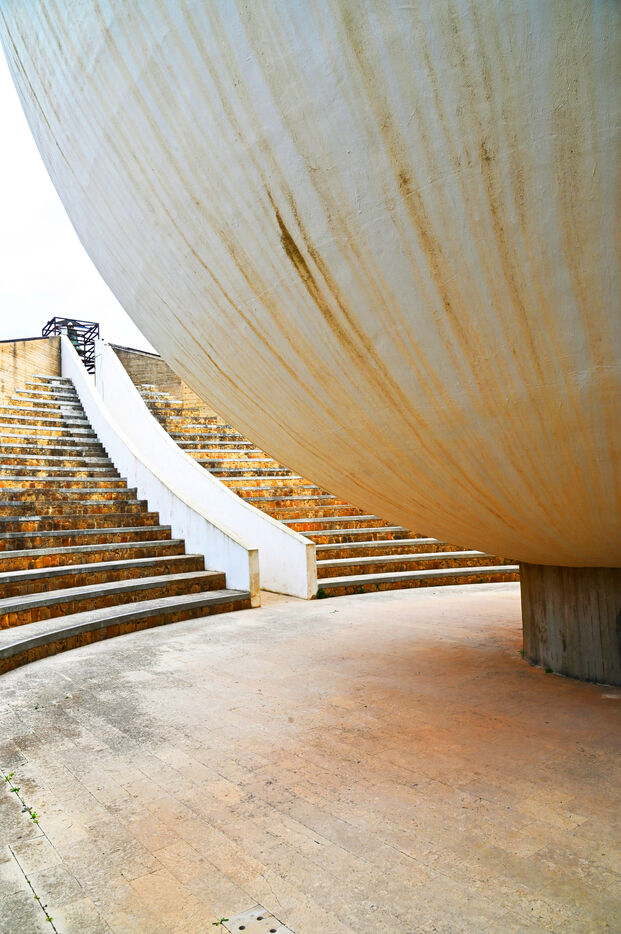
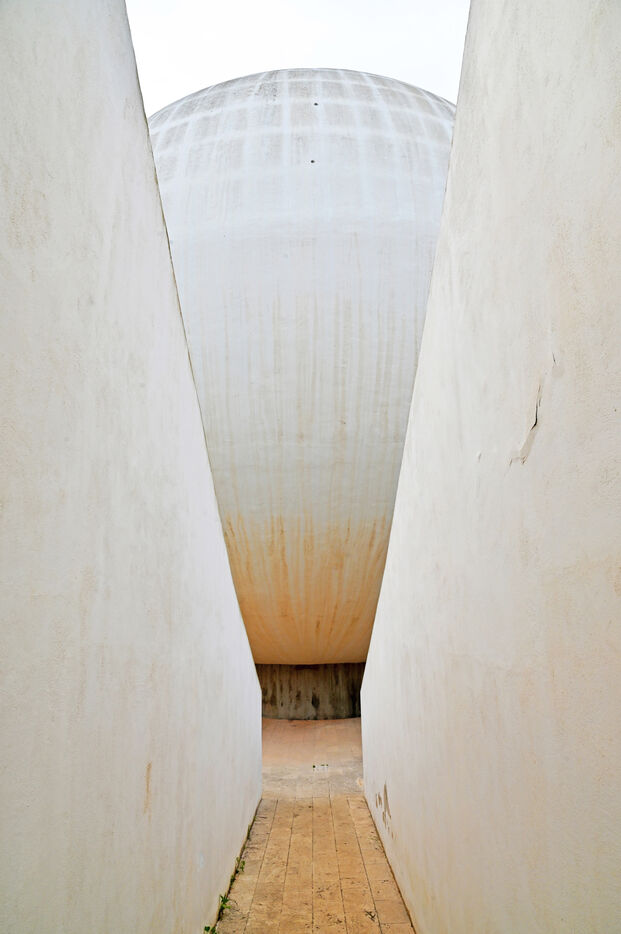
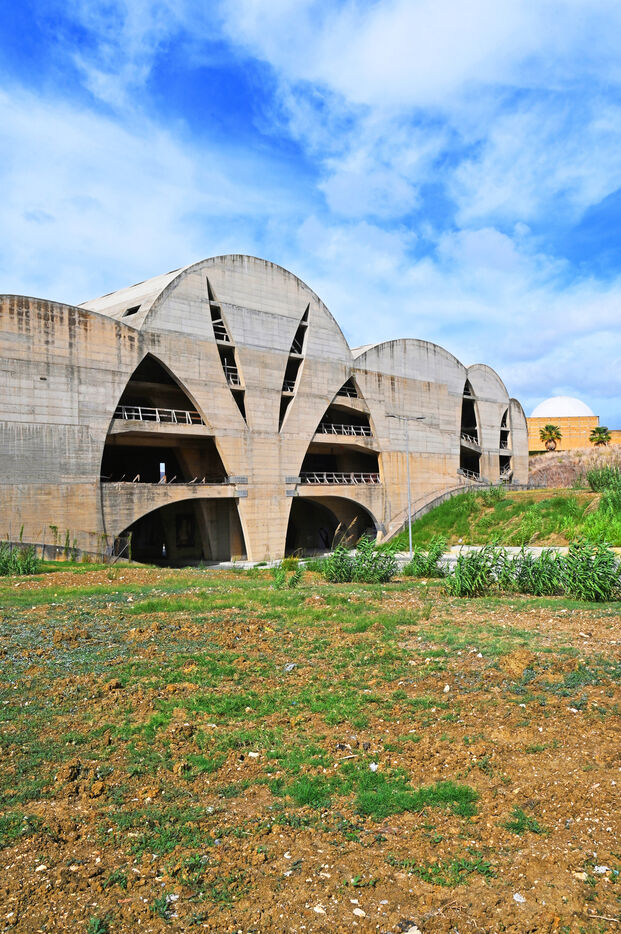
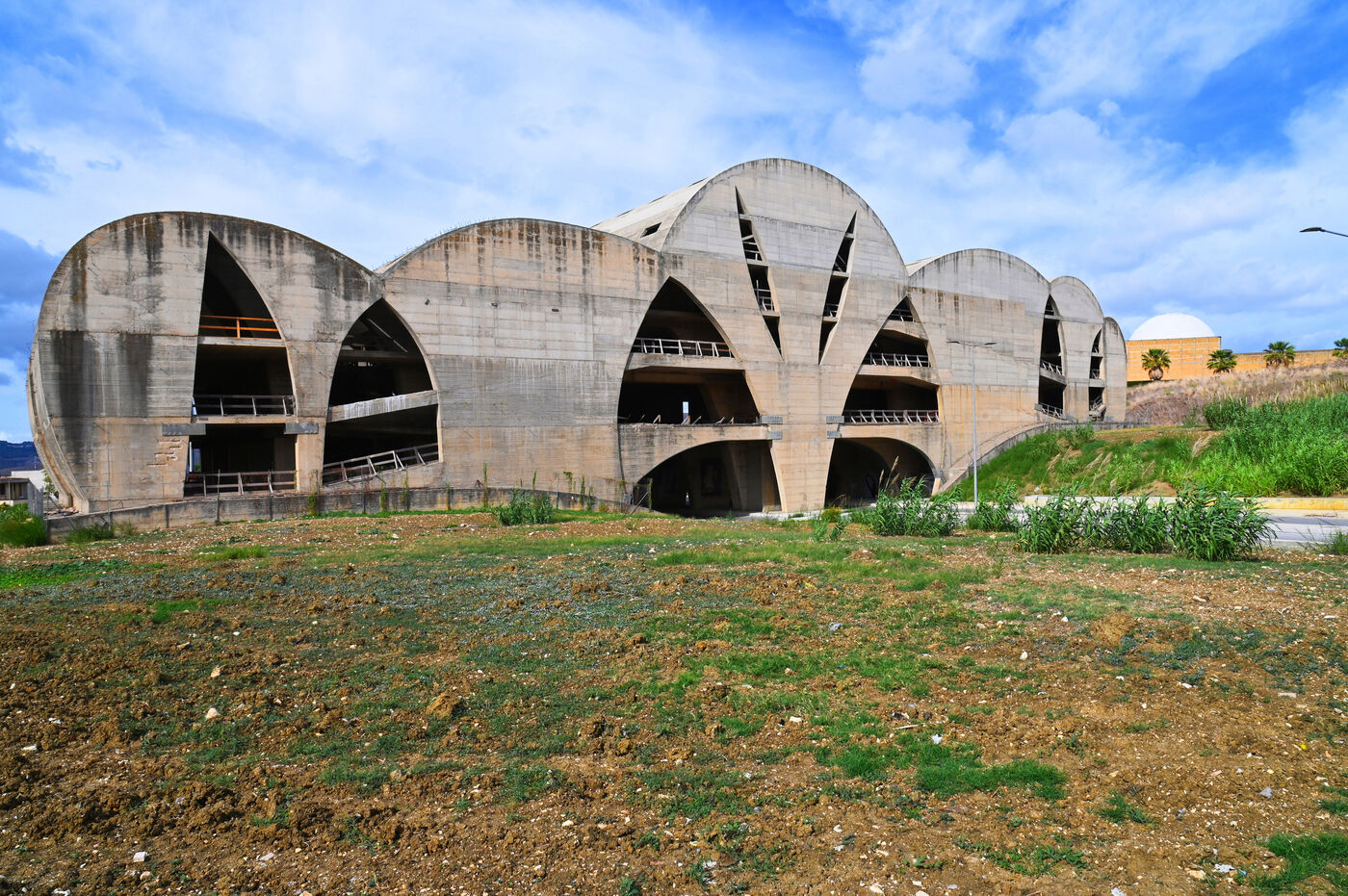
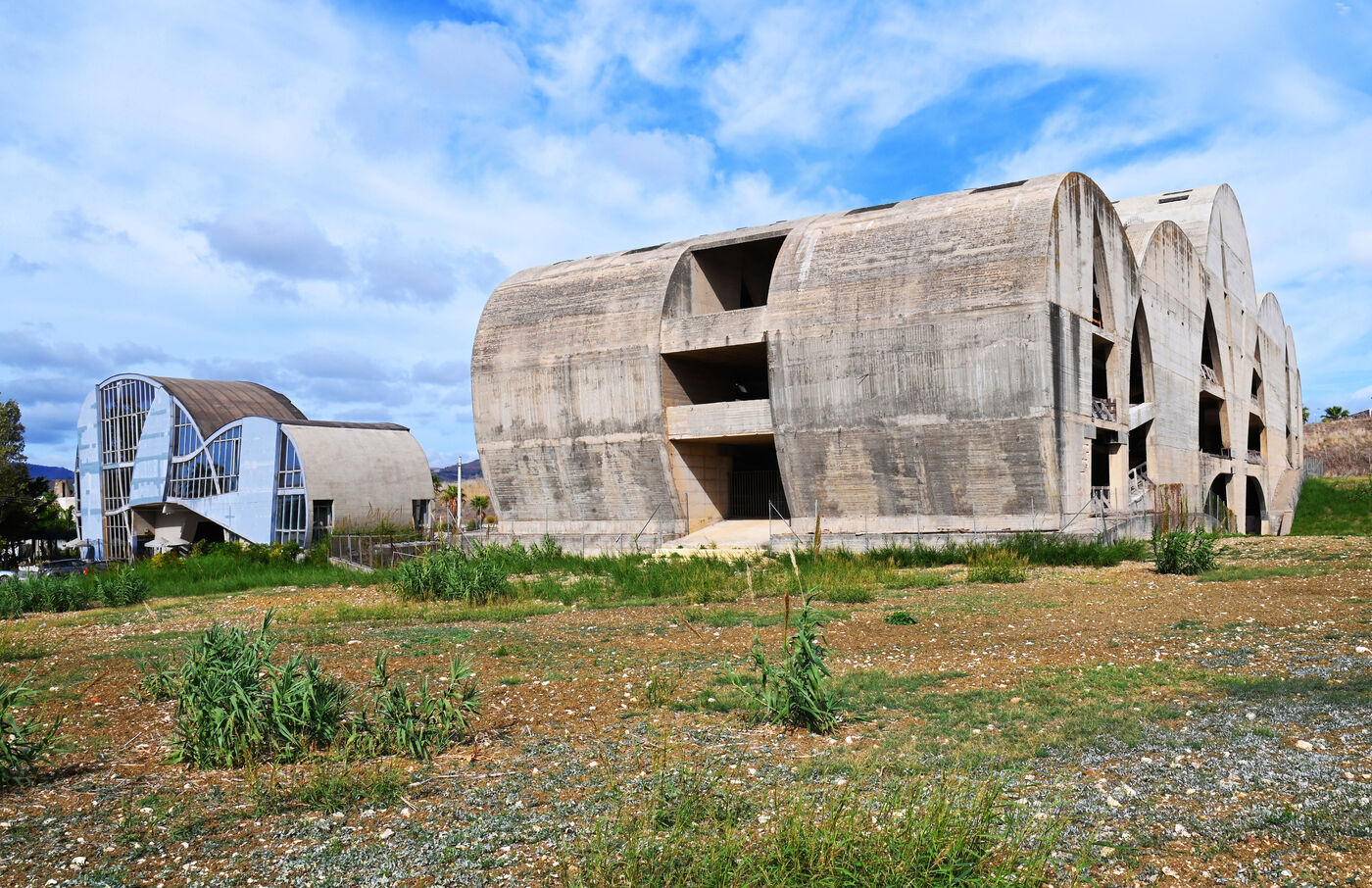
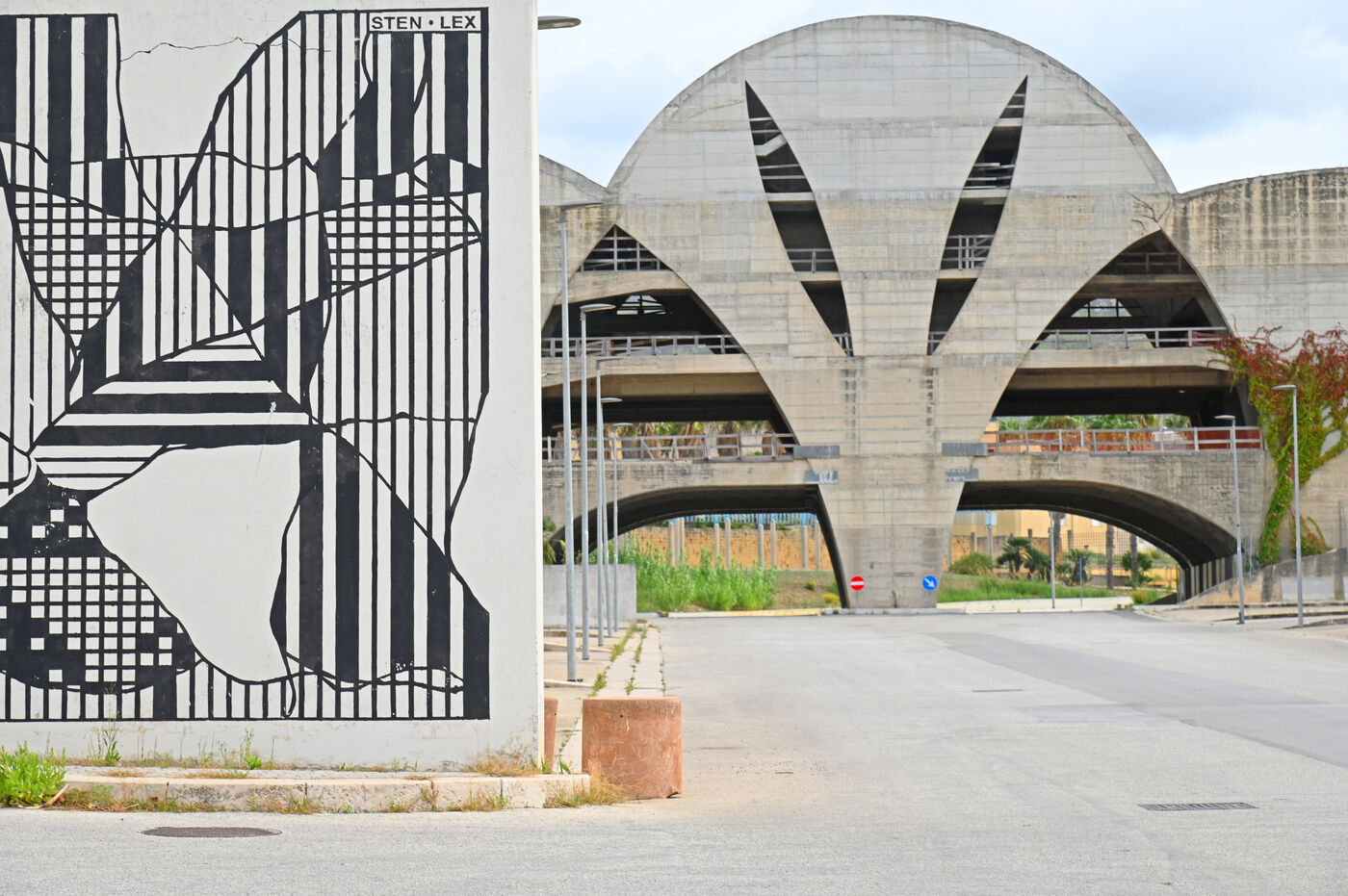
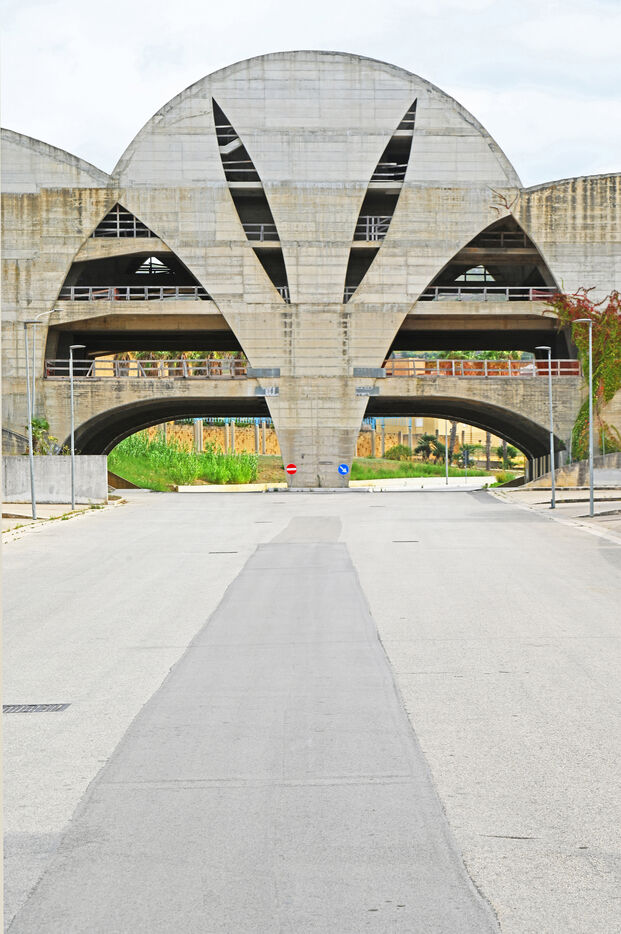
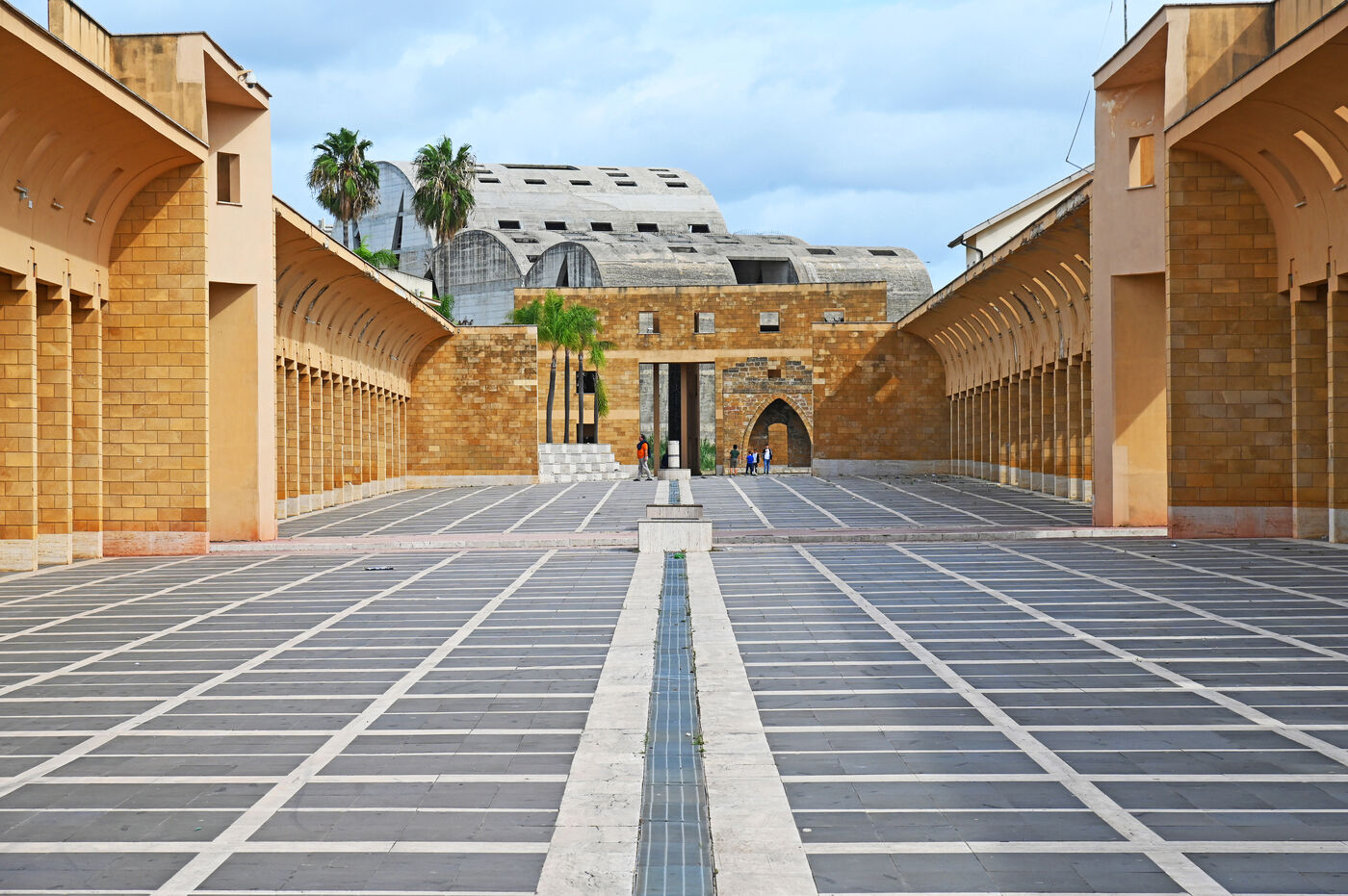
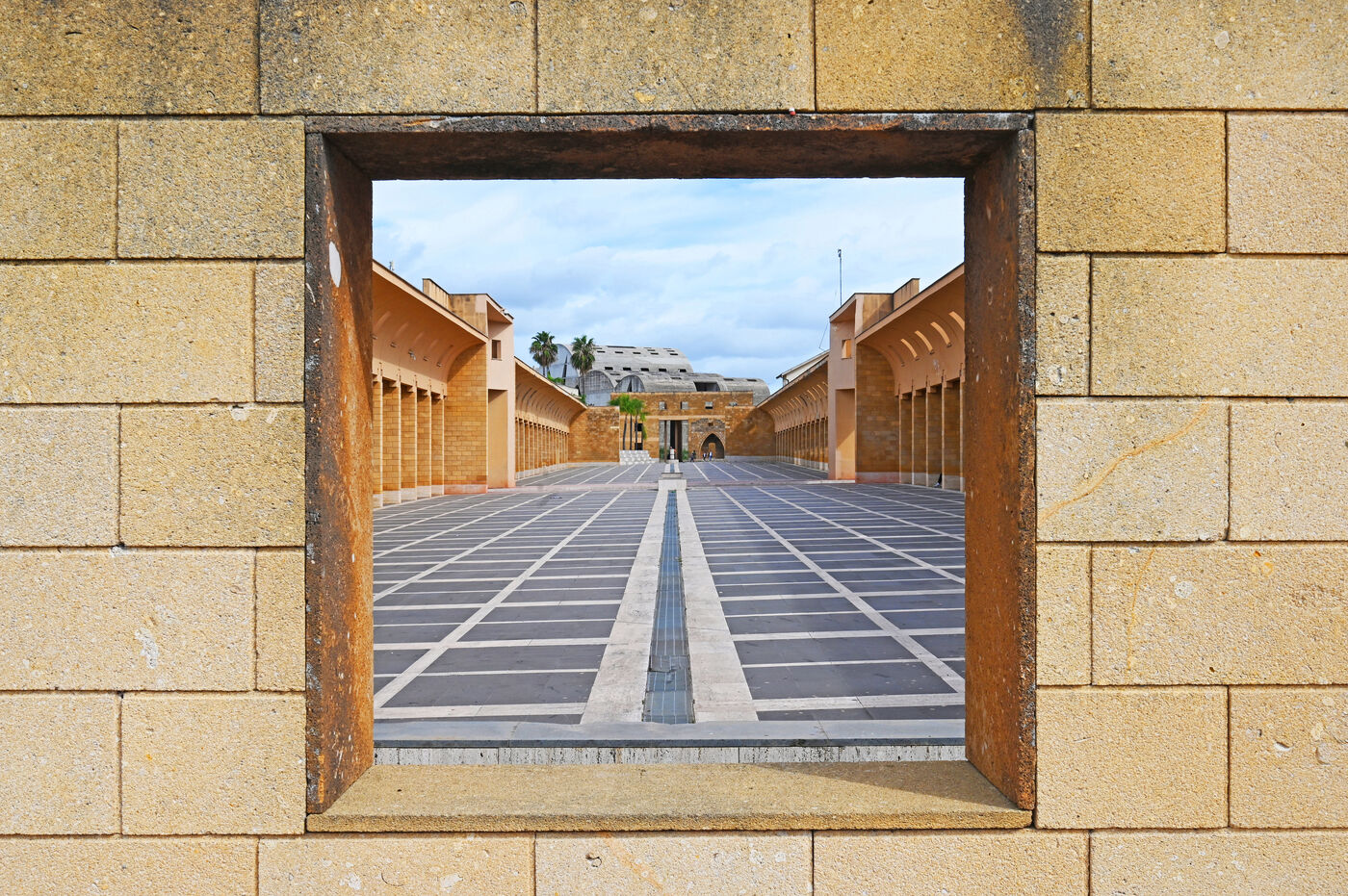
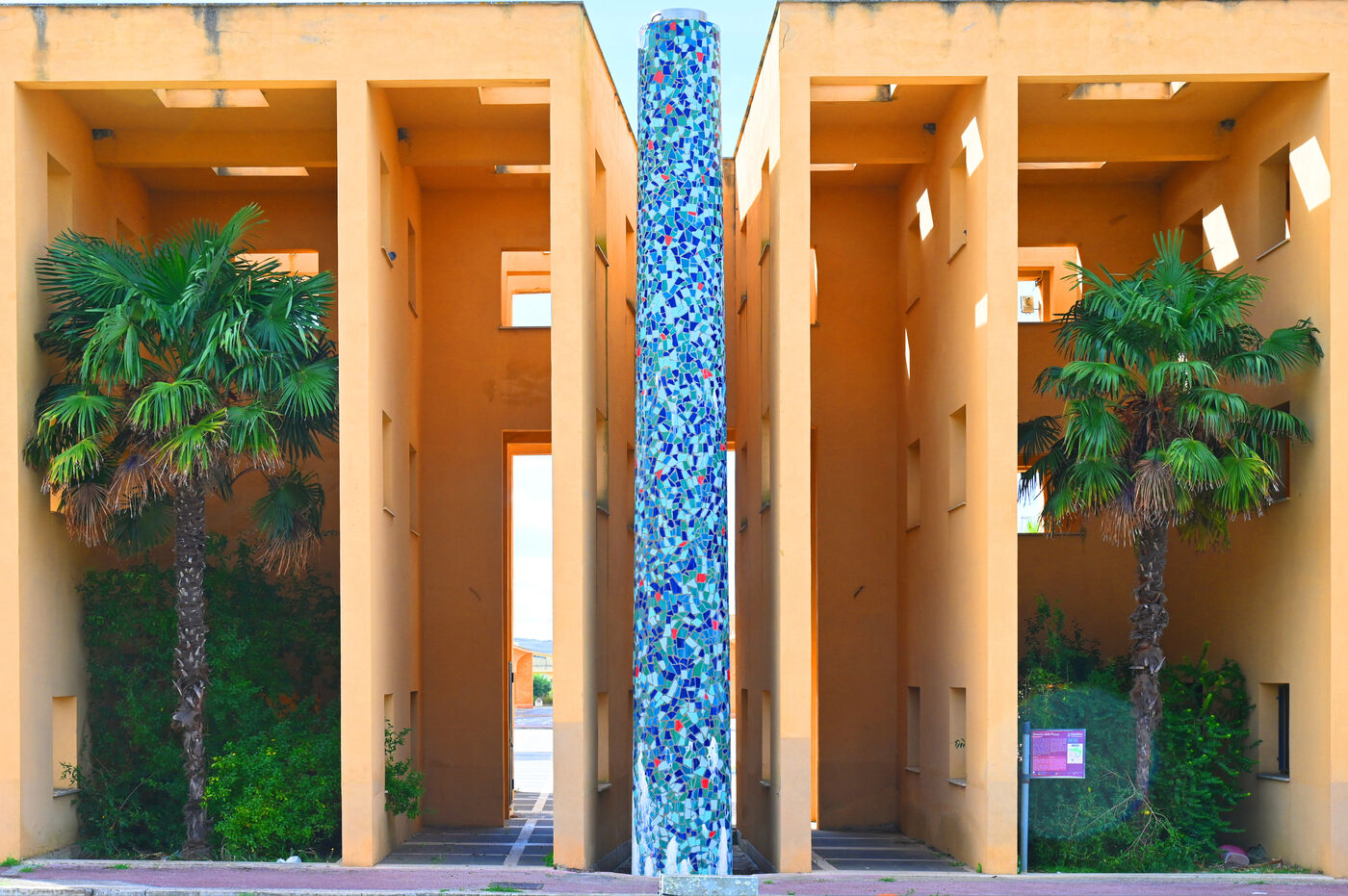
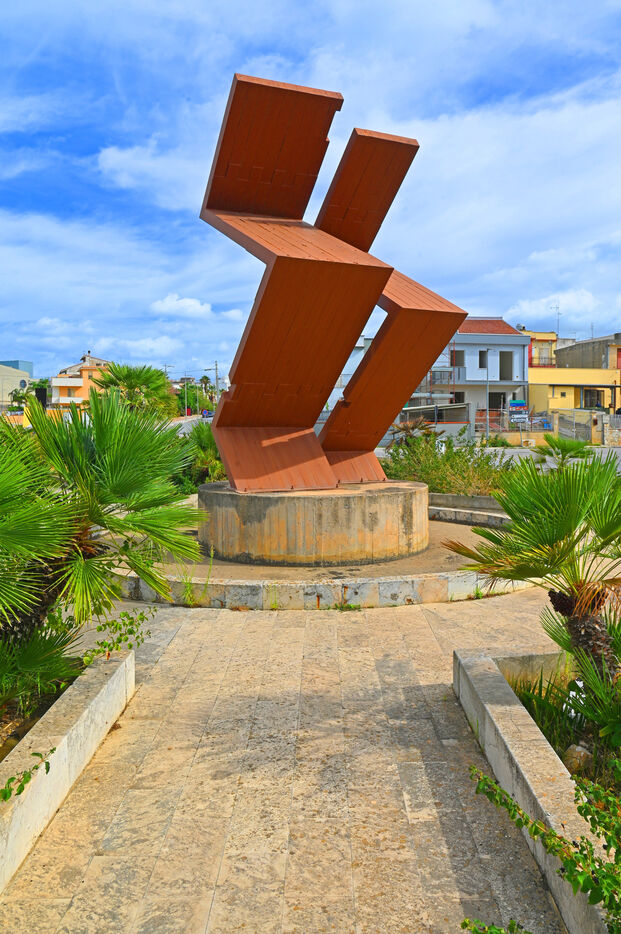
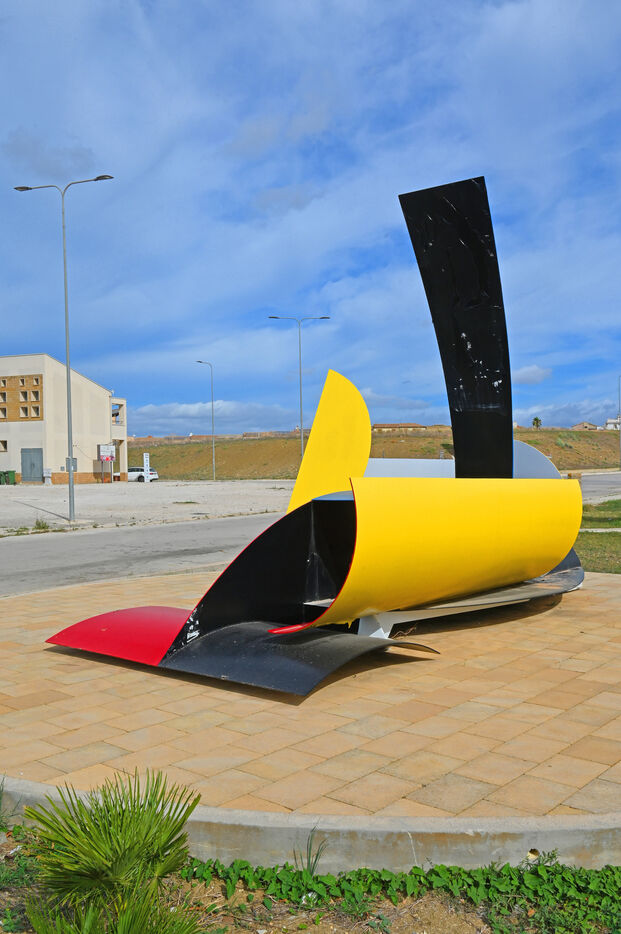
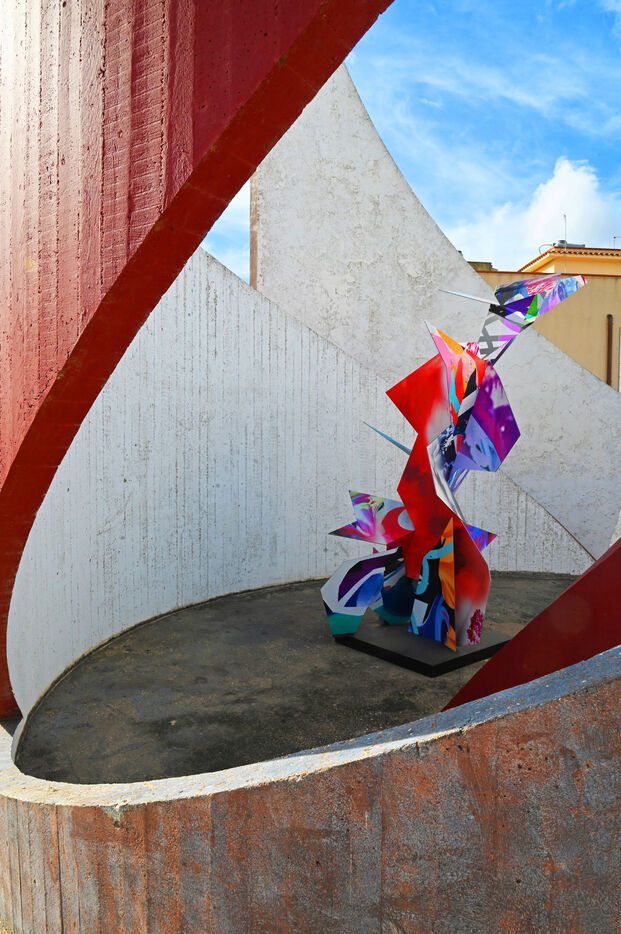
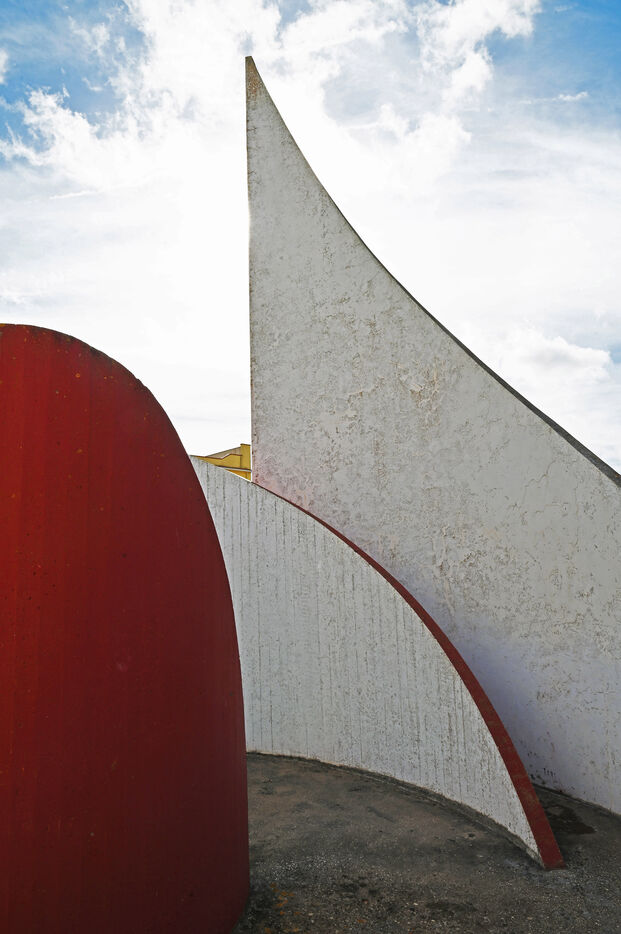
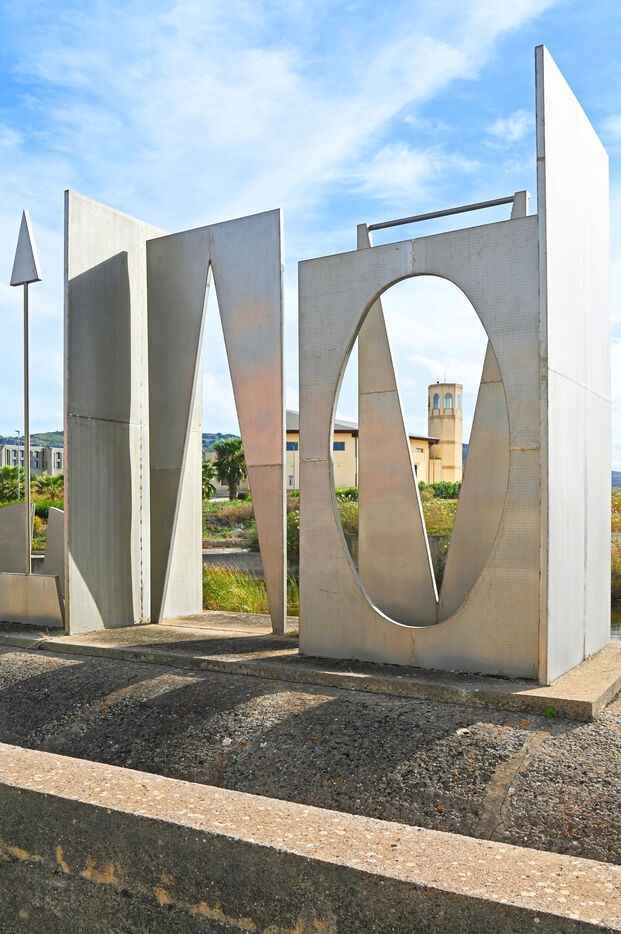
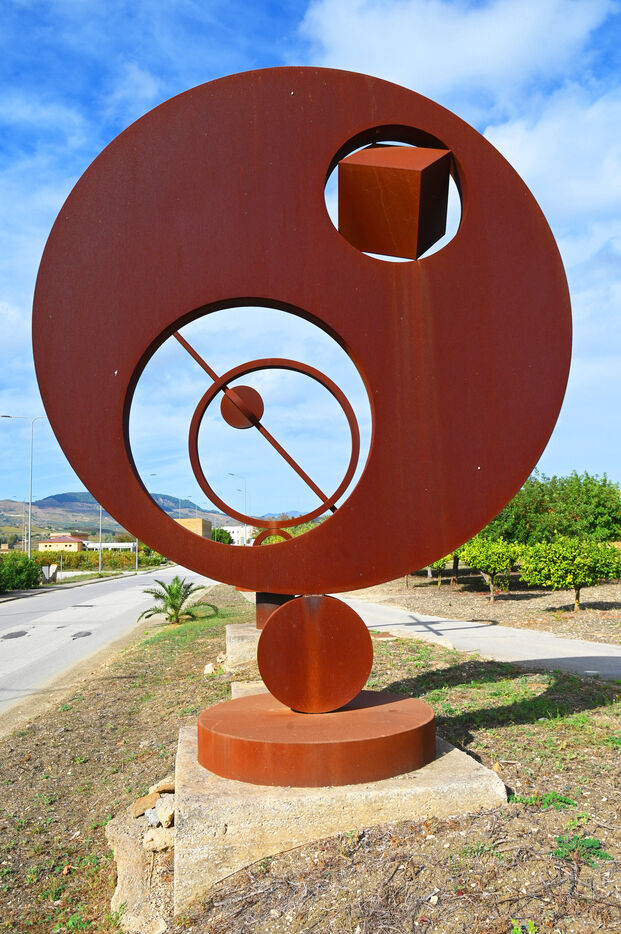
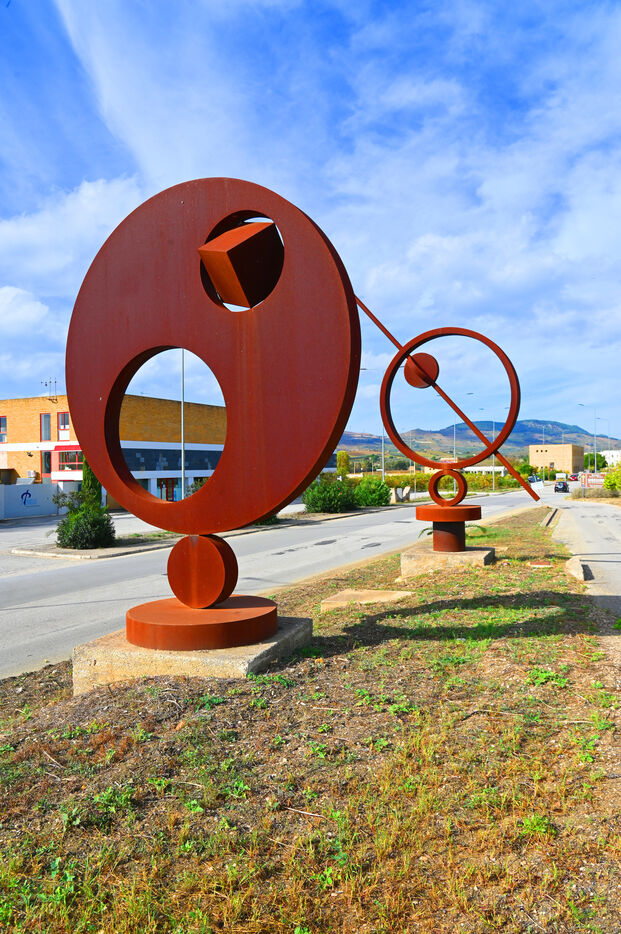
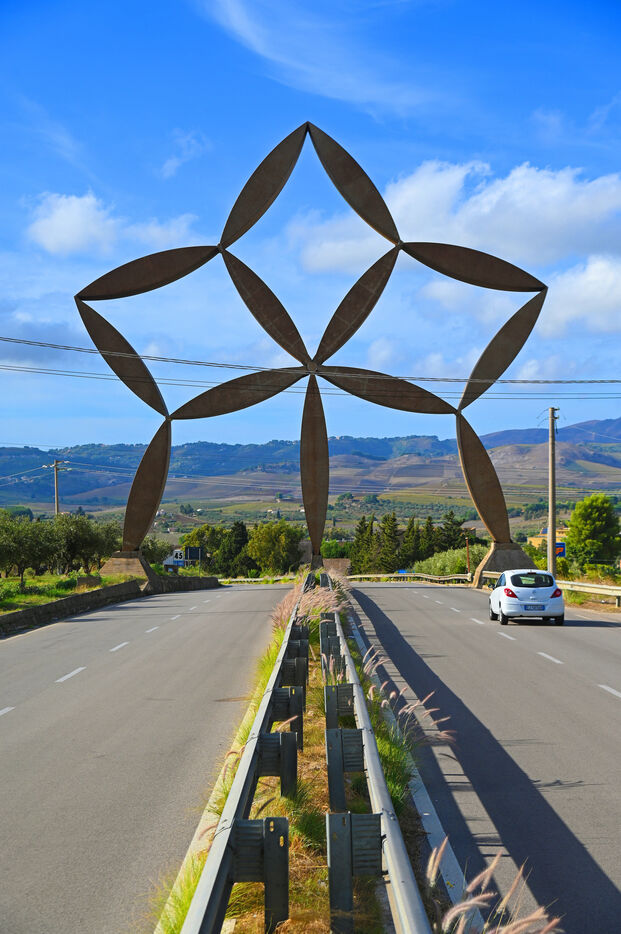
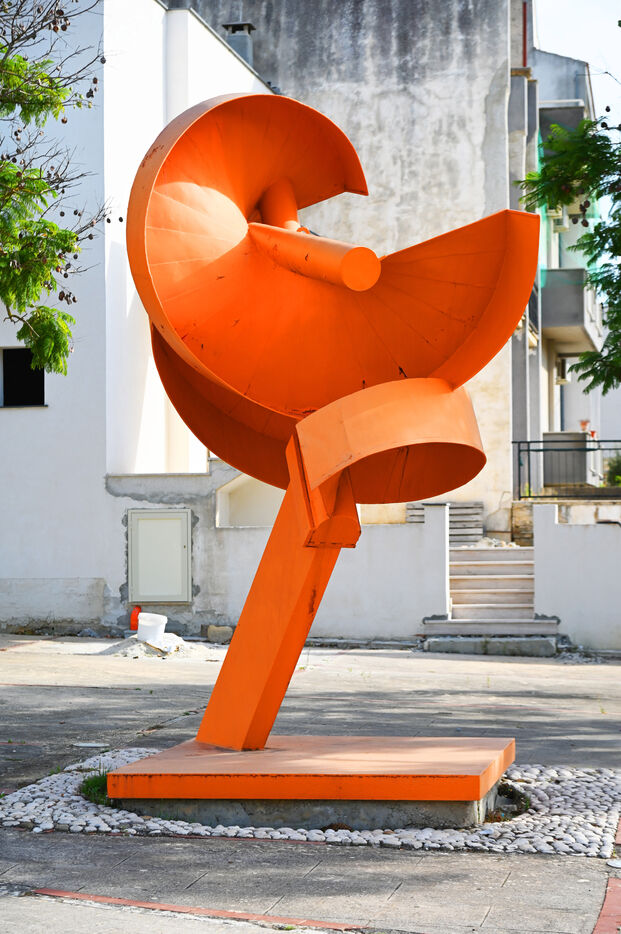
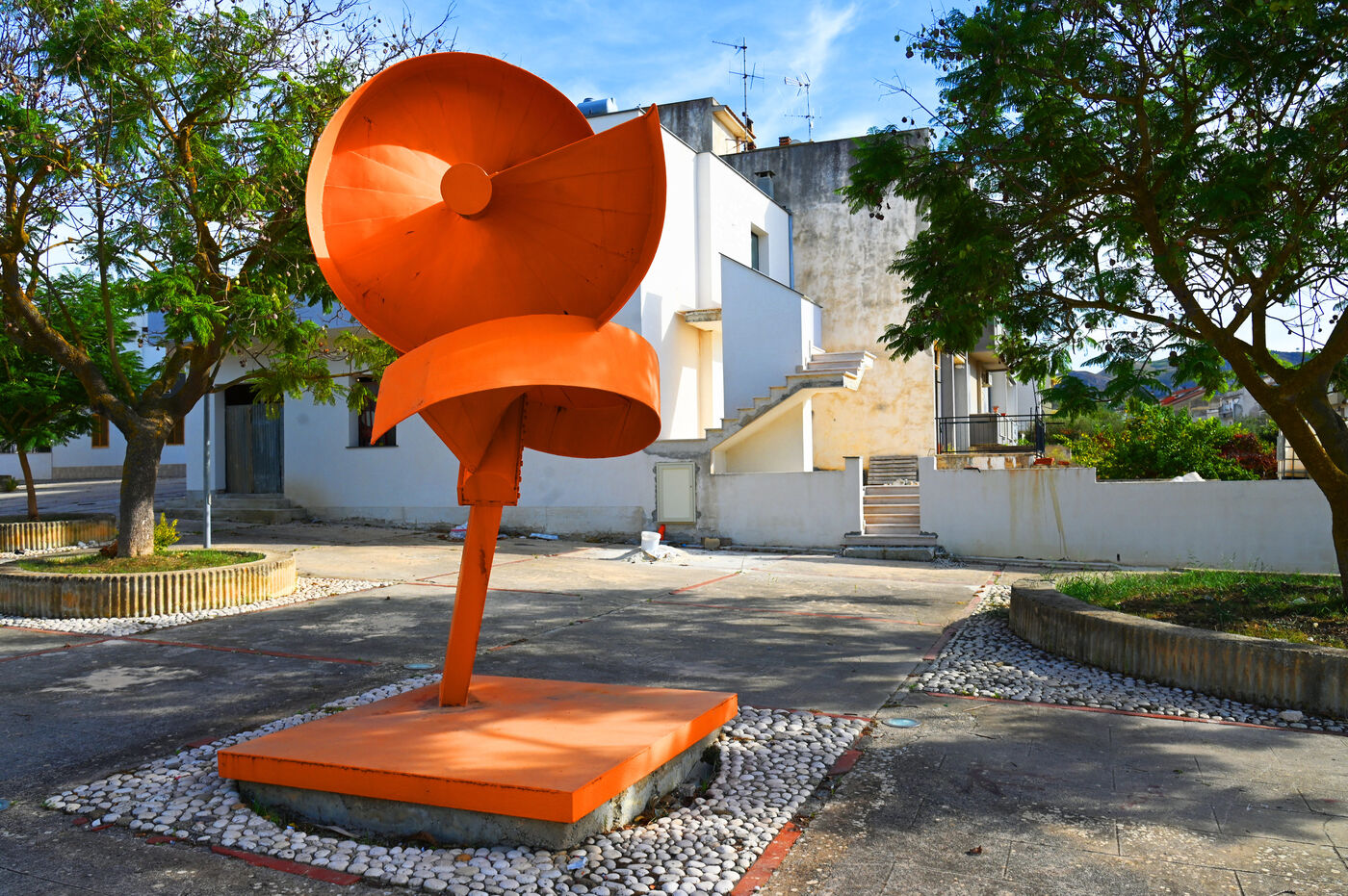
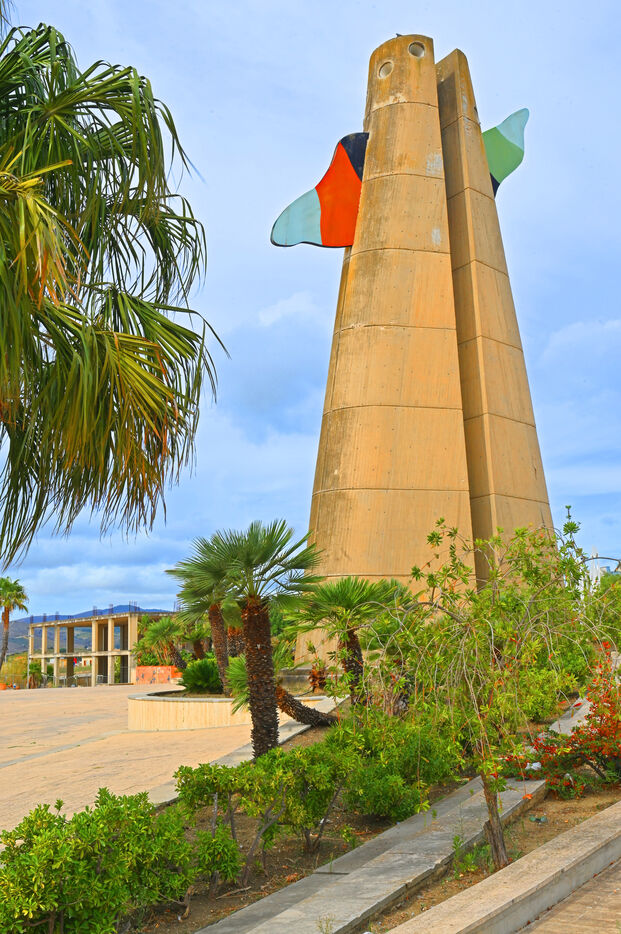
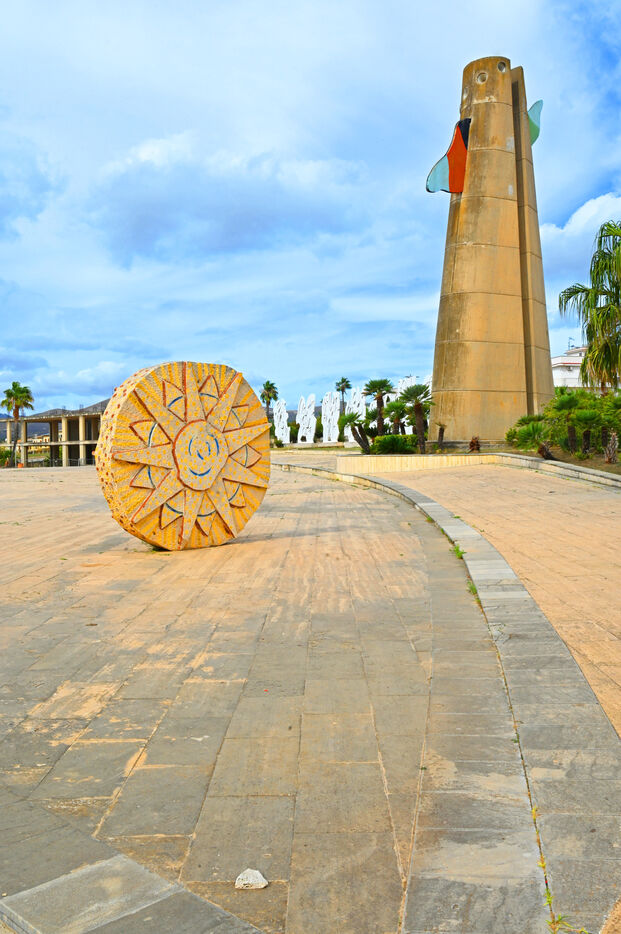
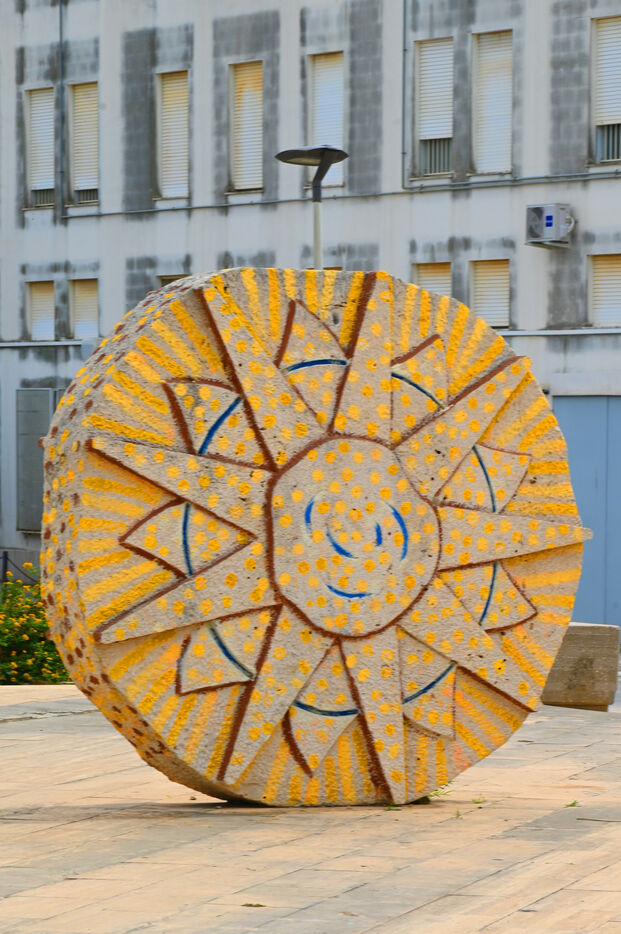
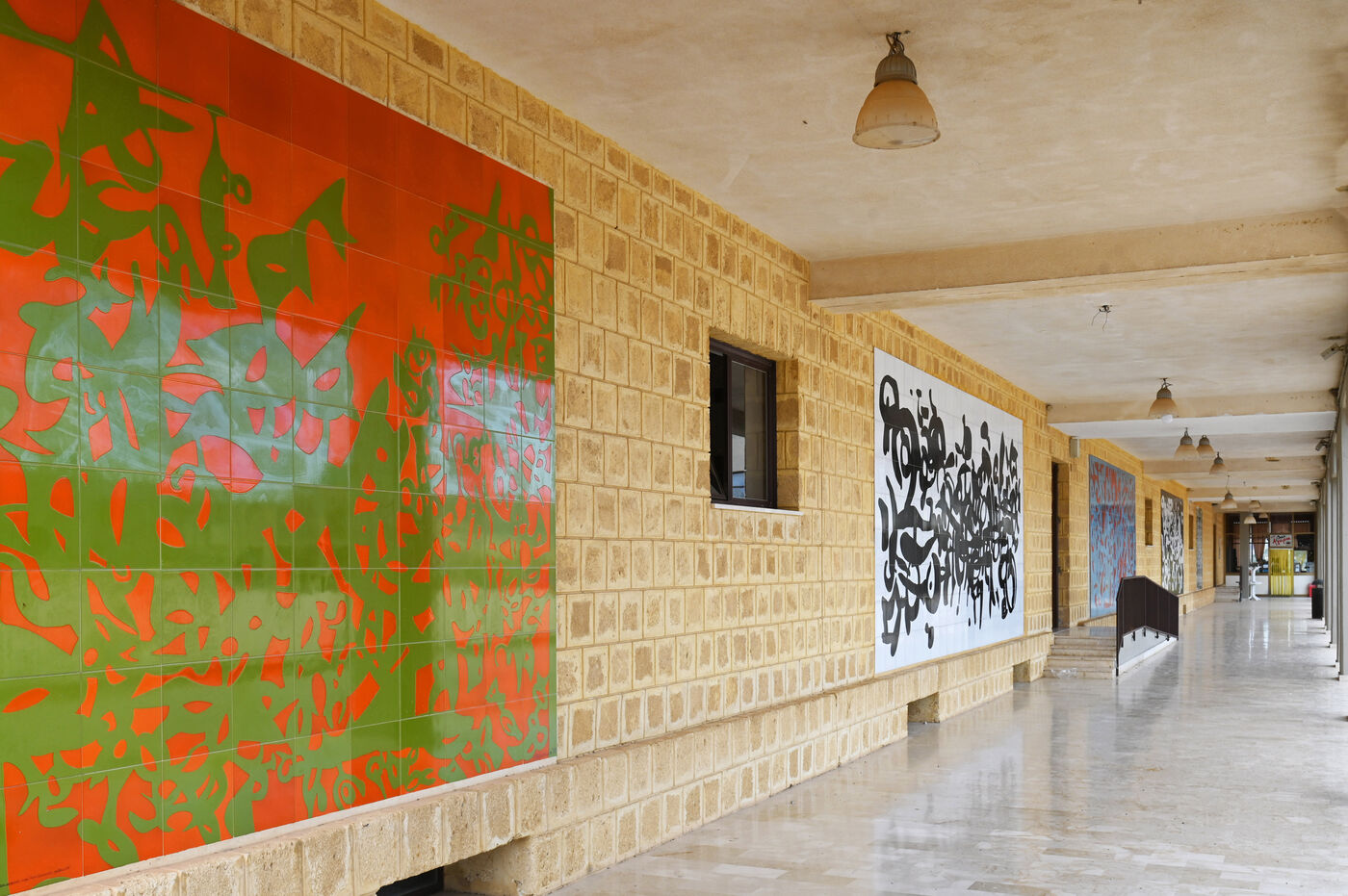
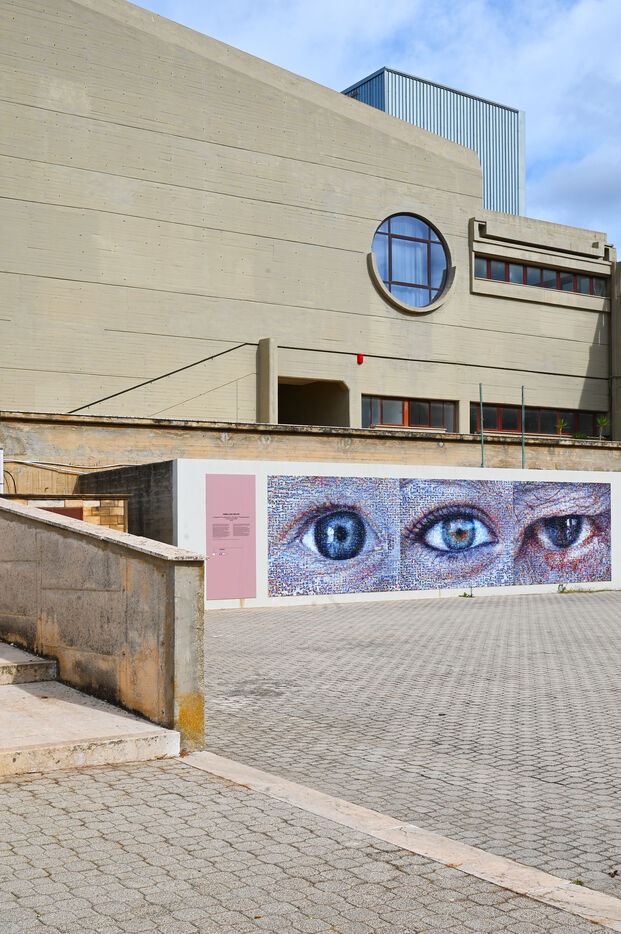
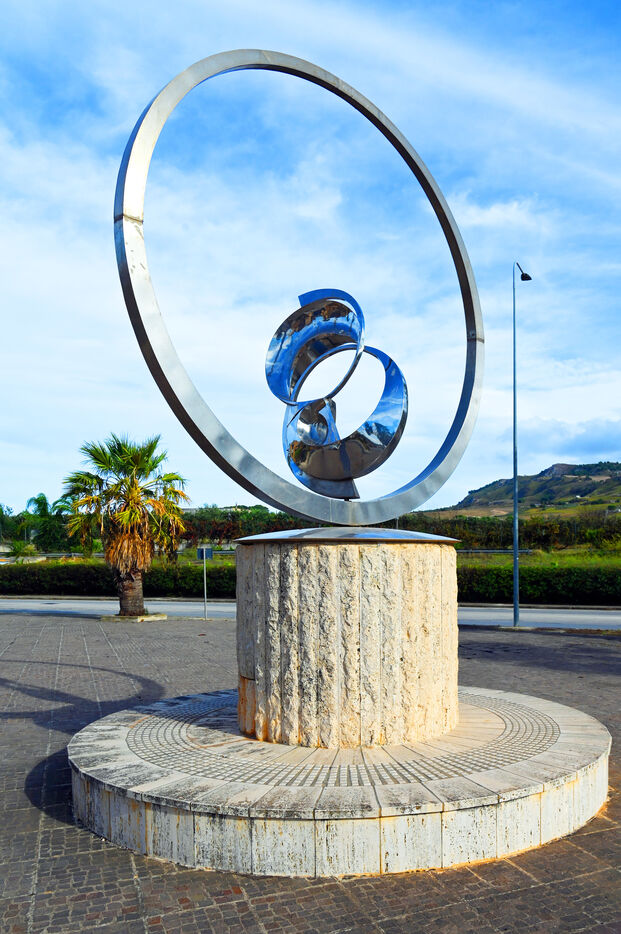
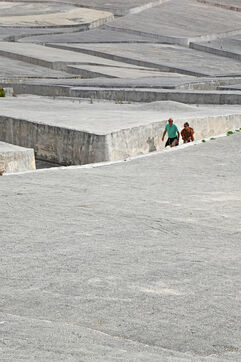
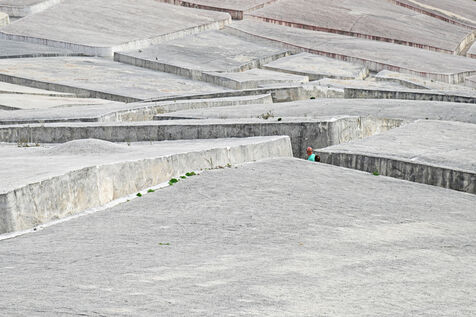
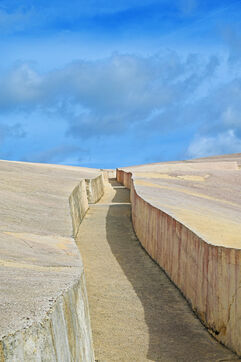
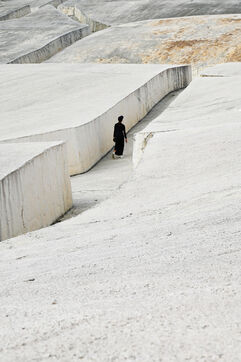
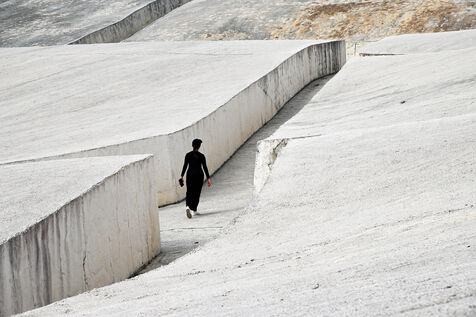
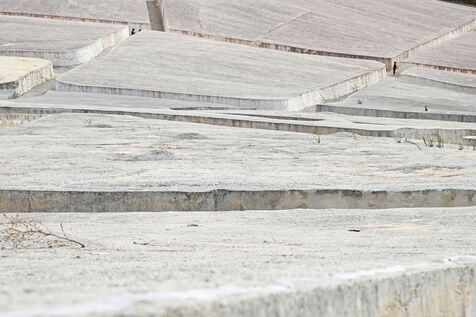
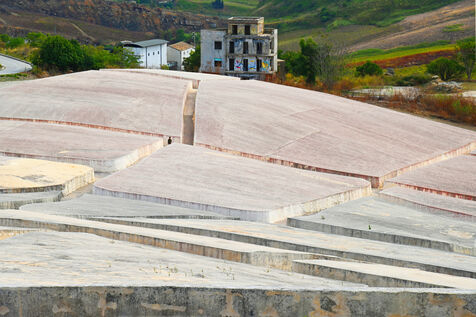
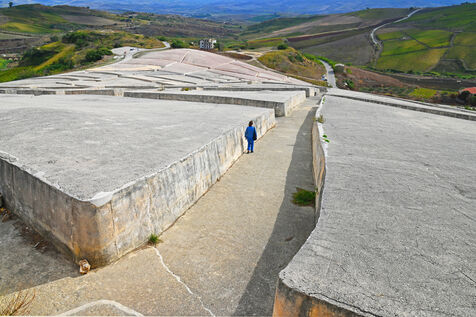
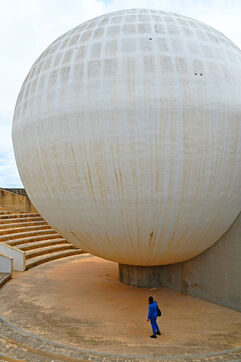
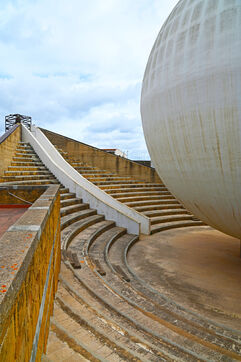
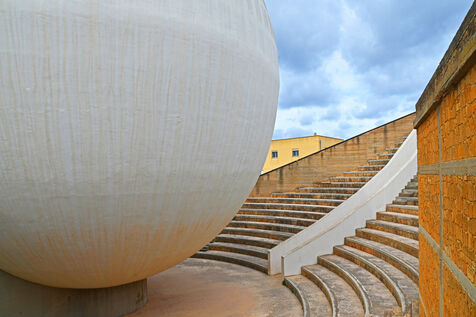
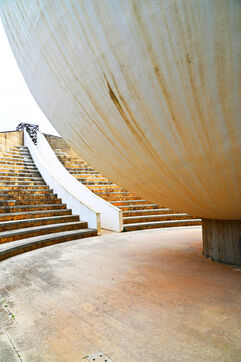
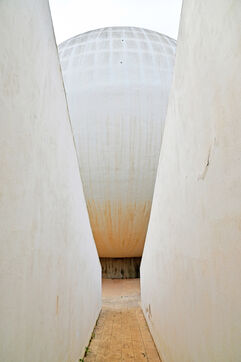
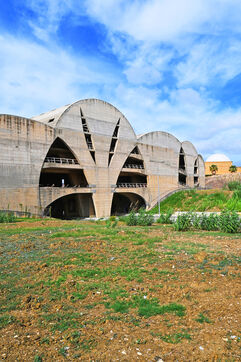
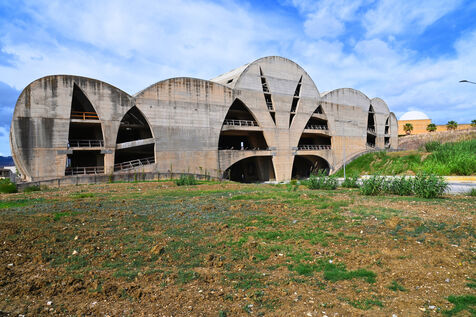
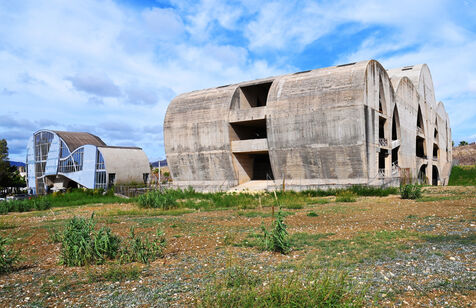
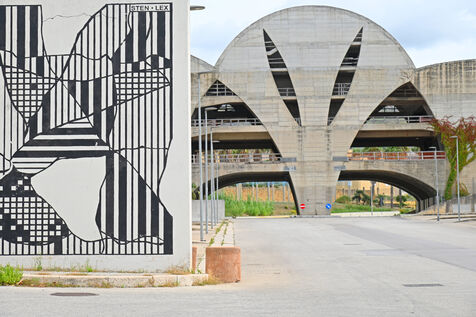
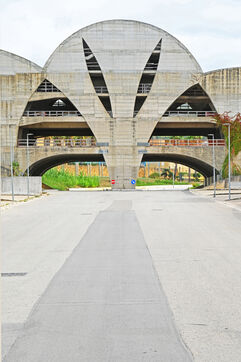
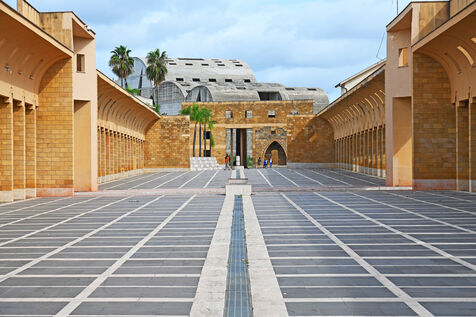
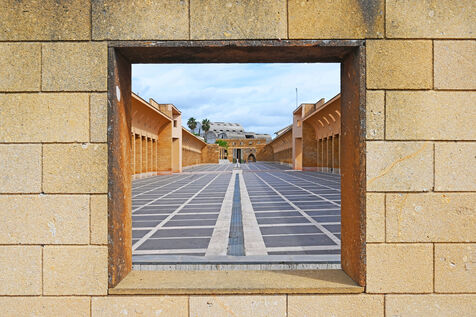
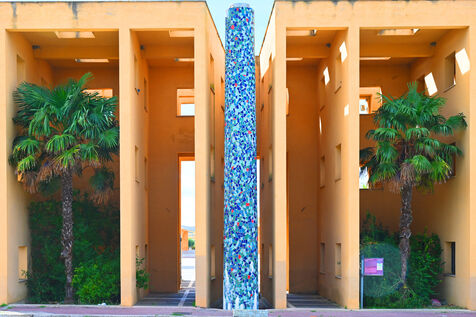
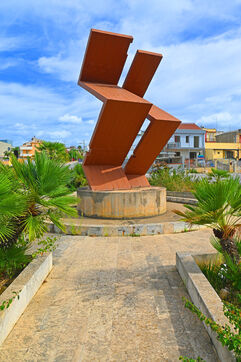
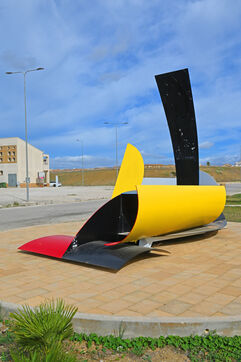
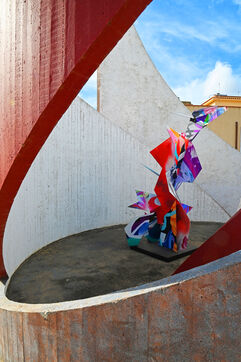
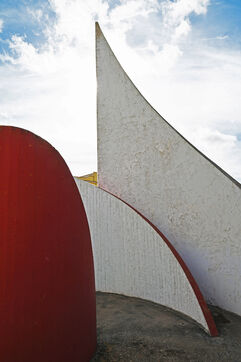
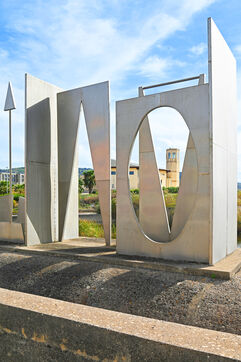
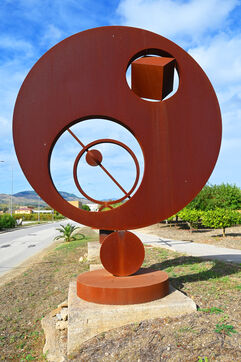
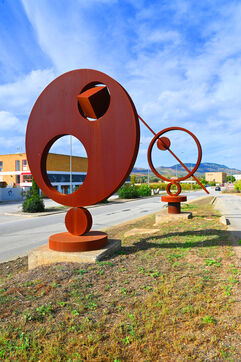
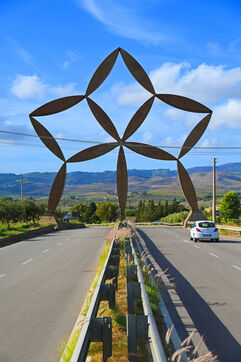
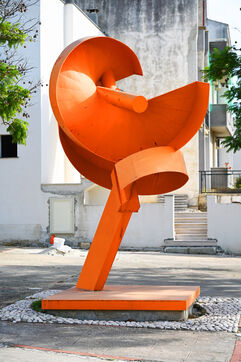
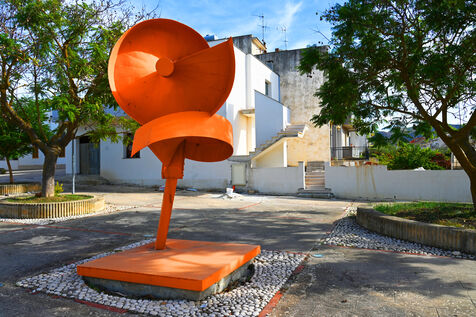
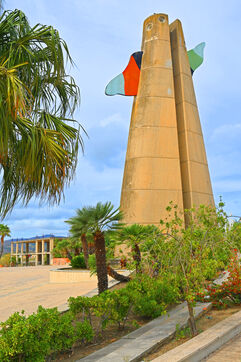
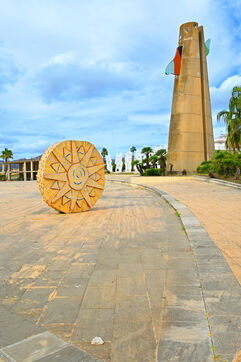
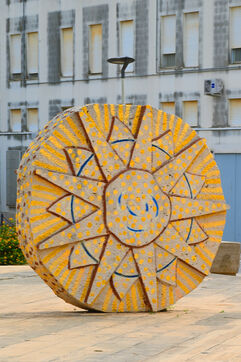
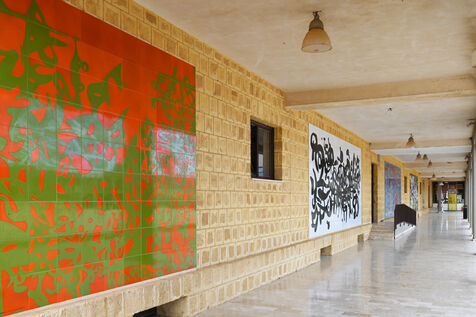
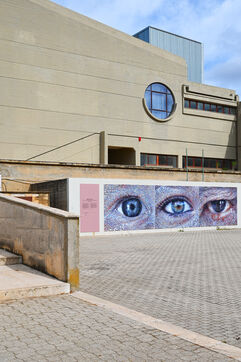
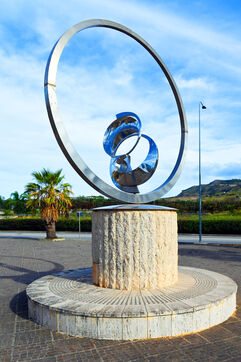
En Sicile, le village de Gibellina Nuova est la capitale italienne de l’art contemporain 2026. Au lendemain du tremblement de terre de 1969 qui détruisit son village de Gibellina, le maire Ludovico Corrao décida de créer une ville nouvelle avec l’aide d’artistes tels que Mimmo Rotella, Arnaldo Pomodoro, Giuseppe Uncini ou Francesco Venezia. La ville devait accueillir 15 000 habitants, 3 000 seulement y vivent au milieu d’oeuvres et de sculptures contemporaines qui parsèment la ville à l’ombre du monumental théâtre inachevé de l’architecte Pietro Consagra et de l’impressionnante église Mère, signée Ludivico Quaroni. L’ancien village, rasé par le tremblement de terre de janvier 1968, est devenu Il Grande Cretto, une gigantesque œuvre de land art signée Alberto Burri qui a recouvert de ciment les décombres de la ville en respectant le plan des rues, sorte de labyrinthe géant perdu au milieu de la vallée de Belice.
In Sicily, the village of Gibellina Nuova, italian capitale of contemporary art 2026
In Sicily, the village of Gibellina Nuova is the Italian Capital of Contemporary Art 2026. In the aftermath of the 1969 earthquake that destroyed his village of Gibellina, Mayor Ludovico Corrao decided to create a new city with the help of artists such as Mimmo Rotella, Arnaldo Pomodoro, Giuseppe Uncini, and Francesco Venezia. The city was intended to house 15,000 inhabitants, but only 3,000 live there amidst contemporary artworks and sculptures that dot the city in the shadow of the monumental, unfinished theater by architect Pietro Consagra and the impressive Mother Church, designed by Ludovico Quaroni. The old village, razed by the earthquake of January 1968, became Il Grande Cretto, a gigantic work of land art by Alberto Burri which covered the rubble of the town with cement while respecting the street plan, a sort of giant labyrinth lost in the middle of the Belice valley.