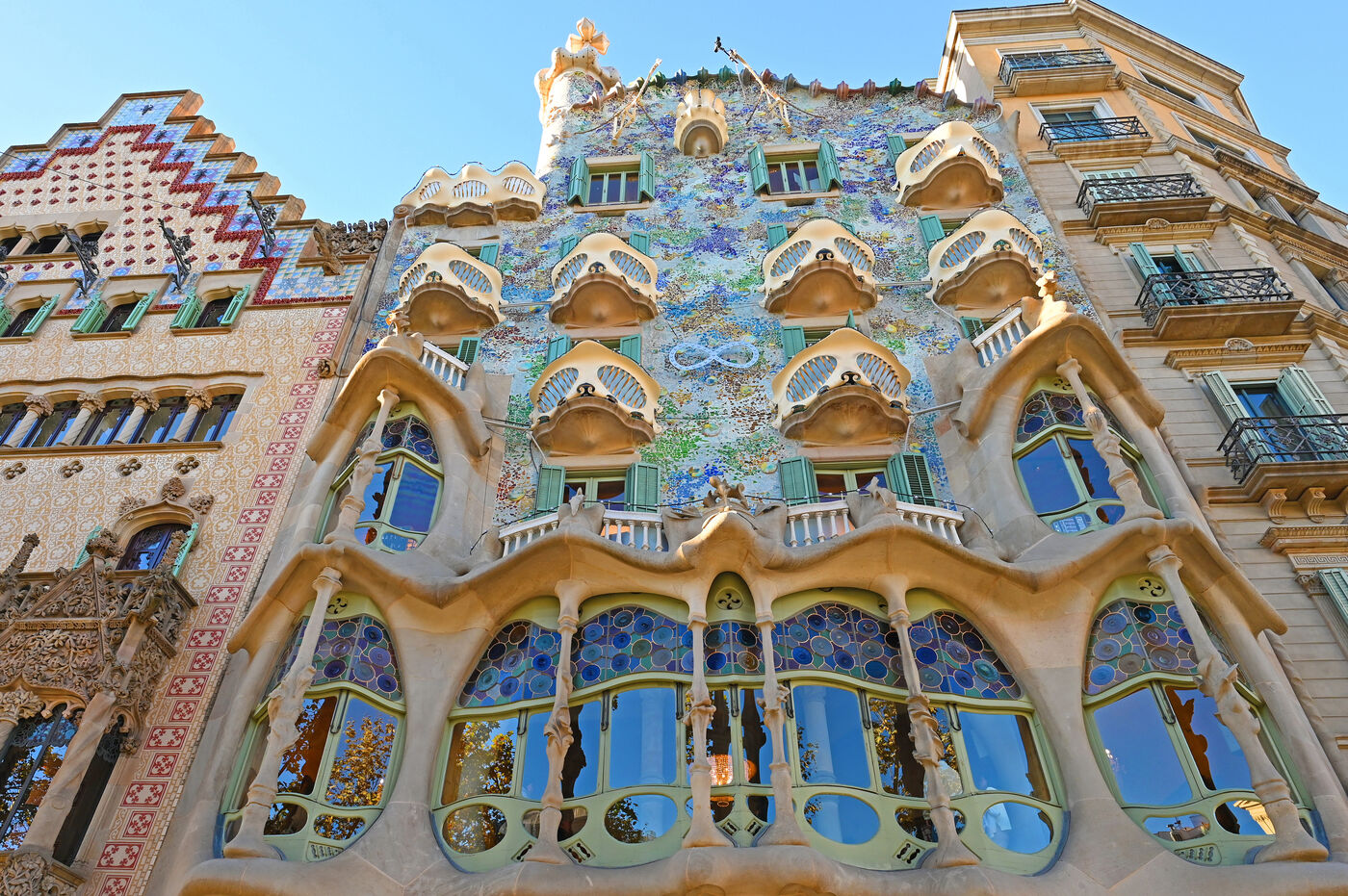
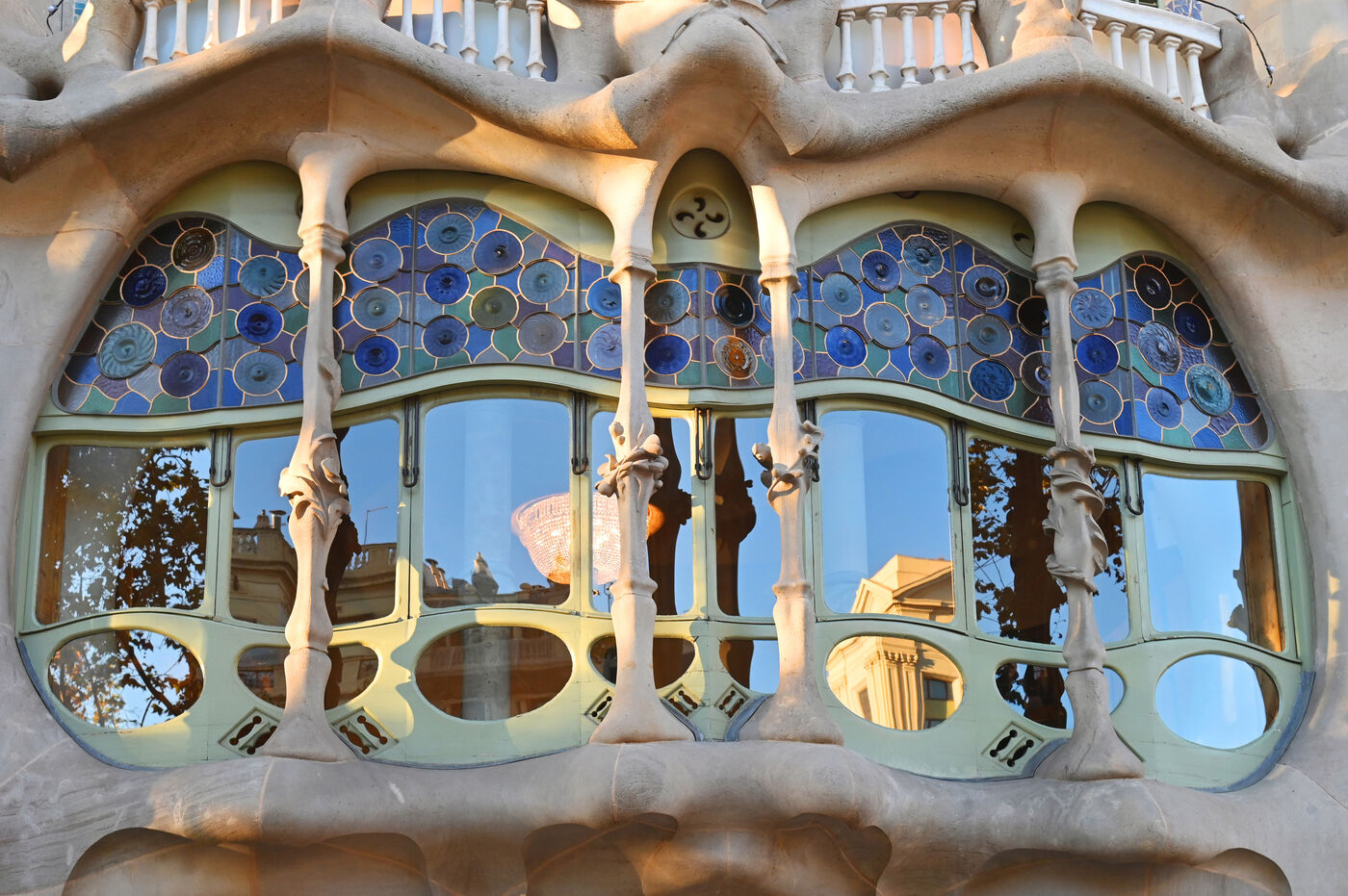
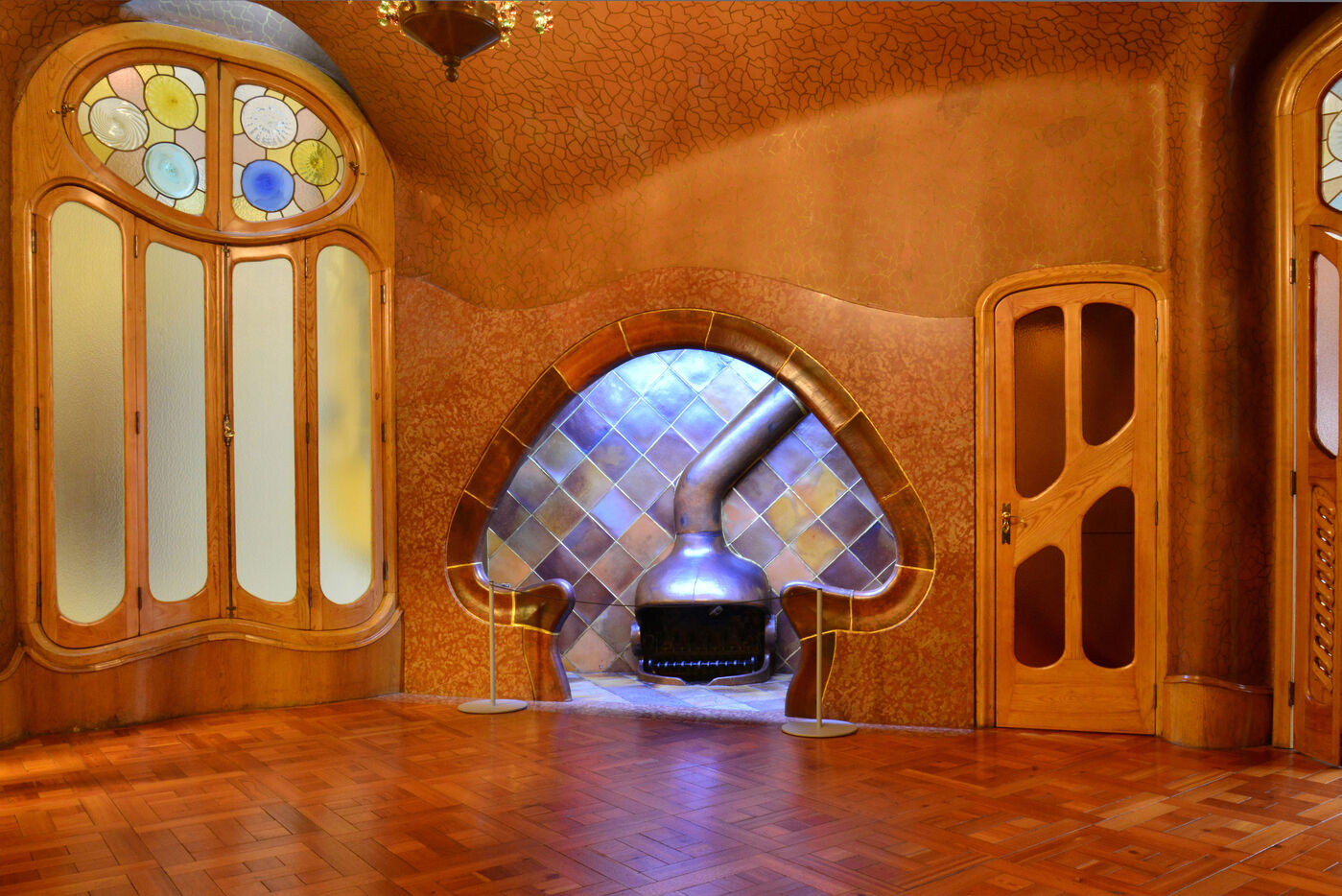
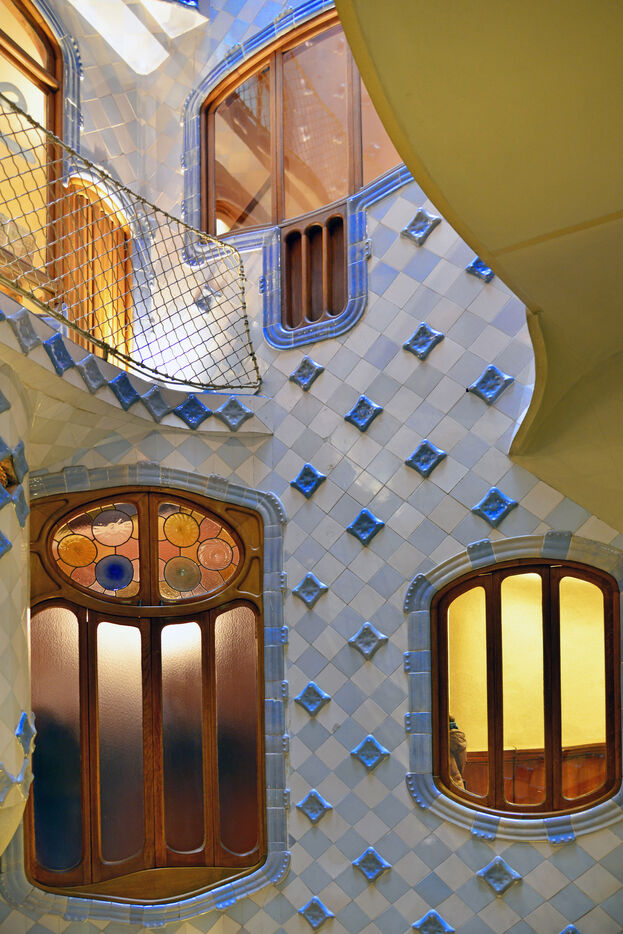
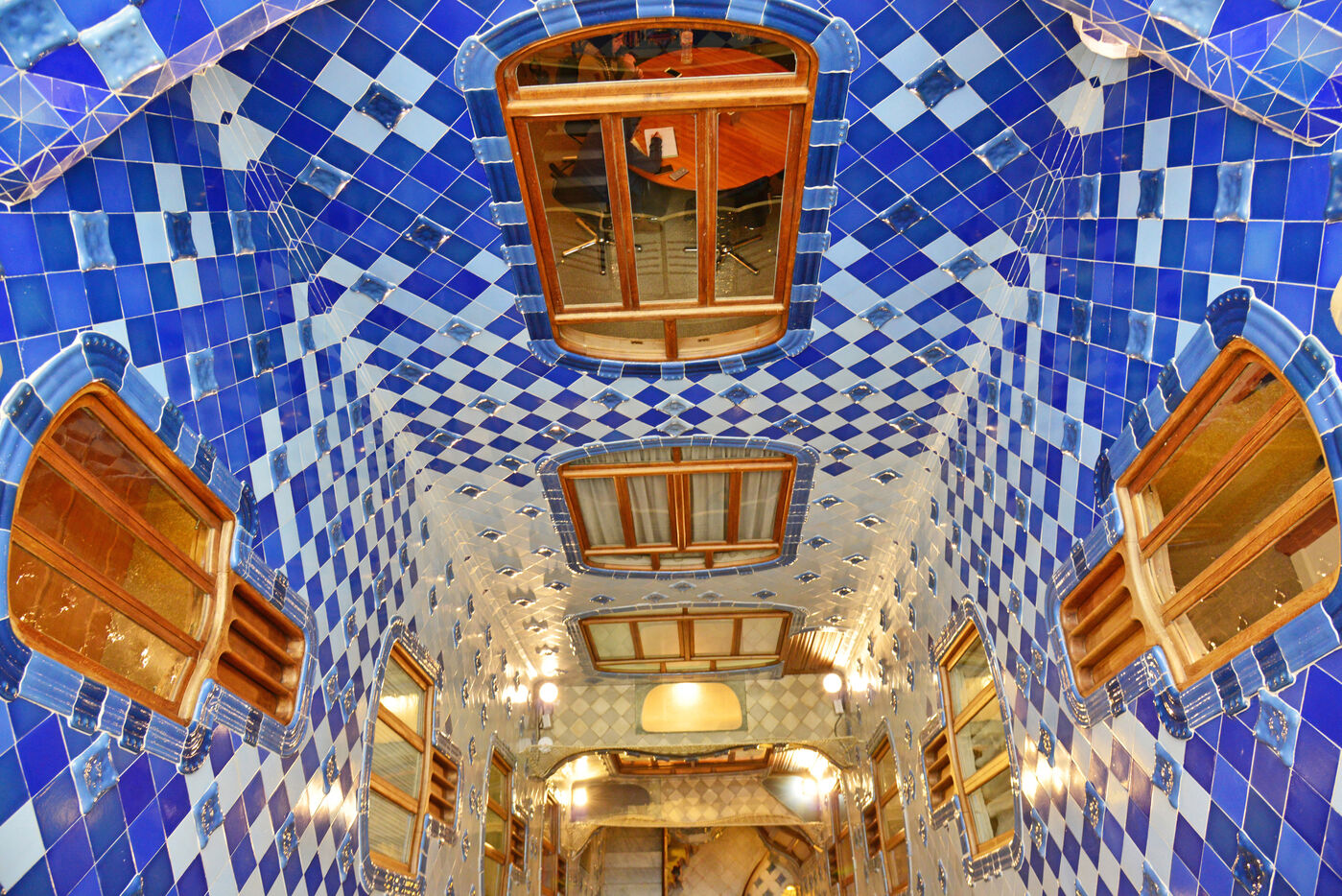
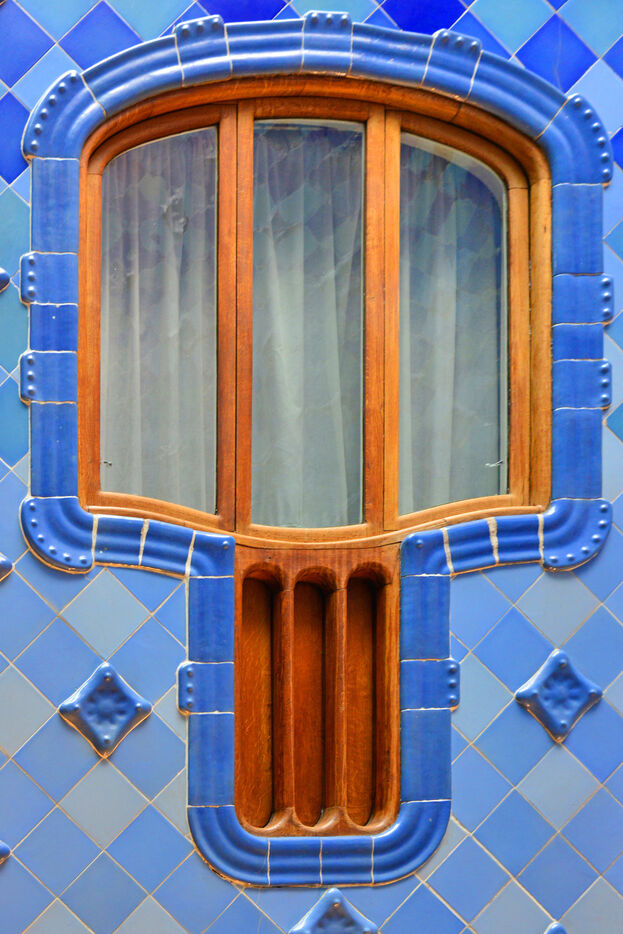
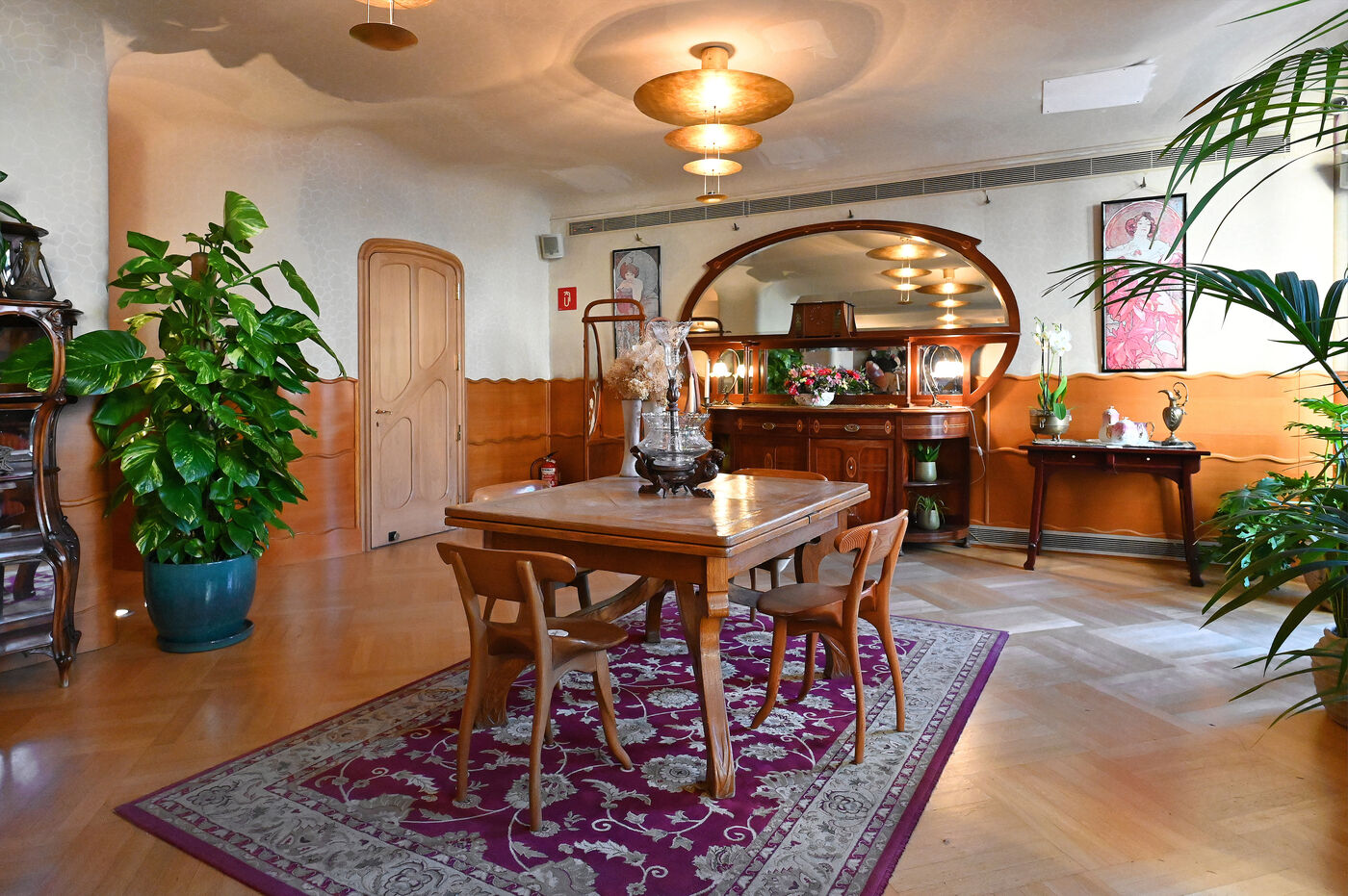
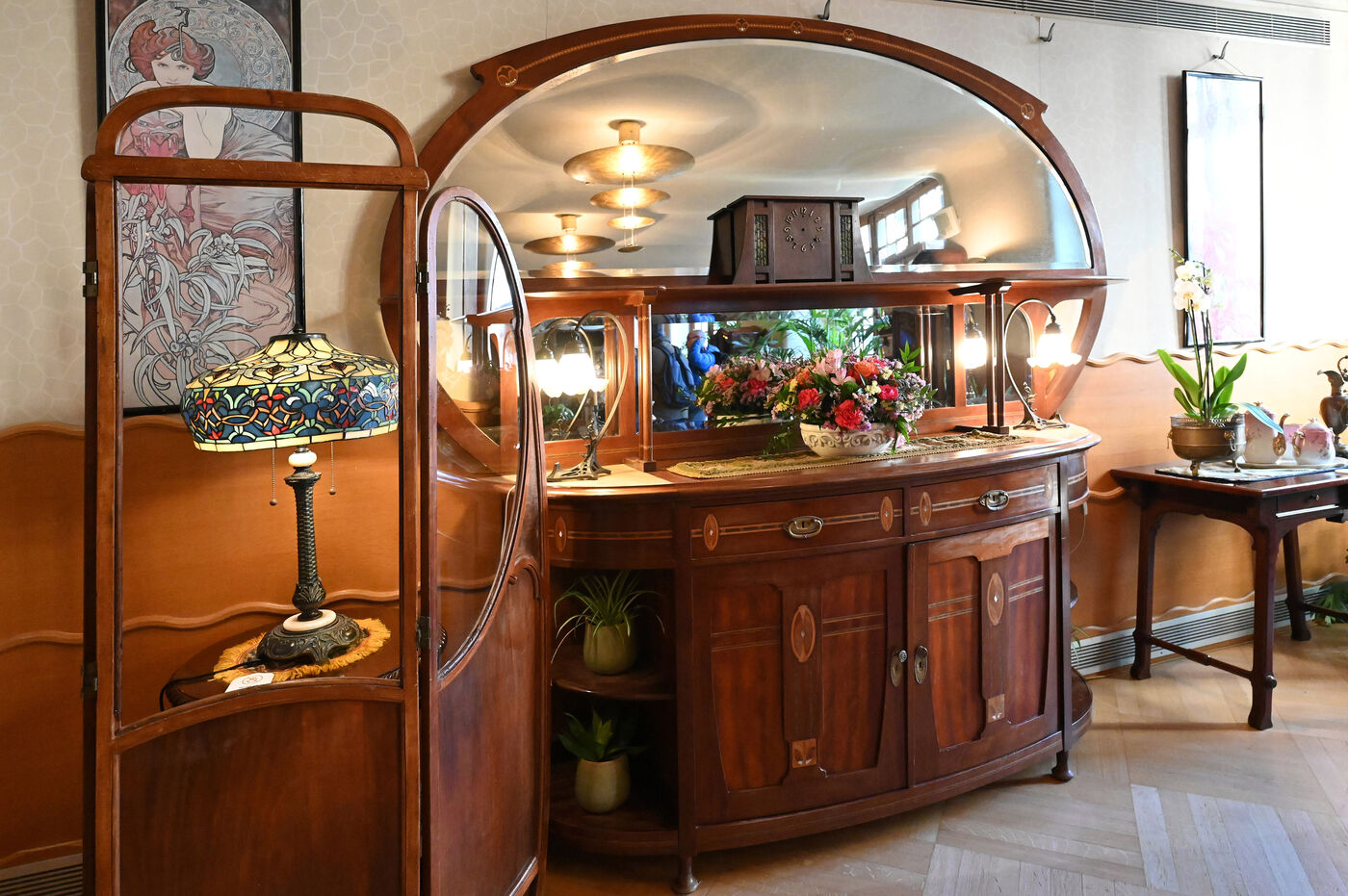
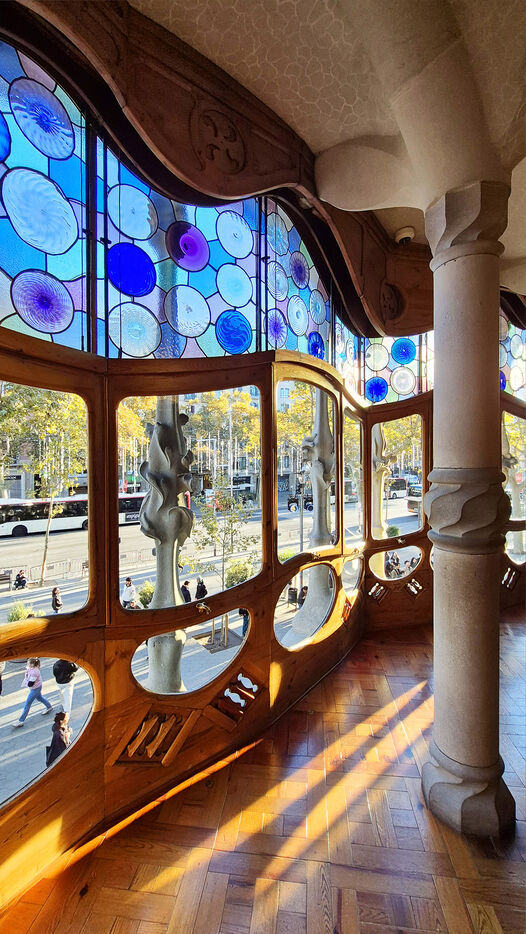
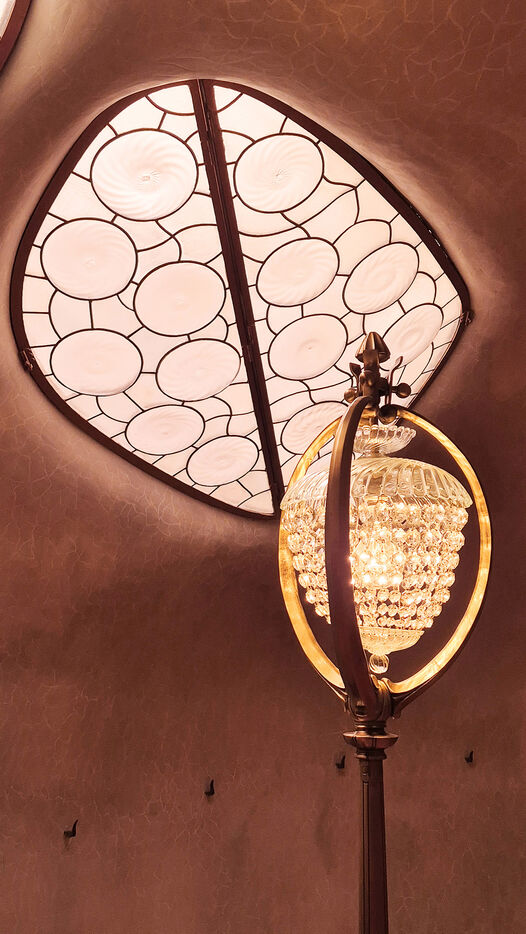
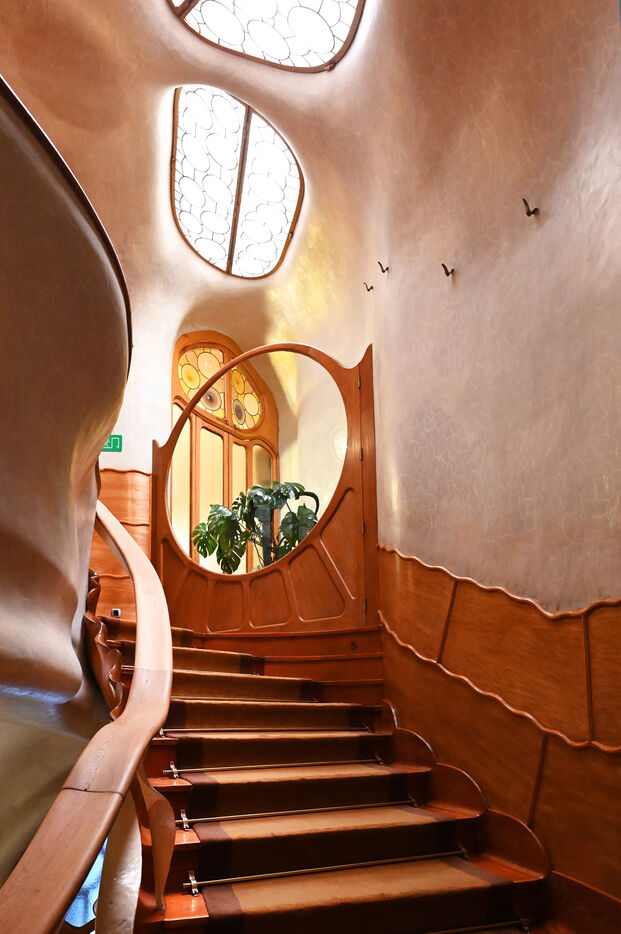
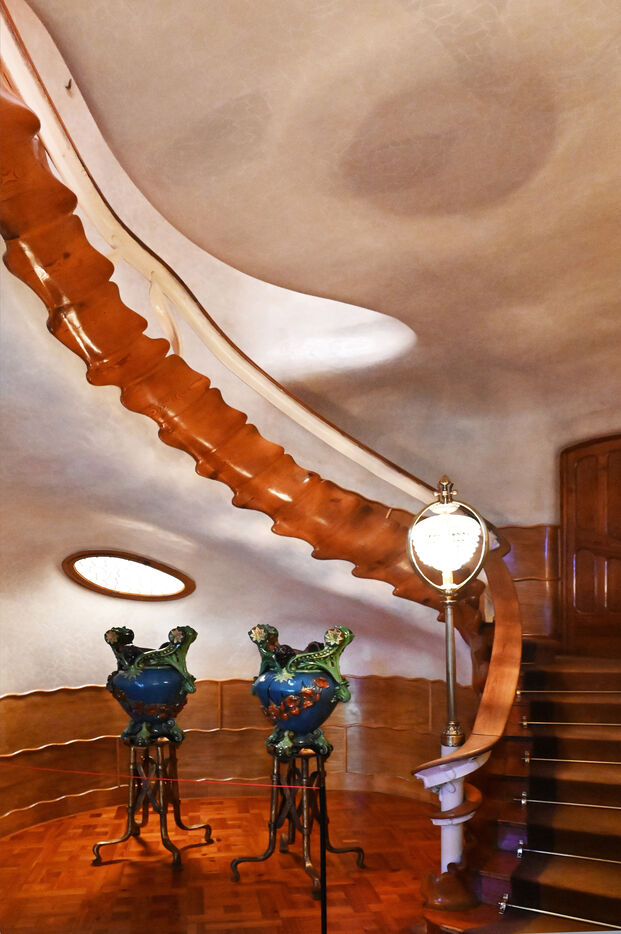
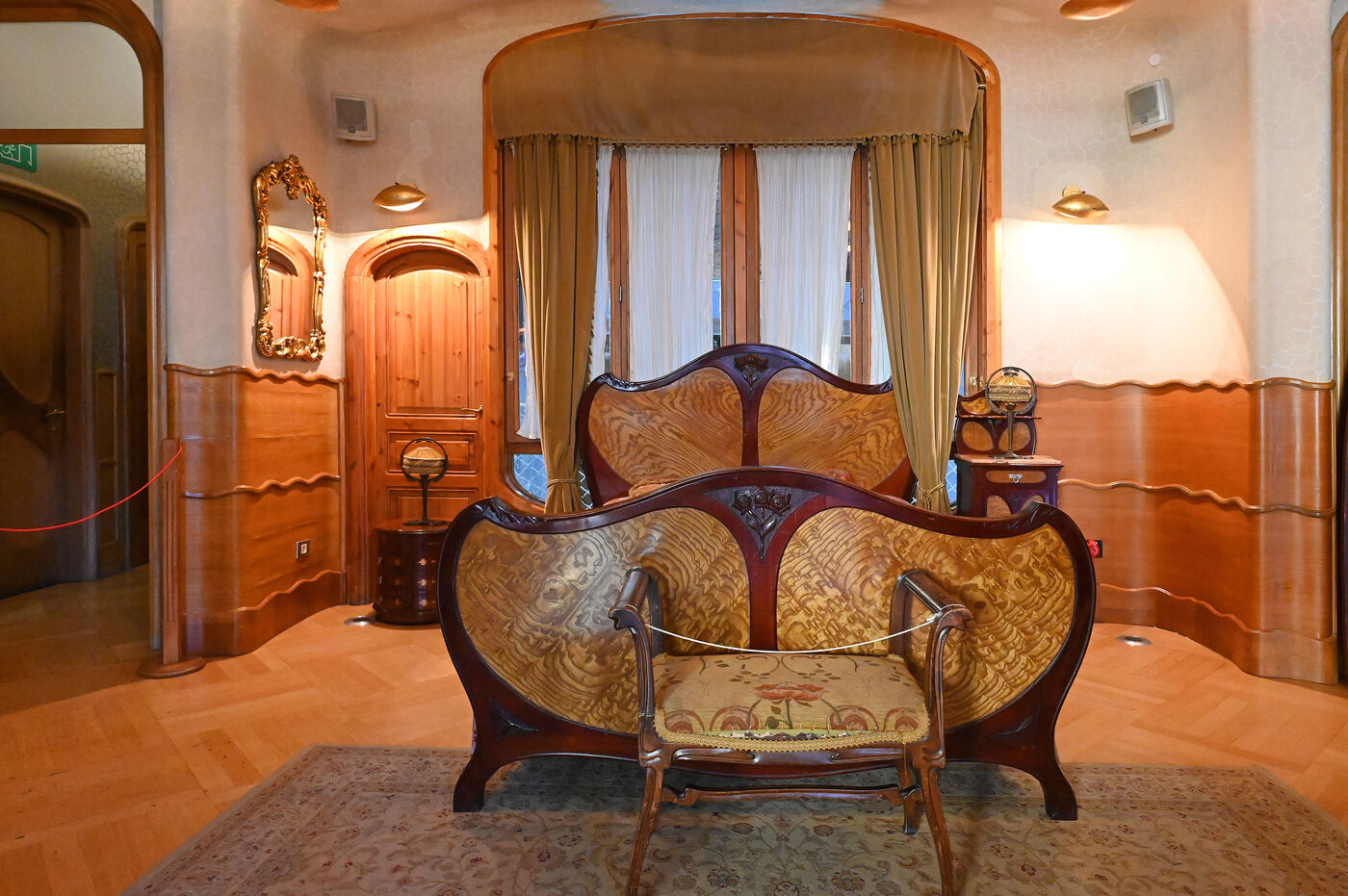
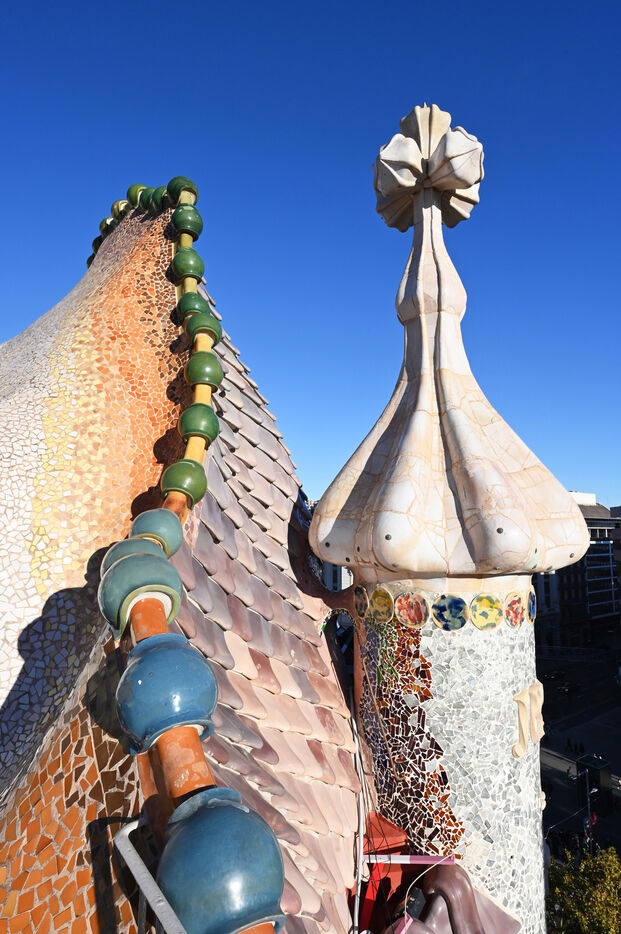
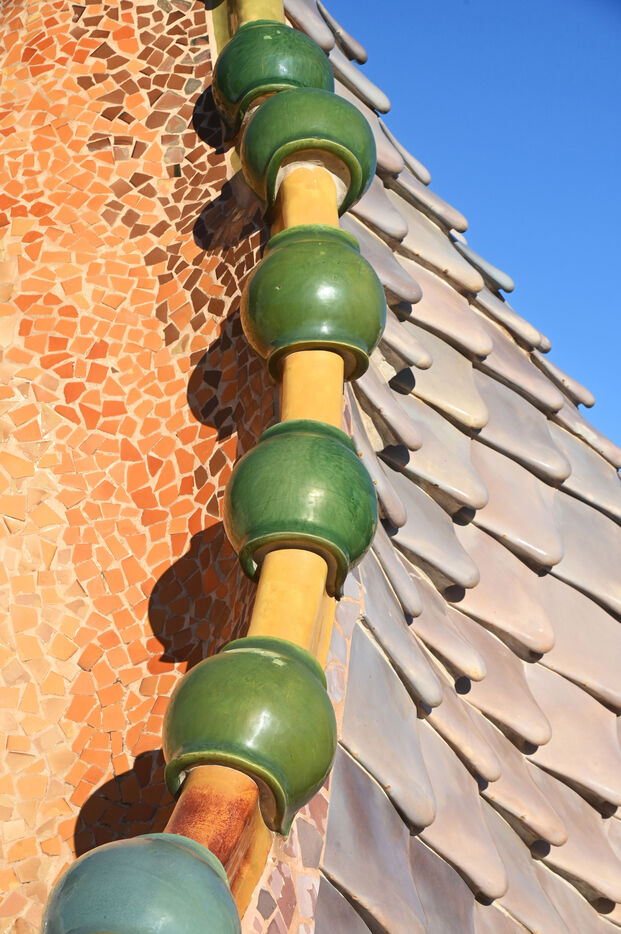
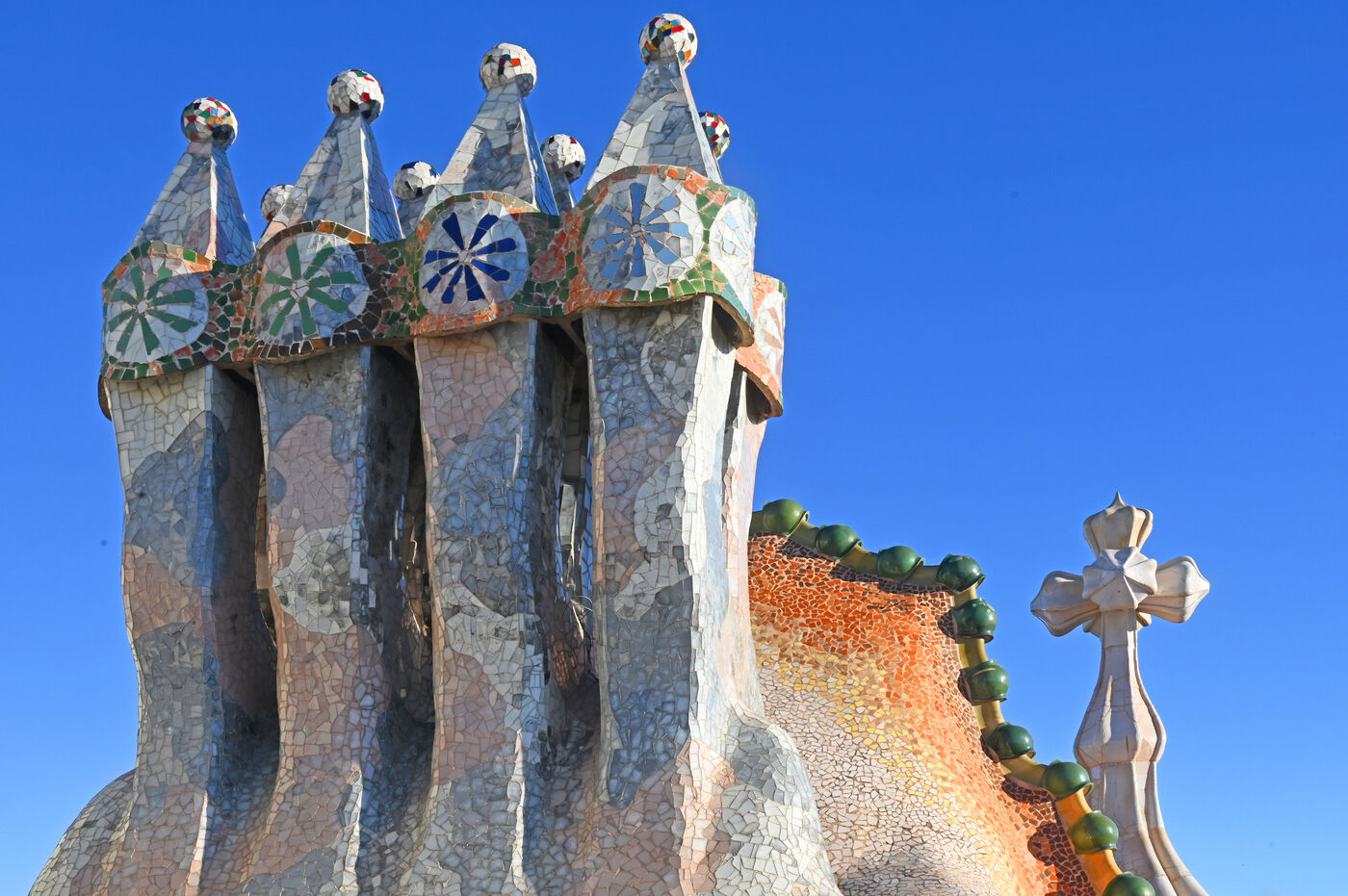
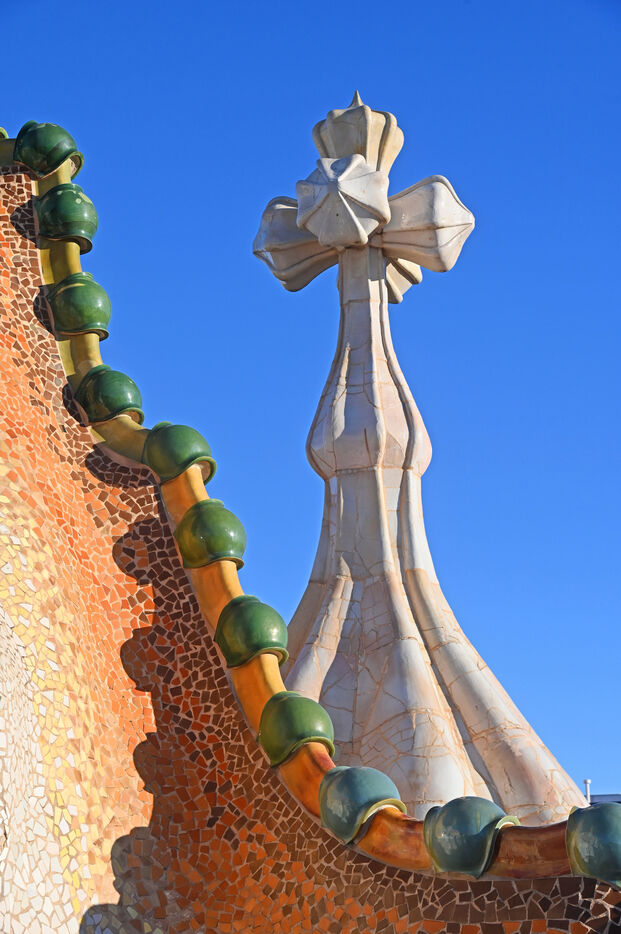
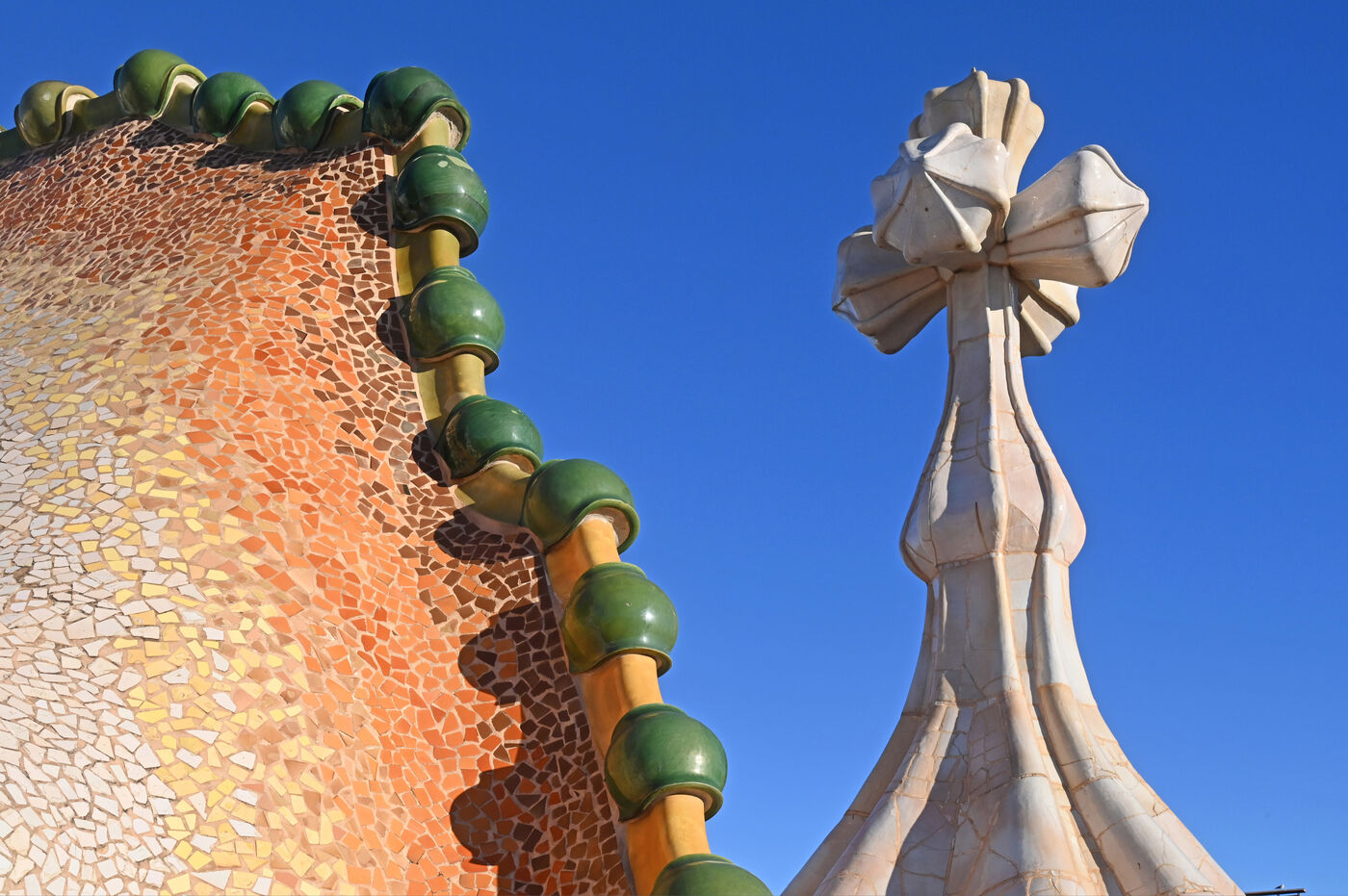
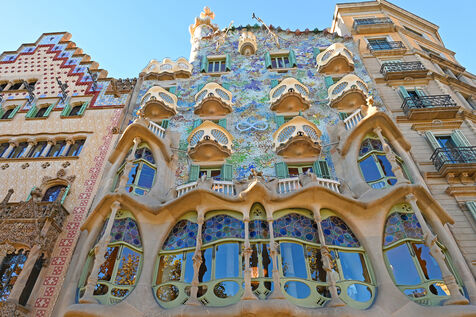
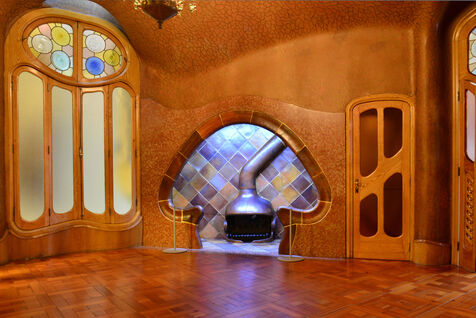
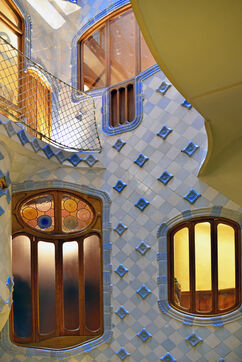
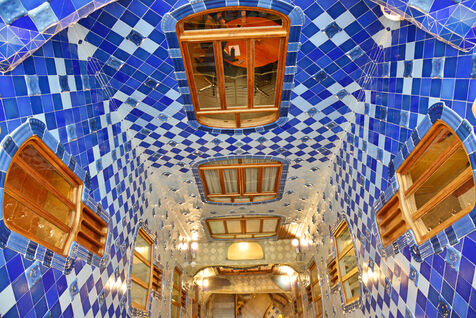
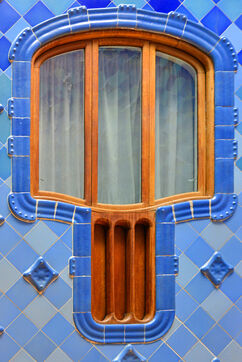
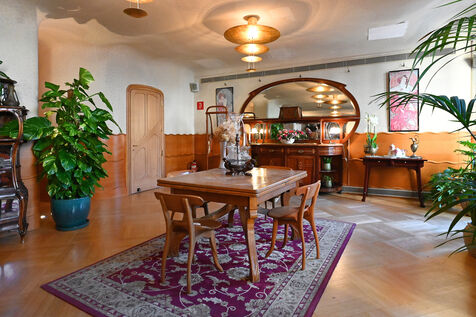
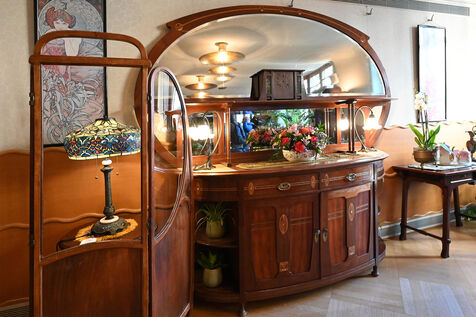
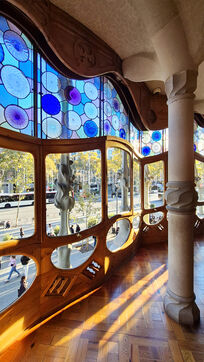
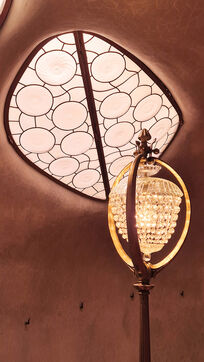
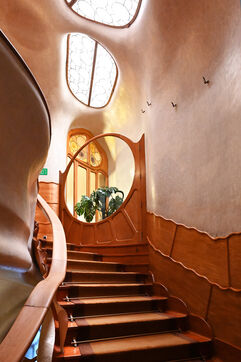
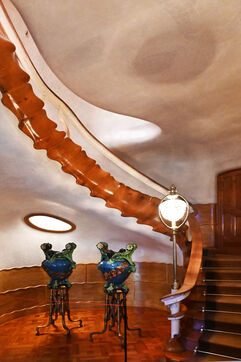
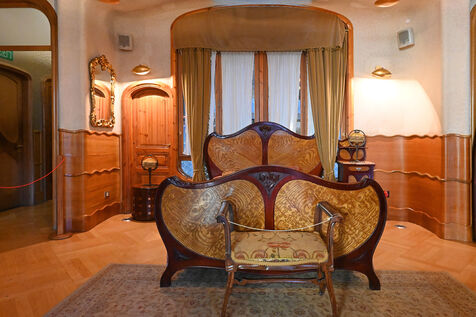
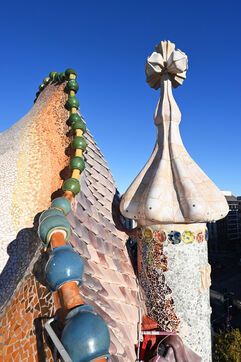
Casa Batllo, la Catalogne célèbrera en 2026 le centenaire de la mort de l'architecte Antoni Gaudi
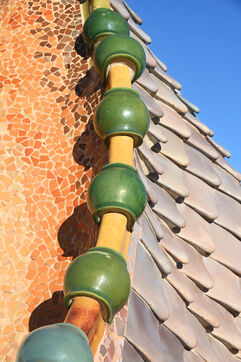
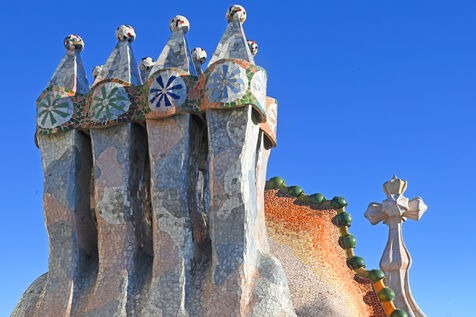
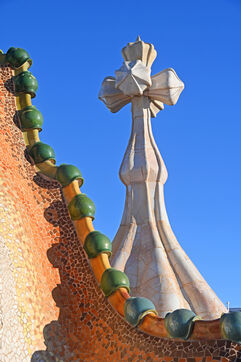
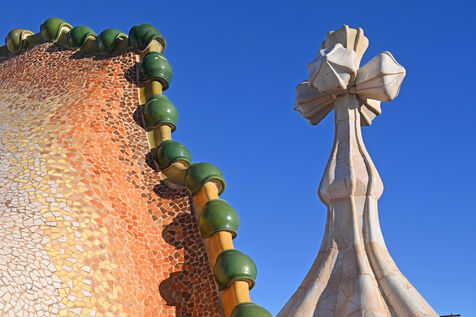
Vers 1870, la ville connaît un développement économique sans précédent. Les usines tournent à plein régime et d’immenses fortunes se créent. Rien n’est trop beau pour la grande bourgeoisie qui s’entiche alors de ce jeune architecte à l’imagination débordante. En 1885, Gaudi construit sa première maison pour la famille Vicens. Son architecture d’inspiration mauresque, la prolifération des détails ornementaux inspirés de la nature et le travail minutieux des artisans séduisent. Les commandes affluent, en particulier d’Eusebi Güell, à la tête d’un empire industriel textile. Il sera tout au long de sa vie le principal mécène d’Antoni Gaudi, finançant sans trop compter, les excentricités du Palais Güell (1886-1889), vaste demeure parée de marbre et de plafonds à caissons soutenue par une architecture parabolique ouvrant de vastes espaces intérieurs ; de la Colonia Güell (1898-1915) dont seule la crypte, réalisée avec des matériaux de récupération et des colonnes de basalte, sera terminée ; et enfin du parc Güell (1900-1915), cité-jardin utopique inachevée. Entre-temps, Gaudi réalise les deux merveilles que sont la Casa Batllo (1904-1906) et la Casa Milà (1905-1907), sans jamais perdre de vue la construction de la Sagrada Familia commencée en 1882 et qui devrait se terminer en 2035 !
In 2026, Catalonia will celebratyes the centenary of the death of architect Antoni Gaudi
Around 1870, the city experienced unprecedented economic development. Factories are running at full capacity and immense fortunes are being created. Nothing is too good for the upper bourgeoisie who become infatuated with this young architect with his overflowing imagination. In 1885, Gaudi built his first house for the Vicens family. Its Moorish-inspired architecture, the proliferation of ornamental details inspired by nature and the meticulous work of the craftsmen are seductive. Orders poured in, in particular from Eusebi Güell, at the head of a textile industrial empire.Throughout his life, he was Antoni Gaudi's main patron, generously financing the eccentricities of the Palazzo Güell (1886-1889), a vast residence adorned with marble and coffered ceilings supported by parabolic architecture opening vast interior spaces; of Colonia Güell (1898-1915) of which only the crypt, made with salvaged materials and basalt columns, will be completed; and finally Park Güell (1900-1915), an unfinished utopian garden city. In the meantime, Gaudi created the two marvels of Casa Batllo (1904-1906) and Casa Milà (1905-1907), without ever losing sight of the construction of the Sagrada Familia begun in 1882and which might be finish by 2035.