Brésil - Le théâtre de Manaus fête ses 130 ans en décembre 2026
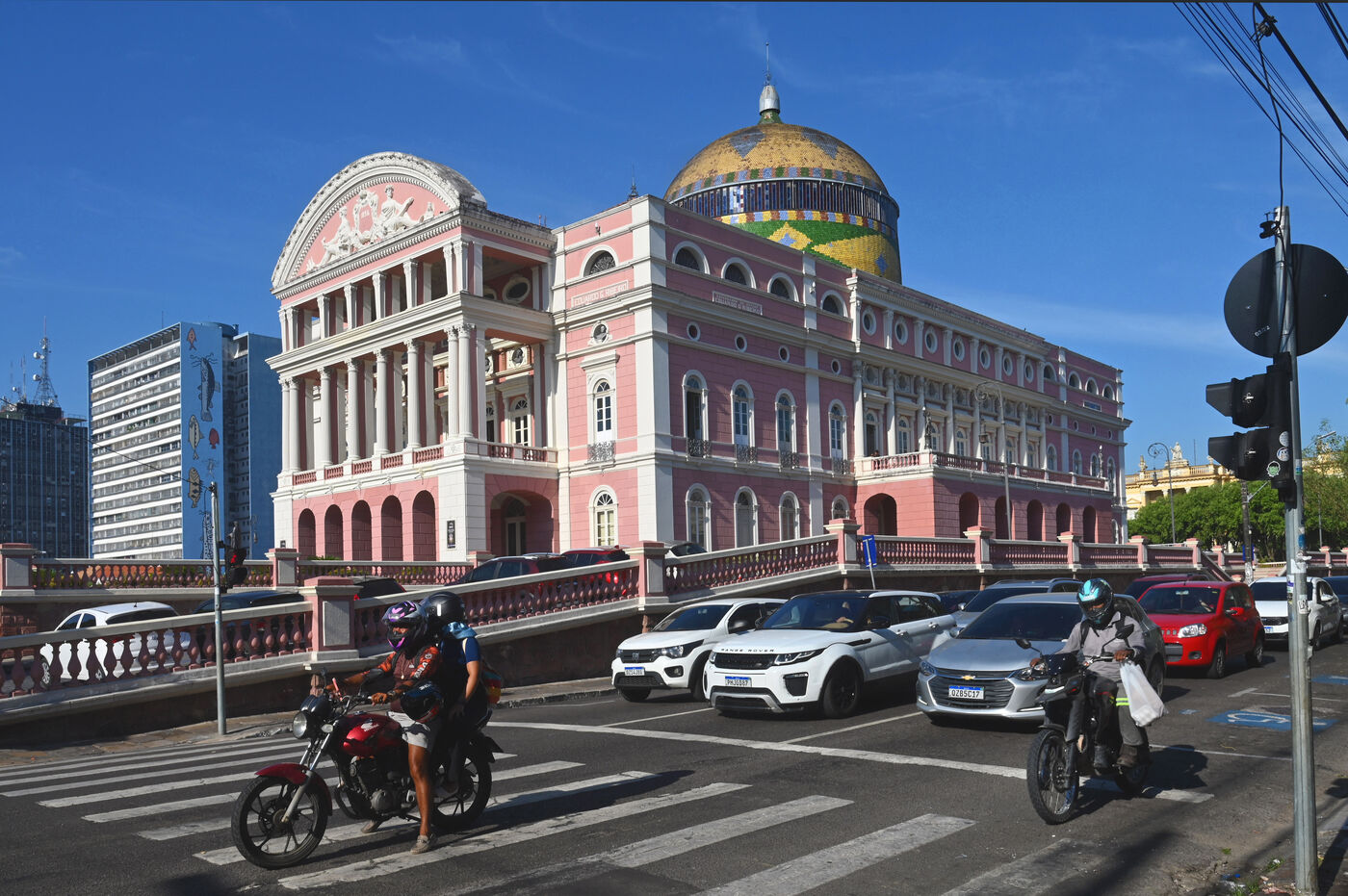
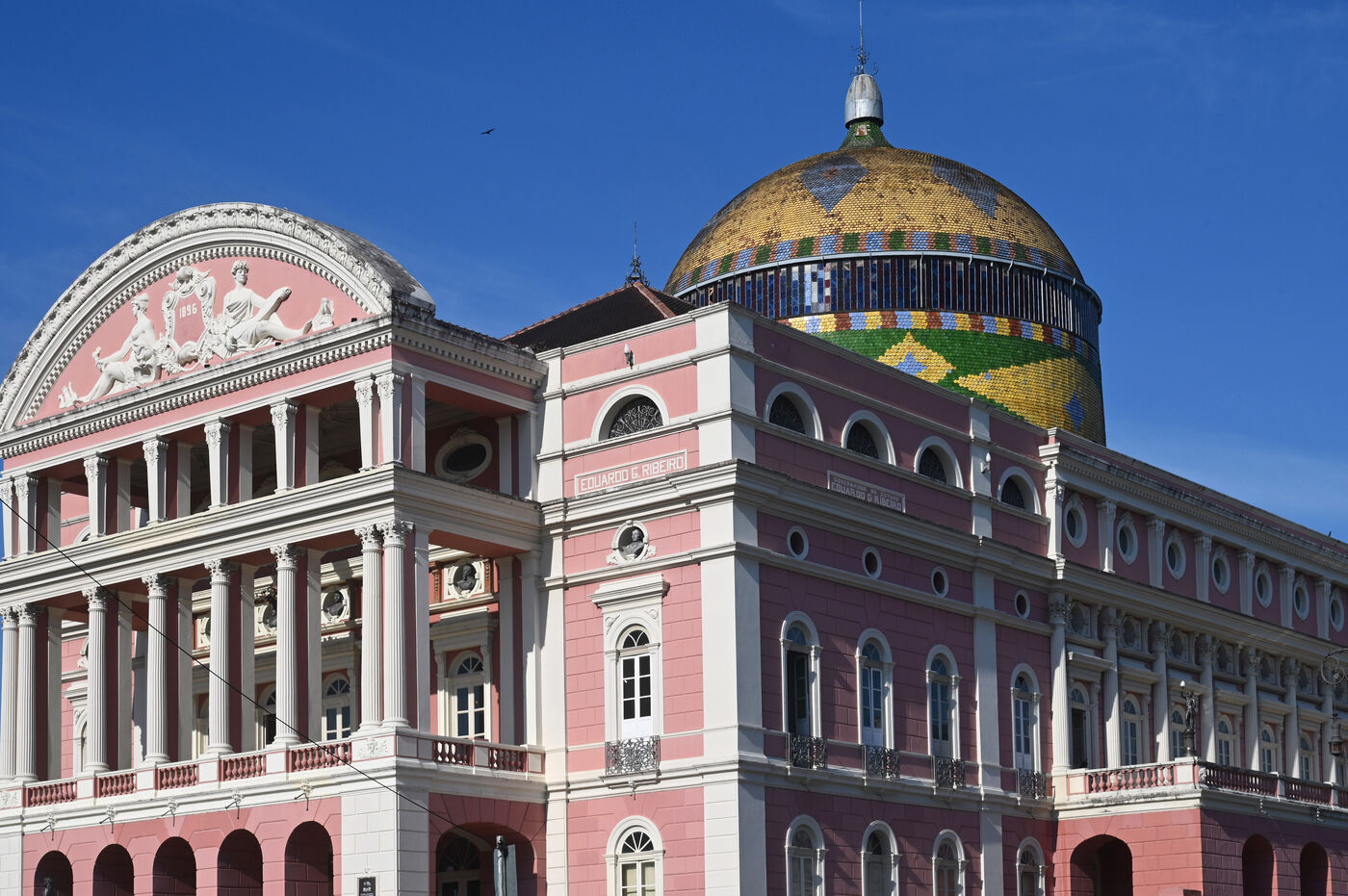
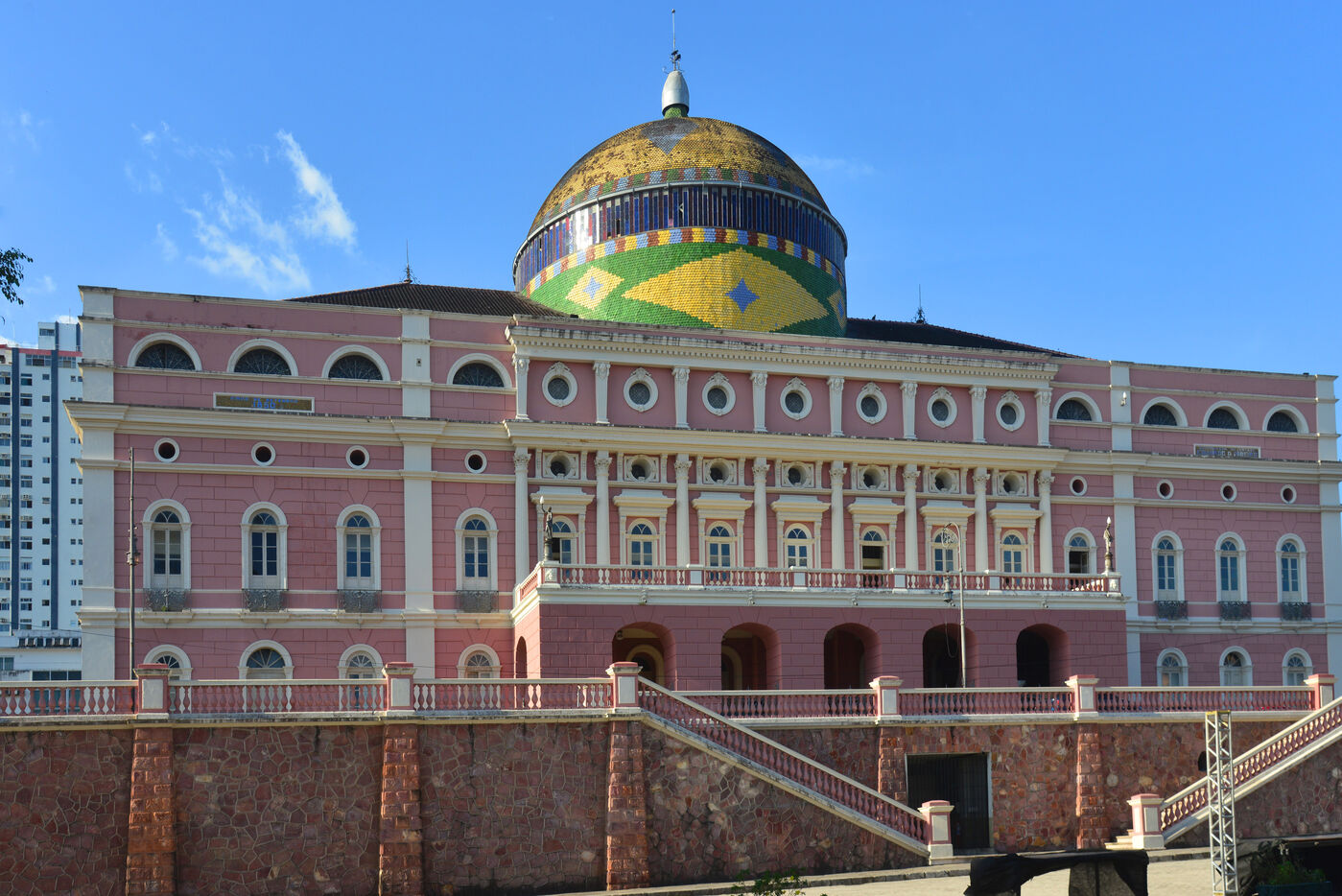
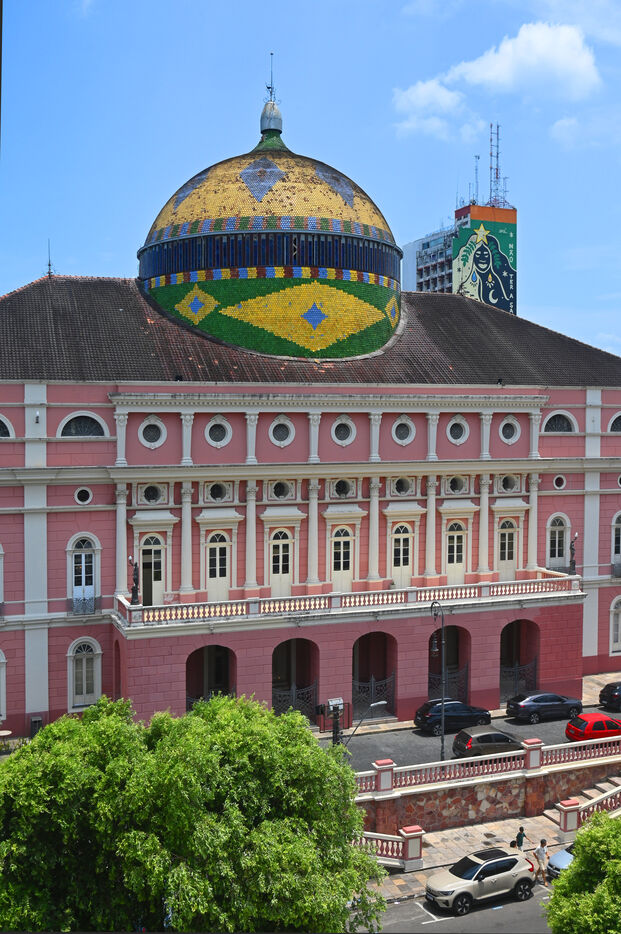
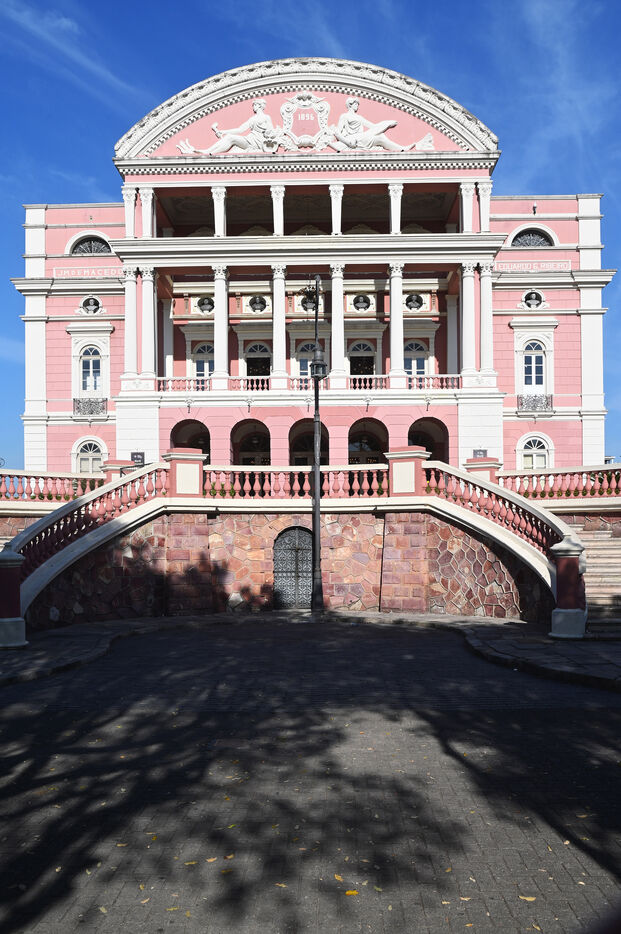
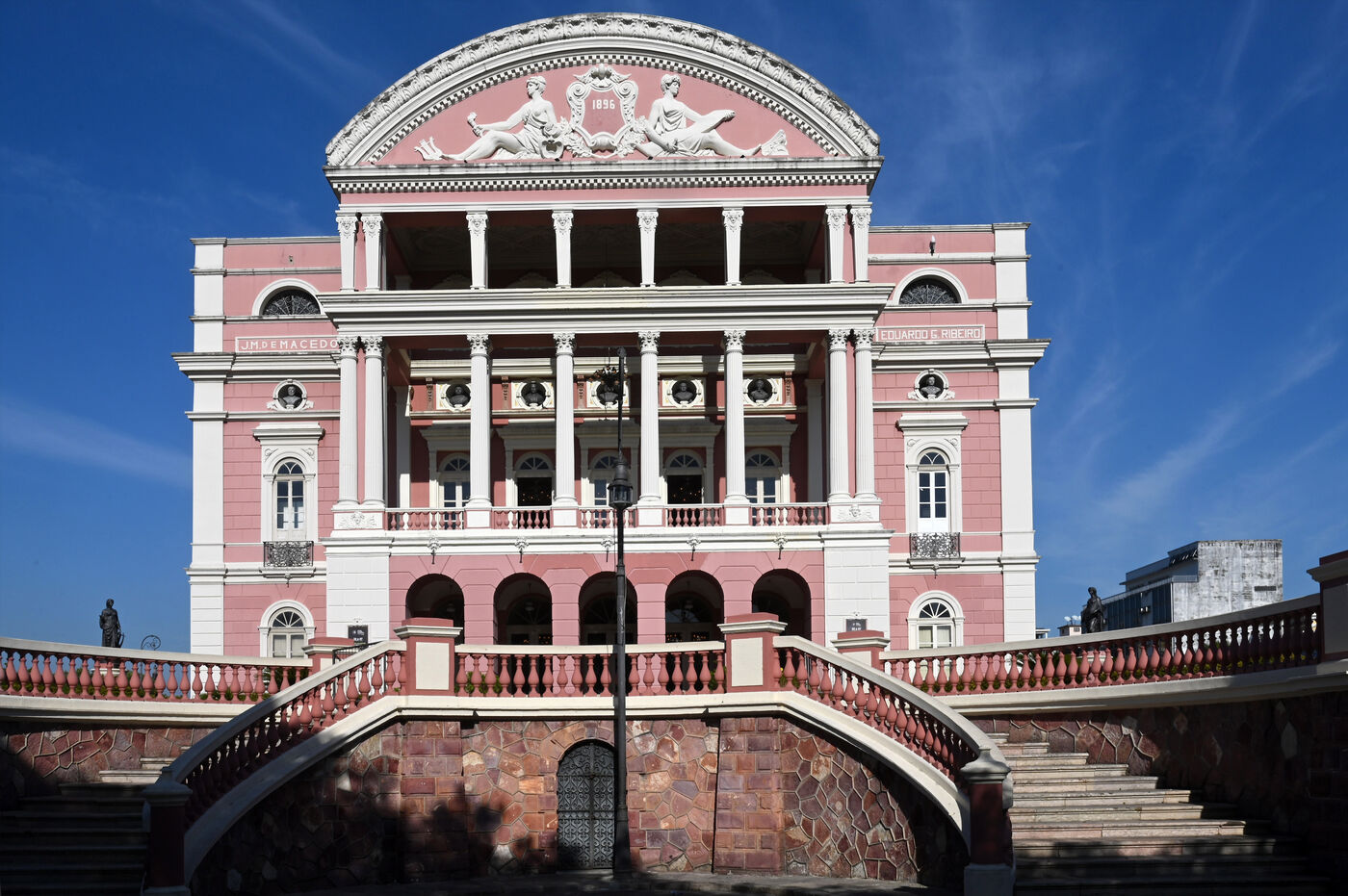
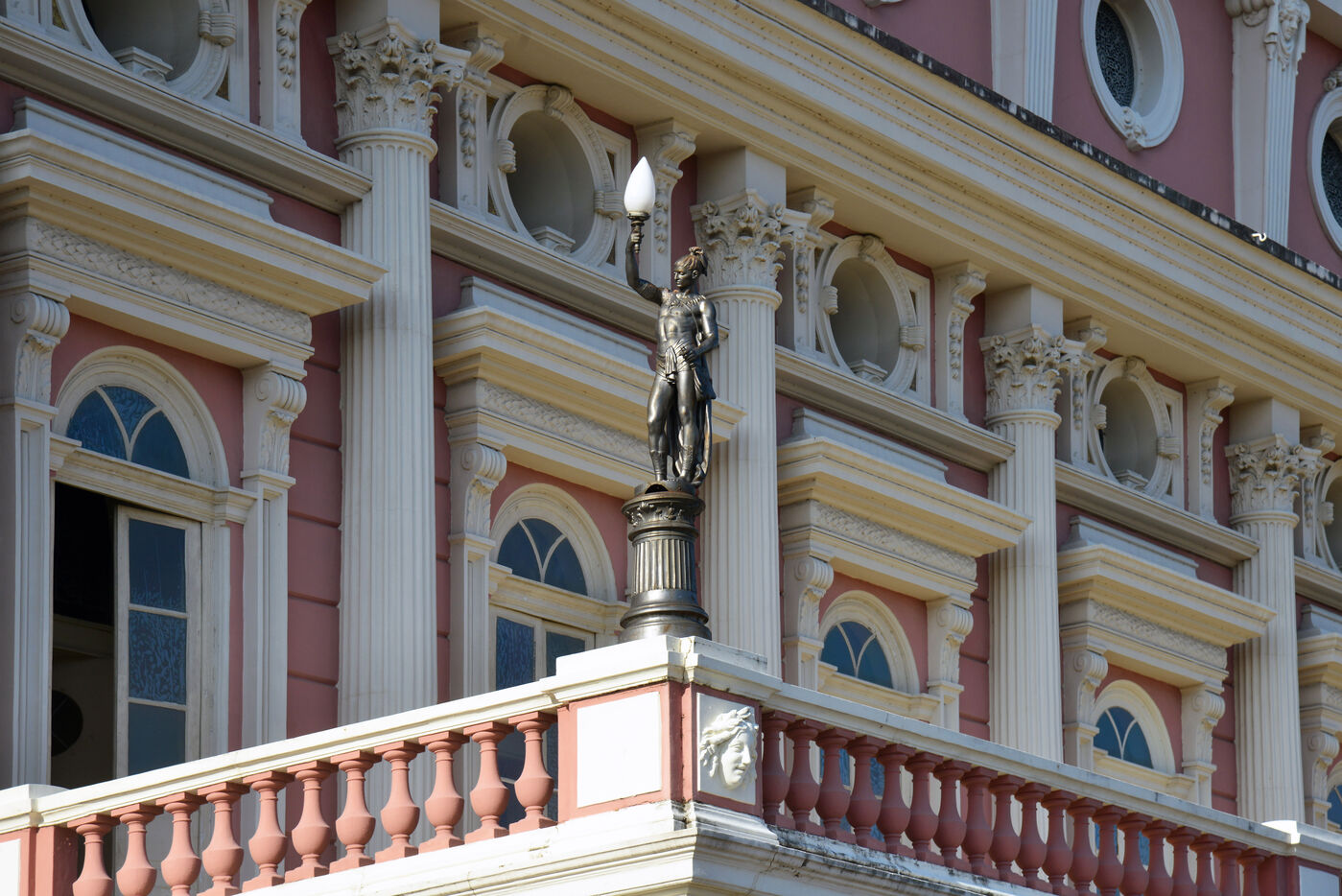
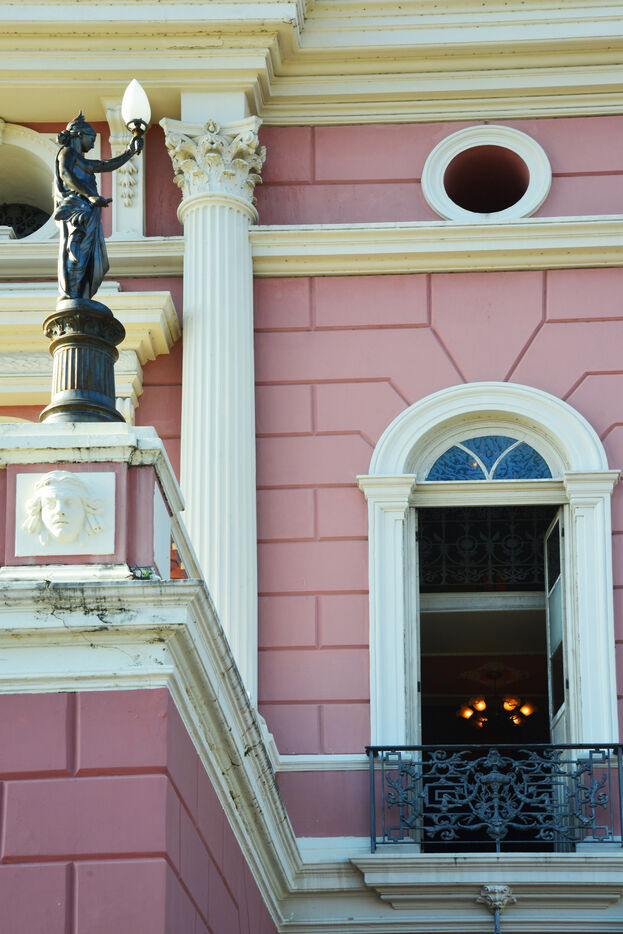
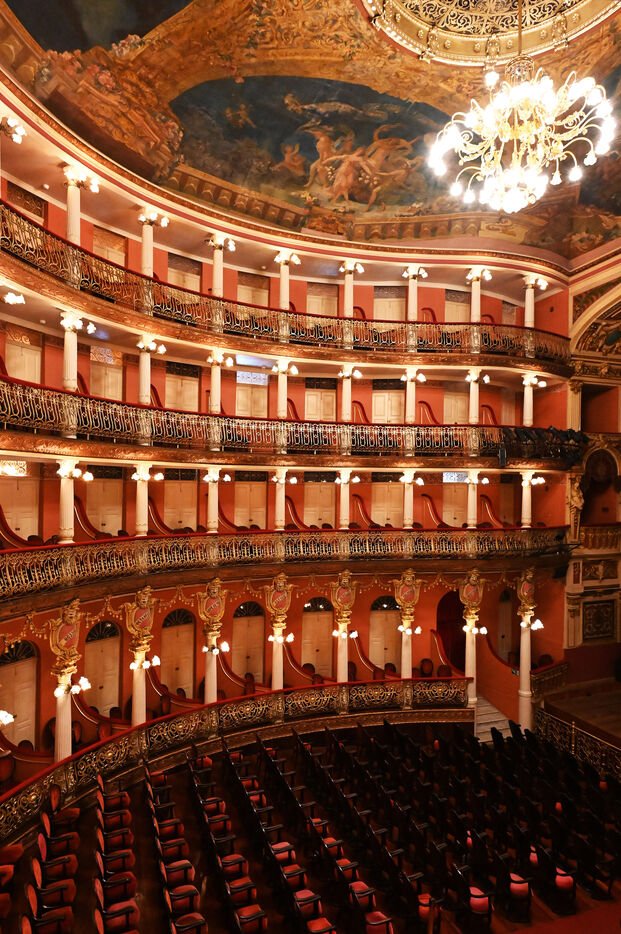
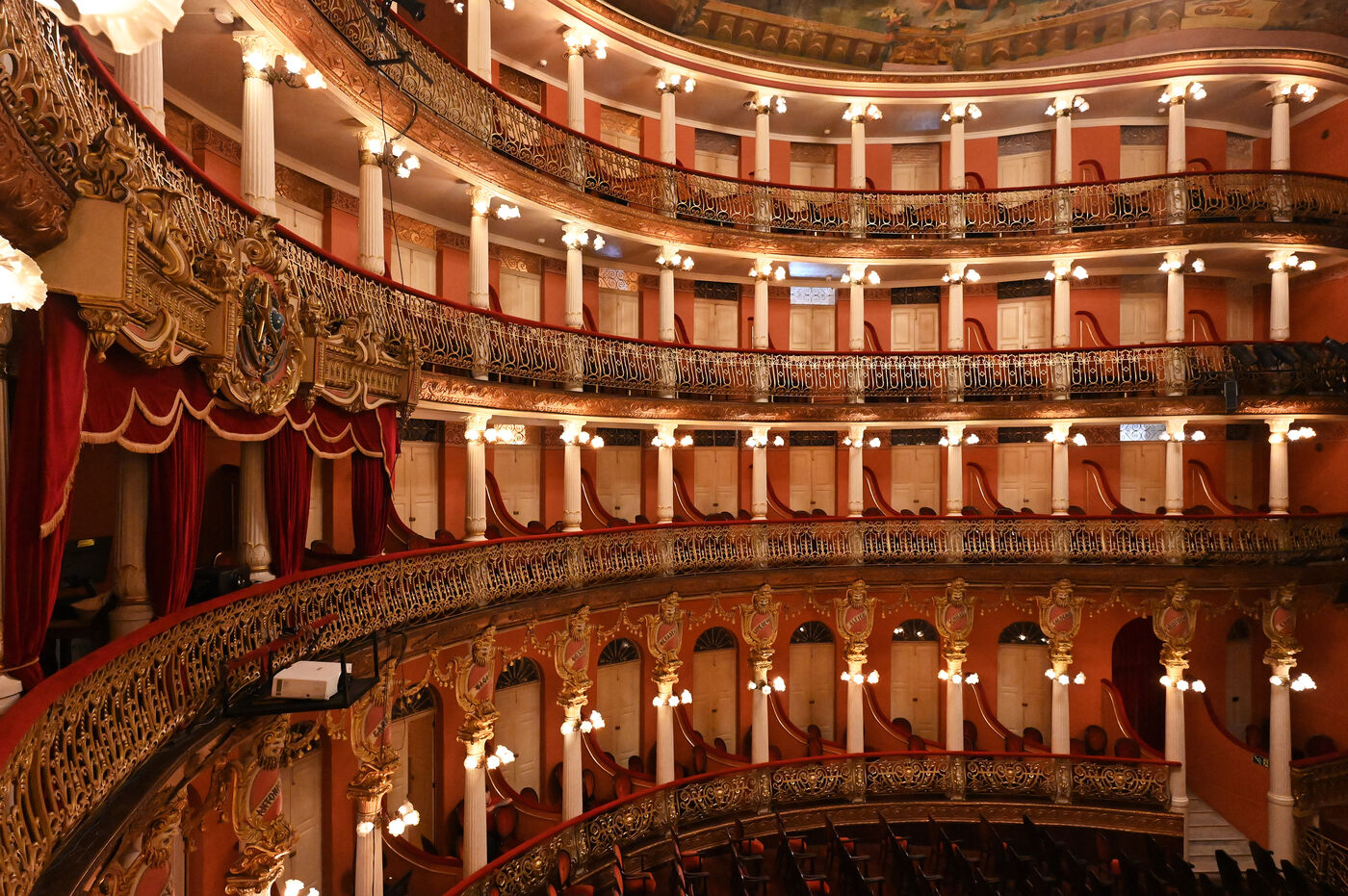
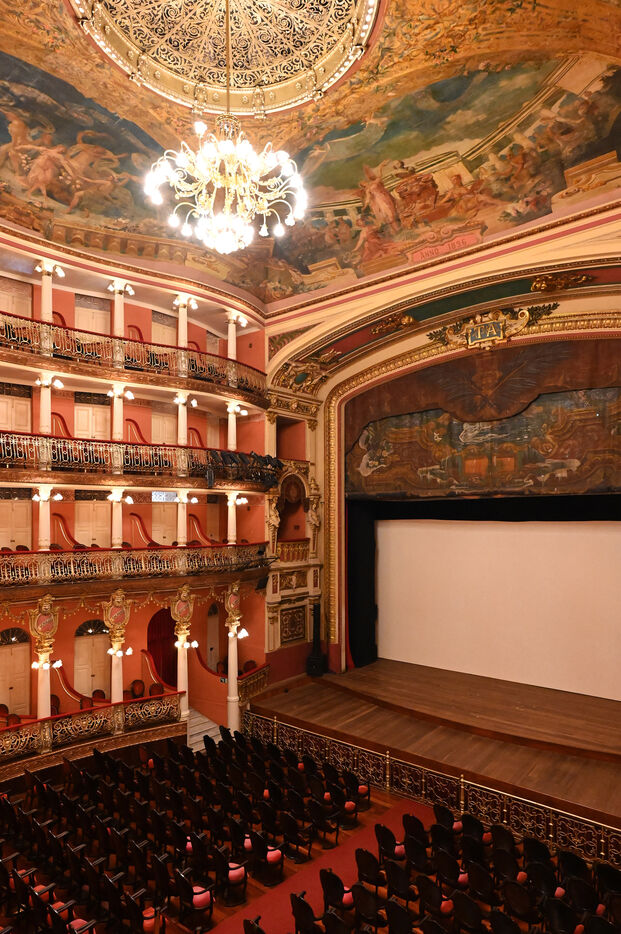
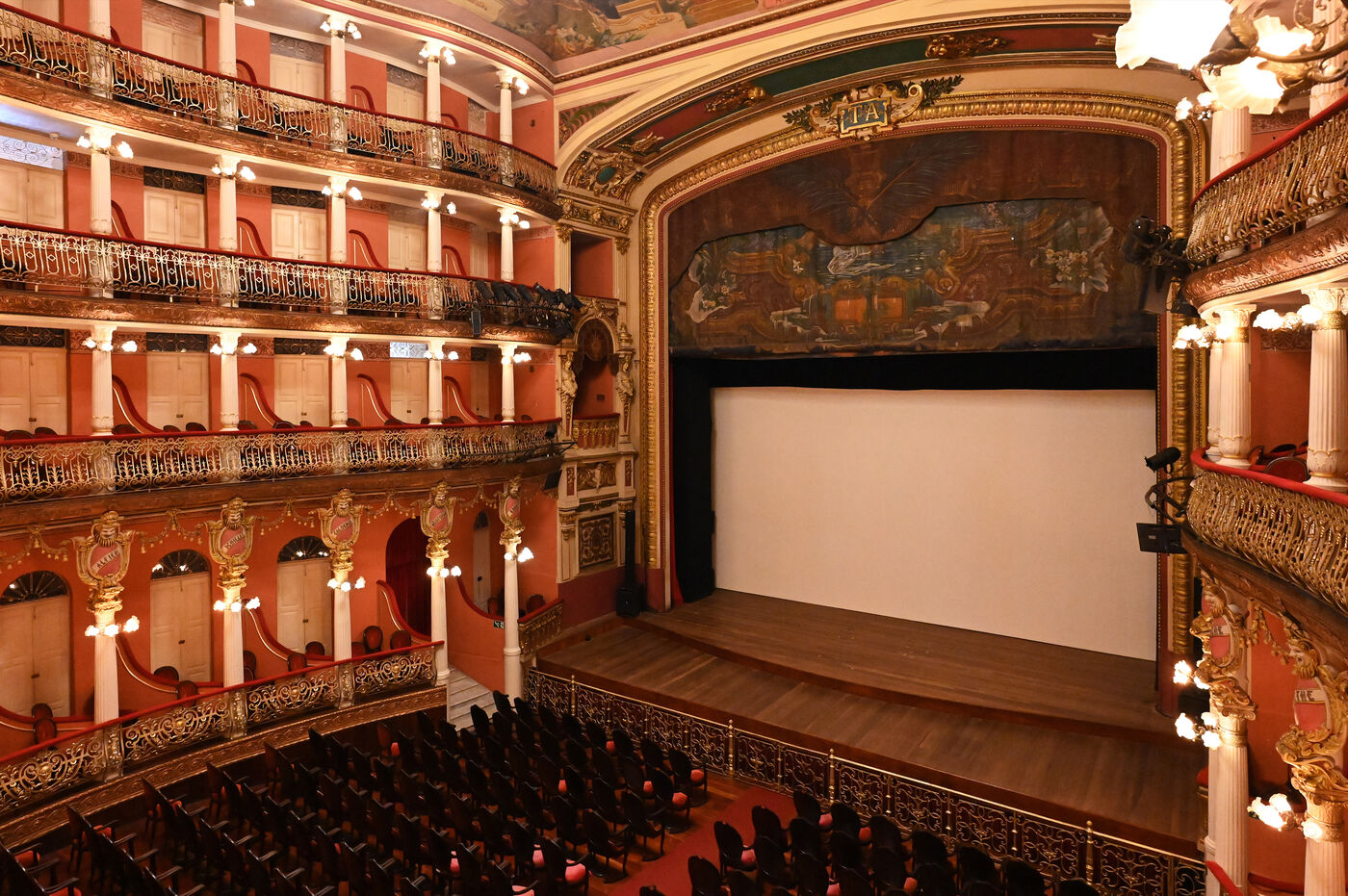
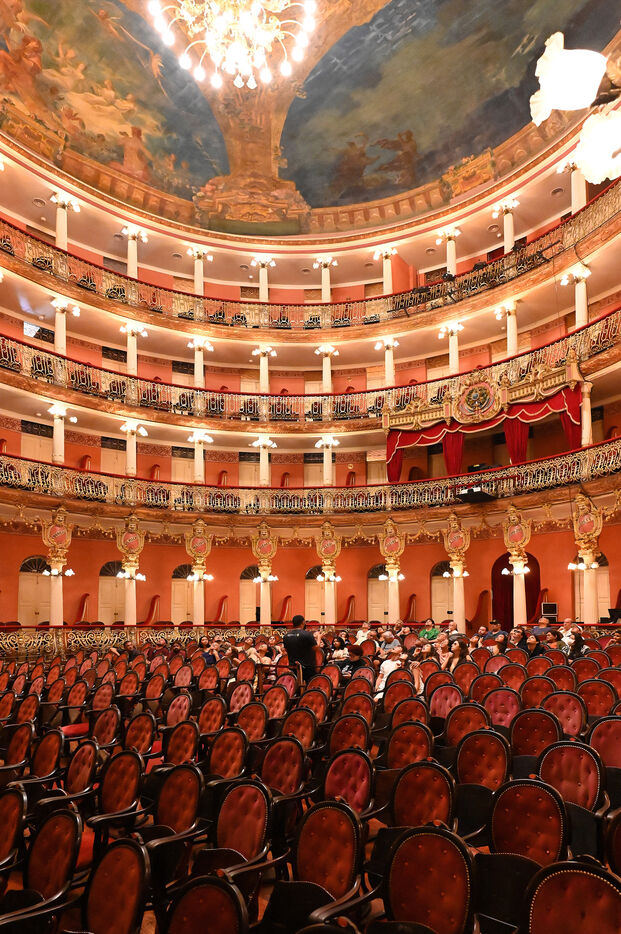
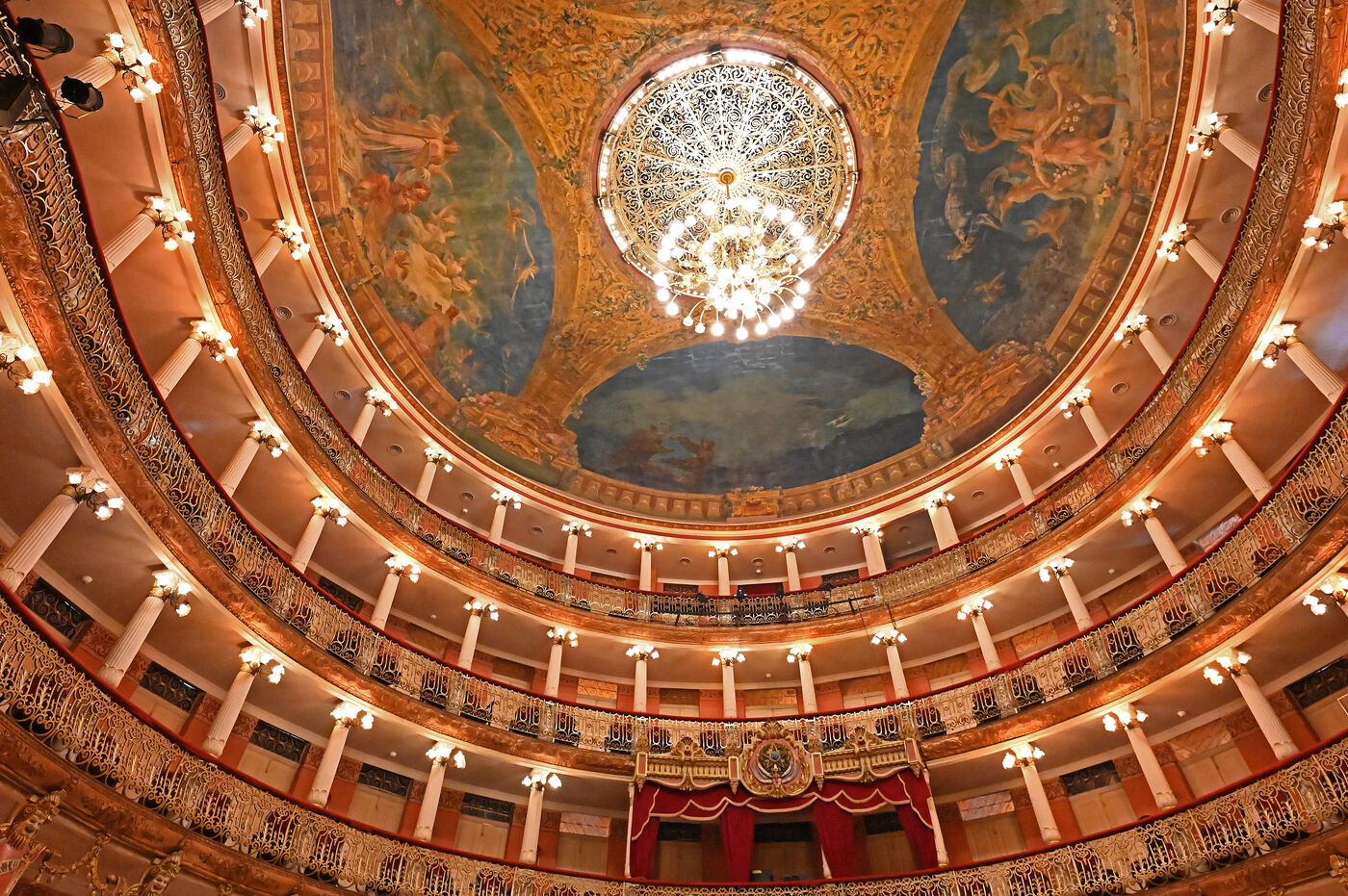
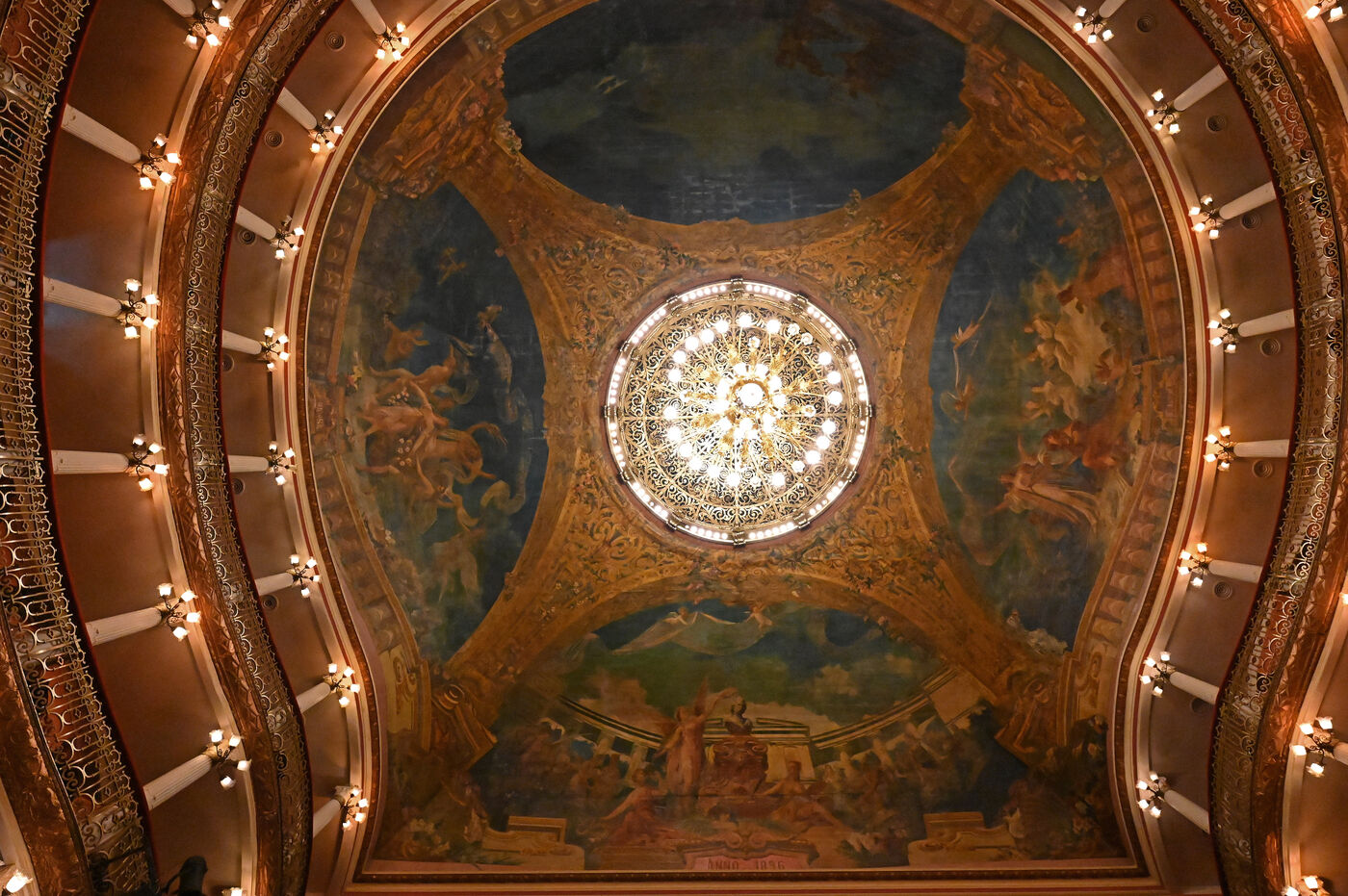
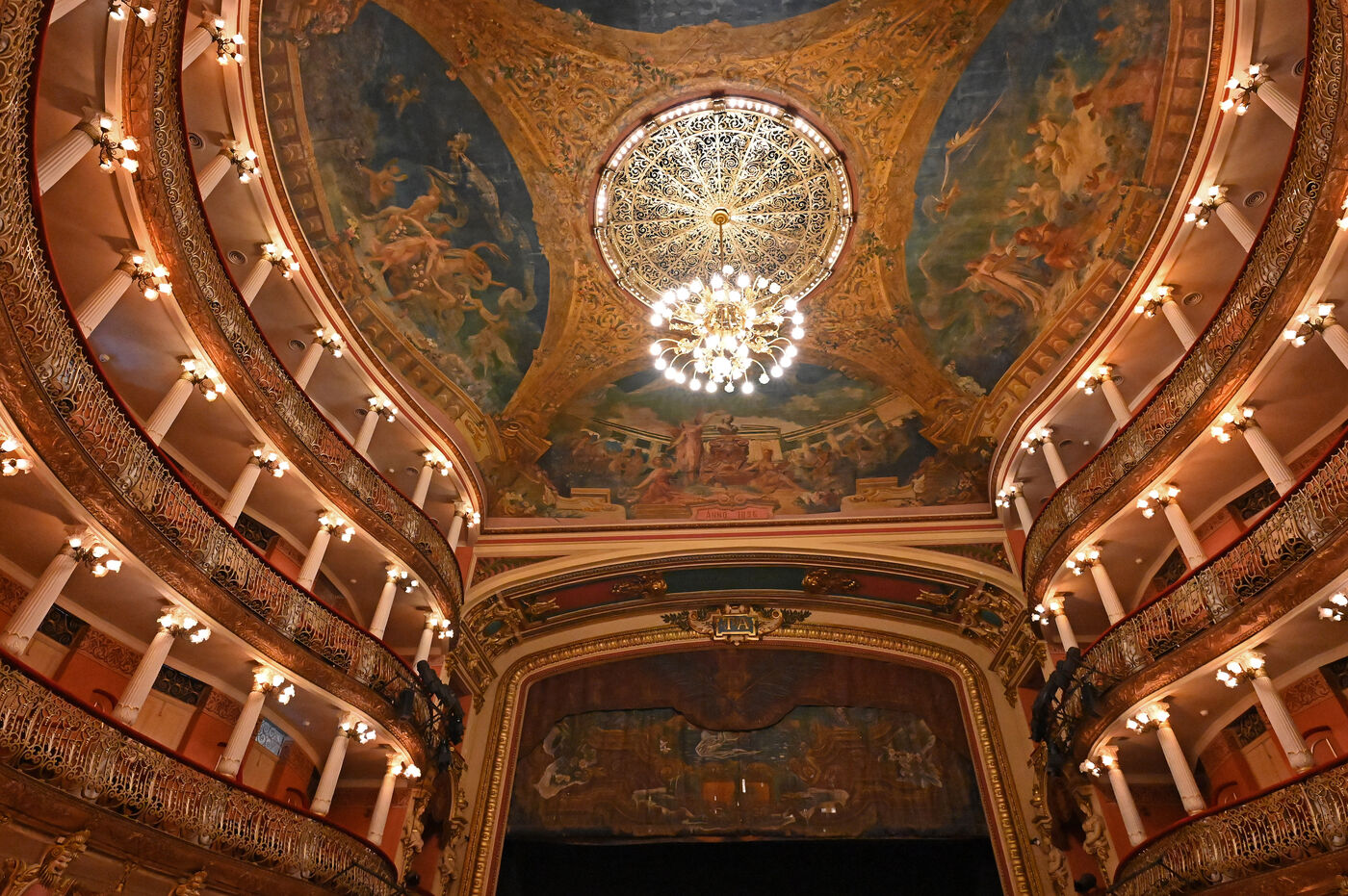
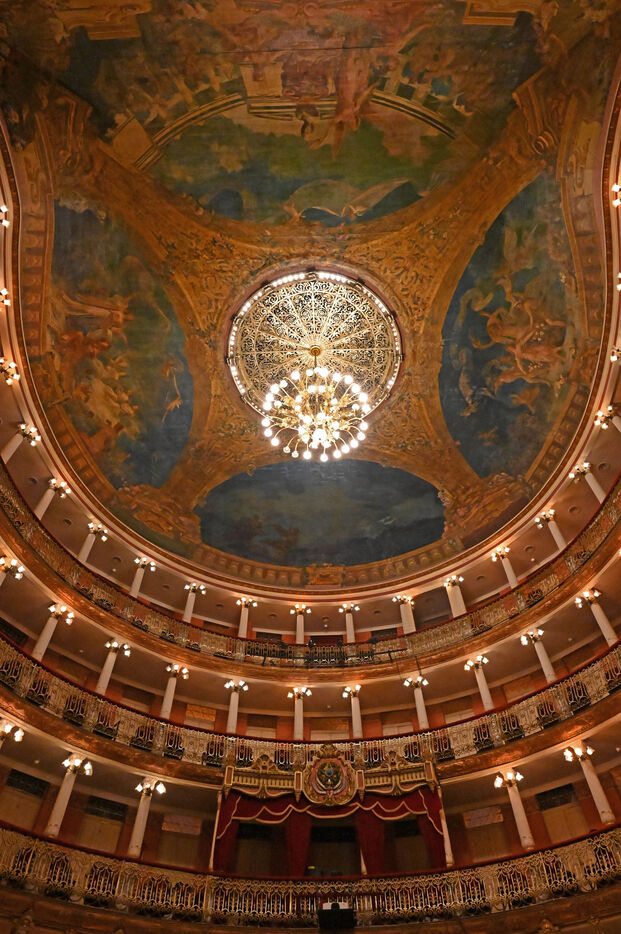
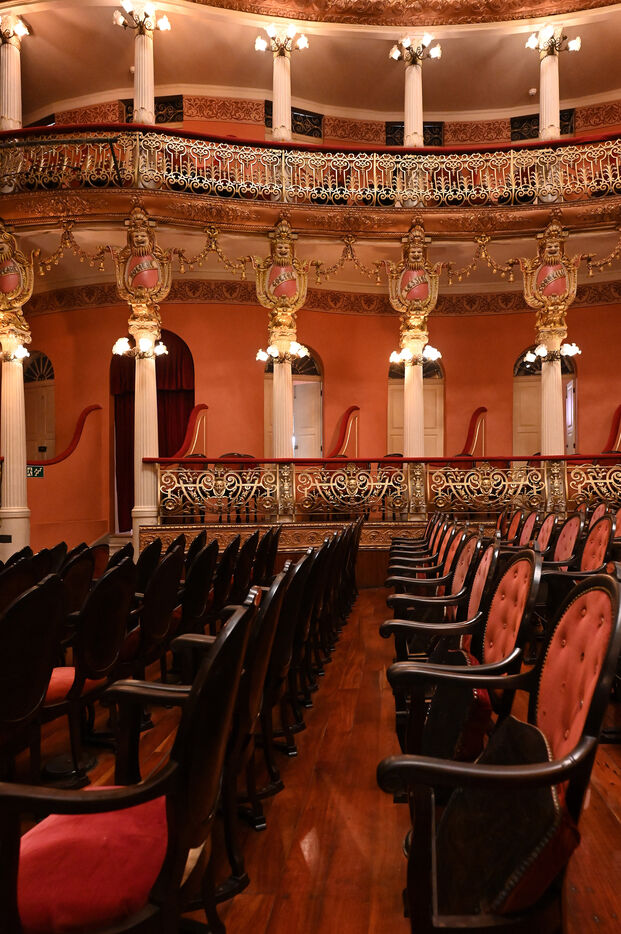
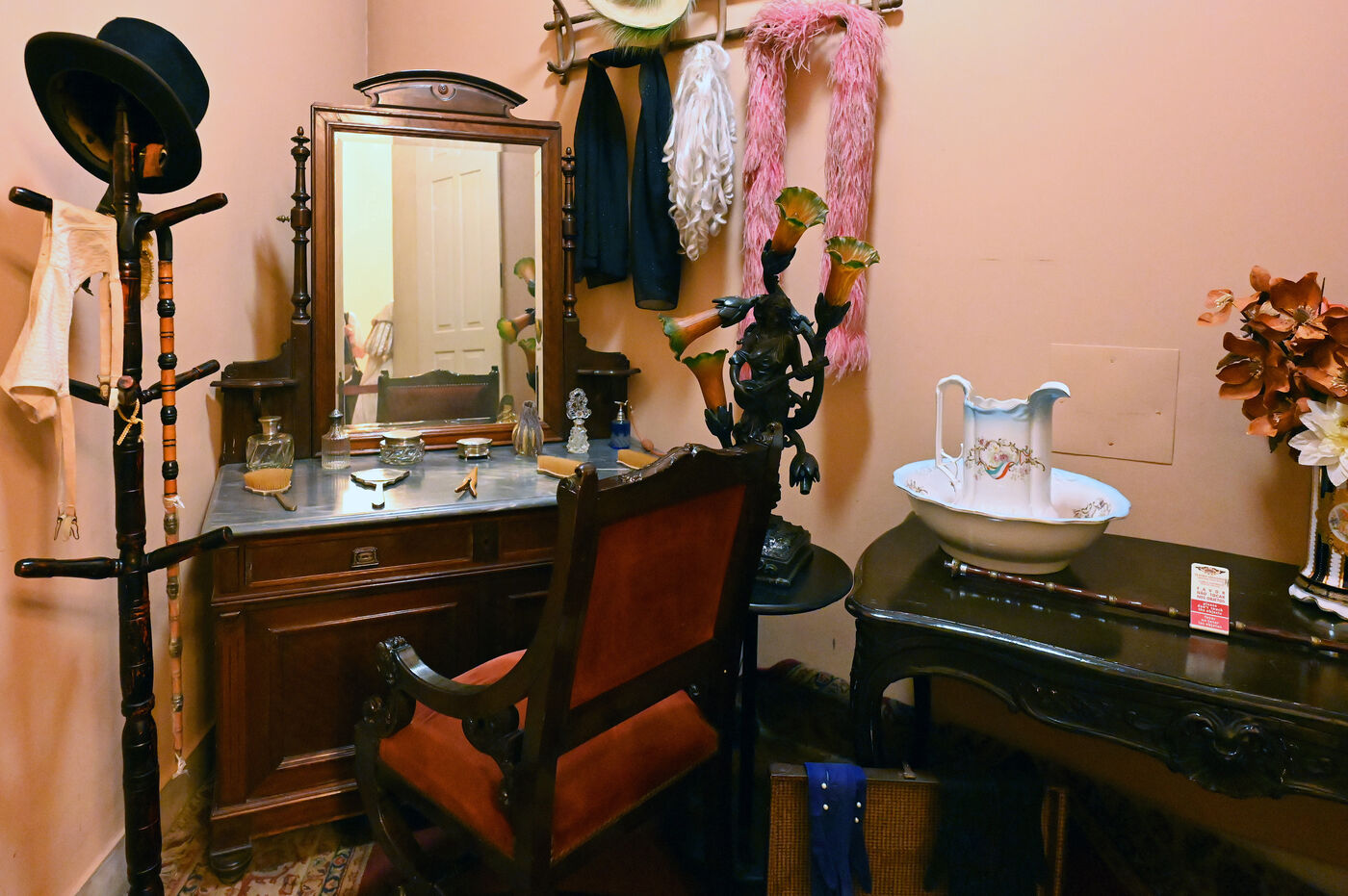
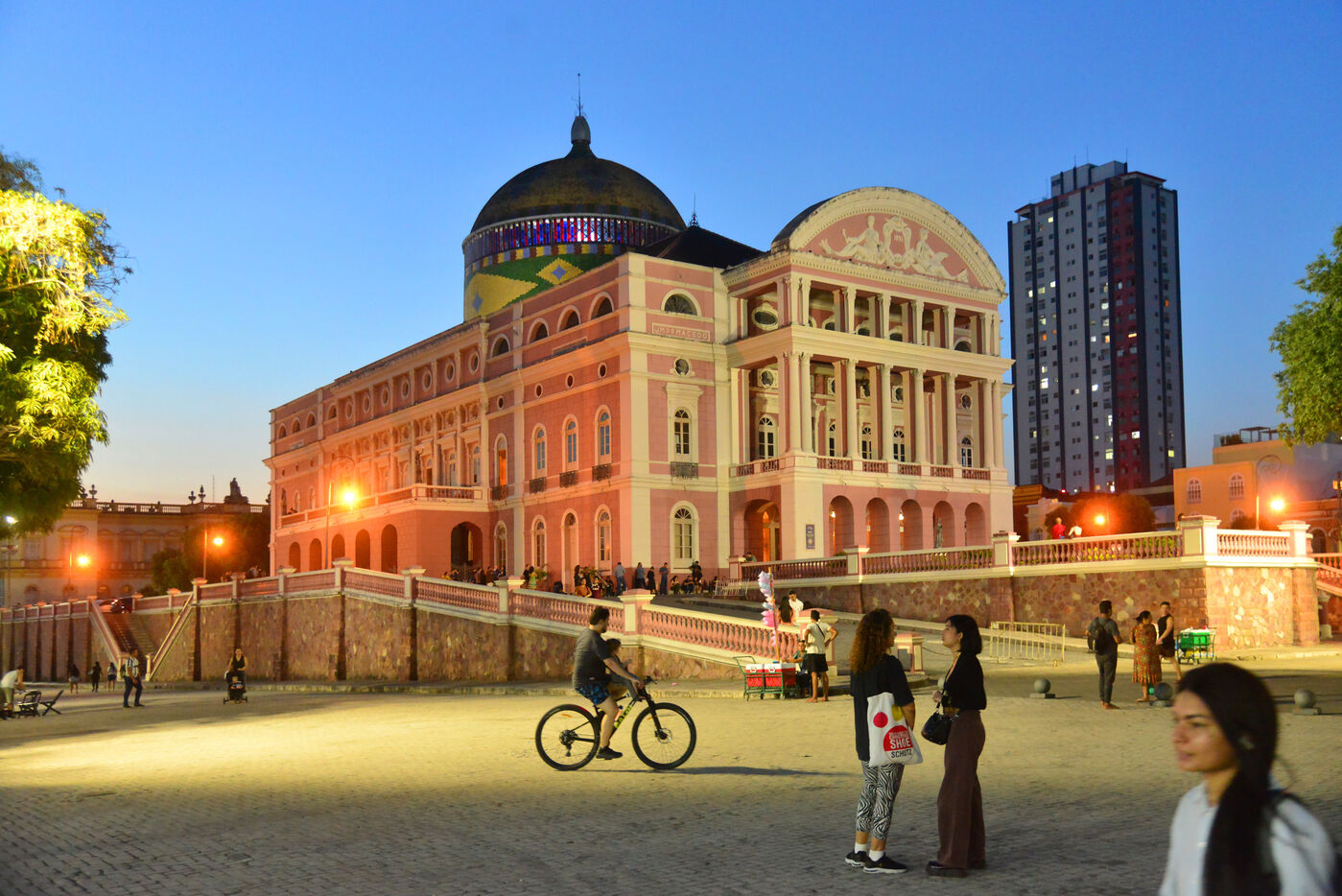
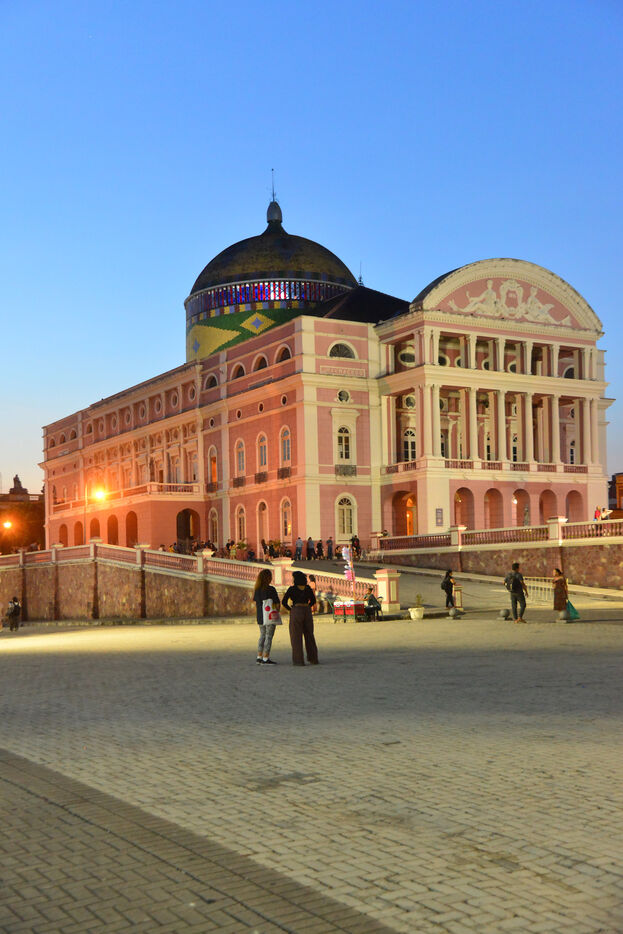
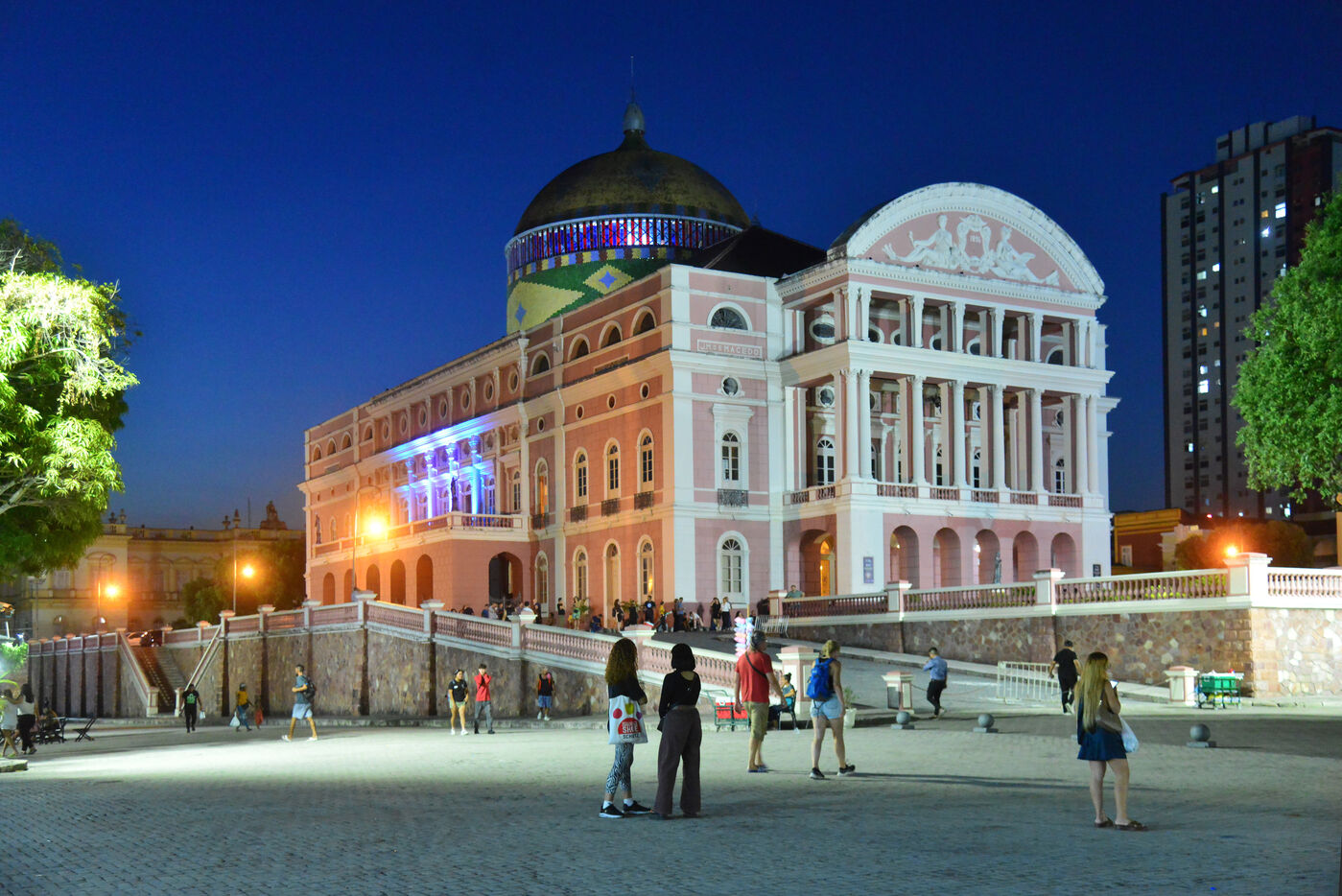
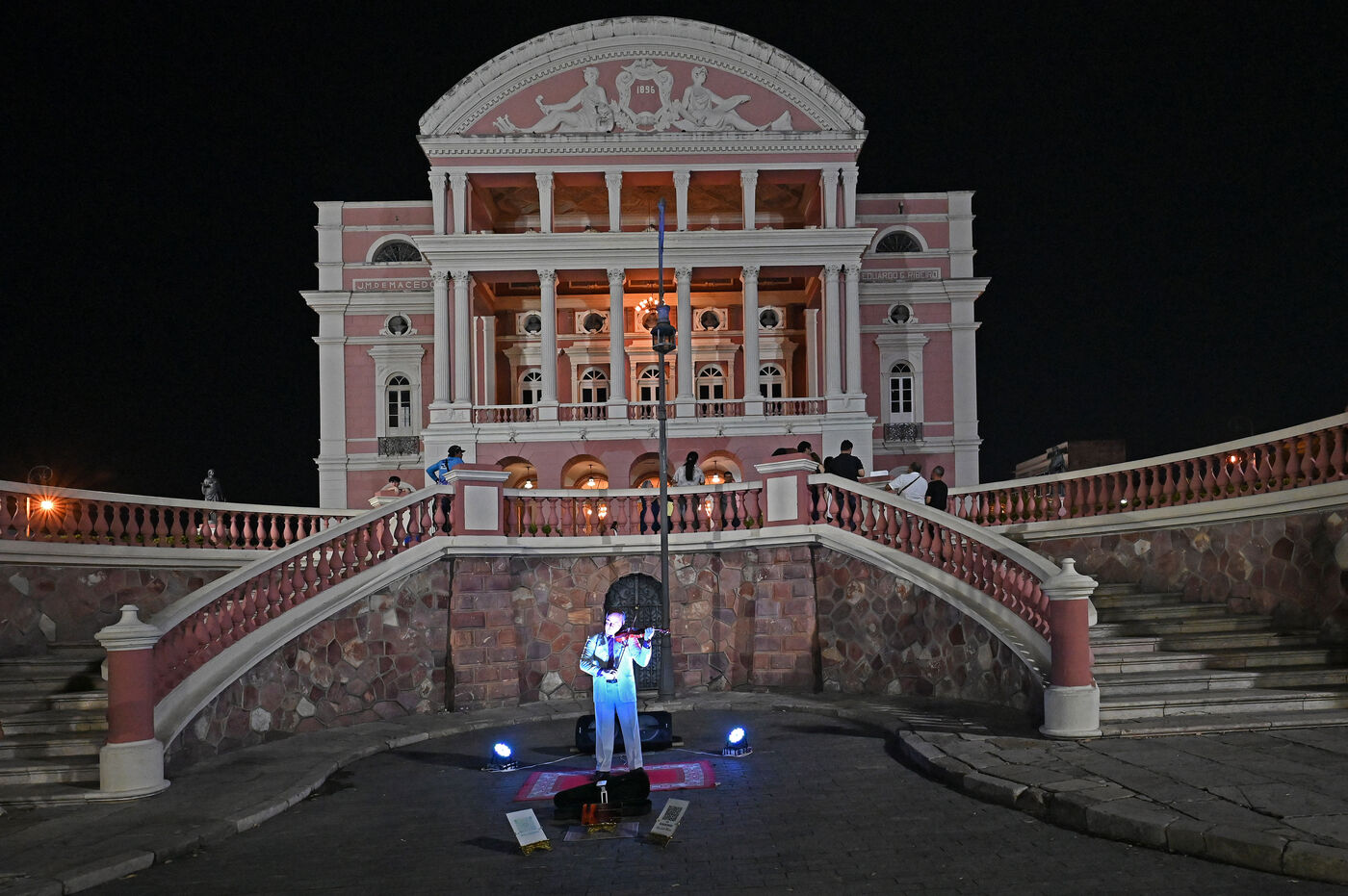
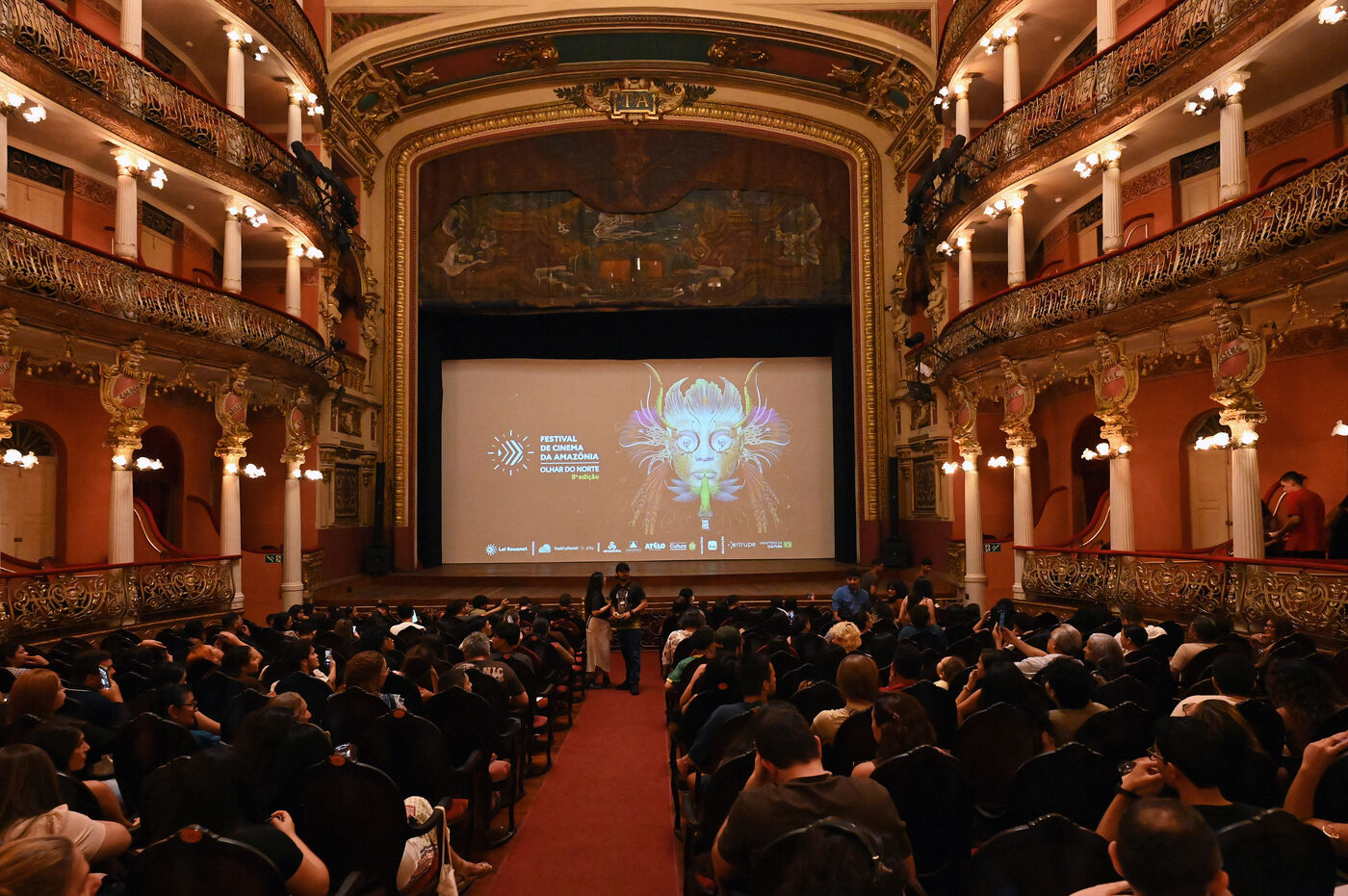
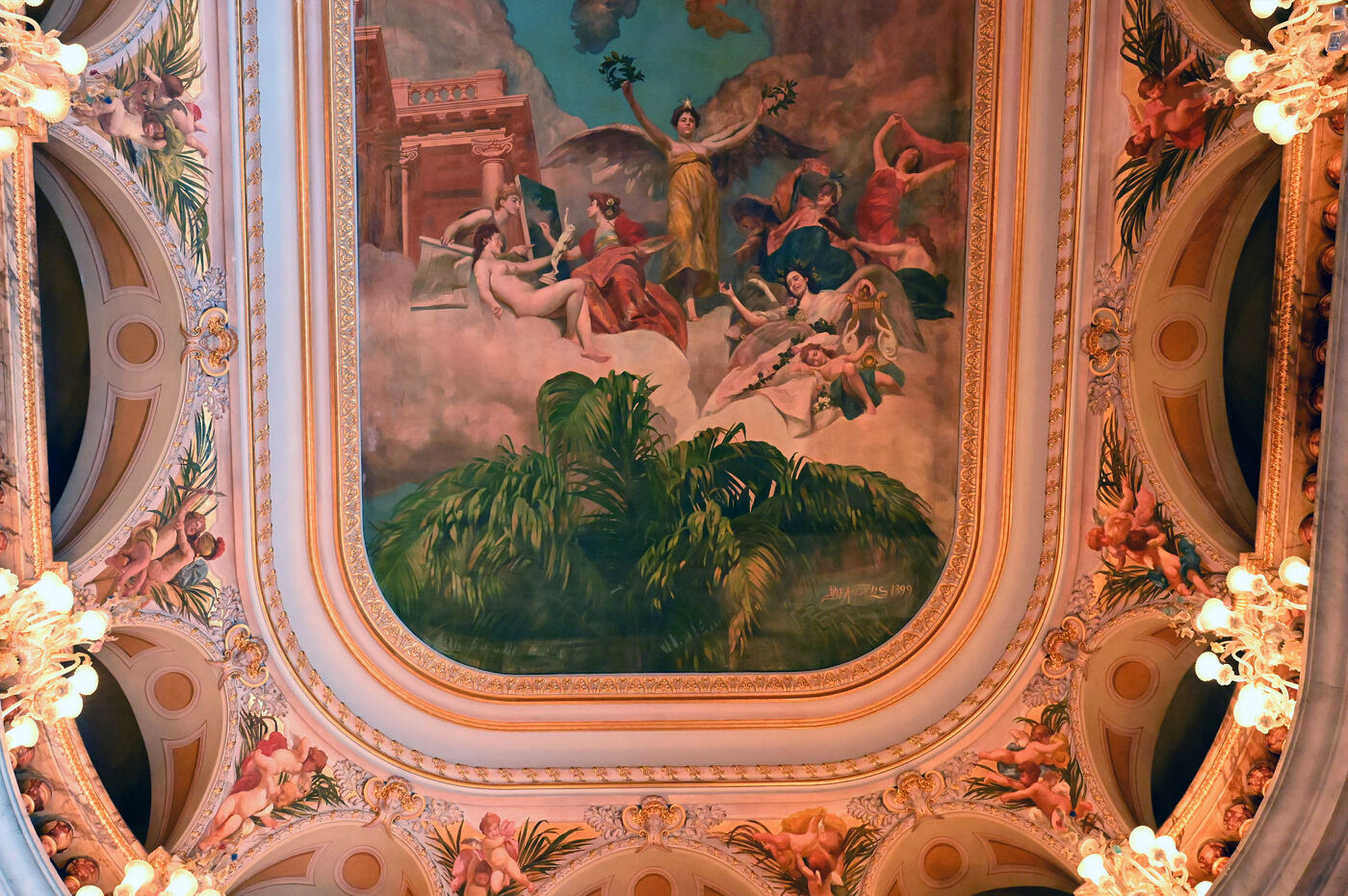
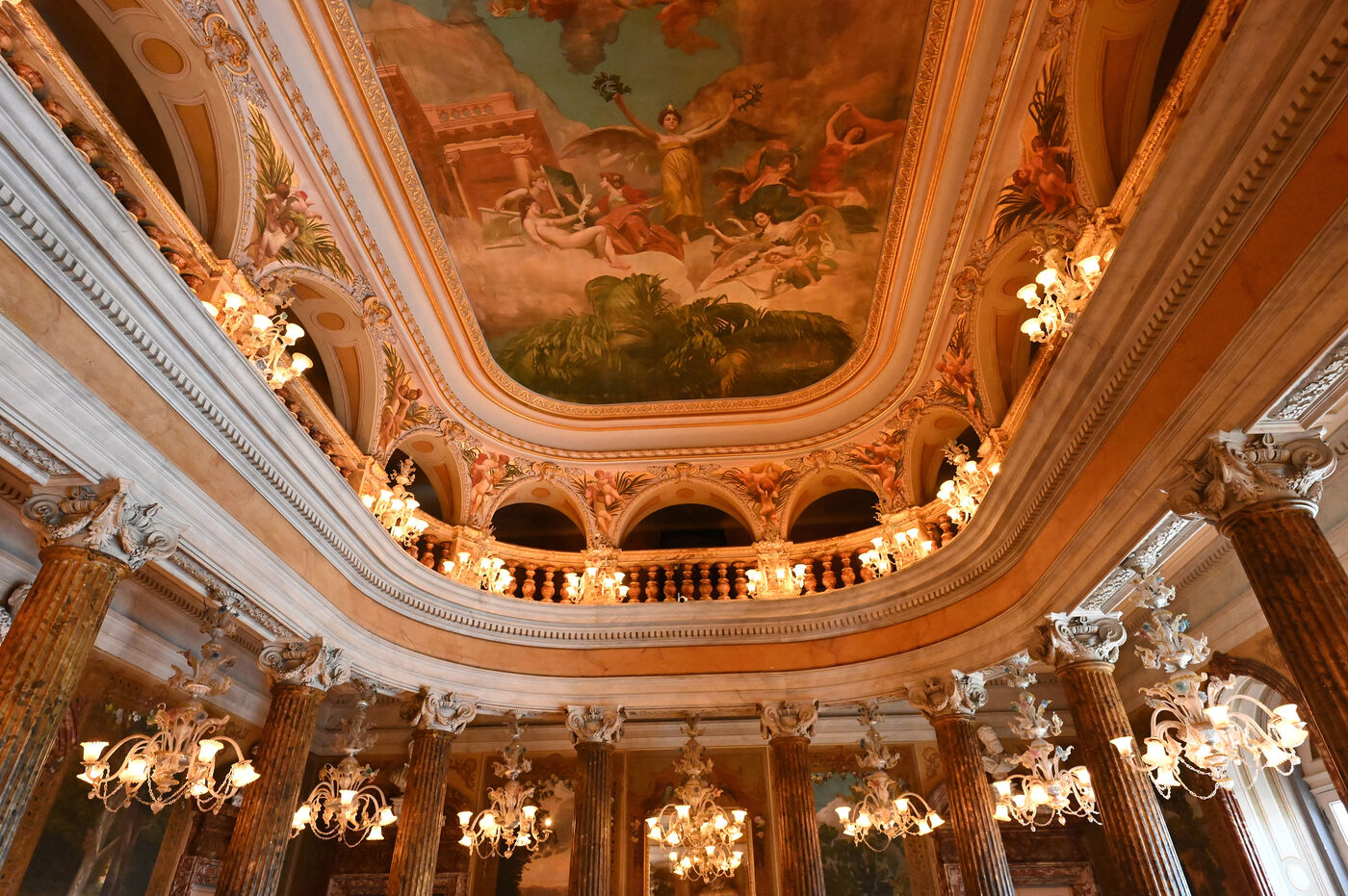
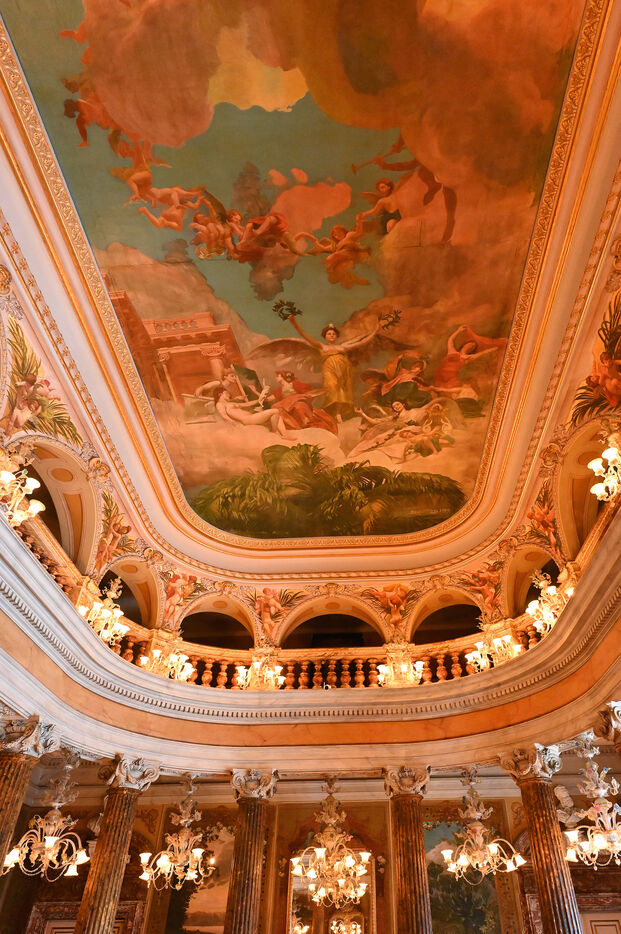
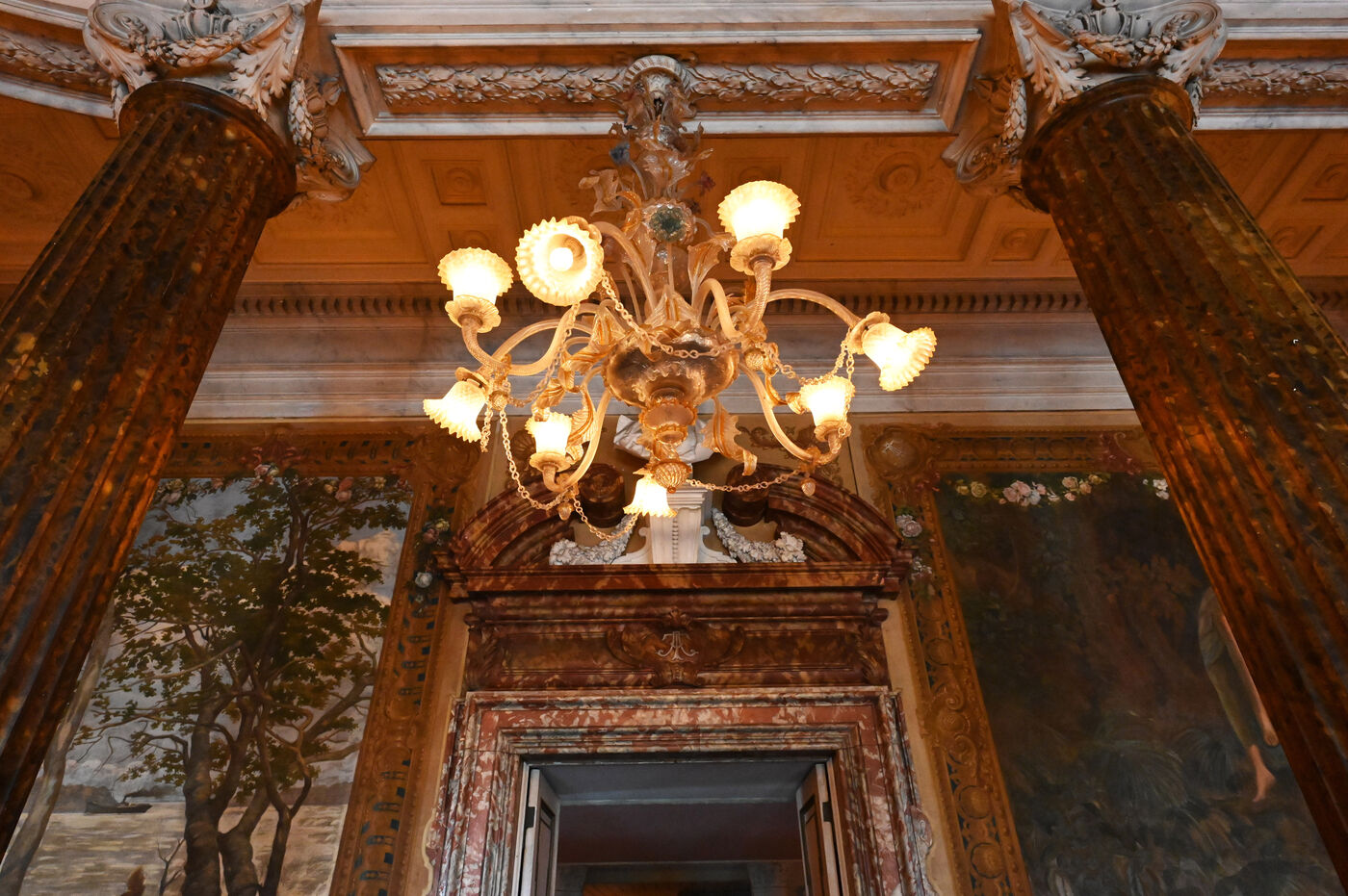
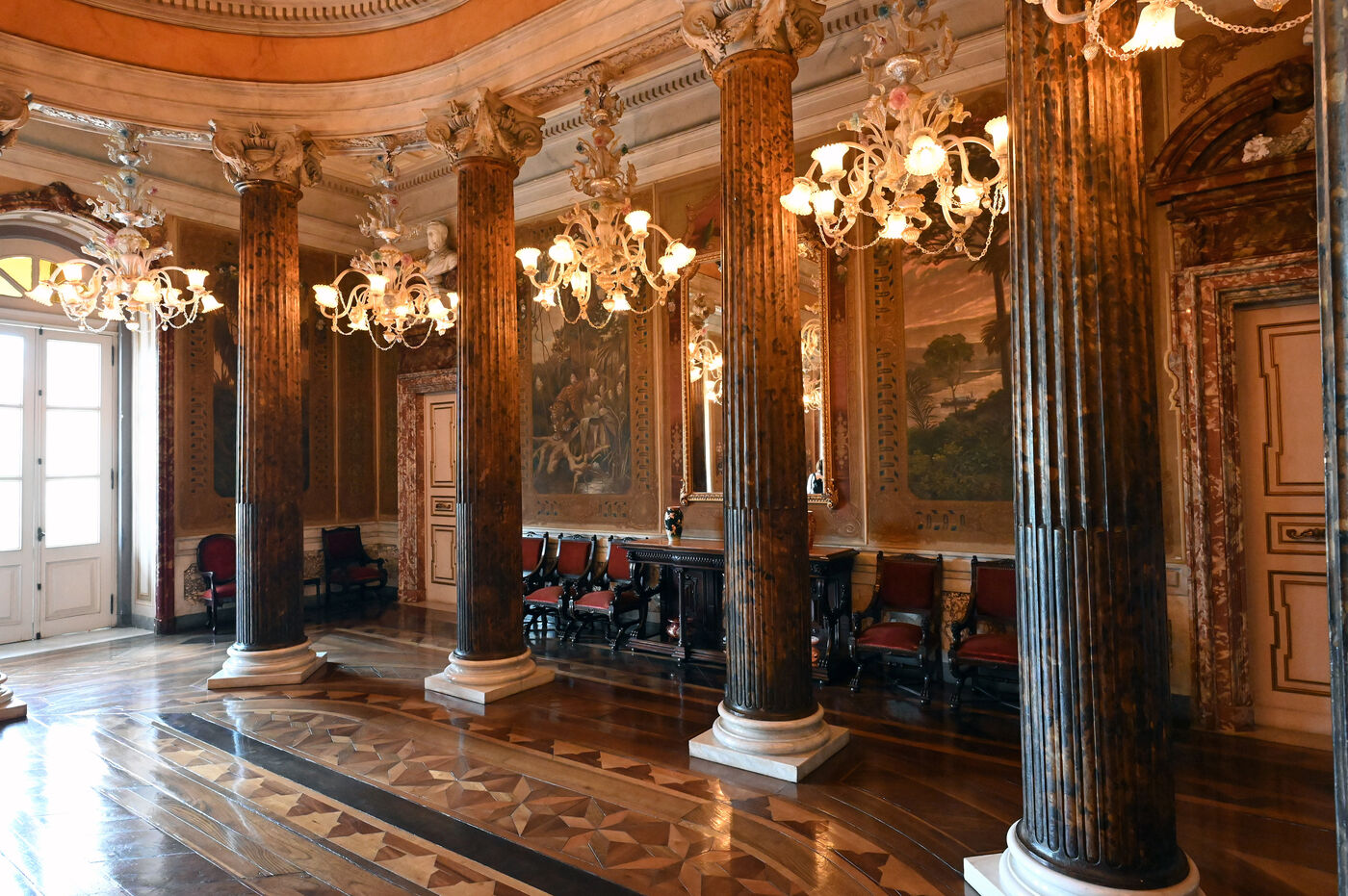
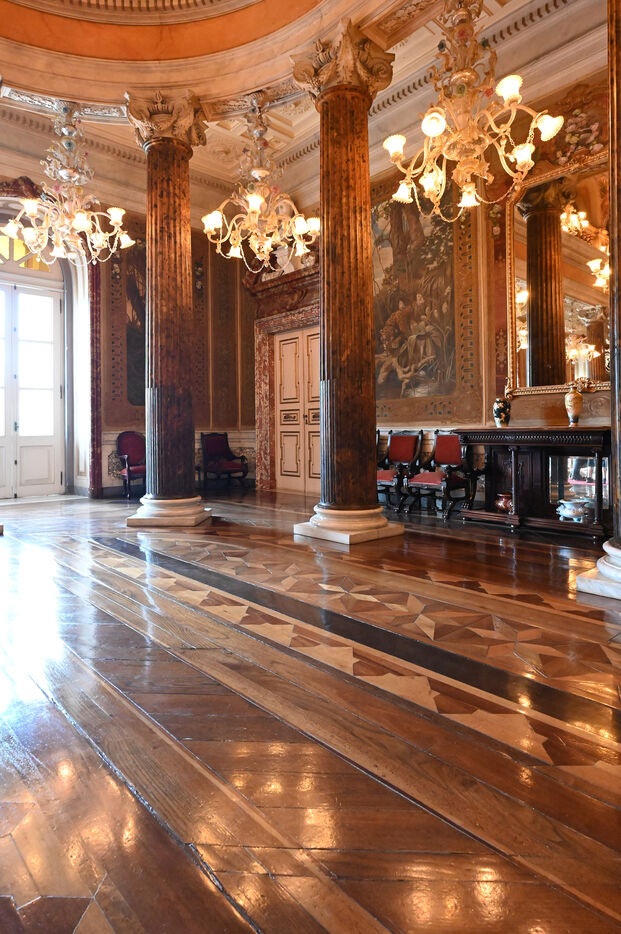
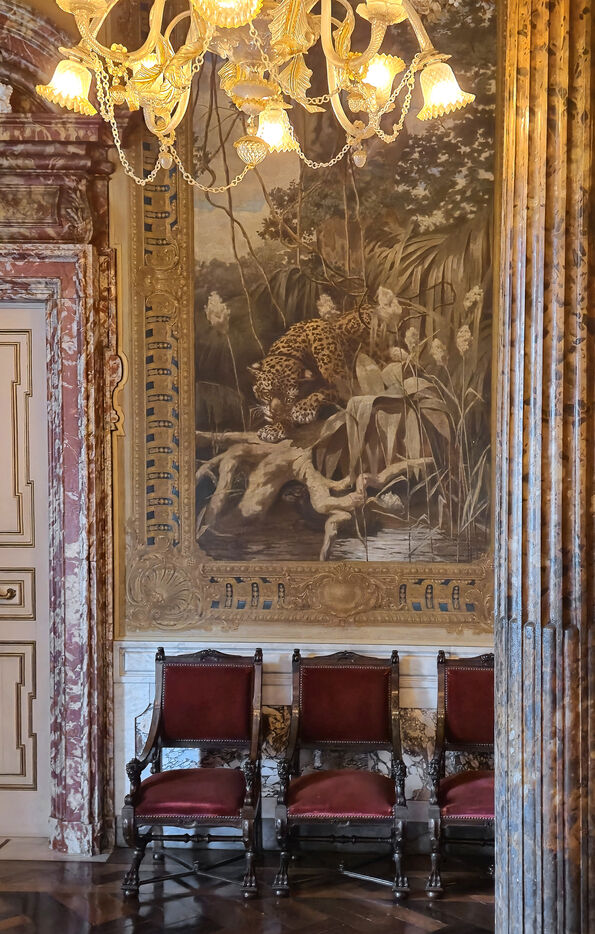
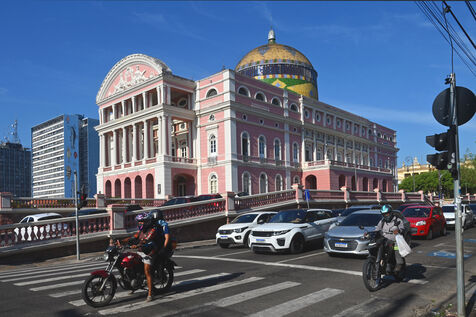
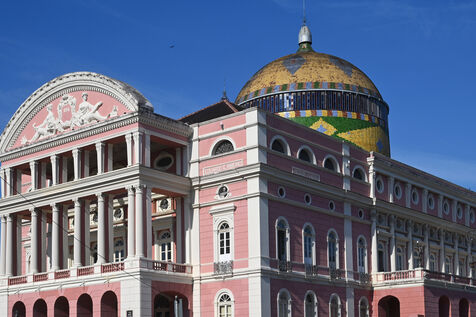
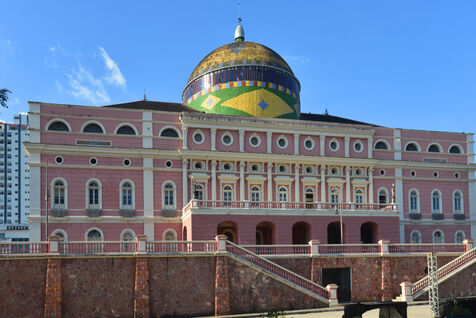
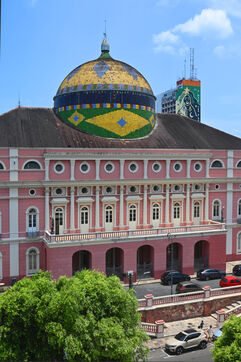
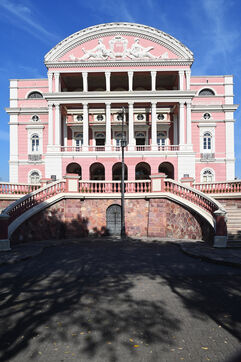
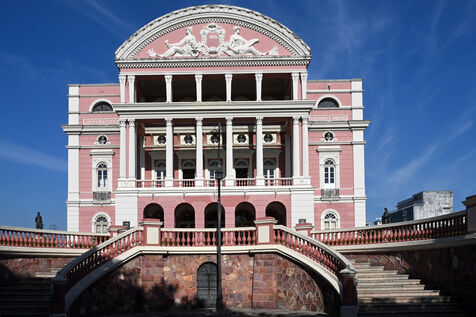
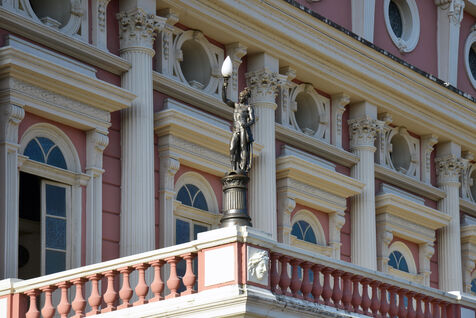
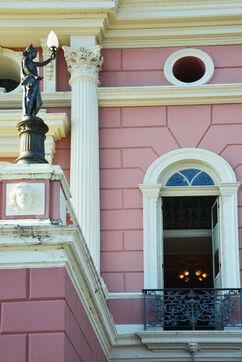
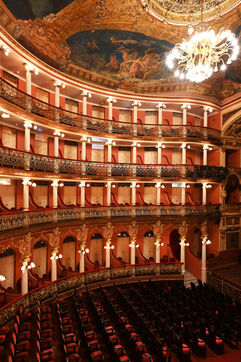
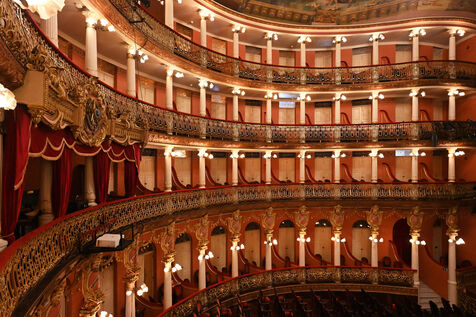
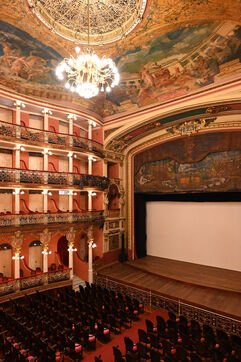
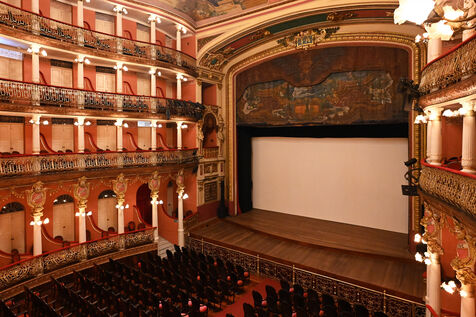
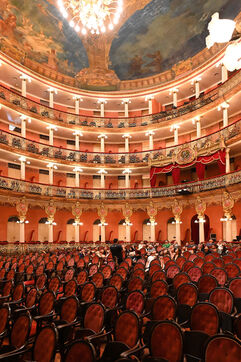
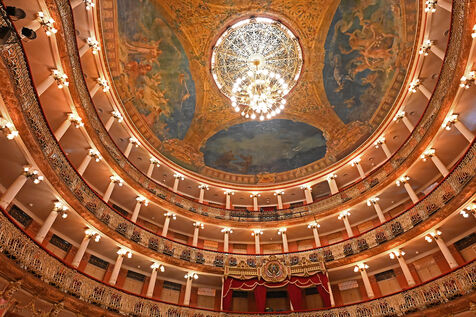
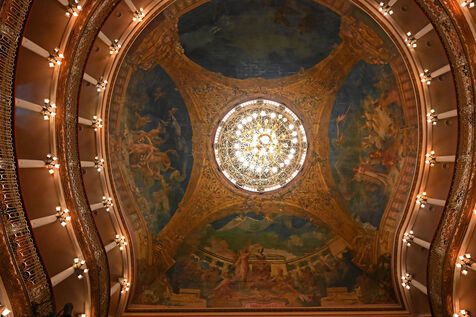
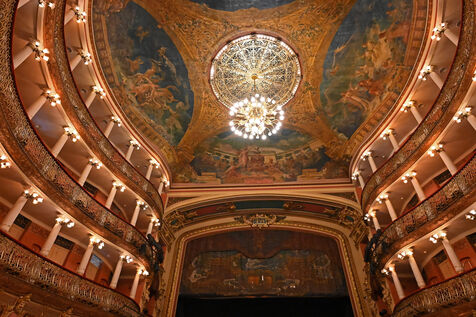
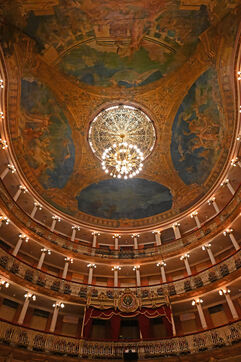
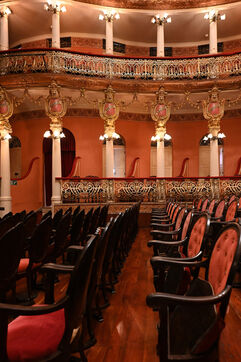
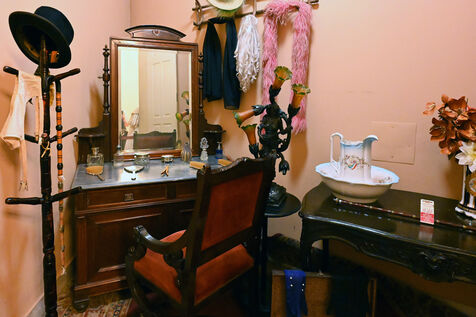
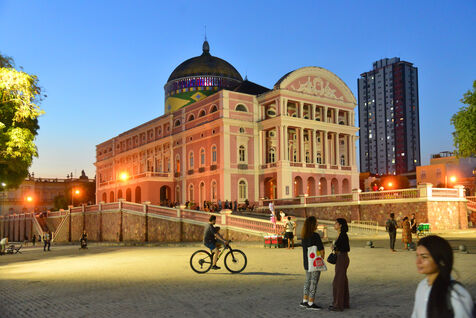
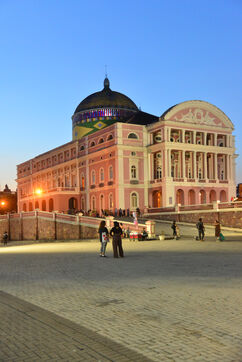
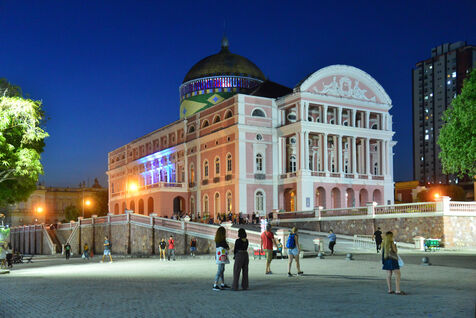
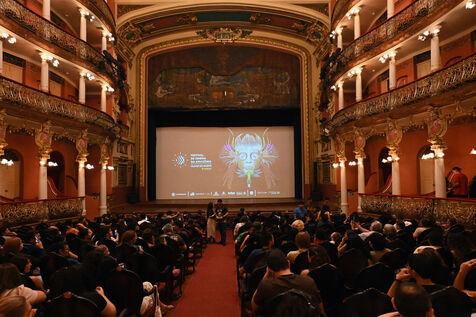
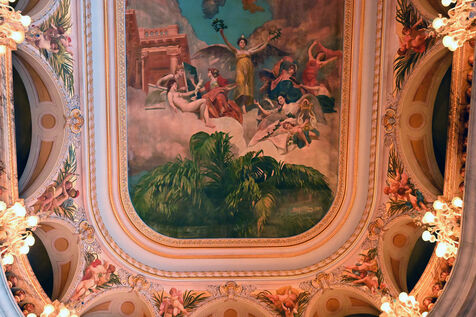
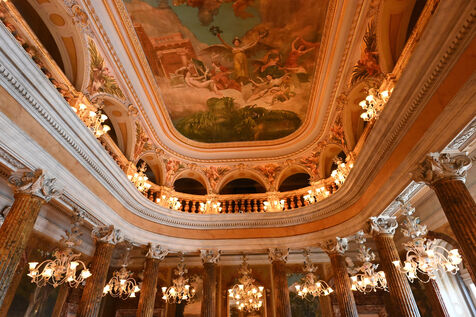
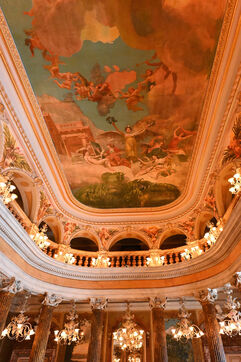
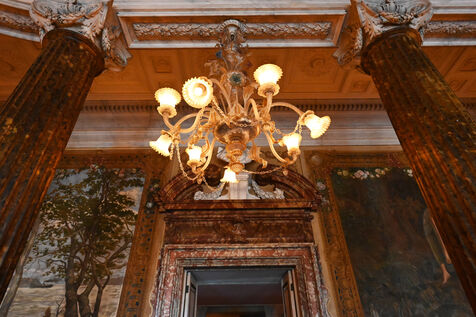
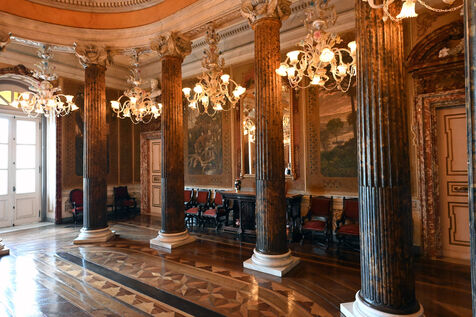
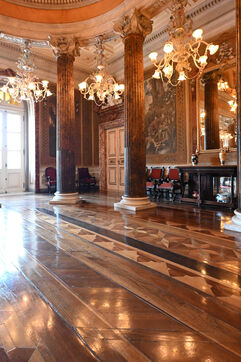
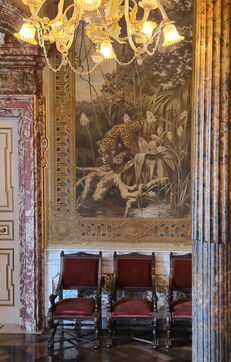
Située au cœur de la forêt amazonienne, la ville de Manaus connaît ses heures de gloire avec l’exploitation du caoutchouc. A partir des années 1880, le monde entier se fournit en caoutchouc naturel du Brésil et Manaus est la plaque tournante de sa production et de sa commercialisation. Des fortunes immenses se créent en quelques années, au détriment des populations indigènes et des seringueiros, ceux qui saignent les hévéas et récoltent la précieuse sève qu’on appelle latex. Rien n’est alors trop beau et, pour satisfaire la classe aisée de la ville, le gouverneur d’alors, José Lustosa Paranagua, accepte la construction d’un théâtre. Mais par n’importe lequel. Le Théâtre Amazonas se doit d’être le symbole de ces années fastes. Choisi pour conduire le projet, l’architecte italien Celestial Sacardim fait tout venir d’Europe ce qui, à l’époque, pouvait prendre des mois. Les 36 000 tuiles vernissées utilisées pour la toiture et représentant le drapeau brésilien proviennent d’Alsace. Le mobilier, les rideaux, tentures et velours sont fabriqués à Paris. Le marbre est italien, tout comme l’essentiel des 198 lustres en verre de Murano. L’acier de la structure est quant à lui anglais. Les peintures murales sont signées de l’artiste italien Domenico de Angelis. Celle de la grande salle représente la Tour Eiffel vue de dessous. Une merveille que découvrent les 700 premiers spectateurs le 31 décembre 1896, lors de l’inauguration officielle du théâtre au cours de laquelle est donnée La Gioconda d’Amilcare Ponchielli.
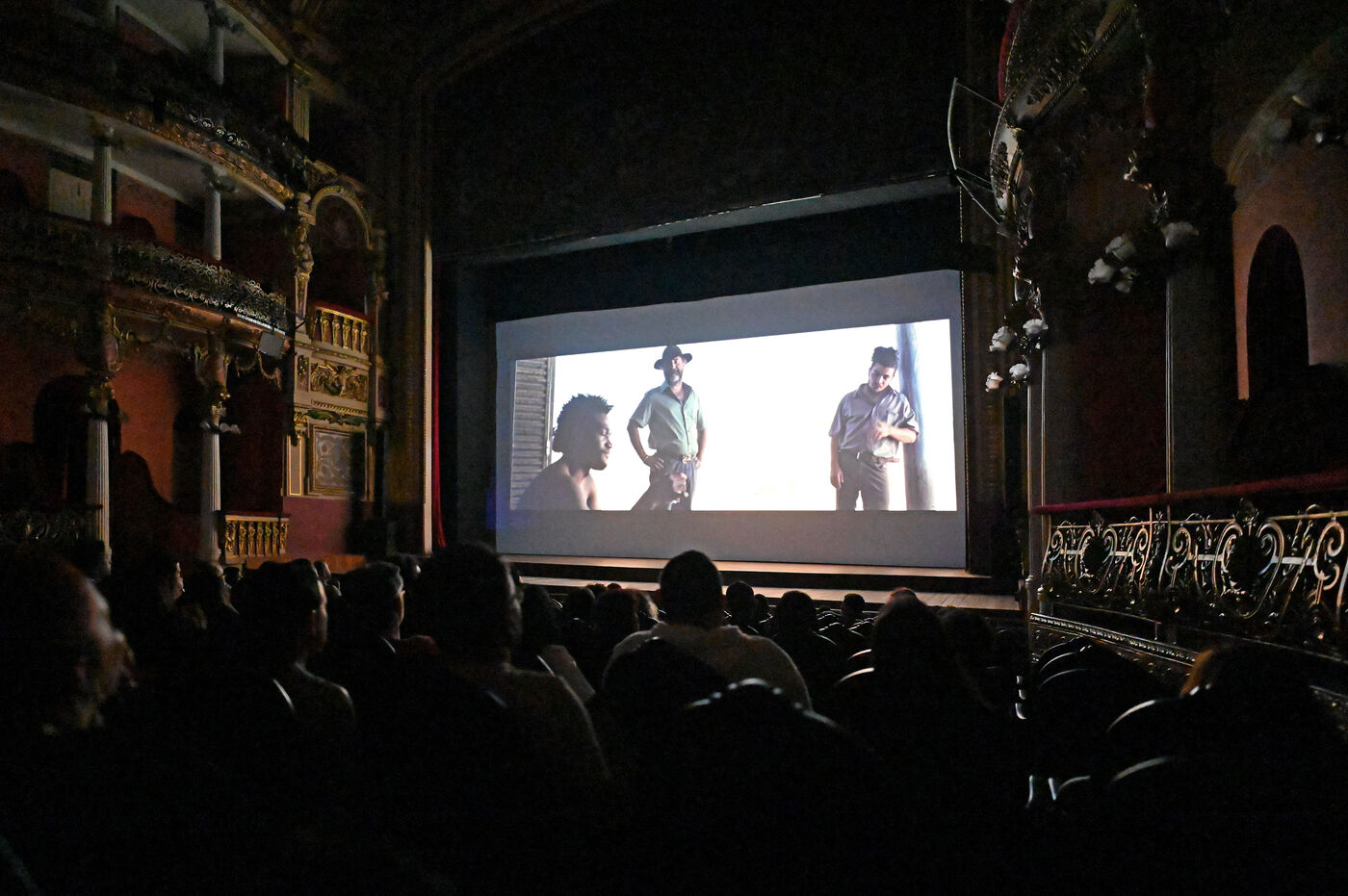
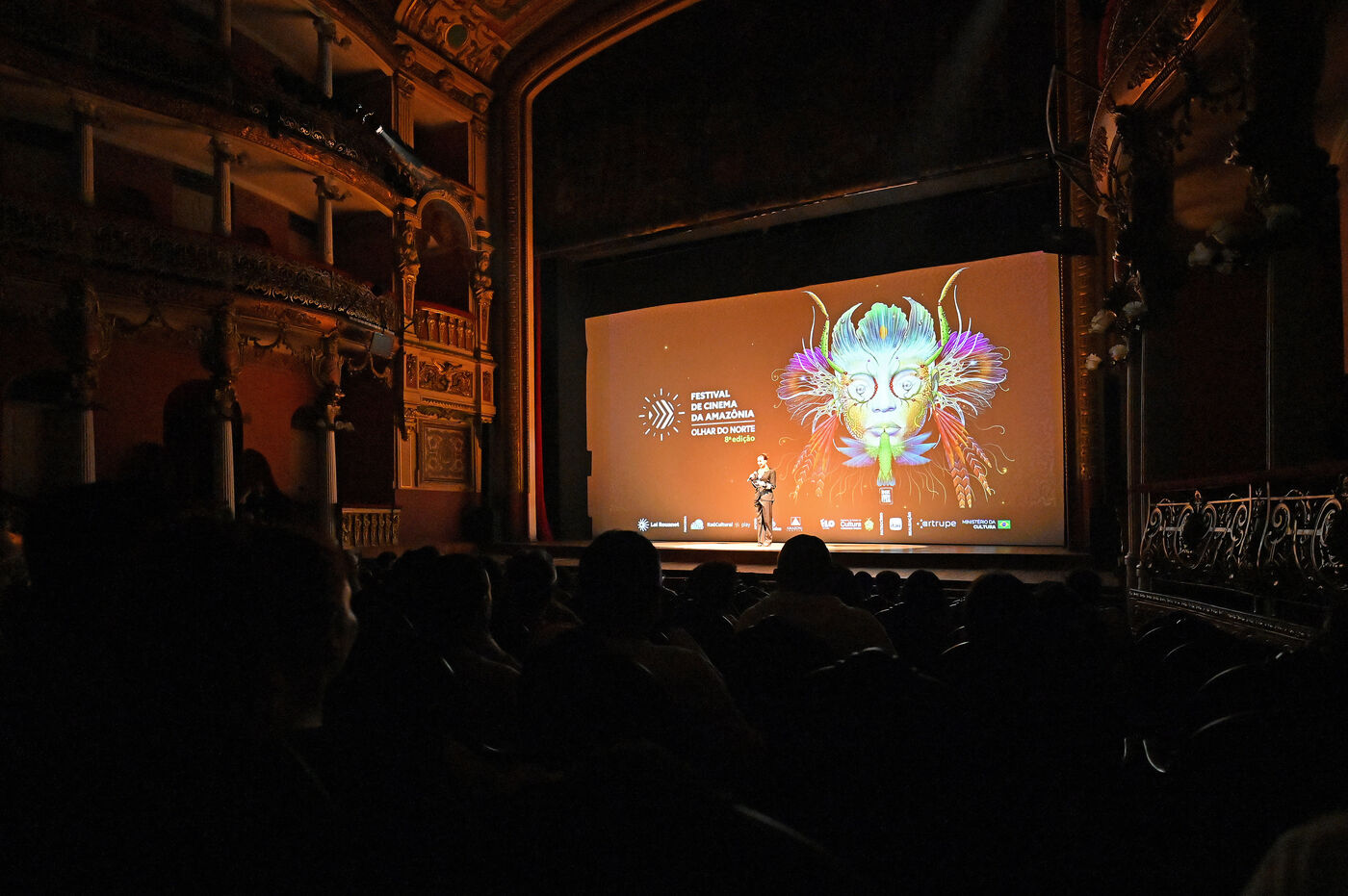
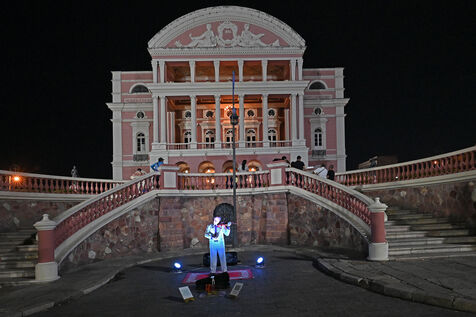
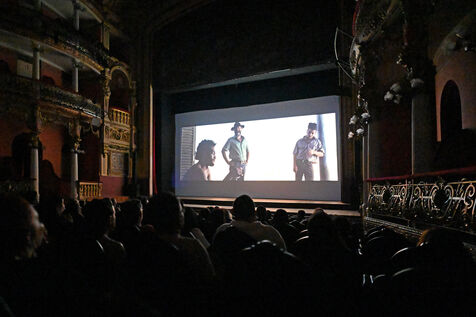
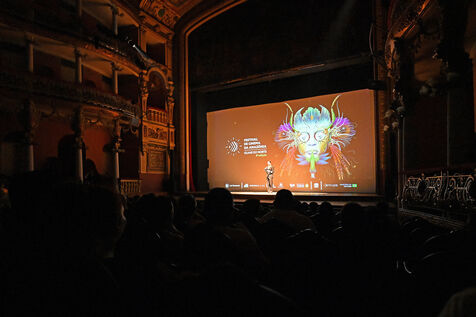
Malheureusement la Belle Epoque du caoutchouc ne dure pas. Des arbres sont transplantés en Asie qui cassent le monopole brésilien. Puis, en 1909, le chimiste allemand Fritz Hofmann invente le caoutchouc synthétique qui signe la ruine de Manaus. Le théâtre ferme. Il le restera près de 90 ans. Sans l’impulsion du gouverneur populiste Amazonino Mendes, nul ne sait ce qu’il serait devenu. En 2017, ce dernier décide de le rouvrir et de le doter d’un orchestre, d’un chœur et d’un corps de ballet. Aujourd’hui, le théâtre Amazonas accueille nombre de spectacles et de festivals dont celui du film amazonien, tous gratuits.
Brazil - The Manaus theater turns 130 years old in december 2026
Nestled in the heart of the Amazon rainforest, Manaus experienced its golden years during the rubber boom. From the 1880s onwards, the entire world sourced its natural rubber from Brazil, with Manaus serving as the hub for its production and trade. Immense fortunes were amassed in just a few years—often at the expense of indigenous populations and seringueiros, the workers who tapped the rubber trees to harvest the precious sap known as latex. No expense was spared; to satisfy the city’s wealthy elite, the governor at the time, José Lustosa Paranagua, commissioned the construction of a theater. But not just any theater: the Teatro Amazonas was intended to be the ultimate symbol of those prosperous times. Italian architect Celestial Sacardim, chosen to lead the project, sourced everything from Europe—a process that could take months at the time. The 36,000 glazed tiles used for the roof—arranged to depict the Brazilian flag—came from Alsace. The furniture, curtains, wall hangings, and velvet upholstery were manufactured in Paris. The marble was Italian, as were most of the 198 Murano glass chandeliers, while the structural steel came from England. The murals were created by Italian artist Domenico de Angelis; the painting in the main hall depicts the Eiffel Tower viewed from below. This marvel was revealed to the first 700 audience members on December 31, 1896, during the theater's official inauguration, which featured a performance of Amilcare Ponchielli’s « La Gioconda »
Unfortunately, the rubber industry’s golden years did not last. Trees were transplanted to Asia, breaking the Brazilian monopoly. Then, in 1909, the German chemist Fritz Hofmann invented synthetic rubber, sealing Manaus's ruin. The theater closed its doors—and remained shut for nearly 90 years. Without the initiative of populist governor Amazonino Mendes, no one knows what would have become of it. In 2017, he decided to reopen the theater and establish an orchestra, a choir, and a ballet company. Today, the Teatro Amazonas hosts numerous performances and festivals—including the Amazonian Film Festival—all of which are free to the public.