En France, La Grande-Motte 2026, une architecture née des congés payés de 1936 et de 1956
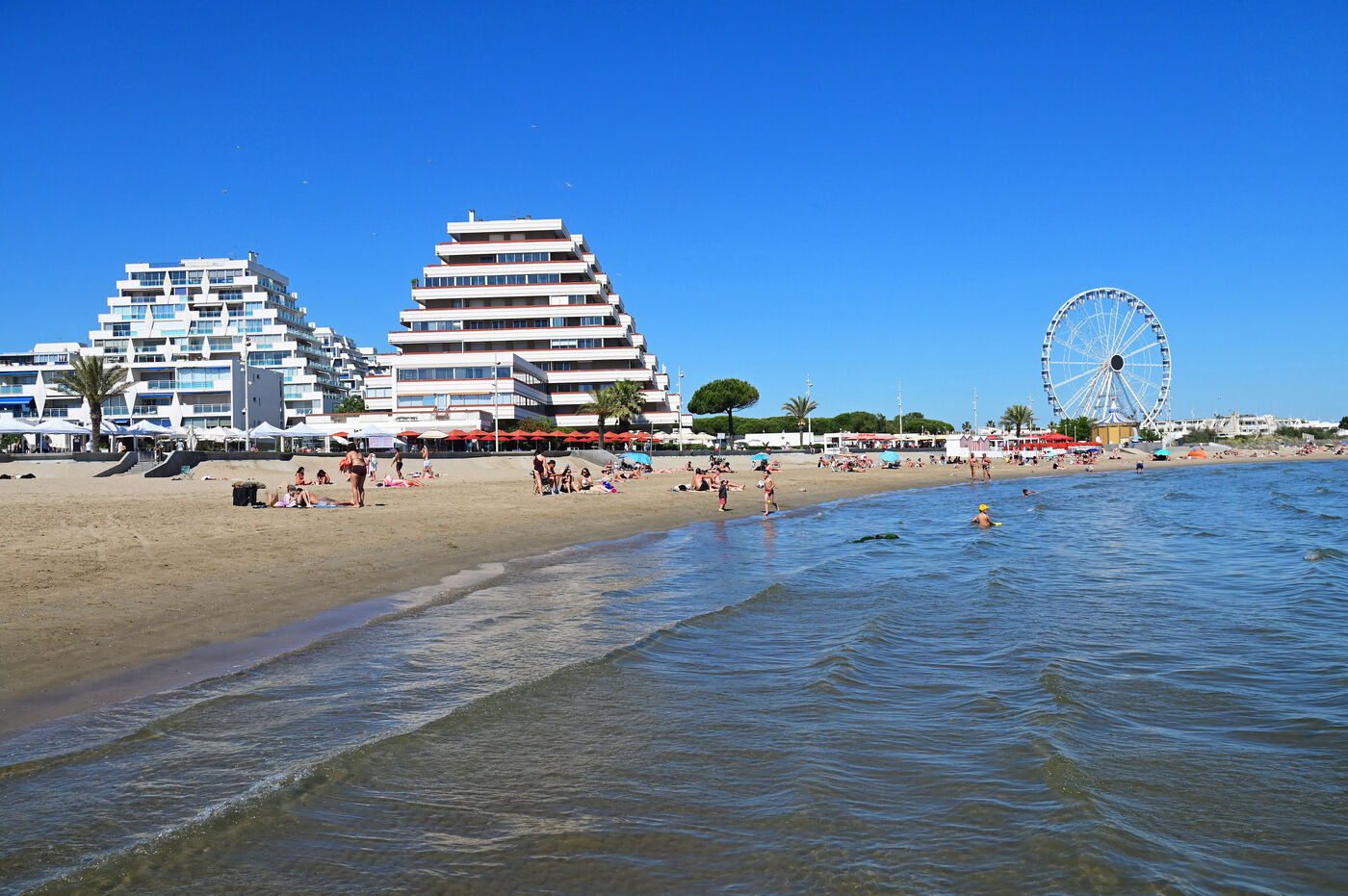
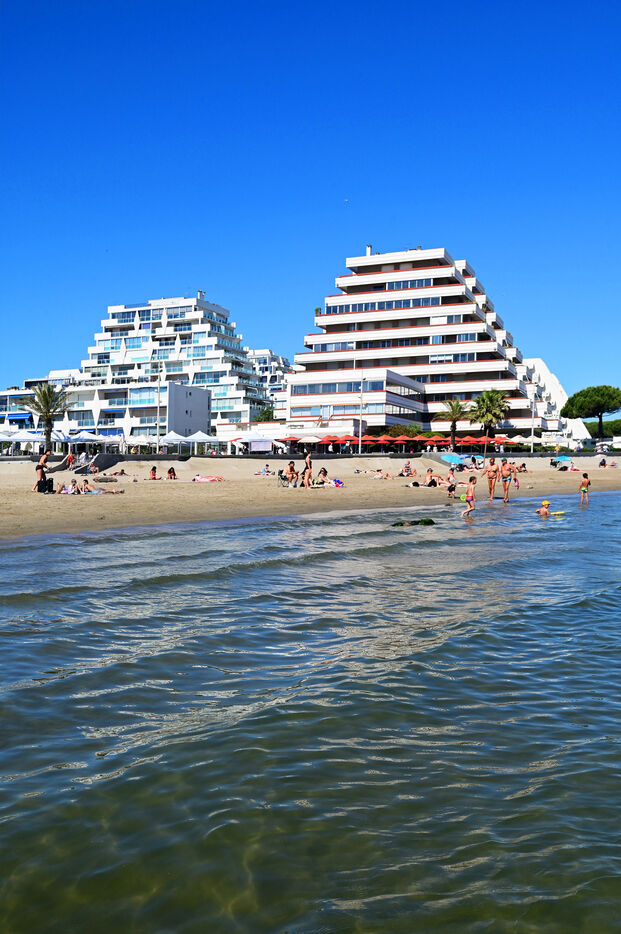
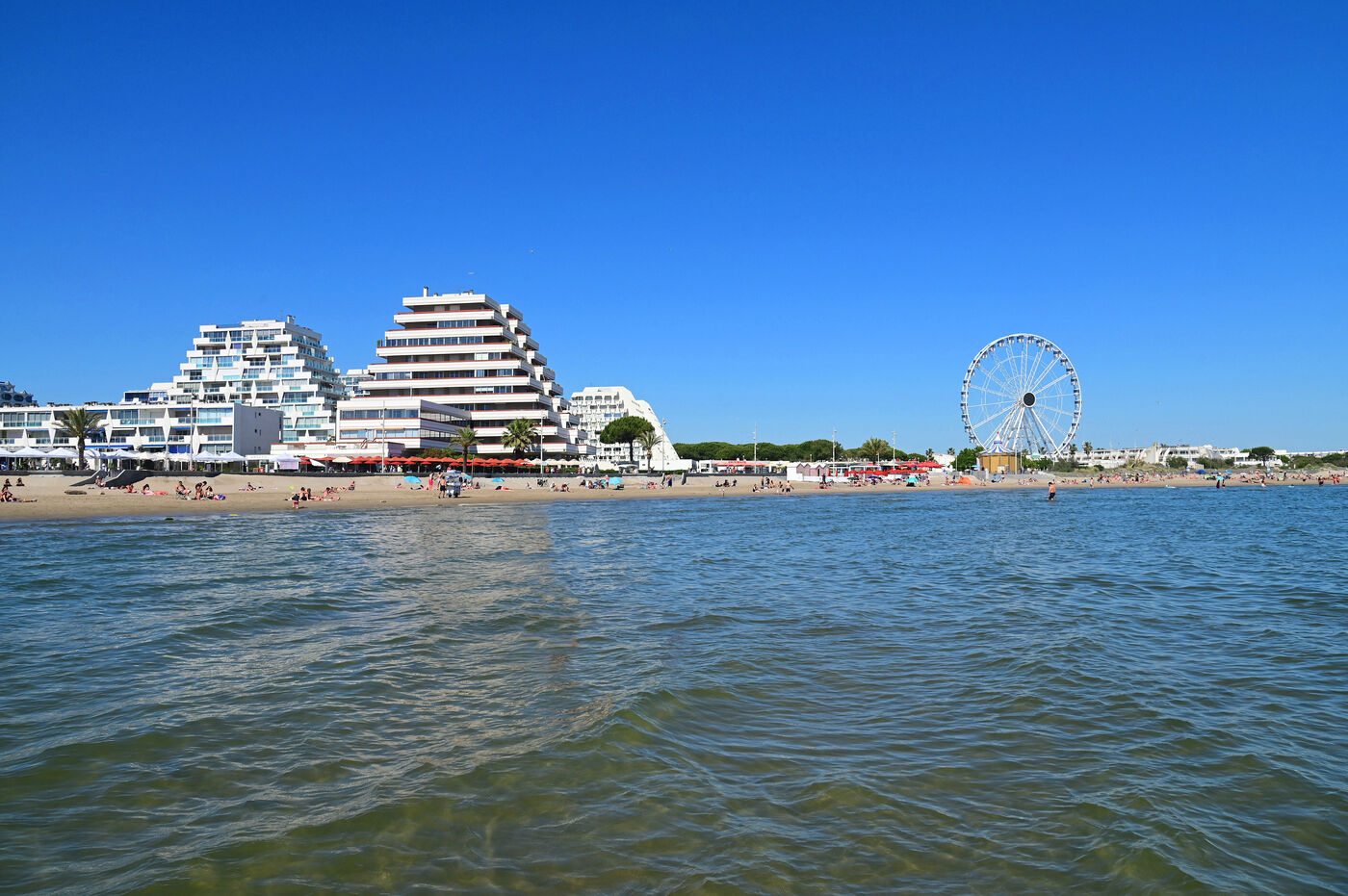
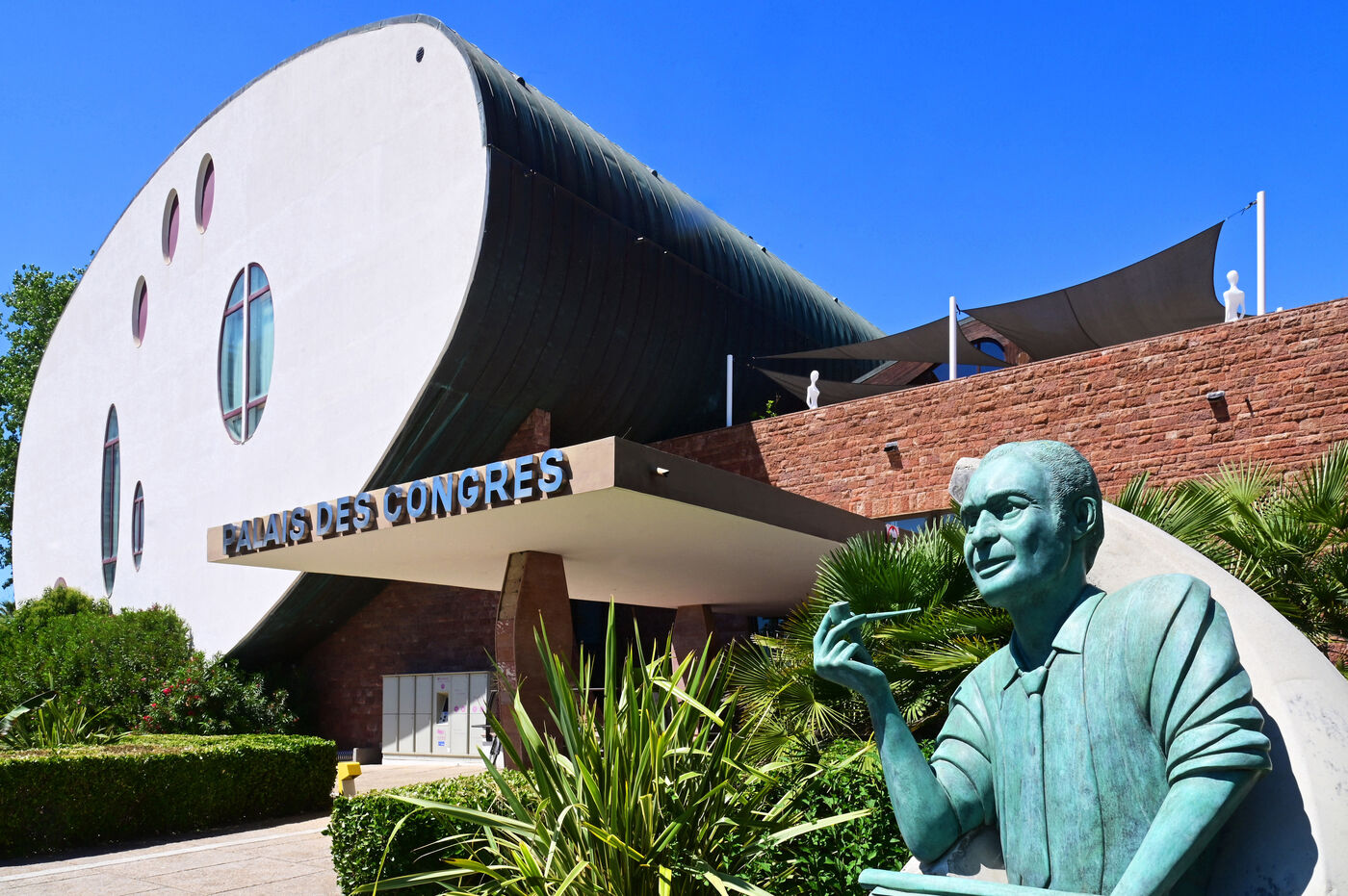
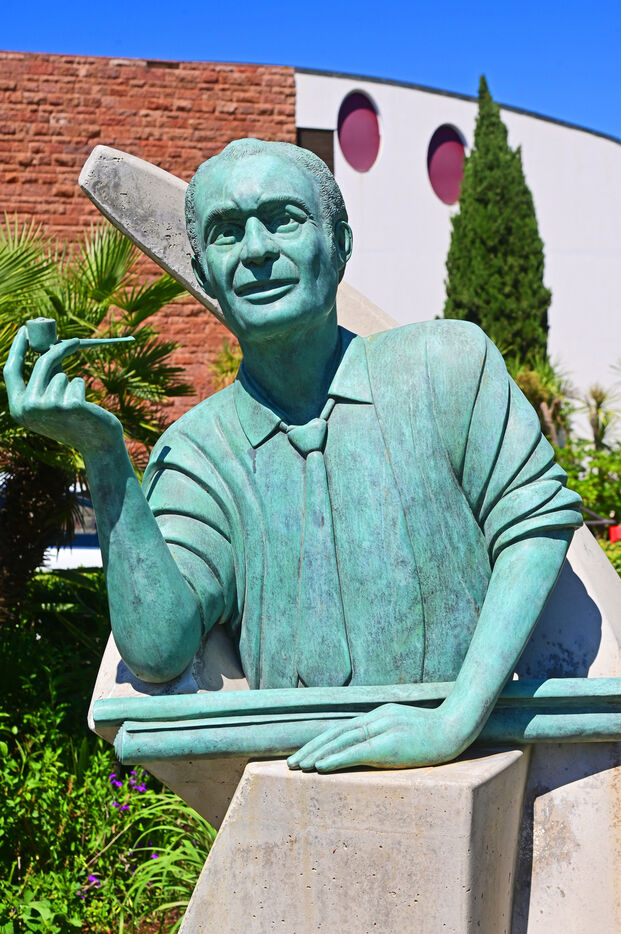
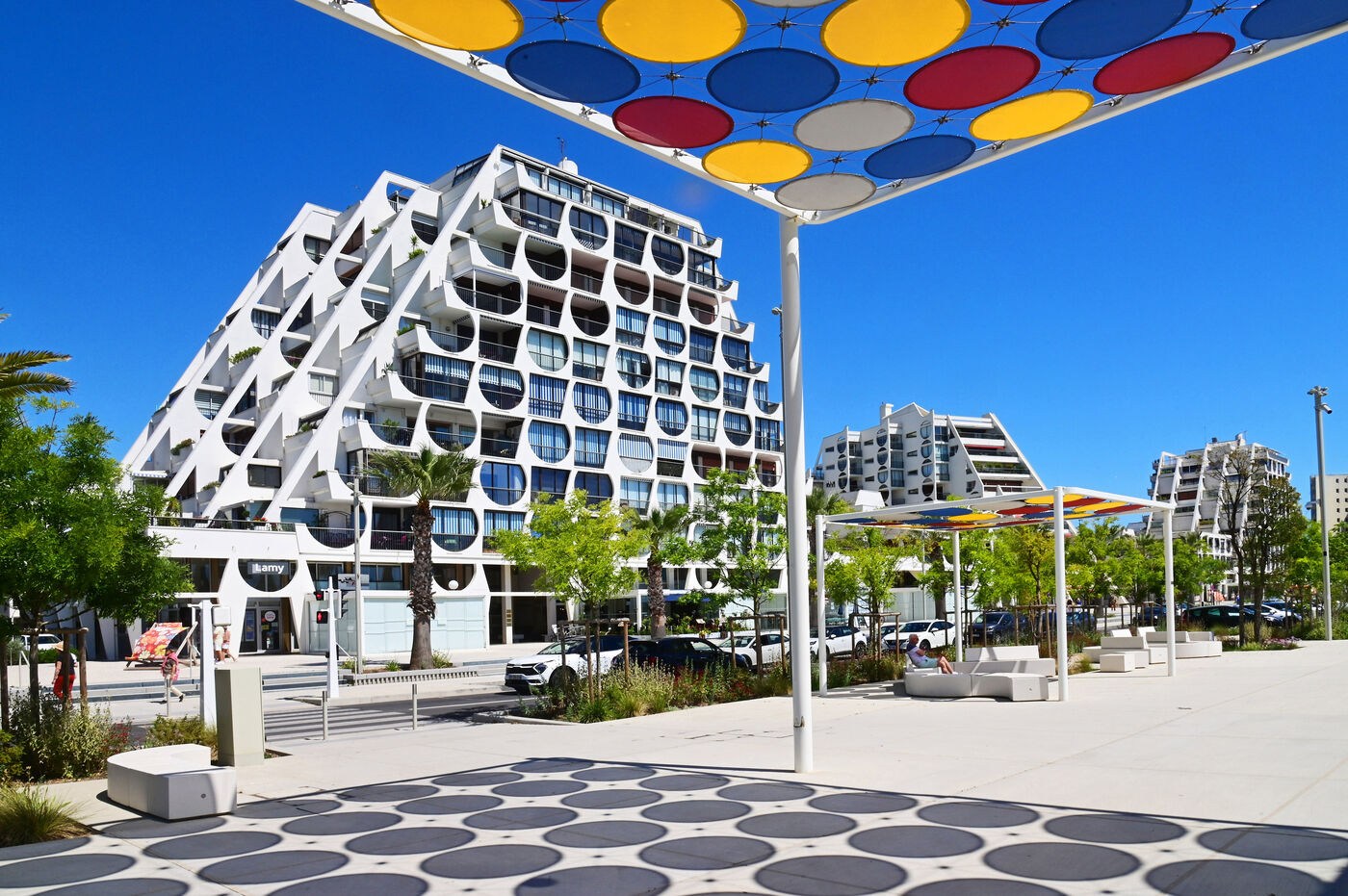
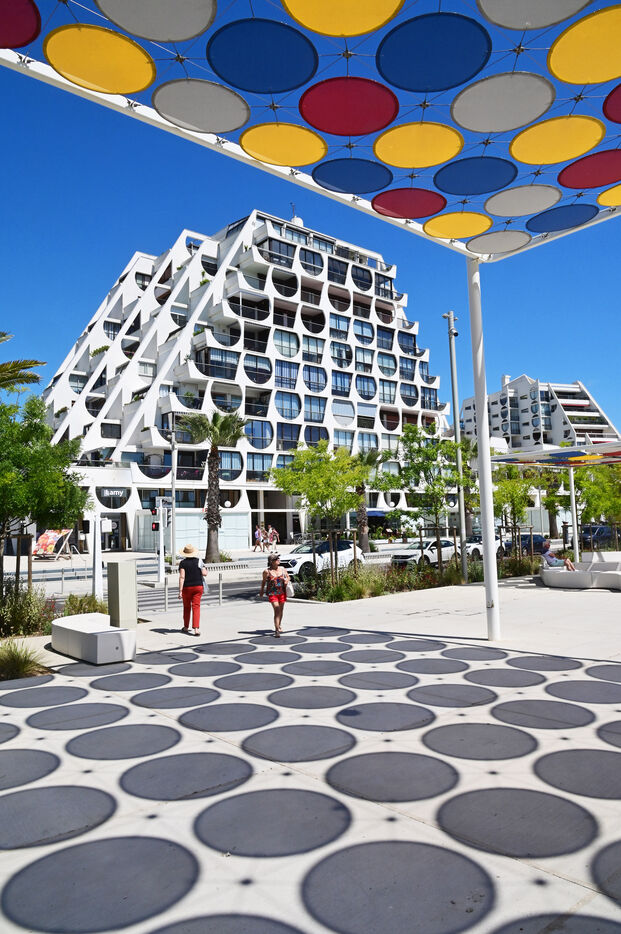
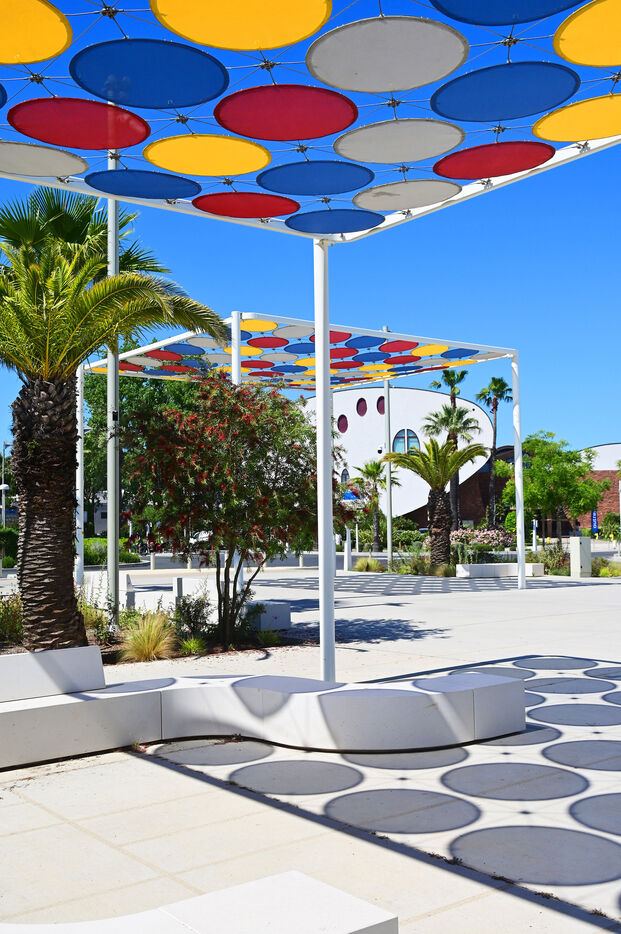
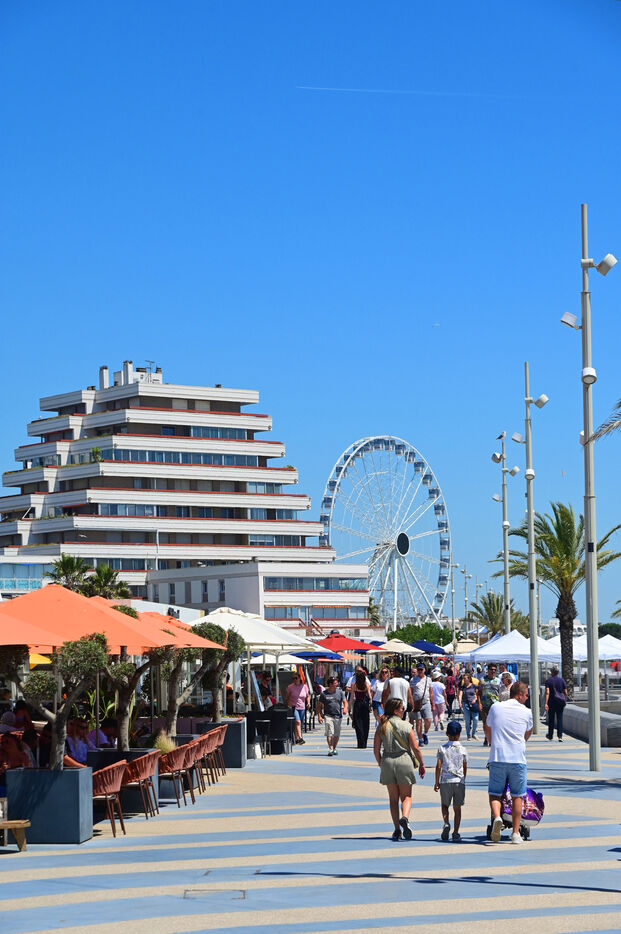
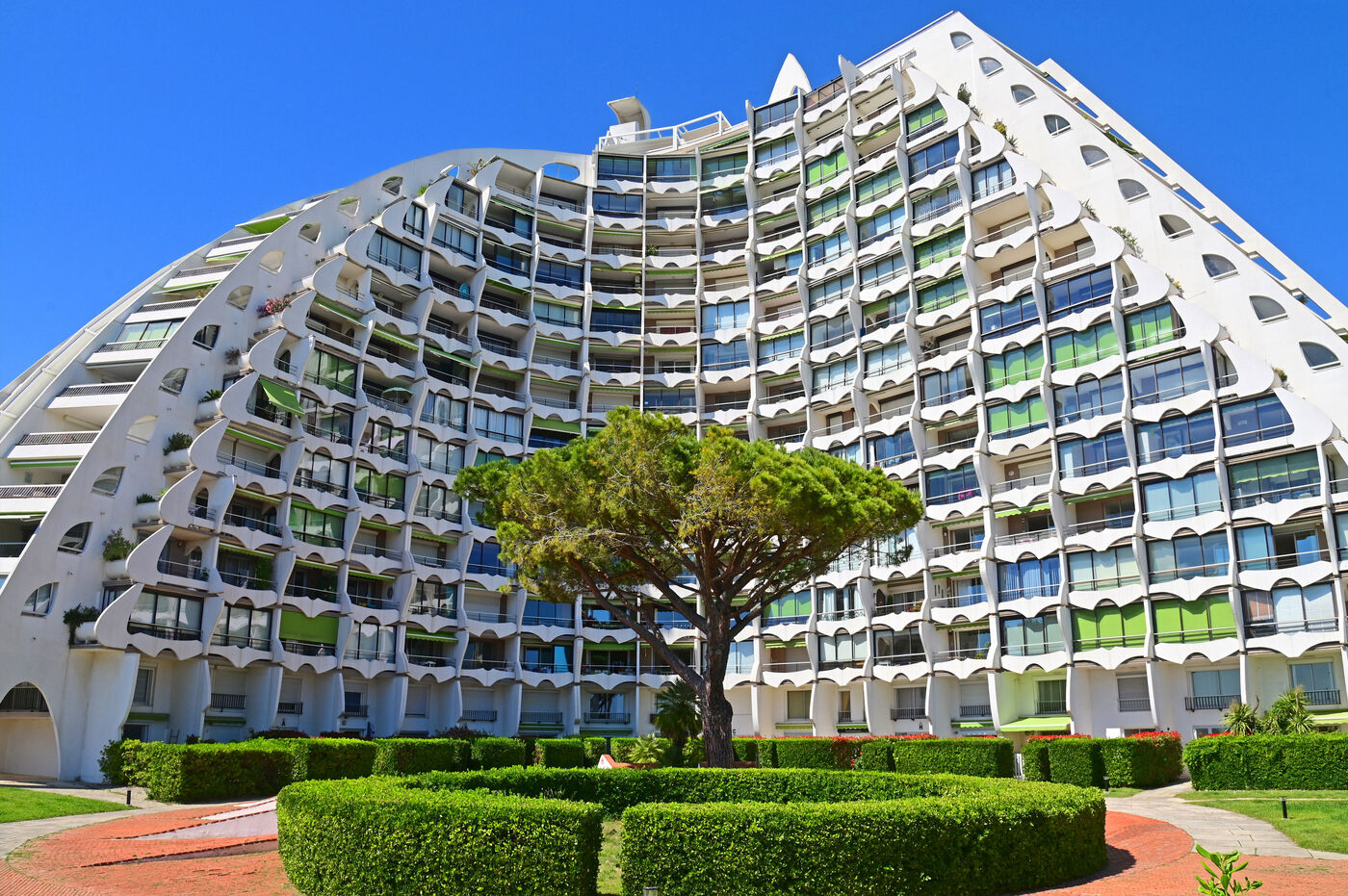
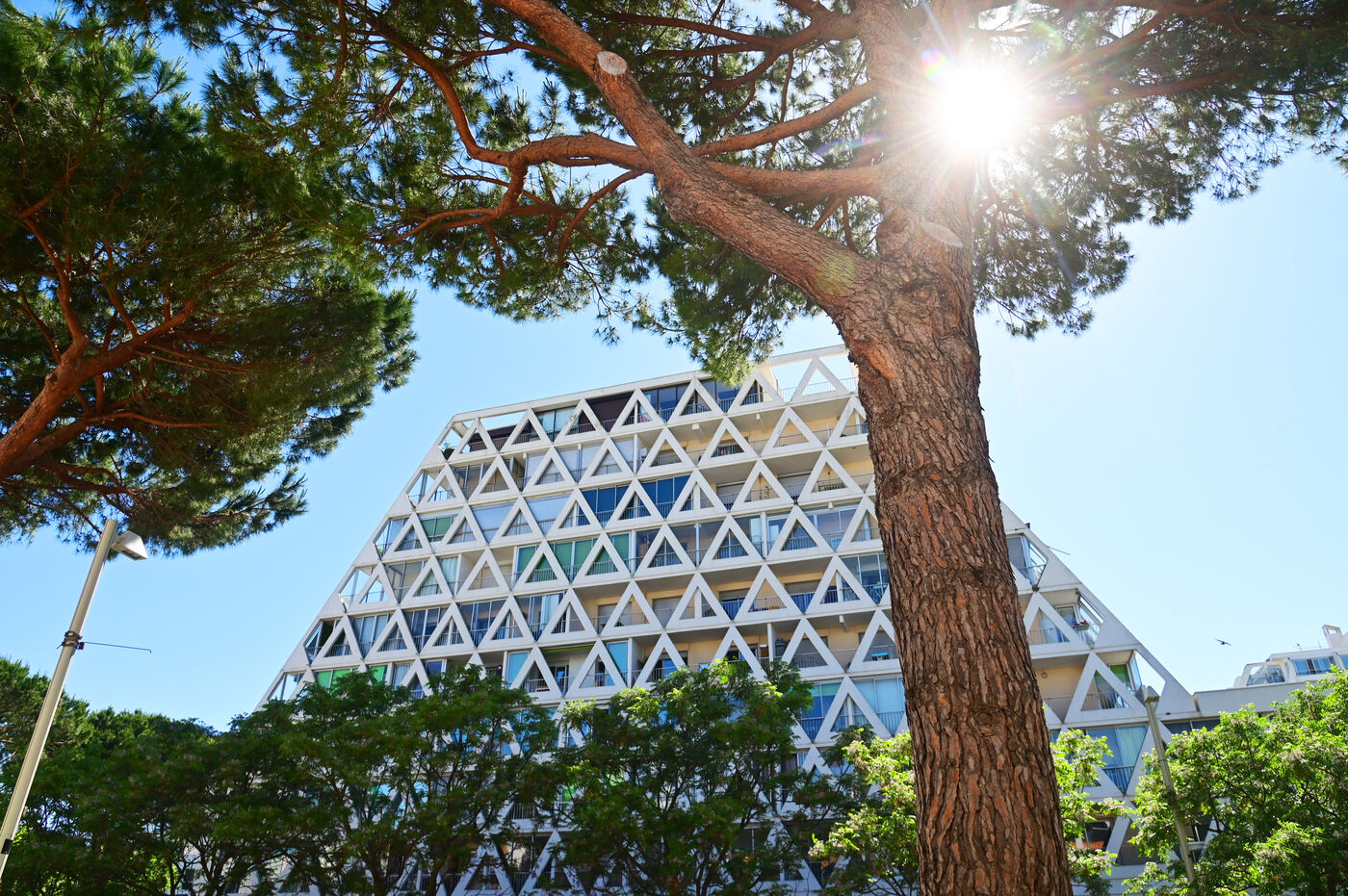
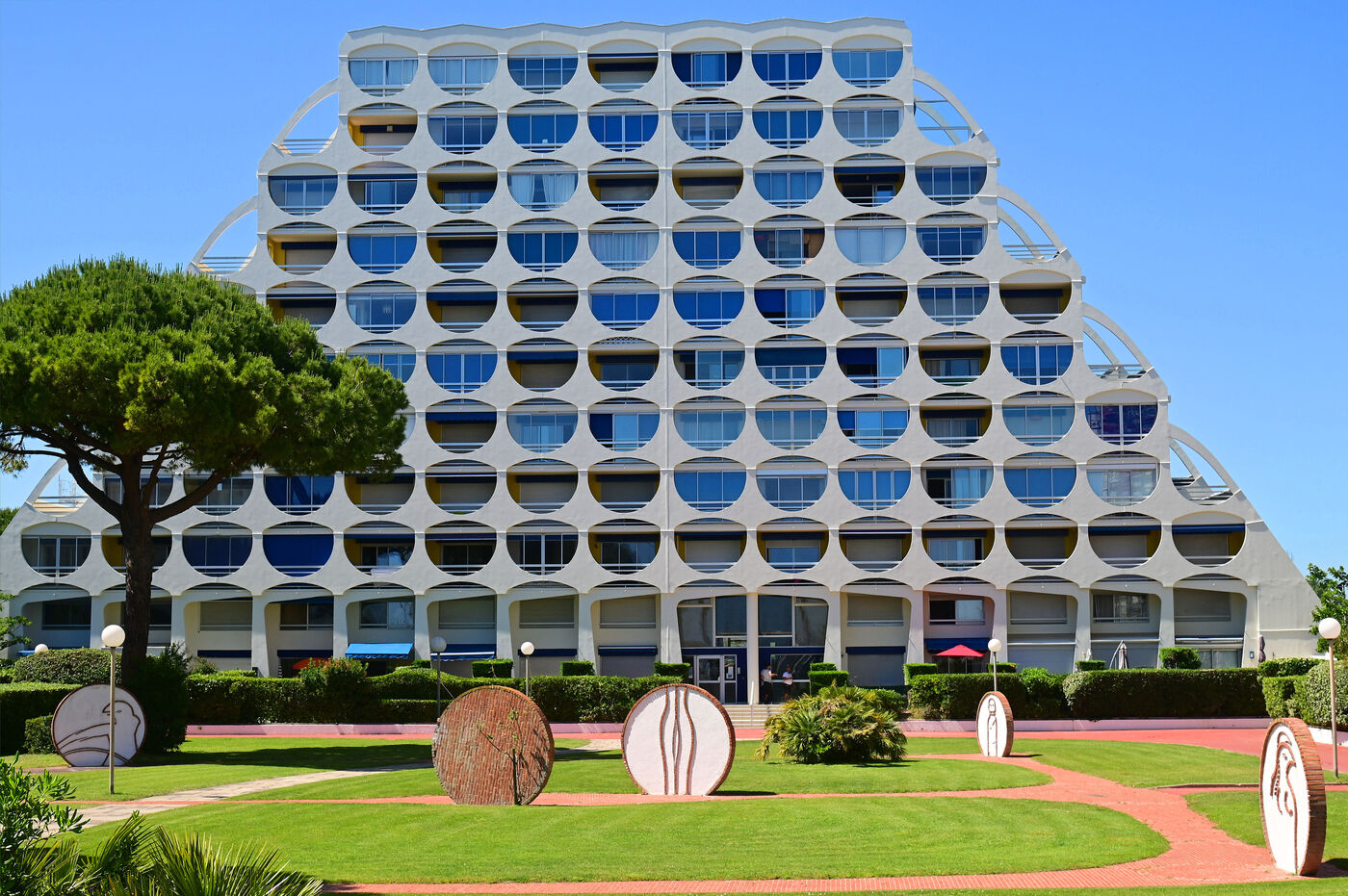
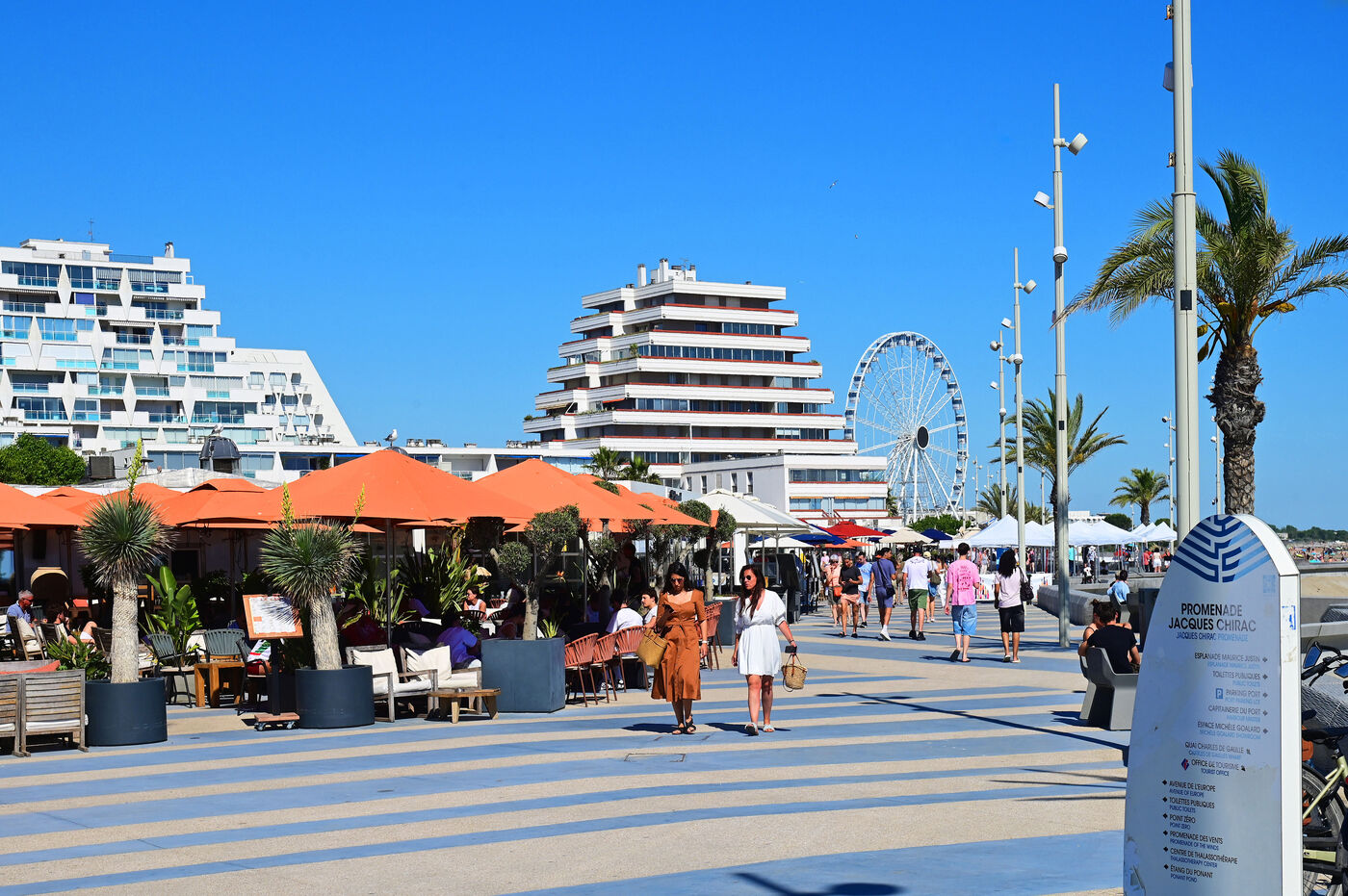
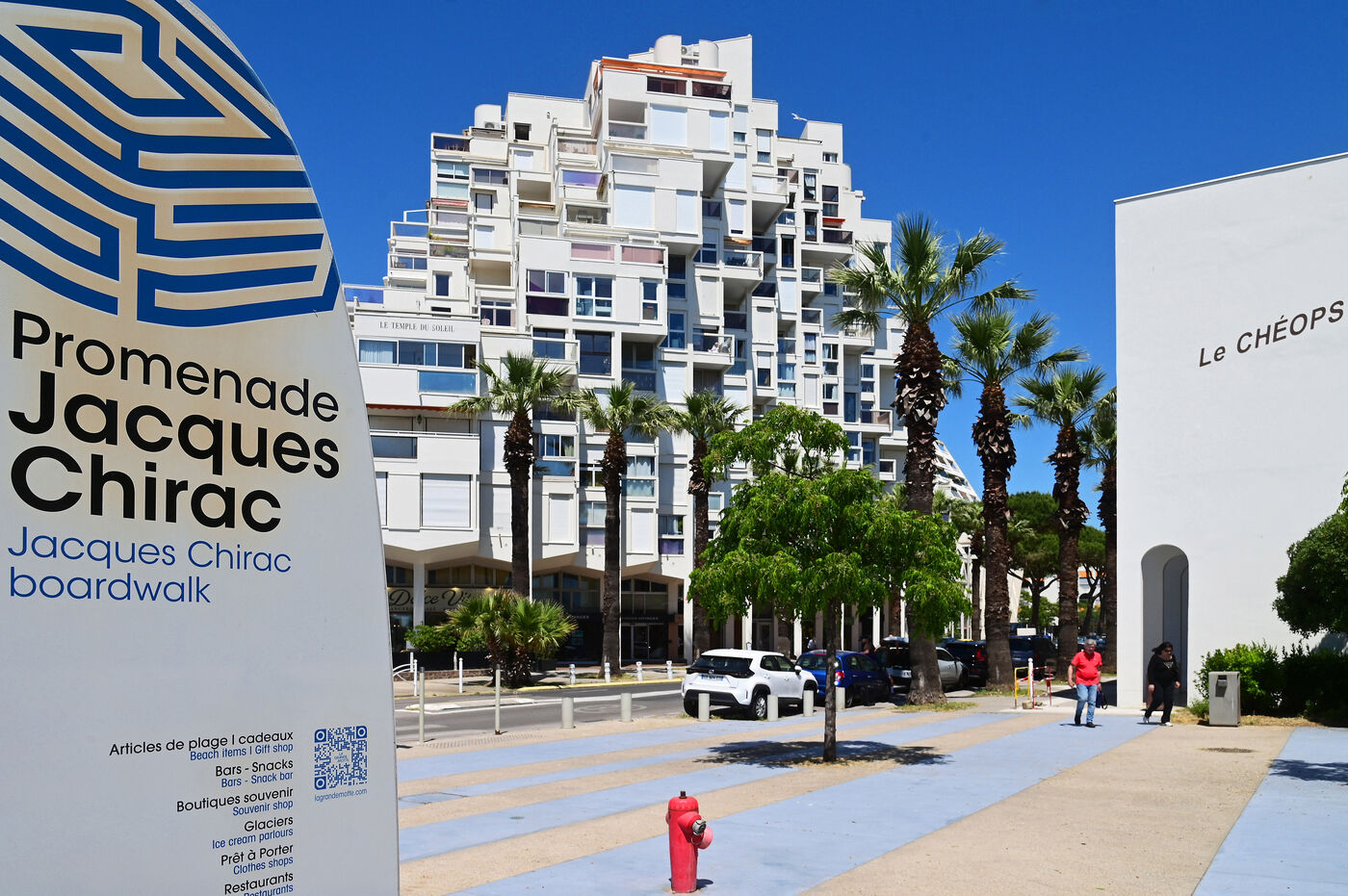
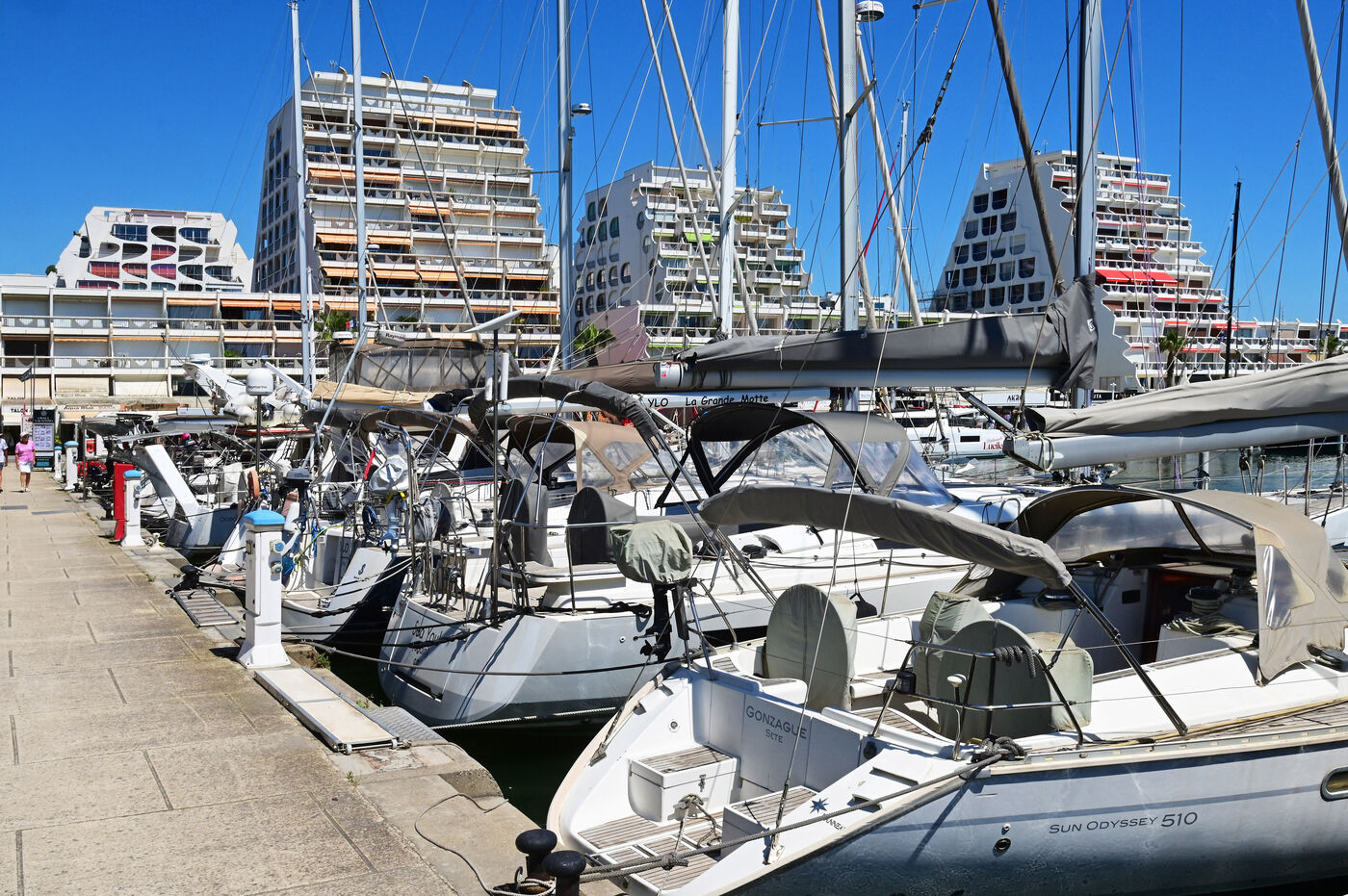
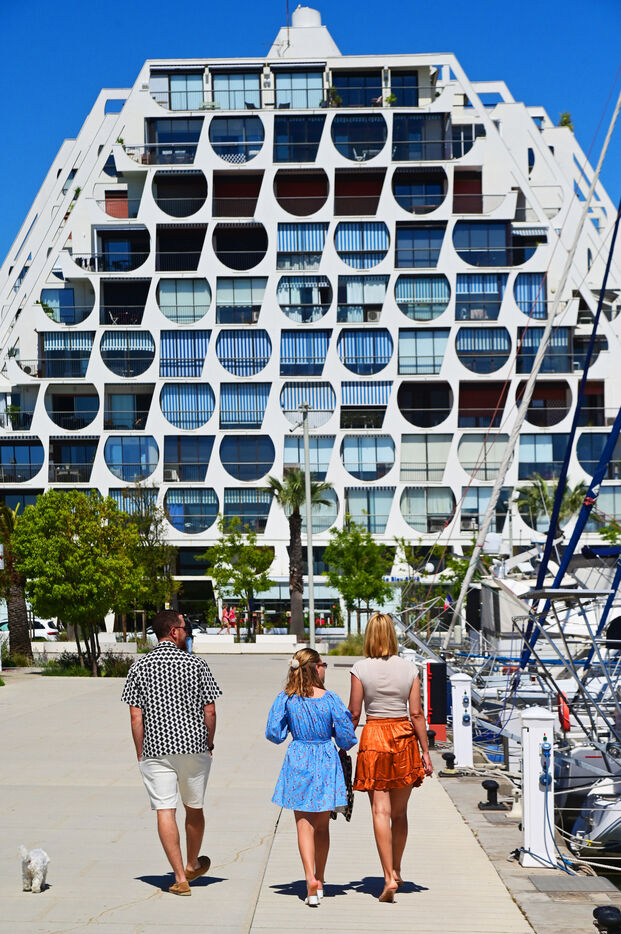
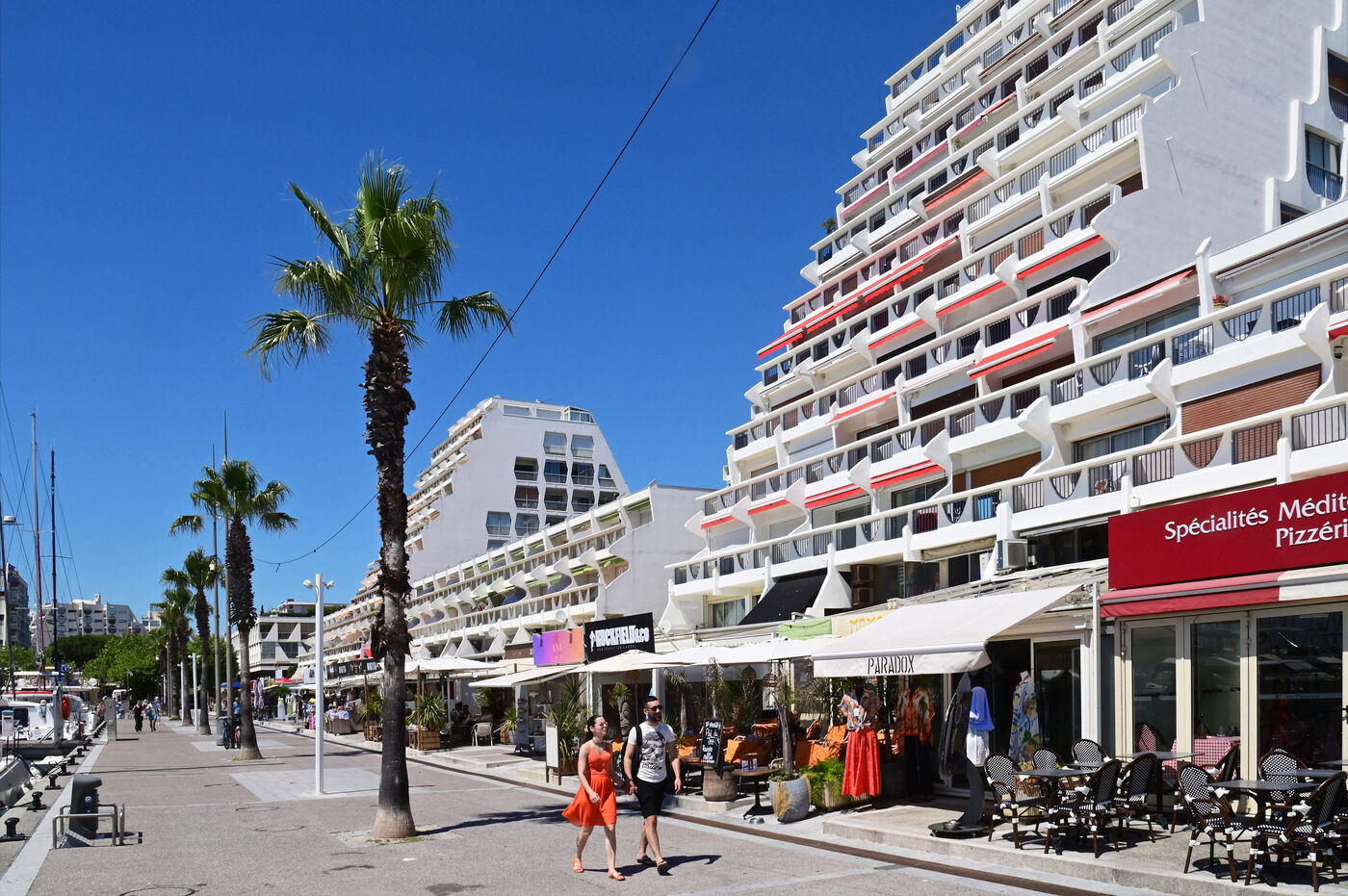
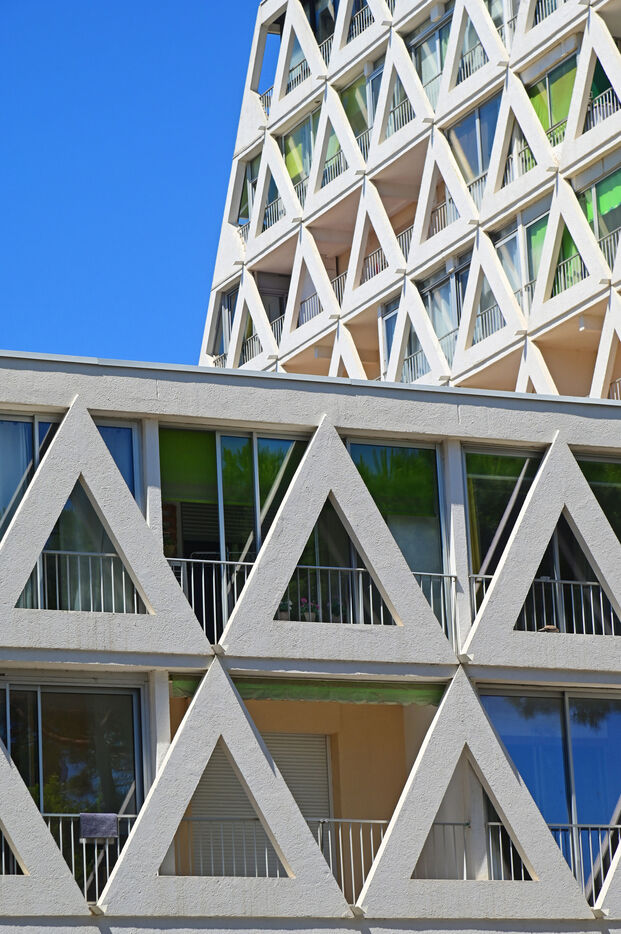
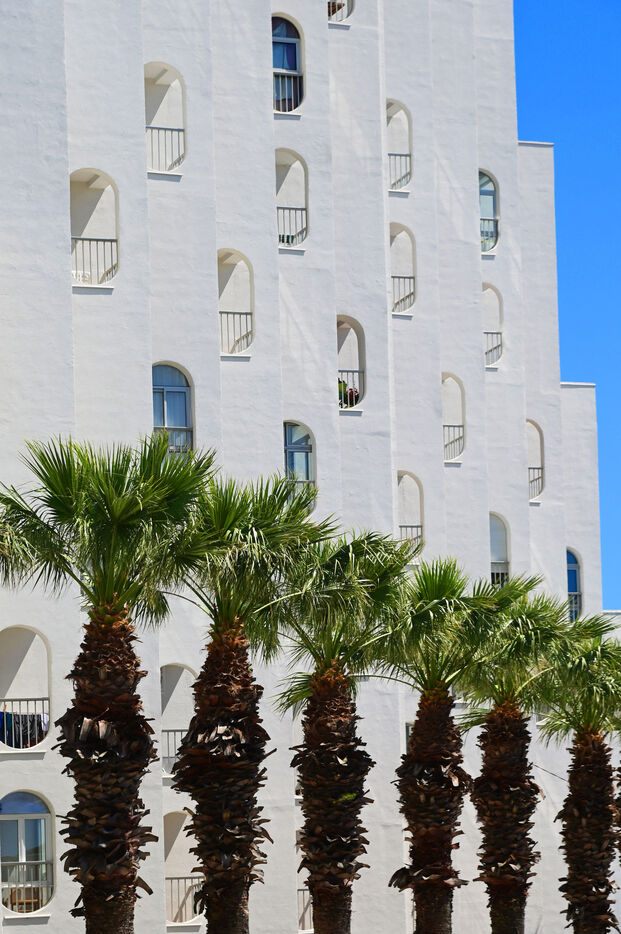
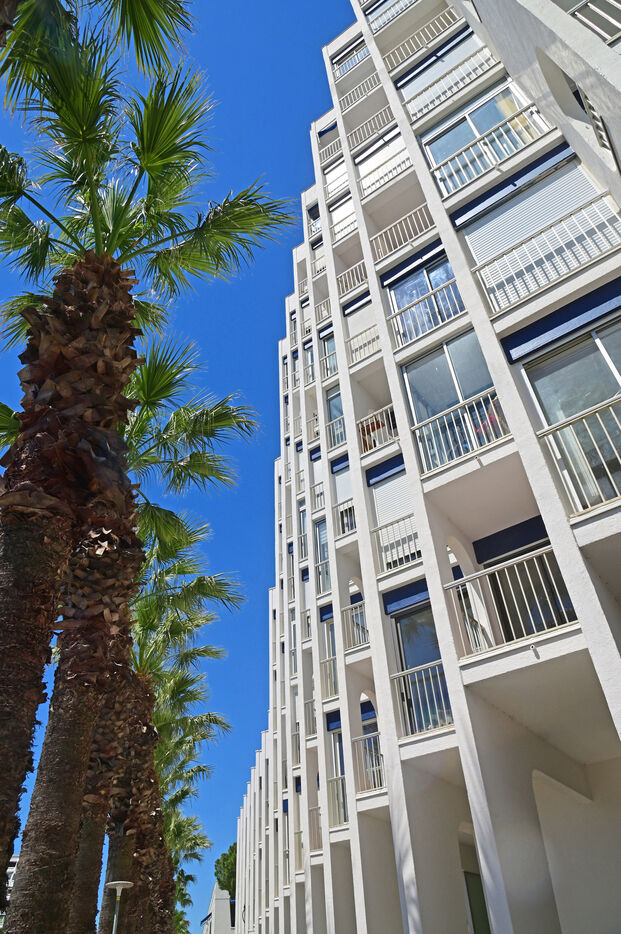
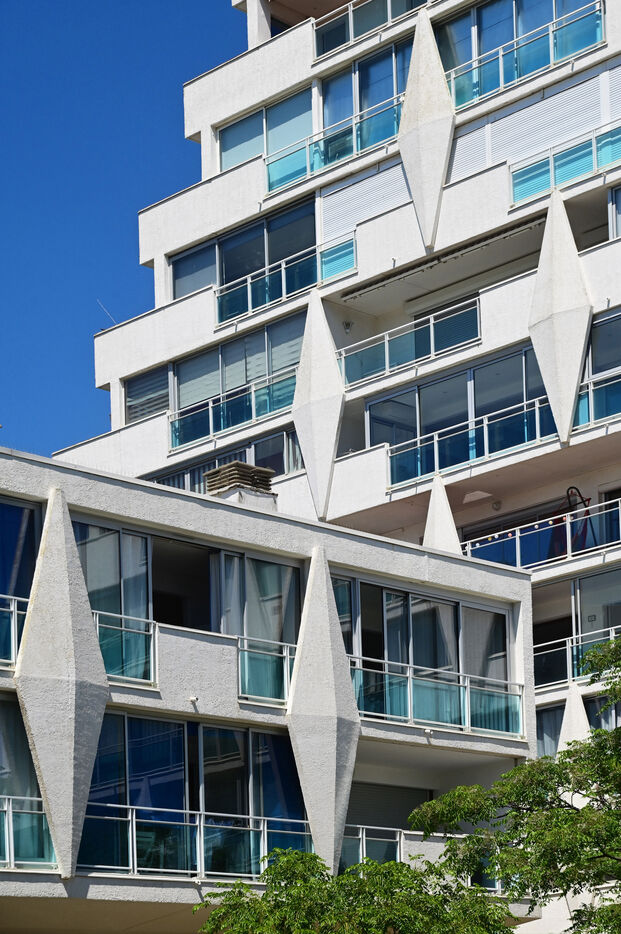
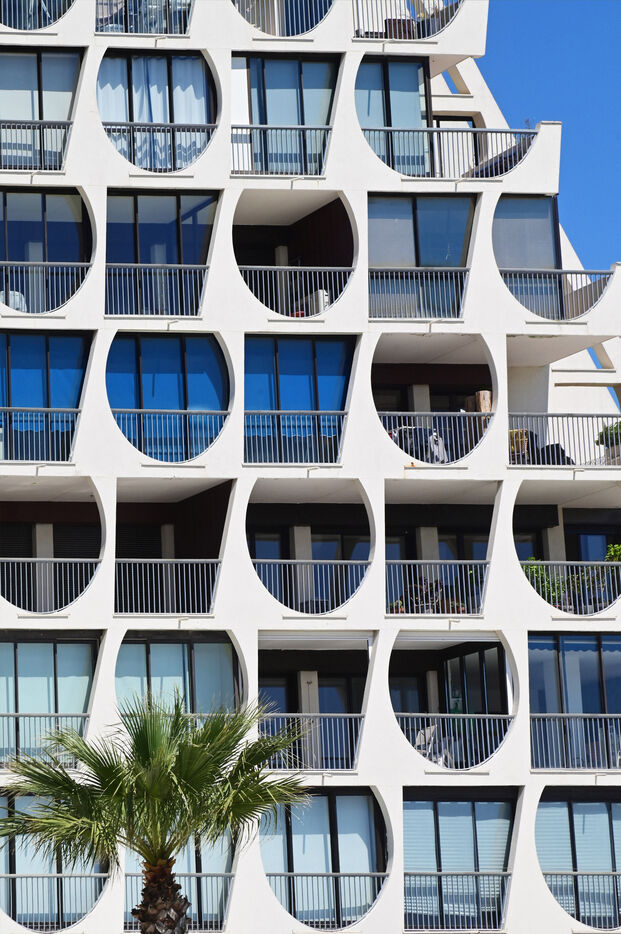
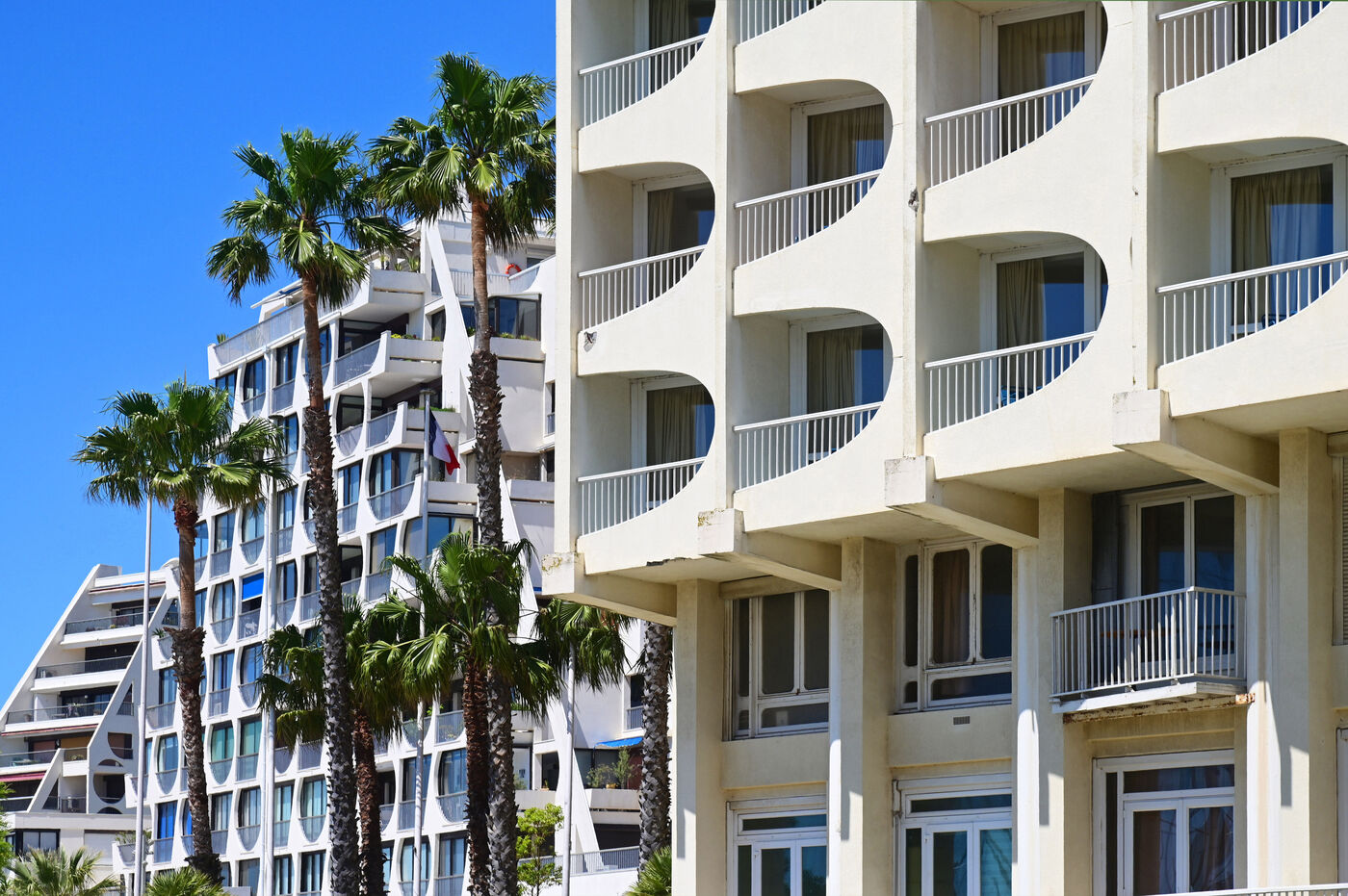
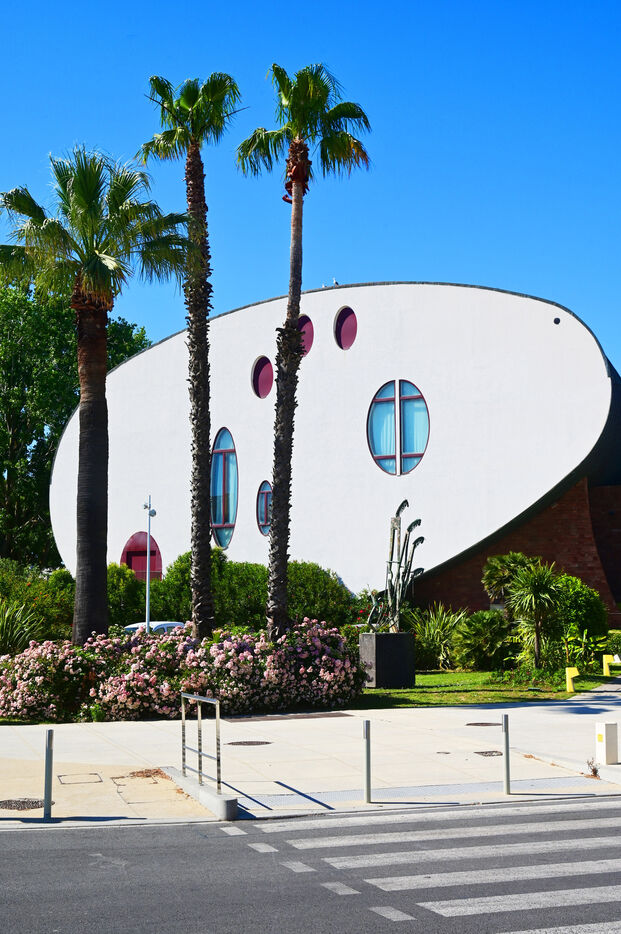
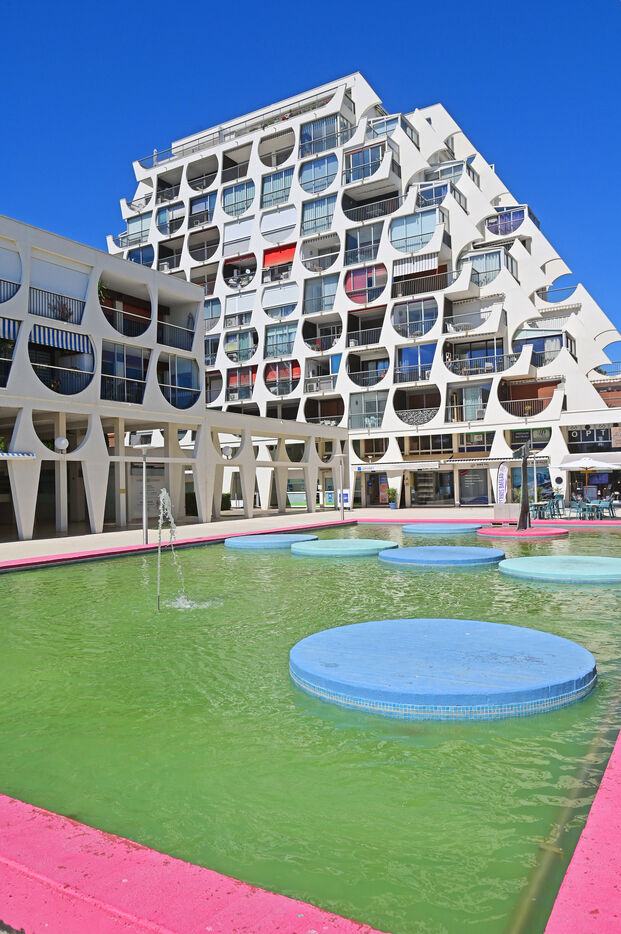
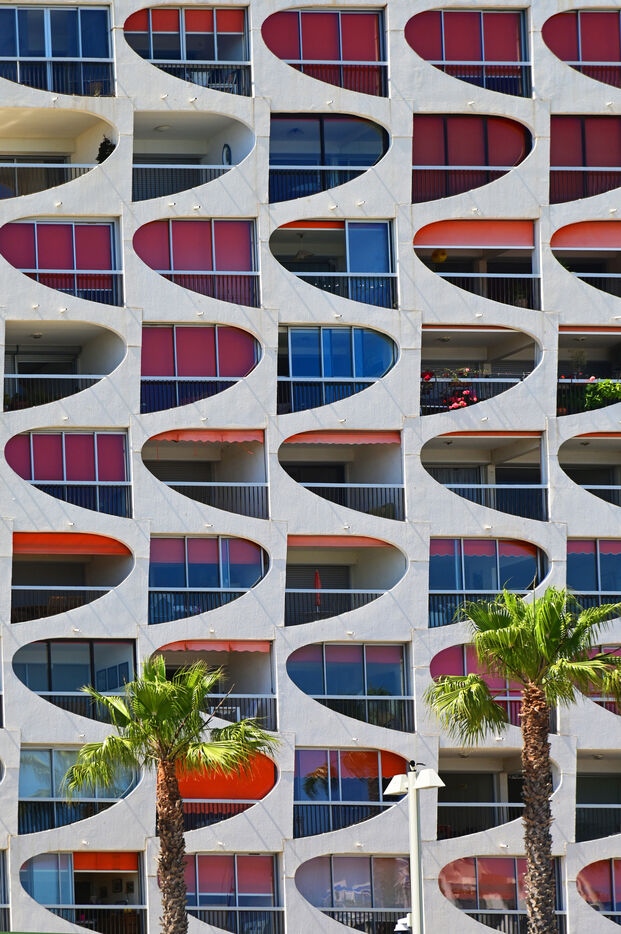
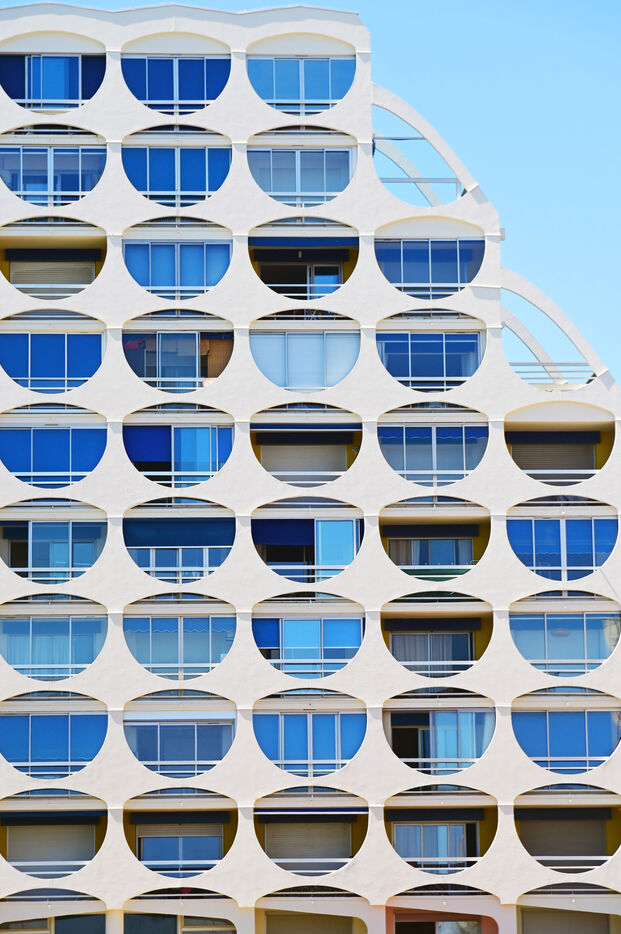
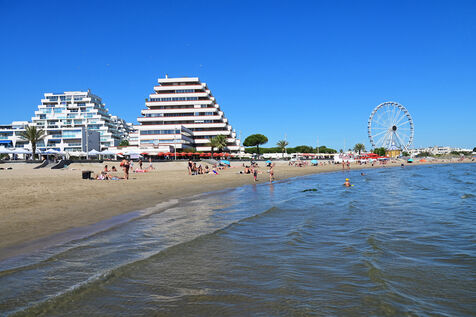
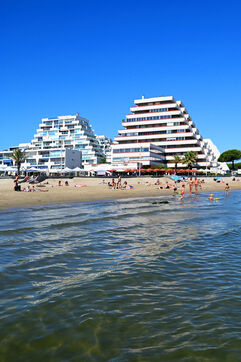
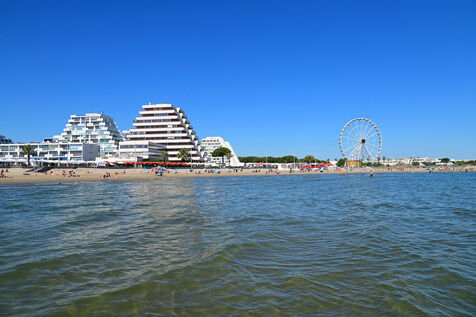
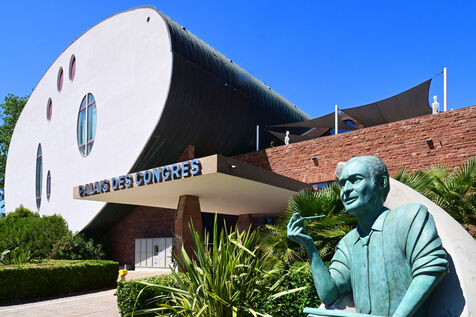
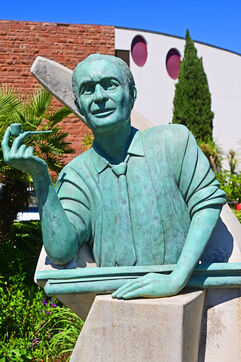
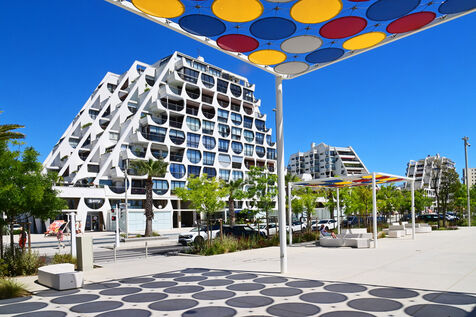
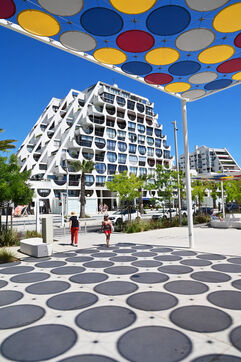
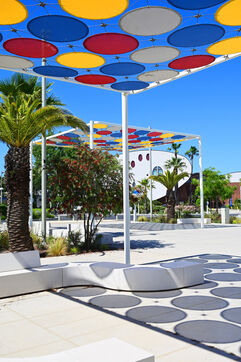
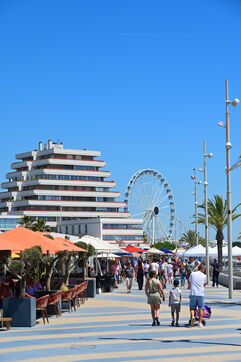
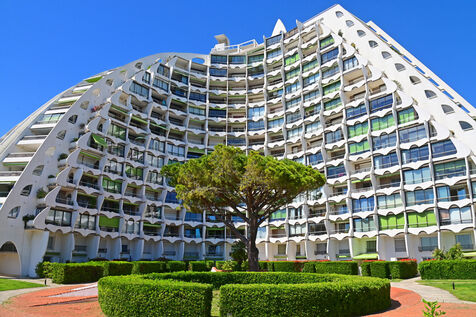
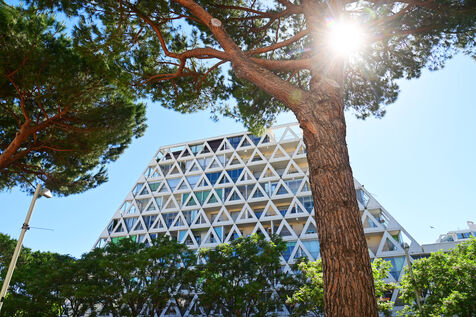
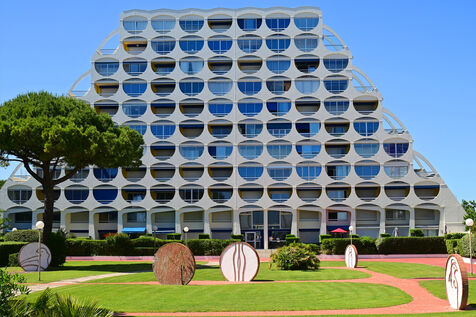
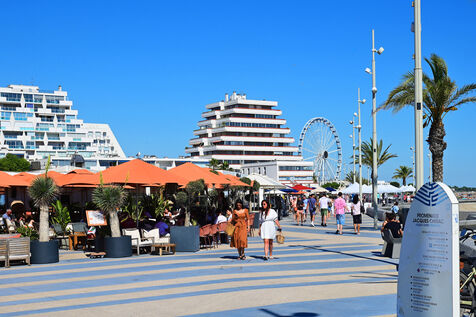
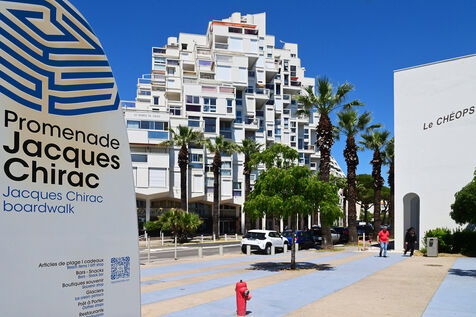
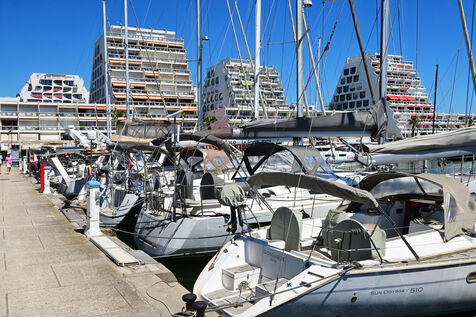
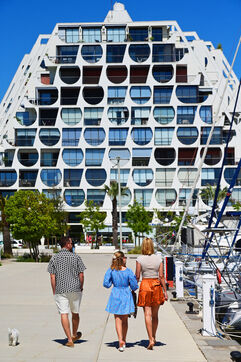
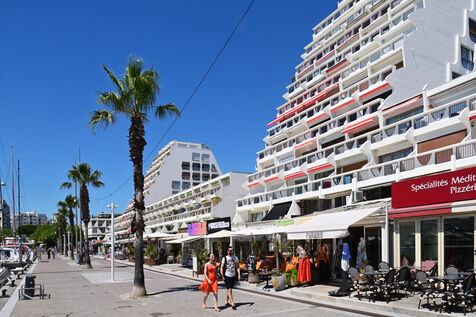
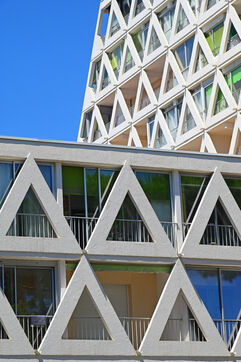
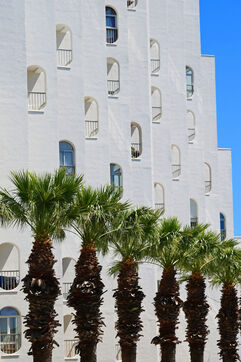
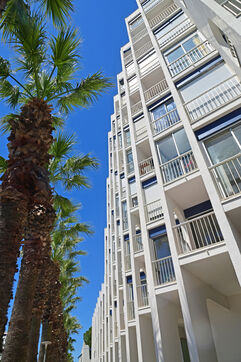
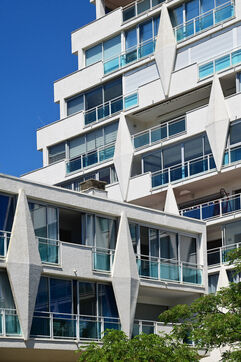
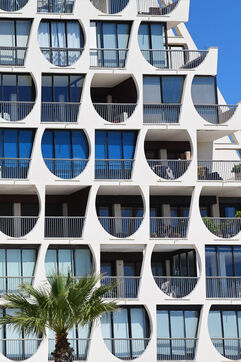
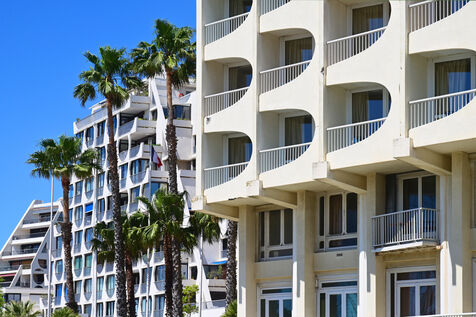
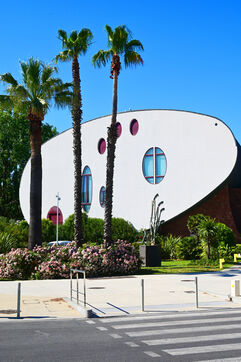
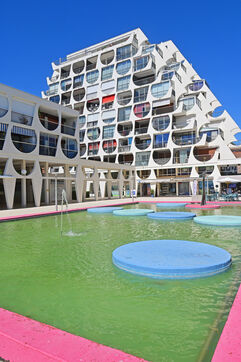
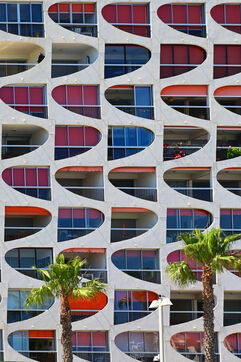
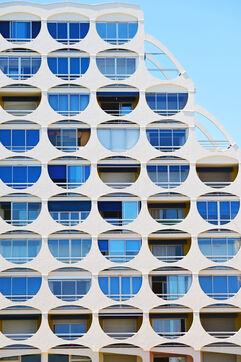
L’État achète alors 1200ha le long du littoral languedocien et deux projets phares sont retenus : le Cap d’Agde et la Grande Motte. Le projet pilote de la Grande-Motte est confié à l’architecte Jean Balladur (1924 – 2002) qui travaillera pendant plus de 20 ans sur ce projet à partir de 1963. La nouvelle station balnéaire s’entend sur 750 hectares de terre, le port est inauguré en 1967, et dès 1968 les premiers projets immobiliers sortent de terre. Jean Balladur à carte blanche. Il imagine alors des immeubles inspirés des pyramides mayas, une architecture dépouillée semblable à celle de l’architecte brésilien Oscar Niemeyer à Brasilia. Il pare les bâtiments de motifs de béton différents pour chaque façade (losanges, virgules, vagues,lunettes, carrés…). Même si les touristes arrivent maintenant en voiture, ces dernières sont reléguées dans les parkings, la ville se voulant avant tout piétonnière. Rénovée depuis, elle est plus arborée, propres et parsemée de sculptures modernes. Deux tiers de la surface de la ville est réservée aux arbres qui font de La Grande Motte la station balnéaire la plus verte d’Europe.
In France, La Grande-Motte 2026-1936, an architecture born with the paid leave
This will be the object of the Racine mission - named after State Councilor Pierre Racine - set up in 1963. The State then purchased 1,200ha along the Languedoc coast and two flagship projects were selected: Cap d'Agde and La Grande Motte. The Grande-Motte pilot project was entrusted to the architect Jean Balladur (1924 – 2002) who worked for more than 20 years on this project from 1963. The new seaside resort covers 750 hectares of land, the port was inaugurated in 1967, and in 1968, the first real estate projects were built. Jean Balladur imagined buildings inspired by Mayan pyramids, a stripped-down architecture similar to that of the Brazilian architect Oscar Niemeyer in Brasilia. It adorns the buildings with different concrete patterns for each facade (diamonds, commas, waves, glasses, squares, etc.). Even if tourists now arrive by car, they are relegated to parking lots, the city wanting to be above all pedestrian. Since renovated, it is more wooded, clean and dotted with modern sculptures. Two thirds of the city's surface area is reserved for trees which make La Grande Motte the greenest seaside resort in Europe.